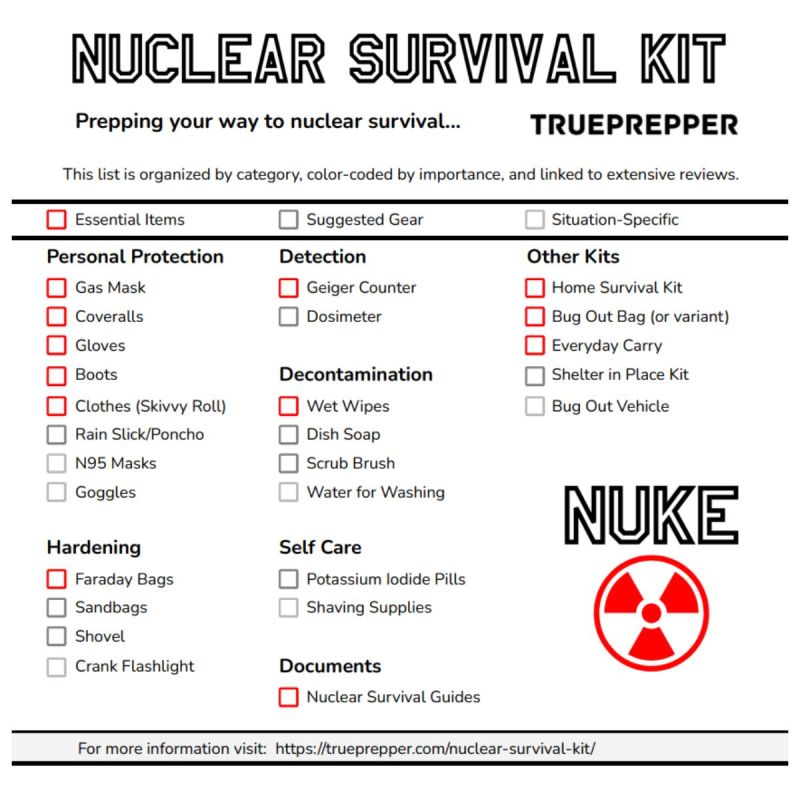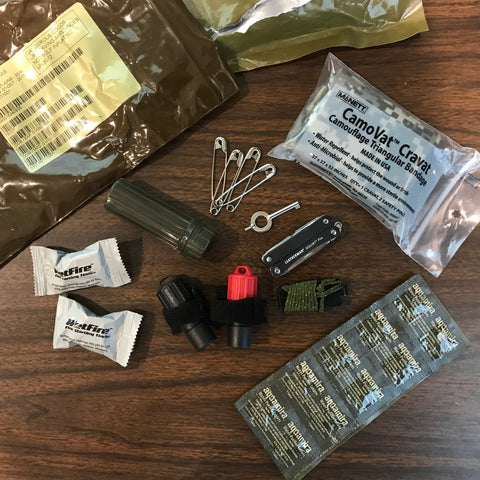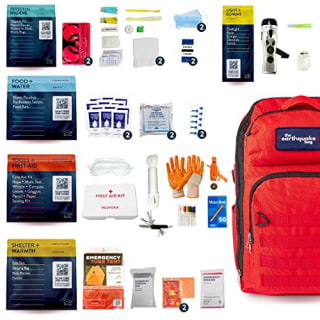
Imagine finding yourself in a situation where help is far away, and your safety depends on what you carry with you. What if you had the right tools to stay calm, confident, and secure?
Your survival kit can make all the difference between panic and preparedness. But what exactly do you need in a survival kit to face emergencies with ease? Keep reading, because knowing the essentials could save your life when it matters most.
Basic Survival Essentials
When building your survival kit, focusing on basic essentials is key. These items form the foundation of your ability to stay safe and comfortable in unexpected situations. Without them, even the best plans can fall apart quickly.
Water And Hydration Tools
Water is your top priority. You need a reliable way to carry, purify, and store it. Carrying a durable water bottle or hydration bladder is smart, but also pack water purification tablets or a small filter.
Think about how long you might be without access to clean water. Could you collect and treat natural sources? A compact water filter not only saves weight but can make a life-saving difference.
Food And Nutrition Supplies
Your body needs energy to keep going. Pack high-calorie, non-perishable foods like energy bars, nuts, or freeze-dried meals. These are easy to carry and provide essential nutrients.
Have you ever felt drained after a long hike or stressful event? Proper nutrition keeps your mind sharp and your body strong. Don’t forget a small, reliable way to open cans or packages.
Shelter And Warmth Gear
Protecting yourself from the elements can’t be overlooked. A lightweight tent, tarp, or emergency bivvy can shield you from rain and wind. Insulation like a compact sleeping bag or thermal blanket helps maintain your body heat.
What’s your plan if the temperature drops suddenly at night? Staying dry and warm prevents hypothermia. Even simple items like extra socks or a hat add valuable warmth.

Credit: www.servpro.com
Navigation And Communication
Navigation and communication tools are vital in any survival kit. They help you find your way and signal for help when needed. Without reliable gear, you could easily get lost or remain stranded without assistance.
Maps And Compasses
Having a physical map and a compass is essential. GPS devices can fail due to battery loss or signal issues, but a map and compass never run out of power. Knowing how to read a topographic map and use a compass can keep you on track even in unfamiliar terrain.
Choose waterproof maps or store them in a protective case. Practice orienting yourself with a compass before you need it in an emergency. Ask yourself: could you confidently navigate back to safety with just these tools?
Emergency Signaling Devices
Communication doesn’t always mean talking on the phone. Emergency signaling devices like whistles, signal mirrors, and flares can attract attention from rescuers. A whistle’s sound travels farther than shouting, and mirrors can reflect sunlight to signal aircraft or distant search parties.
Keep these items accessible at all times in your kit. A small, bright flare can be seen from miles away, but it requires careful handling. What signaling tools would you trust to get your message across when every second counts?
First Aid And Health
First aid and health items are vital in any survival kit. They help treat injuries and prevent infections. Keeping these supplies ready can save lives during emergencies. The right items reduce pain and stop wounds from worsening. Every kit needs essentials for quick and effective care.
Basic Medical Supplies
- Bandages in various sizes for cuts and scrapes
- Antiseptic wipes to clean wounds
- Adhesive tape to secure bandages
- Sterile gauze pads to cover large wounds
- Scissors and tweezers for cutting and removing debris
- Disposable gloves to keep hands clean
- Elastic bandages for sprains and strains
- Instant cold packs to reduce swelling
- CPR face shield for safe resuscitation
Personal Medications
Include any daily medicines you need. Pack enough for several days. Label them clearly to avoid confusion. Pain relievers like ibuprofen or acetaminophen help reduce discomfort. Antihistamines can ease allergic reactions. Bring medicines for stomach issues, such as antacids or anti-diarrheal pills. Keep a copy of prescriptions and medical info. This helps if you need medical help quickly.
Tools And Equipment
Tools and equipment are the heart of any survival kit. They help you perform essential tasks that keep you safe and comfortable. Without the right tools, even the simplest tasks become difficult, or even impossible.
Cutting And Fire Starting Tools
Sharp cutting tools are a must-have. A reliable knife can help you prepare food, build shelter, or defend yourself. Choose a fixed-blade knife with a sturdy handle for better control and durability.
Fire is crucial for warmth, cooking, and signaling. Include multiple fire-starting options like waterproof matches, a lighter, and a ferrocerium rod. You never know when one method might fail, so having backups is smart.
Have you ever tried starting a fire in wet conditions? I learned the hard way that a ferro rod works even when soaked. It’s small, lightweight, and sparks easily, making it a survival favorite.
Multi-tools And Repair Kits
Multi-tools pack several functions into one compact device. Pliers, screwdrivers, scissors, and can openers all in your pocket make tasks easier and faster. They save space and weight, which is critical when you carry everything on your back.
Repair kits often get overlooked but can save your gear from breaking down. Include duct tape, spare paracord, and small sewing kits. These simple items help fix torn clothing, broken straps, or damaged equipment.
Think about the last time a zipper broke or a strap snapped. Having the right repair tools on hand lets you fix these issues immediately instead of struggling with unusable gear.
Clothing And Protection
Clothing and protection play a crucial role in any survival kit. Your gear should not only shield you from the elements but also offer comfort and durability. Wearing the right clothing can make a big difference in how you handle unexpected situations outdoors.
Weather-appropriate Clothing
Choosing clothing that matches the climate you expect to face is vital. In cold weather, layers work best—start with a moisture-wicking base layer, add an insulating middle layer, and finish with a waterproof outer layer. This setup keeps you warm, dry, and adaptable to changing conditions.
For hot environments, focus on lightweight, breathable fabrics that protect your skin from the sun. Long sleeves and pants made from UV-protective materials can prevent sunburn while allowing airflow. Have you ever underestimated how much sun exposure affects your energy and mood during a long hike?
Don’t forget to pack extra socks and gloves. Dry feet and hands can prevent blisters and frostbite. Your survival kit should always include clothing items that you can swap out when needed.
Protective Gear And Accessories
Protection goes beyond clothing. Think about items that guard your body from insects, debris, and injuries. A good hat can shield your head from sun and rain, while sunglasses protect your eyes from glare and dust.
Gloves are essential for handling rough materials or cold weather. Choose sturdy, flexible gloves that allow you to grip tools but also protect your hands from cuts and scrapes. Have you ever tried to start a fire with numb fingers? It’s much harder than it sounds.
Consider a durable rain poncho or tarp for additional shelter or ground cover. These lightweight items can serve multiple purposes and add an extra layer of defense against harsh conditions. Adding a face mask or bandana can help filter dust or smoke when needed.

Credit: survivalschool.enduresurvivalkits.com
Personal Items And Extras
Your survival kit isn’t just about tools and first aid supplies. Personal items and extras make a huge difference when you face tough situations. These items help keep your identity safe and your spirit strong.
Important Documents And Money
Keep copies of essential documents like your ID, passport, insurance papers, and emergency contacts in a waterproof bag. This protects your identity and can speed up help if you need it. Cash is crucial too—small bills and coins work best since ATMs might not be available.
Think about digital backups on a USB drive or a secure cloud service you can access with a phone. Would you be able to prove who you are or access your accounts if everything else was lost? Having these documents ready can save hours or even days of hassle.
Comfort And Morale Boosters
Survival isn’t just physical—it’s mental too. Include items that comfort you, like a favorite snack, a small photo of loved ones, or a book you enjoy. These can reduce stress and keep your mind focused.
Consider a compact playing card set or a small journal with a pen. They provide distraction and mental stimulation, which are often overlooked but vital. What little thing would keep you calm or remind you of home if everything felt uncertain?

Credit: www.amazon.com
Frequently Asked Questions
What Are The Essential Items In A Survival Kit?
A survival kit must include water, food, a first aid kit, and a reliable fire starter. Add a multi-tool, flashlight, and emergency blanket. These items help ensure safety and basic needs in emergencies or outdoor adventures.
How Much Water Should A Survival Kit Contain?
Your survival kit should have at least one liter of water per person per day. For longer trips, carry extra water or a portable water filter to stay hydrated and safe.
Why Is A First Aid Kit Crucial In A Survival Kit?
A first aid kit helps treat injuries and prevents infections during emergencies. It should contain bandages, antiseptics, pain relievers, and tweezers for quick medical care on the go.
What Food Is Best For A Survival Kit?
Choose non-perishable, high-energy foods like energy bars, nuts, dried fruits, and canned goods. These foods provide essential nutrients and last long without refrigeration, making them ideal for survival situations.
Conclusion
A good survival kit keeps you ready for any emergency. Choose items that meet basic needs: water, food, and shelter. Include tools for first aid and fire starting. Keep the kit small and easy to carry. Check and update your supplies regularly.
Being prepared gives peace of mind and safety. Remember, simple items can make a big difference. Stay safe by having the right gear with you.