Imagine facing an unexpected situation where every second counts. What items would you reach for to keep yourself safe, comfortable, and prepared?
Your survival kit can make all the difference between panic and peace of mind. You’ll discover a simple but powerful survival kit list that ensures you’re ready for emergencies—no matter where you are. Keep reading, and you’ll learn exactly what to pack to protect yourself and your loved ones when it matters most.
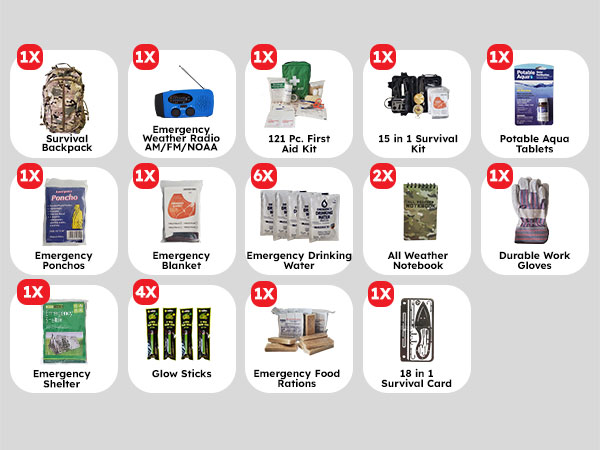
Credit: www.siriussurvival.com
Basic Survival Gear
Basic survival gear is essential for staying safe and comfortable in emergencies. These items help meet your most critical needs: water, food, shelter, and warmth. Preparing with the right gear increases your chances of survival in tough situations.
Water And Hydration Tools
Water is the top priority in any survival situation. Carry tools that help you find, purify, and store water. A sturdy water bottle or hydration bladder is a must-have. Portable water filters remove harmful bacteria and parasites. Water purification tablets add extra safety. Collapsible containers save space and hold extra water.
Food Supplies And Storage
Food provides energy and strength for survival. Pack lightweight, non-perishable items like energy bars, nuts, and dried fruits. Freeze-dried meals are convenient and last long. Use airtight containers or vacuum-sealed bags to keep food fresh and safe from pests. Small cooking tools and utensils help prepare meals easily.
Shelter And Warmth
A good shelter protects you from harsh weather. Carry a compact tent, tarp, or emergency bivy sack. Sleeping bags rated for cold temperatures keep you warm at night. Insulating layers like emergency blankets reflect body heat. Carry a small, reliable fire starter to build warmth and cook food. Warm clothing and rain gear complete your shelter setup.

Credit: www.servpro.com
Navigation And Communication
Navigation and communication tools are vital in any survival kit. They help you find your way and stay connected. These items increase your chances of rescue and safety in unfamiliar areas. Preparing these tools carefully can make a big difference in emergencies.
Compasses And Maps
A compass guides direction without batteries. Maps show the terrain and landmarks. Together, they help avoid getting lost. Choose waterproof maps for durability. Learn basic map reading skills before heading out.
Emergency Signaling Devices
Signaling devices alert rescuers to your location. Common tools include whistles, signal mirrors, and flares. Whistles carry sound far without tiring your voice. Mirrors reflect sunlight to catch attention. Flares provide bright light in the dark. Keep these devices easily accessible in your kit.
Portable Communication Tools
Portable devices keep communication open during emergencies. Two-way radios work well where cell signals fail. Satellite phones connect anywhere on Earth. Personal locator beacons (PLBs) send distress signals. Always carry extra batteries or power banks. Test devices regularly to ensure they work.
First Aid Essentials
Having a well-stocked first aid kit is crucial in any survival situation. It can make the difference between a minor issue and a serious medical emergency. Knowing exactly what to include ensures you’re prepared to handle cuts, burns, or sudden illnesses quickly and effectively.
Basic Medical Supplies
Start with the essentials that address common injuries. Include adhesive bandages in various sizes for small cuts and scrapes. Sterile gauze pads and adhesive tape help cover larger wounds and control bleeding.
Don’t forget a pair of tweezers for removing splinters or debris. Scissors, safety pins, and disposable gloves protect both you and the injured person. A digital thermometer can help you monitor fevers accurately.
Medications And Treatments
Stock up on pain relievers like ibuprofen or acetaminophen to reduce pain and inflammation. Antihistamines are vital if you or someone else suffers from allergic reactions. Including antiseptic wipes or solutions helps prevent infections after wounds.
Consider adding antibiotic ointment to apply directly on cuts. If you’re prone to stomach issues, pack anti-diarrheal and antacid medications. Remember, expired meds lose effectiveness, so check your kit regularly and replace items as needed.
Personal Hygiene Items
Keeping wounds clean is critical, which makes personal hygiene items essential. Include alcohol wipes and hand sanitizer to maintain cleanliness when water isn’t available. Cotton balls and swabs help apply ointments without contamination.
Adding a small bar of soap or antiseptic wipes supports overall hygiene. These simple items reduce the risk of infections, which can escalate quickly in survival scenarios. What hygiene items do you find indispensable when you’re away from home?
Tools And Equipment
Having the right tools and equipment in your survival kit can make a huge difference in challenging situations. These items are not just for convenience—they are essential for safety and problem-solving. Let’s look closer at what you should include to be truly prepared.
Knives And Multi-tools
A good knife is one of the most versatile tools you can carry. It can help with everything from preparing food to building shelter. Choose a fixed blade knife with a strong, sharp edge for durability and reliability.
Multi-tools add flexibility by combining pliers, screwdrivers, and other useful gadgets. I once used my multi-tool to fix a broken tent pole during a sudden storm, which saved me a night in the cold. Think about what tasks you might face and pick tools that cover those needs.
Fire-starting Gear
Fire can provide warmth, cook food, and even signal for help. You should carry multiple options like waterproof matches, a lighter, and a ferrocerium rod. Each has its advantages in different weather conditions.
Practice using your fire-starting gear before you need it. I learned that having dry tinder stored separately makes starting a fire much easier, even in wet weather. How will you ensure you can create fire reliably when it counts?
Lighting And Power Sources
Light is crucial when darkness falls unexpectedly. A compact, durable flashlight or headlamp is a must-have. Look for models with long battery life and a waterproof design.
Don’t forget spare batteries or a portable solar charger. Having a way to recharge your devices can keep your communication lines open and your path lit. What lighting options can you fit without overloading your pack?
Clothing And Personal Items
Having the right clothing and personal items in your survival kit can make a huge difference when unexpected situations arise. These essentials protect you from harsh weather, keep you safe, and help you maintain your identity and resources. Let’s break down what you really need to pack to stay prepared and comfortable.
Weather-appropriate Clothing
Choose clothing that fits the climate you’re most likely to face. If you live in a cold area, pack thermal underwear, a warm jacket, gloves, and a hat. In hot climates, lightweight, breathable fabrics and a wide-brimmed hat are crucial.
Layering is key. It allows you to adjust your outfit as conditions change. For example, a moisture-wicking base layer keeps sweat off your skin, while an insulating middle layer traps heat.
Think about durability too. Clothes made from ripstop nylon or polyester can withstand rough use better than cotton. Have you ever struggled with wet, heavy clothes slowing you down? Avoid that by choosing quick-drying materials.
Protective Gear
Protection doesn’t stop at clothing. Add items like sturdy boots to shield your feet and a rain poncho or waterproof jacket to stay dry. Don’t forget gloves—not only for warmth but also to protect your hands from cuts and scrapes.
A reliable pair of sunglasses can prevent eye damage from UV rays or debris. Consider a hat with a neck flap for extra sun protection. These small additions can greatly improve your comfort and safety outdoors.
Important Documents And Cash
Keep copies of your ID, insurance papers, and any medical records in a waterproof pouch. Having these documents handy can speed up emergency services or help prove your identity if needed.
Cash is often overlooked but essential. Not all places accept cards during emergencies, so having small bills and coins can help you buy supplies or pay for transport. How would you handle a situation where digital payments fail?
Store these items where you can access them quickly, but also securely to prevent loss or damage. A compact, waterproof organizer works well for this purpose.

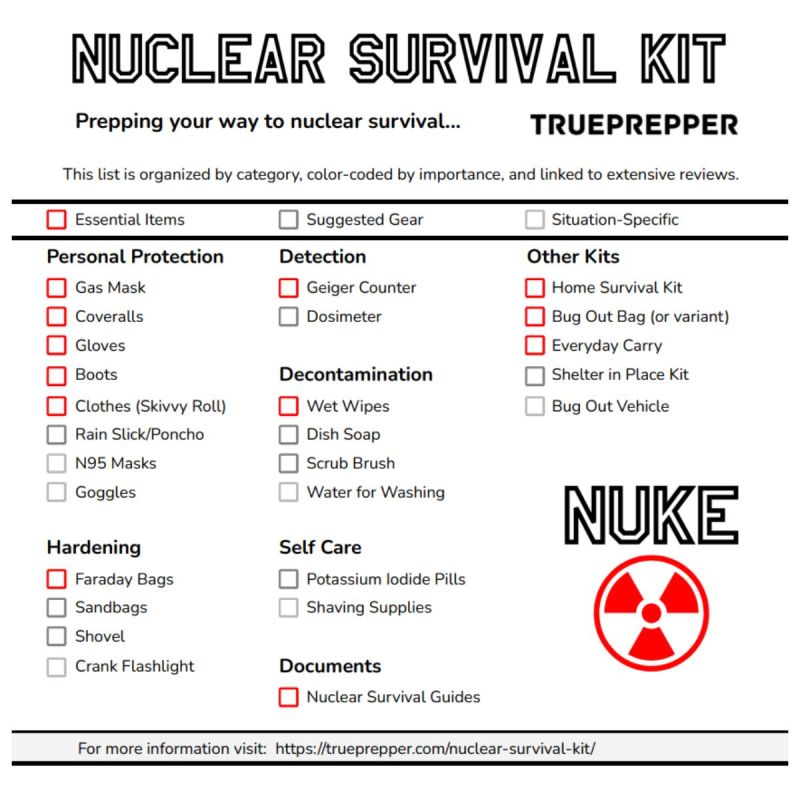
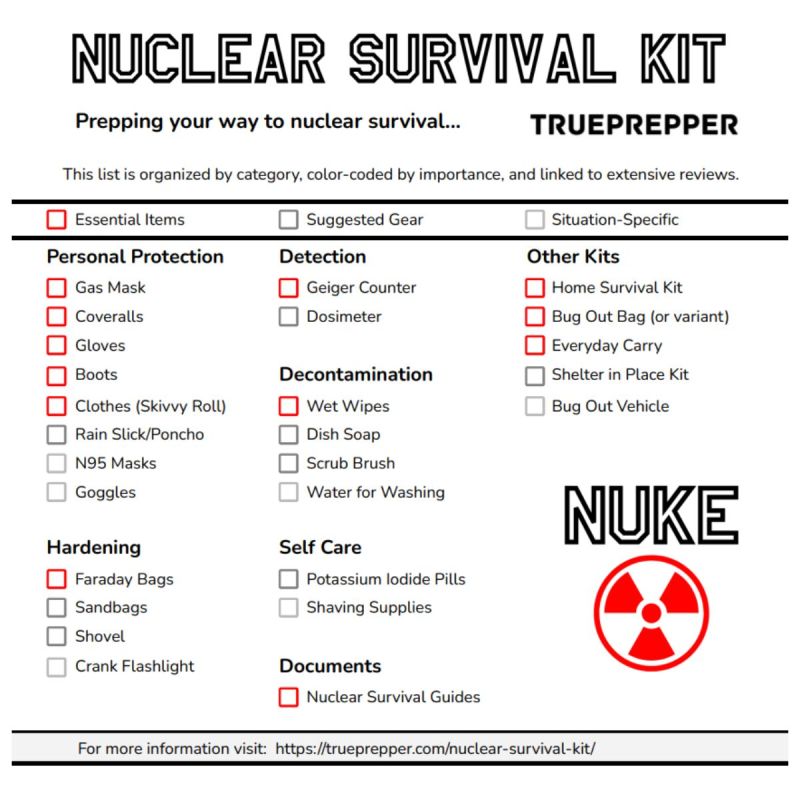
Credit: trueprepper.com
Specialized Survival Items
Specialized survival items are the backbone of any effective survival kit. These tools go beyond basic supplies, addressing specific challenges you might face when you’re off the grid or in an emergency. Choosing the right specialized gear can make the difference between struggling and staying safe.
Self-defense Tools
Your safety depends heavily on your ability to protect yourself. Self-defense tools like pepper spray, tactical flashlights, or compact stun guns offer immediate protection without requiring extensive training.
Think about a time when you felt vulnerable outdoors. Having a reliable self-defense tool gave you peace of mind, didn’t it? Make sure your kit includes items that are legal in your area and easy for you to carry and use.
Water Purification Systems
Clean water is essential, but you can’t always count on finding safe sources. Water purification systems such as portable filters, purification tablets, or UV sterilizers ensure you have access to drinkable water wherever you go.
Consider how heavy or bulky your purification gear is. A lightweight filter might be more practical for long hikes, while tablets are great for compact emergency kits. Don’t wait until you’re thirsty to test your water purification options.
Emergency Food Rations
Carrying non-perishable, nutrient-dense food can keep your energy up when regular meals aren’t available. Emergency food rations like freeze-dried meals, energy bars, or high-calorie survival packs are designed to last and provide necessary sustenance.
Ask yourself: how long can you realistically go without proper food? Including a variety of rations that suit your taste and dietary needs prevents fatigue and keeps morale high. Rotate your stock regularly to keep your food fresh and ready.
Packing And Maintenance Tips
Packing a survival kit is more than just throwing items into a bag. It requires careful planning and ongoing care. Proper packing keeps your kit ready for emergencies. Regular maintenance ensures items work when needed. This section covers practical tips for packing and maintaining your survival kit efficiently.
Organizing Your Kit
Organize your kit by grouping similar items together. Use small bags or pouches for categories like first aid, food, and tools. Label each pouch clearly. Keep frequently used items on top for quick access. A well-organized kit saves time and reduces stress in emergencies.
Regular Inspection And Updates
Check your kit every few months. Replace expired food and medicines immediately. Test batteries and replace dead ones. Inspect tools for damage or rust. Update your kit based on seasonal needs or changes in your environment. Keeping your kit current improves reliability.
Lightweight And Compact Solutions
Choose compact gear that saves space and weight. Multi-use tools reduce the number of items needed. Opt for lightweight materials to ease carrying. Avoid bulky containers by using resealable bags. A compact kit is easier to carry and quicker to use.
Frequently Asked Questions
What Are The Essential Items In A Survival Kit?
A survival kit must include water, food, first aid, fire starter, and a multi-tool. These items ensure safety and basic needs in emergencies.
How Do I Customize My Survival Kit List?
Tailor your kit based on location, climate, and personal health needs. Add items like medications, extra clothes, or specific tools.
How Often Should I Update My Survival Kit?
Check and update your kit every six months. Replace expired food, batteries, and medical supplies to maintain readiness.
Can I Make A Survival Kit On A Budget?
Yes, prioritize essential items first. Look for multi-use tools and affordable, durable supplies to save money without sacrificing quality.
Conclusion
A well-prepared survival kit ensures safety in unexpected situations. Gather essential items like food, water, and a flashlight. Keep your kit updated with fresh supplies. Practice using each item so you’re ready when needed. Store your kit in an easy-to-reach place.
Regular checks ensure everything works and is in good condition. A survival kit gives peace of mind. It protects you and your loved ones. Stay prepared and stay safe. Remember, preparation is key. Take action today for a secure tomorrow.