Imagine being caught in an emergency with no help in sight. What would you do?
Having a survival kit ready can make all the difference between staying safe and facing serious danger. But what exactly should be in your survival kit? Knowing the right items to include can save your life and keep you calm when every second counts.
You’ll discover the essential tools and supplies you need to prepare for any unexpected situation. Keep reading to make sure your survival kit has everything you truly need.
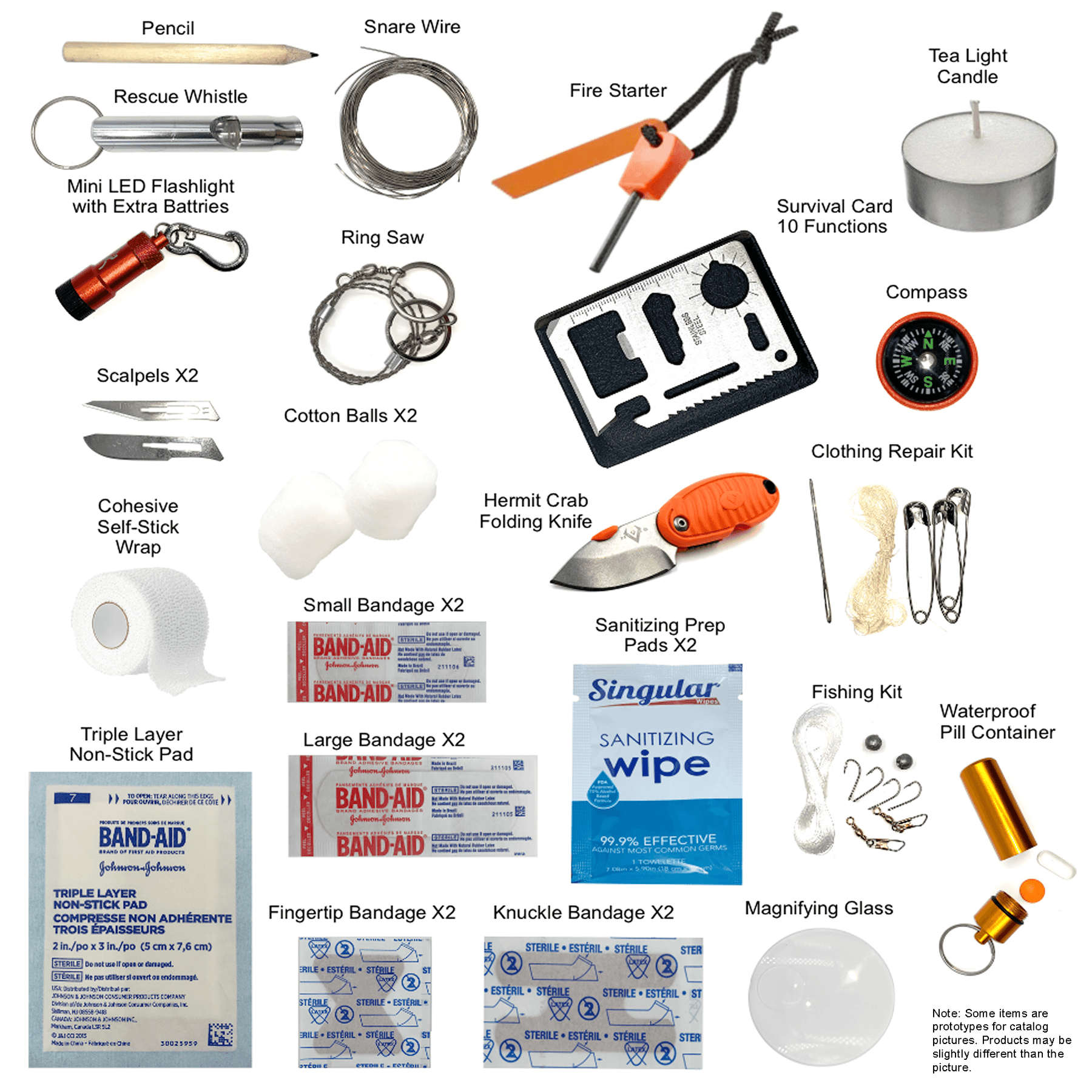
Credit: www.vnives.com
Basic Survival Tools
Basic survival tools form the foundation of any survival kit. They help you handle essential tasks like cutting, starting fires, and finding your way. These tools are small but powerful. They increase your chances of staying safe and comfortable in an emergency.
Knives And Multi-tools
A good knife is a must-have in every survival kit. It can cut rope, prepare food, and build shelter. Multi-tools combine many functions in one device. They often include pliers, screwdrivers, and scissors. These tools save space and weight. Choose sharp, sturdy blades that last long.
Fire Starters
Fire keeps you warm and cooks food. It also signals for help. Fire starters include matches, lighters, and fire steel rods. Waterproof matches work well in wet conditions. A fire steel rod sparks easily and lasts a long time. Carry several types to be ready in any weather.
Navigation Aids
Finding your way is critical in survival situations. A compass is a simple, reliable tool for navigation. Maps help you understand the terrain around you. GPS devices offer precise location data but depend on batteries. Always pack a compass and map as a backup to electronics.
Shelter And Warmth Gear
Shelter and warmth gear is vital in any survival kit. It protects from harsh weather and keeps the body warm. Staying dry and insulated can save lives in tough conditions. Choosing the right gear ensures comfort and safety during emergencies.
Tents And Tarps
Tents offer sturdy protection from wind and rain. They create a safe space to rest and recover. Tarps are lightweight and versatile. Use tarps to build quick shelters or ground covers. Both are essential for shelter in different environments.
Sleeping Bags And Blankets
Sleeping bags trap body heat to keep you warm at night. Choose bags rated for the lowest temperatures you expect. Blankets add extra warmth and can be wrapped around the body. Wool or thermal blankets work best for cold weather.
Clothing Layers
Layering clothing helps regulate body temperature effectively. Start with a moisture-wicking base layer to keep skin dry. Add insulating layers like fleece or down for warmth. Finish with a waterproof outer layer to block wind and rain. Proper layers prevent heat loss and keep you comfortable.
Food And Water Supplies
Food and water are the foundation of any survival kit. Without reliable supplies, your chances of staying safe and healthy drop quickly. You need items that last long, are easy to prepare, and can keep you nourished in tough conditions.
Non-perishable Food Items
Choose foods that won’t spoil, even if stored for months or years. Canned goods like beans, vegetables, and meats are solid options. Dried foods such as rice, pasta, and lentils take up little space and provide essential energy.
Don’t forget high-calorie snacks like nuts, trail mix, and energy bars. They’re perfect for quick boosts when you’re on the move. I once relied on canned tuna and peanut butter during a power outage—it kept me going without the need for refrigeration.
Water Filtration And Purification
Water is heavier and bulkier to store than food, so having a way to filter and purify is crucial. Portable filters can remove bacteria and protozoa, while purification tablets kill viruses. Combining both methods adds an extra layer of safety.
Consider a compact water bottle with a built-in filter for emergencies. It saved me during a hiking trip when nearby water looked questionable. Do you have a reliable way to make any water source safe to drink?
Cooking Equipment
Even with non-perishable foods, you’ll often need heat to prepare or improve their taste. A small camping stove or portable burner is invaluable. Don’t forget lightweight pots, utensils, and a can opener for canned goods.
Fuel types vary, so pick what matches your stove and availability. I keep a compact stove and fuel tabs in my kit—simple, effective, and easy to pack. How would you cook a meal if power and gas were suddenly unavailable?
First Aid Essentials
First Aid Essentials are the core items in any survival kit. They help treat injuries and prevent infections. These supplies can make a big difference in emergencies. Having the right tools ready saves time and stress.
Knowing what to include ensures quick and effective care. The focus is on items that treat cuts, burns, and other common injuries. Understanding basic emergency procedures also helps in using these supplies correctly.
Basic Medical Supplies
- Adhesive bandages in various sizes
- Sterile gauze pads and adhesive tape
- Antiseptic wipes and cotton balls
- Scissors and tweezers
- Disposable gloves for hygiene
- Elastic bandages for sprains
Medications And Ointments
- Pain relievers like ibuprofen or acetaminophen
- Antibiotic ointment to prevent infections
- Hydrocortisone cream for itching and rashes
- Antihistamines for allergic reactions
- Burn cream to soothe minor burns
Emergency Procedures
- Clean wounds immediately to avoid infection
- Apply pressure to stop bleeding
- Use bandages to protect injuries
- Stay calm and check breathing and pulse
- Call for help if injuries are severe
- Keep the injured person warm and still
Communication And Signaling
Effective communication and signaling tools are vital in any survival kit. They help you alert rescuers, keep in touch with others, and navigate your surroundings. Without the right devices, even the best survival skills may not be enough to get you out of a tough situation.
Whistles And Mirrors
Simple yet powerful, whistles can carry your voice farther than shouting. A sharp, loud whistle can grab attention quickly, especially in dense forests or noisy environments.
Mirrors are another low-tech lifesaver. Reflecting sunlight, a signal mirror can send flashes visible miles away. They don’t need batteries and are extremely lightweight, making them perfect for any kit.
Radios And Gps Devices
Radios let you communicate over distances when cell phones fail. Handheld two-way radios offer reliable contact with team members or rescuers. Look for models with long battery life and weather resistance.
GPS devices do more than show your location. They help you track your path, mark safe spots, and avoid hazards. Some GPS units even come with built-in communication features, offering a double benefit.
Emergency Beacons
Emergency beacons are designed for life-or-death situations. When activated, they send distress signals to search and rescue satellites instantly. These devices increase your chances of being found, even in remote places.
Consider a Personal Locator Beacon (PLB) or a Satellite Messenger. They often include tracking and two-way messaging, giving you control over your rescue communication.
Personal Safety Items
Personal safety items are essential in any survival kit. They protect your body, help you defend yourself, and maintain cleanliness. These items keep you safe in different situations and harsh environments. Preparing with the right tools boosts confidence and readiness.
Protective Gear
Protective gear shields your body from injuries and environmental hazards. Items like gloves, goggles, and masks prevent cuts, dust, and harmful particles. A sturdy helmet guards your head during accidents. Wearing protective gear reduces the risk of infection and serious harm.
Self-defense Tools
Self-defense tools help you protect yourself from threats. Common items include pepper spray, whistles, and small stun guns. These tools are easy to carry and use quickly. They create a chance to escape danger safely and alert others for help.
Hygiene Products
Hygiene products keep your body clean and prevent illness. Basic items include soap, hand sanitizer, and wet wipes. Toothbrushes and toothpaste help maintain oral health. Cleanliness reduces infections and improves overall well-being during survival situations.
Packing And Organization Tips
Packing your survival kit is more than just stuffing items into a bag. How you organize and pack directly affects your ability to find what you need quickly and carry your kit comfortably. Thoughtful packing can make your survival experience smoother and less stressful.
Waterproof Containers
Keeping your gear dry is crucial. Use waterproof containers to protect important items like matches, electronics, and first aid supplies. Small waterproof bags or hard cases can prevent water damage that ruins your kit.
Think about the environment you’ll be in. If you expect heavy rain or water exposure, opt for containers with secure seals or even dry bags. This way, you won’t waste time searching for replacements or dealing with soggy gear.
Weight Distribution
How you arrange weight in your survival kit affects your comfort and endurance. Place heavier items close to your back and near your center of gravity. This reduces strain and improves balance during long hikes or emergencies.
Separate items by weight categories and pack heavier things at the bottom or middle layers. Lighter items go on top or in external pockets for easy access without shifting the entire load. Have you noticed how carrying uneven weight tires you faster?
Accessibility Strategies
In a crisis, seconds matter. Pack your kit so the most critical items are easy to reach without unpacking everything. Essentials like a knife, flashlight, or whistle should be in outer compartments or at the top.
Use color-coded bags or labels inside your kit to quickly identify categories like food, tools, or medical supplies. This simple tactic saves precious time and reduces panic when you need something fast.

Credit: www.emergencyzone.com

Credit: unchartedsupplyco.com
Frequently Asked Questions
What Essential Items Are In A Basic Survival Kit?
A basic survival kit includes water, food, first aid supplies, a flashlight, and a multi-tool. These items help ensure safety and self-sufficiency in emergencies.
How Do Survival Kits Support Emergency Preparedness?
Survival kits provide critical supplies that meet basic needs. They help maintain health, warmth, and communication during unexpected situations, improving chances of survival.
Can Survival Kits Be Customized For Different Environments?
Yes, survival kits can be tailored for specific conditions like wilderness, urban areas, or natural disasters. Customization enhances effectiveness and safety in diverse scenarios.
How Often Should You Check And Update A Survival Kit?
Check your survival kit every six months. Replace expired food, batteries, and medications to keep it ready for emergencies at all times.
Conclusion
A good survival kit keeps you ready for any emergency. It has food, water, and first aid supplies. Tools like a flashlight and knife help a lot. Staying safe means having what you need nearby. Pack your kit carefully and check it often.
Being prepared brings peace of mind and confidence. Small steps now can protect you later. Don’t wait to gather your survival essentials today.