Have you ever wondered what you should put in a survival kit? Imagine being caught in an unexpected situation where help isn’t right around the corner.
Your survival kit could be the difference between staying safe and struggling. You want to be prepared, but it’s easy to feel overwhelmed by all the options. This guide will break down exactly what you need—nothing extra, nothing missing—so you can build a kit that truly works when it matters most.
Keep reading, because your safety depends on what you pack today.
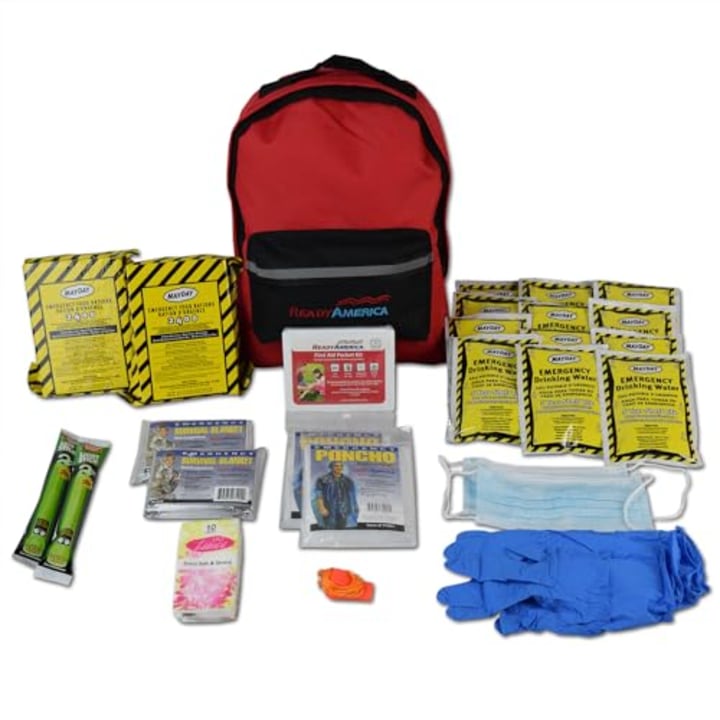
Credit: www.nbcnews.com
Basic Survival Needs
Basic survival needs are the foundation of any survival kit. They keep you alive and safe during emergencies. These needs focus on water, food, shelter, and warmth. Without these essentials, survival becomes very difficult. Preparing these items carefully increases your chances of staying healthy and strong.
Water And Hydration Tools
Water is the most critical survival need. You need clean drinking water to avoid dehydration. Include water bottles or collapsible containers in your kit. Water purification tools help make unsafe water drinkable. Consider adding:
- Water purification tablets
- Portable water filter
- Metal container for boiling water
- Reusable water bottles
These tools ensure a steady supply of safe water. Always carry enough water for at least three days.
Food And Nutrition Essentials
Food provides energy for your body to function well. Choose non-perishable, high-calorie foods. They last long and offer essential nutrients. Pack lightweight, easy-to-carry options like:
- Energy bars
- Dried fruits and nuts
- Canned beans or meats
- Freeze-dried meals
Include a manual can opener if canned food is part of your kit. Proper nutrition keeps you alert and strong during emergencies.
Shelter And Warmth Supplies
Protecting yourself from weather is vital for survival. Shelter keeps you dry and safe from cold. Warmth prevents hypothermia and keeps your body working. Essential shelter and warmth supplies include:
- Compact tent or emergency bivvy sack
- Insulating sleeping bag
- Thermal blanket or space blanket
- Fire-starting tools like waterproof matches
These items help maintain body temperature and shield from harsh conditions. Shelter and warmth improve comfort and increase survival chances.
Navigation And Communication
Navigation and communication tools are essential in any survival kit. They help you find your way and call for help if needed. Without these, staying safe in the wild becomes much harder. Choose reliable tools that work in many situations.
Maps And Compass
Always carry a detailed map of the area. Maps show paths, landmarks, and water sources. A compass helps you know the direction even without GPS. Learn how to read both before your trip. They do not need batteries and work in all weather.
Emergency Signaling Devices
Signaling devices attract attention when you need rescue. A whistle makes loud sounds and saves your voice. Bright signal mirrors reflect sunlight to far distances. Glow sticks or signal flares work well at night. Keep these tools easy to reach in your kit.
Communication Gadgets
Communication gadgets connect you to help or others with you. A fully charged mobile phone is useful but depends on coverage. Two-way radios work well in remote places without cell signals. Satellite messengers send GPS locations and emergency messages anywhere. Carry extra batteries or power banks for these devices.
First Aid And Medical Supplies
First aid and medical supplies are crucial in any survival kit. They help manage injuries and prevent infections. Having these items ready can save lives and reduce pain. Proper medical care starts with basic supplies and extends to personal hygiene products.
Basic First Aid Items
- Adhesive bandages in various sizes
- Sterile gauze pads and adhesive tape
- Antiseptic wipes and ointment
- Elastic bandages for sprains
- Scissors and tweezers
- Disposable gloves for hygiene
- CPR face shield or mask
Medications And Treatments
- Pain relievers like ibuprofen or acetaminophen
- Antihistamines for allergic reactions
- Anti-diarrhea medication
- Antacid tablets
- Hydrocortisone cream for skin irritation
- Oral rehydration salts
- Any personal prescription medicines
Personal Hygiene Products
- Alcohol-based hand sanitizer
- Antibacterial soap
- Disposable wipes or moist towelettes
- Toothbrush and toothpaste
- Feminine hygiene products
- Small towel or washcloth
Tools And Equipment
Tools and equipment form the backbone of any survival kit. They help you solve problems, stay safe, and perform essential tasks. Having the right gear can make a big difference during emergencies. Focus on items that are versatile, durable, and easy to carry.
Multi-tools And Knives
Multi-tools combine several functions in one compact device. They often include pliers, screwdrivers, scissors, and knives. A sturdy knife is vital for cutting, preparing food, and self-defense. Choose blades made from stainless steel for rust resistance. Look for tools with locking mechanisms to ensure safety.
Fire Starting Gear
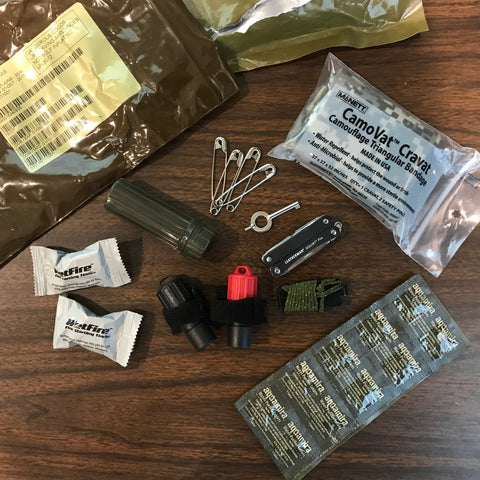
Fire is essential for warmth, cooking, and signaling. Include waterproof matches or a windproof lighter in your kit. Carry a fire steel or ferrocerium rod for reliable sparks. Store fire starters like cotton balls soaked in petroleum jelly. These items ignite quickly and burn long.
Lighting And Batteries
Light helps navigate in darkness and signals for help. Pack a small, bright flashlight or headlamp. Choose LED models for longer battery life. Bring extra batteries to avoid running out. Consider solar or crank-powered lights as backup options. Keep all lighting gear in waterproof containers.
Clothing And Protection
Clothing and protection are essential parts of any survival kit. They help you stay safe, comfortable, and prepared for changing conditions. Your choices can make a big difference in how well you handle emergencies.
Weather-appropriate Clothing
Choose clothing that matches the climate you expect. Layering is key: a moisture-wicking base layer, an insulating middle layer, and a waterproof outer layer work well.
Think about the seasons and possible weather changes. In cold weather, wool or synthetic fabrics keep you warm even when wet. In hot climates, lightweight, breathable clothes protect you from sunburn and heat exhaustion.
Have you ever been caught outside with just a cotton shirt in the rain? It becomes heavy and cold quickly. Avoid that by packing versatile pieces that dry fast and keep you comfortable.
Protective Gear
Protection goes beyond clothes. Include items like gloves, hats, and sturdy boots to shield your hands, head, and feet from injuries and harsh elements.
Eye protection, such as sunglasses or safety goggles, is often overlooked but crucial. Dust, debris, and sunlight can cause serious discomfort or harm if unprotected.
Consider adding insect repellent clothing or a mosquito head net if you expect to face bugs. Small items like a bandana can serve multiple purposes, from dust protection to a makeshift sling.
Emergency Blankets
Emergency blankets are compact, lightweight, and lifesaving. They retain body heat and shield you from wind and rain when you have no shelter.
These blankets don’t just keep you warm; they can also serve as ground covers or signal devices due to their reflective surface.
Keep one or two in your survival kit. They take up little space but can be the difference between hypothermia and safety.

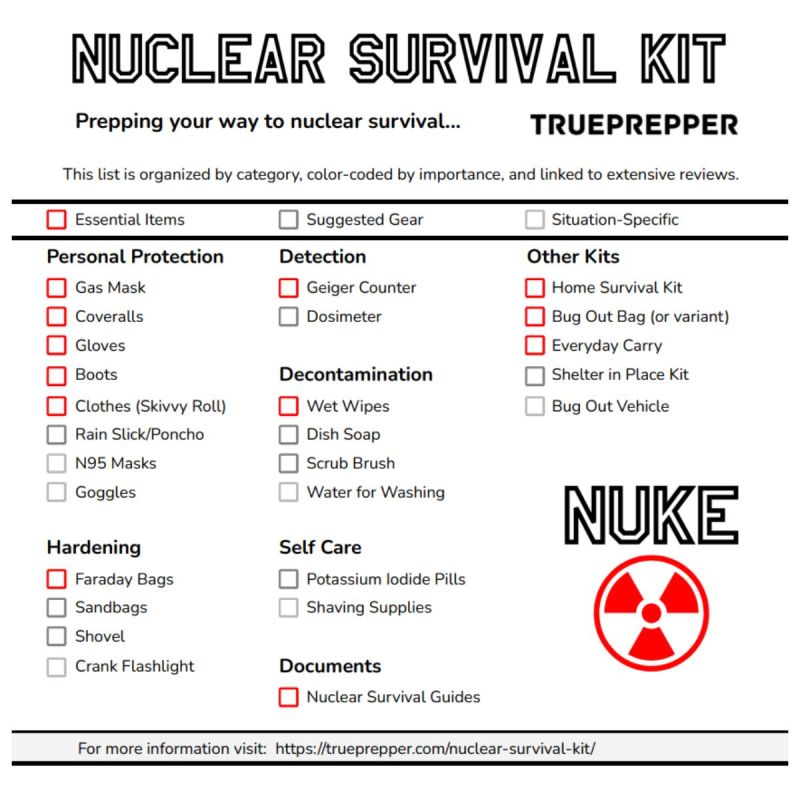
Credit: trueprepper.com
Additional Survival Items
Survival kits need more than just food and water. Additional survival items increase your chances of staying safe and comfortable. These extras cover money, personal needs, and special gear. Each item plays a unique role during emergencies.
Cash And Important Documents
Cash is essential when electronic payments fail. Keep small bills in waterproof bags. Important documents like ID, insurance, and medical papers must be protected. Use a portable, water-resistant folder or pouch. This ensures access to critical information anytime.
Personal Items And Comforts
Personal items boost morale and ease stress in tough situations. Pack items such as:
- Prescription medications
- Glasses or contact lenses
- Hygiene products like toothbrush and soap
- A small notebook and pen
- A comforting item like a photo or small book
These items keep you healthy and mentally strong.
Specialized Gear For Specific Environments
Tailor your kit to your environment. For cold climates, add thermal blankets and hand warmers. In hot areas, include sunblock and a wide-brim hat. For coastal zones, pack water purification tablets and waterproof clothing. This gear helps you adapt quickly to your surroundings.

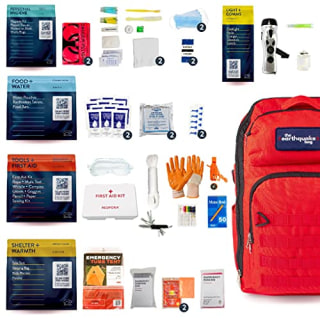
Credit: trueprepper.com
Frequently Asked Questions
What Are The Essential Items In A Survival Kit?
A survival kit should include water, food, first aid, fire starters, and a multi-tool. These basics ensure safety, hydration, nutrition, and the ability to signal or repair.
How Much Water Should I Pack In A Survival Kit?
Pack at least one liter of water per person per day. Water is crucial for hydration and survival in emergencies.
Why Include A First Aid Kit In A Survival Kit?
A first aid kit treats injuries and prevents infections. It helps manage wounds until professional help arrives.
What Food Is Best For A Survival Kit?
Choose non-perishable, high-energy foods like energy bars, nuts, and dried fruits. They provide sustained nutrition without refrigeration.
Conclusion
A good survival kit saves lives in tough times. Pack items that meet basic needs like water, food, and shelter. Don’t forget tools, first aid, and important documents. Keep the kit updated and ready to grab quickly. Preparing today helps you stay calm and safe tomorrow.
Small steps now bring big peace later. What will you add to your kit?