Imagine being caught in an emergency with no help nearby. What would you do?
Having a basic survival kit can make all the difference between staying safe or struggling. You might think it’s complicated to prepare one, but it’s easier than you believe. This guide will show you exactly what you need in your kit to stay calm, confident, and ready for anything.
Keep reading to discover the simple items that could protect your life when it matters most.
Core Components
A basic survival kit must cover essential needs for staying alive. Core components focus on water, food, and shelter. These items help maintain health and safety during emergencies. Each part plays a vital role in survival situations.
Water And Hydration Tools
Water is the most critical element for survival. A kit should include:
- Water bottles or containers for storage
- Water purification tablets or filters
- Collapsible water bags for easy transport
- Metal cups or small pots for boiling water
These tools ensure access to clean drinking water. Staying hydrated prevents fatigue and illness.
Food And Nutrition Items
Energy is needed to keep the body strong. Include lightweight, non-perishable foods:
- Energy bars and trail mix
- Dried fruits and nuts
- Freeze-dried meals or canned goods
- High-calorie snacks for quick boosts
Food must be easy to carry and prepare without cooking tools.
Shelter And Warmth Supplies
Protection from weather is crucial. Basic supplies include:
- Emergency blankets or thermal foil sheets
- Compact tents or tarps
- Rope or paracord for securing shelters
- Fire-starting tools like waterproof matches or lighters
These items help maintain body heat and provide safe rest areas.
Navigation Essentials
Navigation essentials are crucial in any survival kit. They help you find your way and stay safe in unfamiliar places. Without proper tools, it is easy to get lost. Navigation tools guide you through unknown terrain and help you reach safety.
Compasses And Maps
A compass is a simple tool that shows direction. It points to magnetic north, helping you stay on course. Maps give you a visual layout of the area. Together, they let you plan routes and avoid dangers.
- Choose a compass that is easy to read and durable.
- Carry a waterproof map of the local area.
- Learn basic map reading skills before you travel.
Signaling Devices
Signaling devices help rescuers find you quickly. They send signals over long distances, even in dense forests or mountains. These tools are vital when you need help fast.
- Whistles create loud sounds to attract attention.
- Mirrors reflect sunlight to signal distant rescuers.
- Bright colored flags or cloth can mark your location.
First Aid Materials
First Aid Materials are essential components of any basic survival kit. They help you manage injuries, prevent infections, and stabilize health issues until professional help arrives. Having the right supplies ready can make a huge difference during emergencies.
Basic Medical Supplies
Start with bandages in various sizes to cover cuts and scrapes. Include adhesive tape to secure dressings firmly on the skin. Don’t forget antiseptic wipes and ointments to clean wounds and reduce the risk of infection.
Adding disposable gloves protects you and others from germs. You should also have a pair of scissors and tweezers handy for cutting tape or removing splinters. A digital thermometer helps monitor fevers, which can signal infection or illness.
Injury Treatment Tools
Include a cold pack to reduce swelling from sprains or bruises. A triangular bandage works well as a sling for arm injuries or to hold dressings in place. Elastic wraps provide support for strained muscles or joints.
Think about including pain relievers such as ibuprofen or acetaminophen to ease discomfort. You might find it useful to have a CPR face shield for safe rescue breaths. Have you checked if your kit covers both minor and more serious injuries?

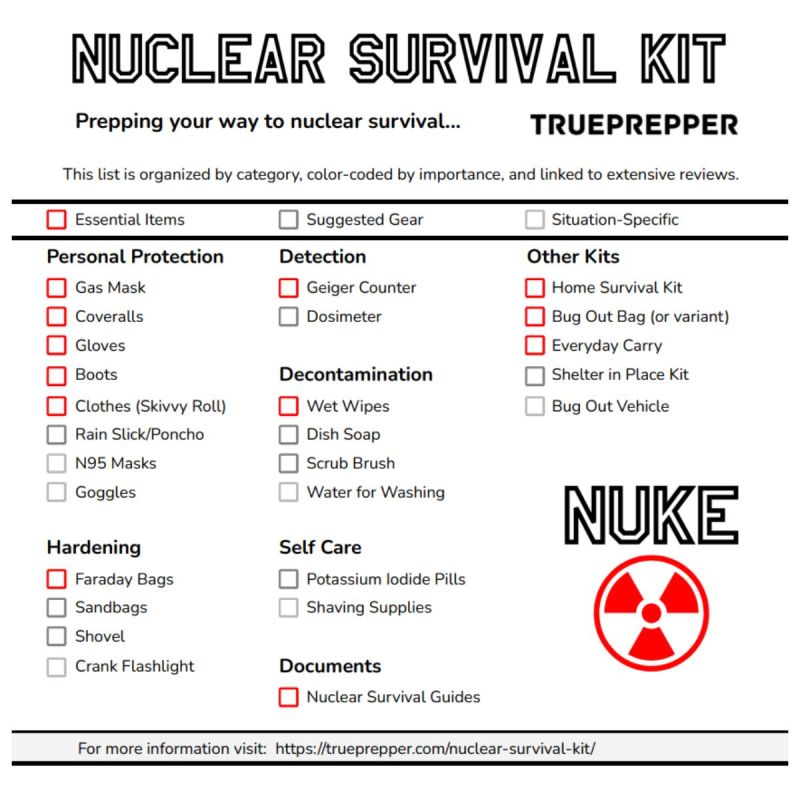
Credit: trueprepper.com
Fire Starting Gear
Fire starting gear is essential in any basic survival kit. It helps create warmth, cook food, and signal for help. Without fire, staying safe in the wild becomes very hard. Carrying reliable fire tools increases your chances of survival.
Matches And Lighters
Matches are simple and effective for starting fires quickly. Waterproof matches are best to keep dry in wet conditions. Carry a small box or a striker for easy use. Lighters offer a fast, reusable fire source. But they can run out of fuel or break. It is smart to bring both for backup.
Fire Starters And Tinder
Tinder catches fire easily from sparks or flames. Good tinder includes dry leaves, cotton balls, or small wood shavings. Fire starters help ignite tough or damp tinder. Examples include wax-coated cotton, commercial fire sticks, or dryer lint. Keep these in a waterproof container to stay dry and ready.
Tools And Equipment
Having the right tools and equipment in your basic survival kit can make a huge difference when you face unexpected challenges. These items help you solve problems, build shelter, prepare food, and stay safe. Think about what you might need to fix, cut, or secure during an emergency, and pack accordingly.
Knives And Multi-tools
A sharp knife is one of the most essential survival tools you can carry. It helps with cutting rope, preparing food, and even self-defense. A sturdy fixed-blade knife often works best because it can handle tougher tasks without breaking.
Multi-tools add versatility. They combine pliers, screwdrivers, scissors, and more in one compact device. I once had to fix a broken tent zipper during a rainy night, and a multi-tool saved the day by letting me tighten small screws quickly.
Choose tools with good grip and durable materials. Remember, a dull blade is no help, so keep your knives sharp and ready.
Cordage And Repair Items
Cordage like paracord is lightweight but incredibly strong. It can be used to build shelters, secure gear, or even make a tourniquet if needed. I always pack at least 10 feet of paracord because its uses are almost endless.
Along with cordage, include basic repair items like duct tape, safety pins, and needle with thread. These small things can fix torn clothing, seal leaks, or patch up gear on the go. Have you ever found yourself stuck with a broken strap or ripped backpack? These repair items turn frustration into quick fixes.
By adding the right tools and repair gear, your survival kit becomes a powerful resource for handling emergencies efficiently.

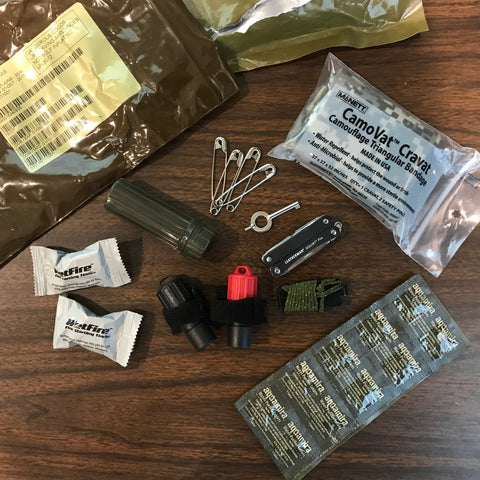
Credit: www.amazon.com
Personal Safety Items
Your personal safety should be a top priority when assembling a basic survival kit. The right items can protect you from harsh weather, unexpected injuries, and isolation. These tools are designed to keep you secure and connected during emergencies.
Protective Clothing
Clothing isn’t just about comfort; it can be your first line of defense against the elements. Consider packing a durable, waterproof jacket to shield you from rain and wind. Thermal layers help maintain body heat in cold environments, which can prevent hypothermia.
Don’t forget sturdy gloves and a hat—both can protect your hands and head from cuts, sunburn, or frostbite. When I faced an unexpected storm during a hike, my waterproof jacket and gloves made all the difference in staying warm and dry. What items in your kit would you rely on if the weather suddenly turned harsh?
Emergency Communication Devices
Staying connected can save your life. A simple whistle can alert rescuers if you’re lost or injured nearby. Adding a compact, battery-powered or hand-crank radio keeps you informed about weather alerts and emergency broadcasts.
For longer trips or remote areas, include a personal locator beacon (PLB) or satellite messenger. These devices send your GPS location to rescue teams even when there’s no cell signal. Imagine being stranded without any way to call for help—how would you reach out?
Packing And Storage Tips
Packing and storing your survival kit properly is vital for quick access and long-lasting use. The right storage keeps your items safe from damage and easy to find. Small changes in how you pack can save time during an emergency. Focus on protection and order to make your kit ready for any situation.
Waterproof Containers
Choose waterproof containers to protect your survival items from water and moisture. These containers prevent rust and damage to tools and supplies. Look for durable plastic or metal boxes with tight seals. Clear containers help you see contents without opening them. Always test the seal before storing your kit.
Organizing Your Kit
Organize your kit by grouping similar items together for easy access. Use smaller bags or pouches inside the main container to separate categories like first aid, food, and tools. Label each pouch clearly. Arrange items by priority, placing essential gear on top. Keep frequently used items within reach to save time.

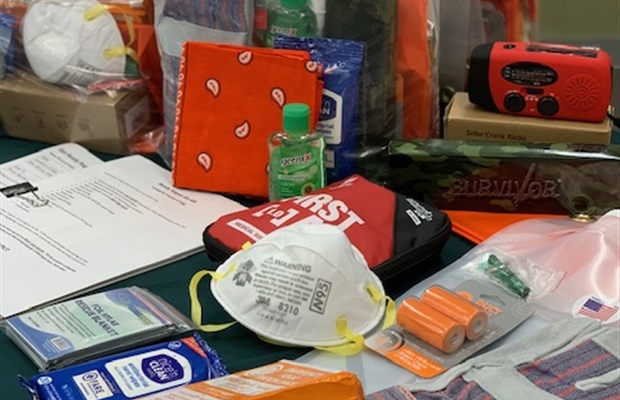
Credit: www.amazon.com
Frequently Asked Questions
What Items Are Essential In A Basic Survival Kit?
A basic survival kit includes water, food, a first aid kit, a knife, and fire starters. These items help you manage emergencies and stay safe in the wild or during disasters.
How Do I Choose The Right Survival Kit Components?
Select items based on your environment, duration, and skills. Prioritize multi-use tools, lightweight gear, and necessities for shelter, water, fire, and food.
Why Is Water Purification Important In Survival Kits?
Clean water prevents dehydration and illness. Water purification tablets or filters ensure safe drinking water when natural sources are contaminated or unsafe.
How Often Should I Update My Survival Kit?
Update your kit every six months to replace expired food, batteries, and medical supplies. Regular checks keep your kit reliable and ready for use.
Conclusion
A basic survival kit keeps you ready for many situations. It includes tools for shelter, water, food, and first aid. Carrying one can give you peace of mind. It helps you stay safe and calm in emergencies. Start with simple items and add what you need.
Always check your kit before trips or outdoor activities. Being prepared is smart and can save lives. Survival kits are small but powerful helpers. Keep yours ready and stay confident wherever you go.