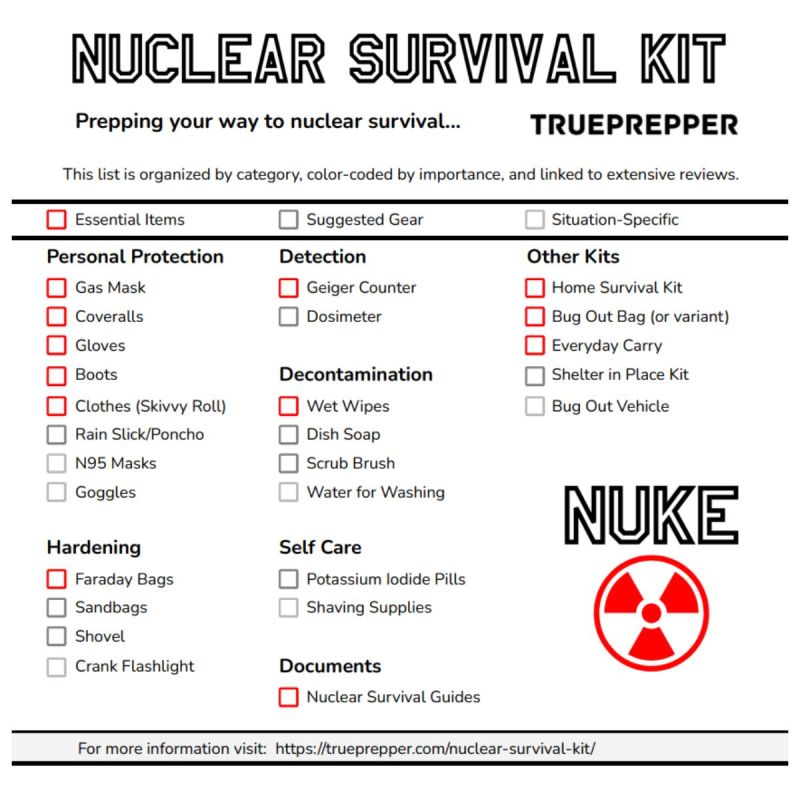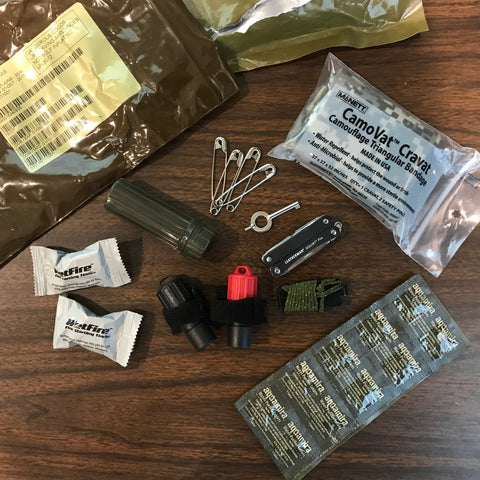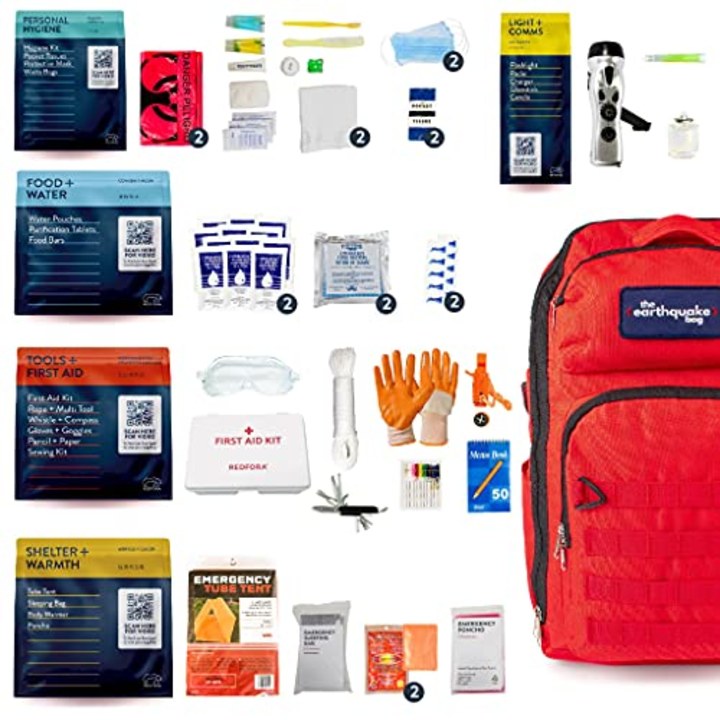
Imagine facing an emergency without the right supplies. Would you know what to grab?
Your survival could depend on what’s inside your emergency kit. Having the right items ready can make all the difference when every second counts. You’ll discover exactly what you need to keep yourself and your loved ones safe. Don’t leave your safety to chance—read on to build a kit that truly prepares you for the unexpected.

Credit: www.amazon.ca
Basic Survival Tools
Basic survival tools are essential items in any emergency survival kit. They help with daily tasks and critical needs. Having the right tools can make a big difference in tough situations. These tools support shelter building, food preparation, and signaling for help. Each item must be reliable and easy to use.
Multipurpose Knife
A multipurpose knife is a must-have tool. It can cut rope, prepare food, and even make shelter. Choose a knife with a sturdy blade and a comfortable handle. Some knives include extra tools like screwdrivers or can openers. This tool saves space and adds versatility to your kit.
Fire Starters
Fire starters help you create fire quickly and safely. Fire is vital for warmth, cooking, and signaling. Include waterproof matches or a lighter in your kit. A magnesium fire starter is a durable option that works even when wet. Always carry a backup to ensure you can start a fire in any weather.
Flashlight And Batteries
A flashlight provides light during power outages and dark conditions. Choose a compact, lightweight model with strong brightness. Pack extra batteries to keep it working longer. LED flashlights last longer and use less power. A reliable light source keeps you safe and helps navigate in the dark.
Emergency Whistle
An emergency whistle is a simple tool to call for help. It makes a loud, clear sound that carries far. Use it to signal rescuers or alert others nearby. Keep the whistle easily accessible in your kit. It requires no power and works well in all conditions.

Credit: www.amazon.ca
Food And Water Supplies
Food and water are the most important parts of any emergency survival kit. They provide energy and hydration needed to stay strong. Without proper supplies, survival becomes very hard. Choose items that last long and are easy to prepare. Plan for at least three days of food and water per person.
Non-perishable Food Items
Non-perishable foods do not spoil quickly. They are ideal for emergencies. Select items that need no refrigeration and minimal cooking. Some good options include:
- Canned beans, vegetables, and fruits
- Dry pasta, rice, and instant noodles
- Peanut butter and nut butters
- Granola bars and trail mix
- Powdered milk and protein powders
Always check expiration dates and rotate supplies often. Pack foods that you and your family enjoy.
Water Storage And Purification
Water is essential for survival. Store at least one gallon per person per day. Use clean, food-grade containers for storage. Keep extra water for pets and cooking. Water purification tools help make unsafe water drinkable. Include:
- Water purification tablets
- Portable water filters
- Boiling equipment for water treatment
Change stored water every six months to keep it fresh. Know how to use purification methods before an emergency.
Portable Cooking Gear
Portable cooking gear helps prepare hot meals when electricity is out. Compact and lightweight items save space in the kit. Include:
- Small camping stove or portable burner
- Fuel canisters compatible with your stove
- Lightweight pots and pans
- Basic utensils like a spoon, fork, and knife
Test your cooking gear at home to ensure it works. Always follow safety rules when using fuel and open flames.
First Aid Essentials
First aid essentials are the heart of any emergency survival kit. They prepare you to handle minor injuries and prevent them from becoming serious problems. Having the right items ready can make a real difference in a stressful situation.
Bandages And Dressings
Bandages and dressings are crucial for controlling bleeding and protecting wounds. Stock up on various sizes of adhesive bandages, sterile gauze pads, and roller bandages. Don’t forget butterfly closures to help close small cuts without stitches.
Think about your past experiences—have you ever struggled to find the right size bandage when you needed one? Keeping a good variety saves you that hassle and speeds up care.
Medications And Pain Relievers
Include common over-the-counter medications like ibuprofen, acetaminophen, and antihistamines. These help manage pain, reduce fever, and ease allergic reactions. Keep medications in their original packaging with clear labels to avoid confusion during emergencies.
Ask yourself, what medications do you or your family members use regularly? Adding those specific items ensures you’re covered for ongoing health needs too.
Antiseptics And Ointments
Antiseptics like alcohol wipes, hydrogen peroxide, or iodine wipes prevent infections by cleaning wounds properly. Antibiotic ointments help speed up healing and protect cuts from bacteria. Make sure these items are included and not expired.
Have you ever treated a wound that got infected because you didn’t clean it well? Having antiseptics handy lets you act quickly and avoid complications.
Shelter And Warmth
Shelter and warmth are crucial in any emergency survival kit. They protect you from cold, wind, and rain. Staying dry and warm can prevent hypothermia and other health risks. The right gear helps you stay comfortable and safe until help arrives or you reach safety.
Emergency Blankets
Emergency blankets are lightweight and compact. They reflect body heat back to you. These blankets are waterproof and windproof. They take up little space in your kit. Use them to wrap yourself or cover your shelter. They help keep warmth even in wet conditions.
Tents And Tarps
Tents provide a solid shelter from the elements. They block wind, rain, and snow. Choose tents that are easy to set up and carry. Tarps are versatile and lightweight. Use tarps to create a quick shelter or ground cover. Both tents and tarps protect you from moisture and cold.
Extra Clothing Layers
Extra clothing layers trap heat and keep you warm. Pack items like thermal shirts, socks, and hats. Choose moisture-wicking and insulated fabrics. Avoid cotton; it holds moisture and chills the body. Layering clothes helps you adjust to changing temperatures. Always have dry clothes ready for emergencies.
Communication And Navigation
Communication and navigation tools are vital in any emergency survival kit. They help you stay informed, find your way, and call for help. Without these tools, you may feel lost or isolated during a crisis.
Choosing reliable communication and navigation devices can improve your safety. These tools allow you to receive updates, share your location, and keep your bearings.
Portable Radio
A portable radio keeps you connected to news and emergency alerts. It works even when phones and internet fail. Look for radios with weather band features. Battery-powered or hand-crank options ensure power in any situation.
Maps And Compass
Physical maps and a compass guide you when GPS is unavailable. They do not rely on batteries or signals. Carry maps of your local area and any planned travel routes. Practice reading maps and using a compass before an emergency.
Chargers And Power Banks
Chargers and power banks keep your devices running longer. Choose high-capacity power banks that can charge multiple devices. Solar chargers add extra backup when electricity is gone. Always keep these charged and ready to use.

Credit: www.amazon.ca
Personal Hygiene And Safety
Keeping clean and safe in an emergency is very important. Personal hygiene and safety help prevent illness and injury. Carrying the right items in your survival kit keeps you healthy. These supplies also protect you from germs and pests. Staying clean supports your body and mind during tough times.
Sanitation Supplies
- Antibacterial wipes for quick cleaning
- Hand sanitizer with at least 60% alcohol
- Travel-size soap bars or liquid soap
- Toothbrush and toothpaste to maintain oral care
- Disposable gloves for handling waste or injuries
- Small roll of toilet paper or tissues
- Plastic bags for waste disposal
Insect Repellent
Insects can carry diseases and cause discomfort. Include a reliable insect repellent in your kit. Choose one with DEET or natural alternatives like citronella. Spray or wipes work well for easy application. Repellent keeps mosquitoes, ticks, and other bugs away.
Protective Gear
- Face masks to reduce exposure to dust and germs
- Safety goggles for eye protection
- Sturdy gloves for handling rough or sharp objects
- Sunblock to protect skin from UV rays
- Emergency blanket to keep warm and dry
Important Documents And Money
When preparing your emergency survival kit, don’t overlook the importance of safeguarding your essential documents and money. These items can make a huge difference in regaining control during a crisis. Having them organized and accessible means you’re ready for unexpected situations like evacuations or financial disruptions.
Copies Of Identification
Always keep photocopies of your ID cards, passports, and driver’s licenses in your kit. Originals might get lost or damaged, but copies ensure you can prove your identity if needed. Store these copies in a waterproof bag to protect them from water damage.
Consider adding digital copies on a USB drive or a secure cloud service accessible offline. This way, you have backups if physical copies are misplaced. Have you ever faced a situation where not having your ID caused delays or problems? Avoid that hassle by being prepared.
Cash And Cards
Cash is king in emergencies when electronic payment systems fail or are unavailable. Keep a small amount of cash in different denominations in your kit. This allows you to purchase necessities quickly without relying on card machines or ATMs.
Along with cash, carry at least one credit or debit card. Cards provide a backup and access to funds when cash runs out. Regularly check your cards’ expiration dates and update your kit to ensure everything is current.
Emergency Contact Information
Write down important phone numbers and addresses on paper, not just in your phone. Cell service can be unreliable, so having physical contact details is crucial. Include family members, close friends, doctors, and local emergency services.
Organize these contacts clearly, so you can find the right person quickly under stress. Imagine trying to recall a phone number during an emergency—having it written saves time and confusion. What contacts would you need most if you were cut off from your phone?
Frequently Asked Questions
What Are Essential Items For An Emergency Survival Kit?
Essential items include water, non-perishable food, first aid supplies, flashlight, batteries, multi-tool, and a whistle. These basics ensure safety, hydration, and communication during emergencies. Always customize your kit based on your environment and personal needs.
How Much Water Should An Emergency Kit Contain?
Your kit should have at least one gallon of water per person per day. Store enough for at least three days. Water is critical for hydration and basic hygiene during emergencies.
Why Include A First Aid Kit In Survival Supplies?
A first aid kit helps treat injuries promptly and prevents infections. It should contain bandages, antiseptics, pain relievers, and medical tape. Immediate care can save lives and reduce complications during emergencies.
What Food Types Are Best For Survival Kits?
Choose non-perishable, high-energy foods like canned goods, granola bars, nuts, and dried fruits. These items have a long shelf life and provide necessary nutrients during crises.
Conclusion
Having a well-stocked emergency survival kit can save your life. Include water, food, first aid, and tools you trust. Keep your kit updated and check it often. Prepare for power outages, injuries, and bad weather. Stay calm and ready in any emergency.
Small steps now bring peace later. Don’t wait—start building your kit today. Safety begins with good preparation.