Imagine facing an unexpected emergency without the right tools at your side. What would you do?
Having a well-prepared survival kit can make all the difference when every second counts. But what items should you include to be truly ready? You’ll discover exactly what essentials belong in your survival kit—simple, practical, and life-saving. Keep reading to learn how to protect yourself and your loved ones with just the right gear.
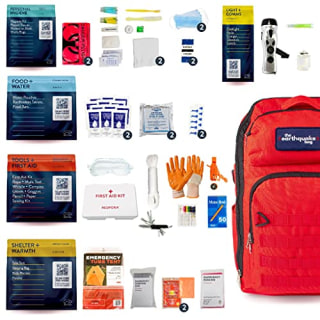
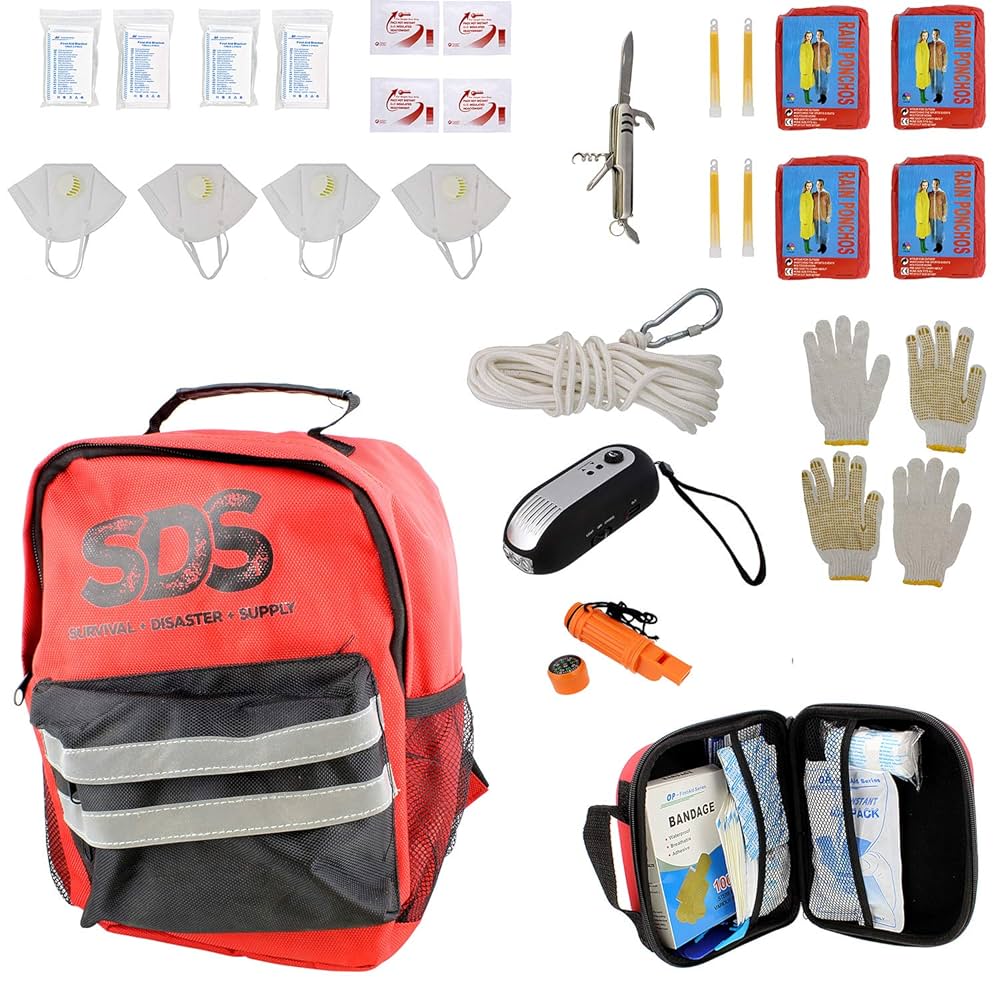
Credit: www.nbcnews.com
Basic Survival Tools
Basic survival tools are the foundation of any survival kit. These items help you handle essential tasks like cutting, lighting fires, and navigating in the dark. Without these tools, staying safe and comfortable in an emergency becomes much harder.
Multi-tool And Knife
A multi-tool combines several functions into one compact device. It usually includes pliers, screwdrivers, scissors, and a knife blade. Having a sharp knife is crucial for cutting ropes, preparing food, or making shelter.
In my experience, a good multi-tool saved me during a camping trip when I needed to fix gear quickly. Think about what you might need to do with your hands—cutting, opening cans, or tightening screws—and choose your tool accordingly.
Fire Starters
Starting a fire can be challenging, especially in wet or windy conditions. Fire starters like waterproof matches, lighters, or ferro rods ensure you can create warmth and signal for help. Carry at least two types to avoid being stuck without a flame.
One time, I struggled with damp wood until I used a ferro rod that sparked even in the rain. What fire-starting methods do you trust the most? Test them in different weather before you rely on them in an emergency.
Flashlight And Batteries
A reliable flashlight lights your way and helps you avoid accidents in darkness. Choose LED flashlights for longer battery life and brighter light. Always pack extra batteries and check them regularly to avoid surprises.
Imagine being stuck in the dark without a light—scary and unsafe. How often do you check your flashlight and batteries? Keeping these ready can make a huge difference when you need them most.

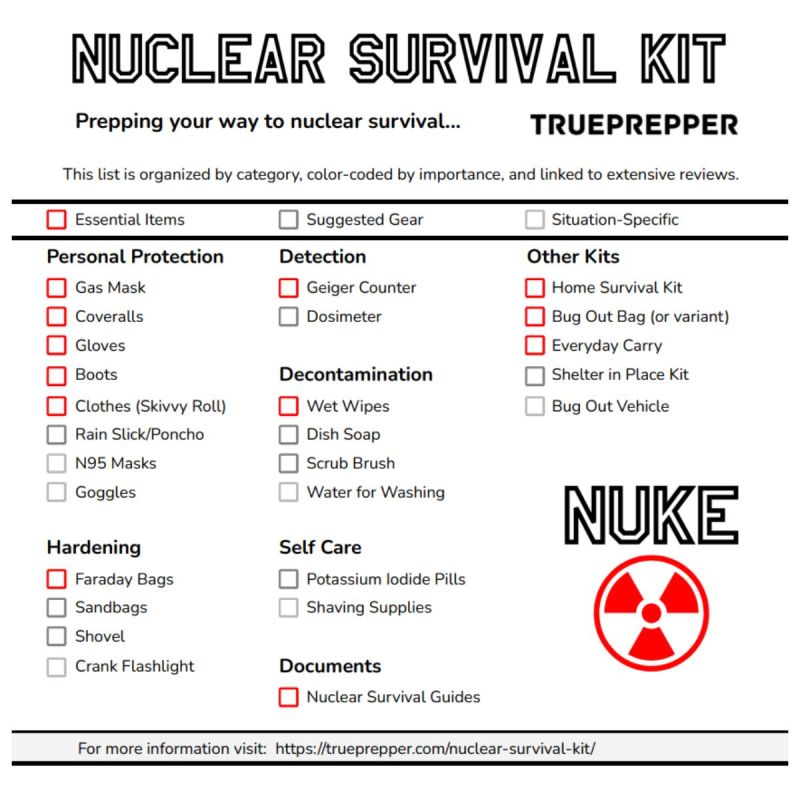
Credit: trueprepper.com
Shelter And Warmth
Shelter and warmth are vital in any survival situation. Protecting your body from cold and harsh weather keeps you alive and prevents injuries like hypothermia. A good survival kit includes items that help you stay dry, warm, and safe. Each item serves a special purpose to create a safe space and keep body heat from escaping.
Emergency Blanket
An emergency blanket is lightweight and compact. It reflects body heat back to you, keeping you warm in cold conditions. Made from thin, heat-reflective material, it also shields against wind and rain. Carry one in your kit to quickly create a warm barrier.
Tarp Or Tent
A tarp or tent provides solid shelter from rain, wind, and sun. A tarp is flexible and can be set up in many ways, using trees or poles. Tents offer more protection and keep insects out. Both items create a dry space to rest and recover.
Extra Clothing
Extra clothing is essential for staying warm as temperatures drop. Pack layers like thermal shirts, socks, and hats. Dry clothes help prevent chills and keep your body temperature stable. Choose clothes made of wool or synthetic fibers for better insulation.
Food And Water Supplies
Food and water supplies are the backbone of any survival kit. Without reliable access to nourishment and hydration, your chances of enduring an emergency sharply decrease. Preparing these essentials thoughtfully can keep you energized and safe in uncertain situations.
Water Purification Methods
Safe drinking water is crucial. Carrying a water purifier or purification tablets helps you turn unsafe water into a life-saving resource. You can also use portable filters to remove bacteria and sediment quickly.
Have you ever tried boiling water during a camping trip? It’s a straightforward way to kill germs but requires fuel and time. Chemical tablets or UV light purifiers offer faster alternatives when you’re on the move.
Non-perishable Food
Choose foods that last long without refrigeration and provide good energy. Items like canned beans, dried fruits, nuts, and energy bars are excellent choices. They’re easy to pack and can sustain you for days if necessary.
Think about your personal tastes—if you dislike certain foods, you’re less likely to eat them during stress. Include a variety of flavors and textures to keep your morale high when every bite counts.
Portable Water Container
A sturdy, lightweight water container is essential. It lets you collect, store, and carry water wherever you go. Collapsible bottles or hydration bladders save space and are convenient for quick access.
Consider how much water you’ll need daily—around one gallon per person is a good rule. Having enough storage capacity can make a big difference in an emergency.
First Aid Essentials
First aid essentials form the backbone of any survival kit. They help you manage injuries and prevent infections until professional help arrives. Without the right supplies, a simple cut or burn can turn into a serious problem.
Bandages And Dressings
Bandages and dressings protect wounds from dirt and bacteria. You should include various sizes of adhesive bandages for small cuts and butterfly closures for deeper wounds. Sterile gauze pads and rolls are must-haves to cover larger injuries and control bleeding.
Think about how quickly a scraped knee can get worse without protection. Having the right bandages on hand means you can act fast and keep wounds clean.
Antiseptics And Ointments
Cleaning wounds properly reduces the risk of infection. Antiseptic wipes, hydrogen peroxide, or iodine solutions are effective for disinfecting cuts and scrapes. Applying antibiotic ointments afterward helps speed healing and keeps bacteria away.
Imagine being outdoors and getting a splinter. You want to clean it immediately and apply ointment to avoid complications. These small steps can save you from bigger issues later.
Medications And Tools
Include basic medications like pain relievers, antihistamines, and anti-inflammatory pills. Tools such as tweezers, scissors, and safety pins are crucial for removing debris and securing dressings. A digital thermometer can also help you monitor fevers, which may signal infection.
Have you ever needed a pair of scissors or tweezers and didn’t have them? These simple tools make a big difference when treating injuries on the spot.
Navigation And Communication
Navigation and communication tools are essential in any survival kit. They help you find your way and call for help. Without these, you might get lost or stay stranded longer.
Reliable navigation tools guide you through unfamiliar areas. Communication devices let you signal for rescue or stay updated on weather and emergencies.
Compass And Maps
A compass is a simple tool that shows direction. It works without batteries and helps you stay on course. Pair it with detailed maps of your area. Maps show terrain, landmarks, and routes. Together, they help you navigate safely.
Whistle And Signal Mirror
A whistle is loud and carries far. Use it to alert others nearby without shouting. A signal mirror reflects sunlight to catch attention from a distance. Both are lightweight and easy to carry. They are vital for drawing help quickly.
Emergency Radio
An emergency radio keeps you informed during disasters. It receives weather alerts and emergency broadcasts. Some radios have hand cranks or solar panels for power. This ensures you get updates even without batteries or electricity.
Personal Safety Items
Personal safety items in your survival kit are crucial for protecting yourself from immediate threats and environmental hazards. These items go beyond basic first aid by helping you avoid infections, irritations, and other dangers that can worsen your situation. You might not always think about these essentials, but having them can make a significant difference in your comfort and safety.
Gloves And Masks
Protecting your hands and face is often overlooked, yet it’s essential in survival situations. Durable gloves shield you from cuts, scrapes, and harmful substances when gathering firewood or clearing debris. Masks, especially N95 or similar, help filter out dust, smoke, and airborne particles, keeping your lungs safe during fires or dusty conditions.
I once helped a friend clear brush during a wildfire evacuation, and the simple act of wearing gloves and masks saved us both from respiratory issues and painful scratches. Think about your environment—what hazards could you face that make gloves and masks vital?
Insect Repellent
Insects carry diseases and cause discomfort, which can drain your energy and focus. A reliable insect repellent prevents bites from mosquitoes, ticks, and other pests, reducing risks of infections like Lyme disease or West Nile virus. Choose repellents with DEET or natural alternatives like oil of lemon eucalyptus for effective protection.
During a camping trip, ignoring insect repellent led to several itchy bites that kept me awake all night. Would you want to face sleepless nights and potential illnesses when a small bottle of repellent can keep you safe?
Sun Protection
Sunburn and heatstroke can quickly become serious problems without proper protection. Sunscreen with at least SPF 30 guards your skin from harmful UV rays, while a wide-brimmed hat and sunglasses protect your face and eyes. Staying protected helps maintain your stamina and focus, critical in survival scenarios.
After underestimating the sun on a long hike, I learned the hard way how painful sunburn can slow you down. What steps can you take today to shield yourself from the sun’s impact during your next outdoor adventure?
Additional Useful Gear
Additional useful gear can make a survival kit more versatile and effective. These items help solve small problems and improve comfort. They add value without taking much space or weight.
Paracord
Paracord is a strong, lightweight rope. It can hold heavy loads or secure shelter. Use it for fishing, tying gear, or making traps. Paracord is easy to carry and very useful in many situations.
Duct Tape
Duct tape fixes tears, cracks, and leaks fast. It can mend clothes, boots, and even gear. Use it to seal wounds or make a shelter waterproof. This tape is strong and sticks to many surfaces.
Notepad And Pencil
A notepad and pencil help record important information. Write maps, notes, or emergency messages. Paper lasts longer and works in many conditions. A pencil won’t run out like a pen might.

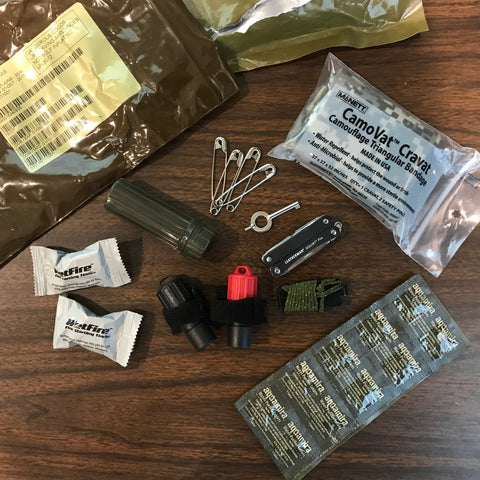
Credit: unchartedsupplyco.com
Frequently Asked Questions
What Are The Essential Items In A Survival Kit?
Essential items include water, food, first aid supplies, fire starters, a knife, and a flashlight. These basics help you stay safe, hydrated, and prepared in emergencies. Including multi-tools and signaling devices enhances survival chances.
How Do Survival Kits Help In Emergencies?
Survival kits provide crucial tools for shelter, warmth, hydration, and first aid. They ensure you can manage basic needs and signal for help. Having these items ready reduces panic and increases your ability to survive until rescue.
What Food Should Be In A Survival Kit?
Include non-perishable, high-energy foods like energy bars, dried fruits, nuts, and canned goods. These foods provide essential calories and nutrients. They are lightweight, easy to store, and have a long shelf life, ideal for emergencies.
Why Is Water Important In A Survival Kit?
Water prevents dehydration, which can be life-threatening quickly. Always include bottled water or water purification tools. Access to clean water is vital for drinking, cooking, and hygiene during survival situations.
Conclusion
A good survival kit holds the key to safety in emergencies. It includes food, water, tools, and first aid supplies. Each item serves a clear purpose and can save lives. Preparing your kit carefully means you stay ready for unexpected events.
Keep it updated and check items often. Being prepared brings peace of mind and confidence. Stay safe by carrying the right survival gear every day. Simple steps make a big difference when disaster strikes.