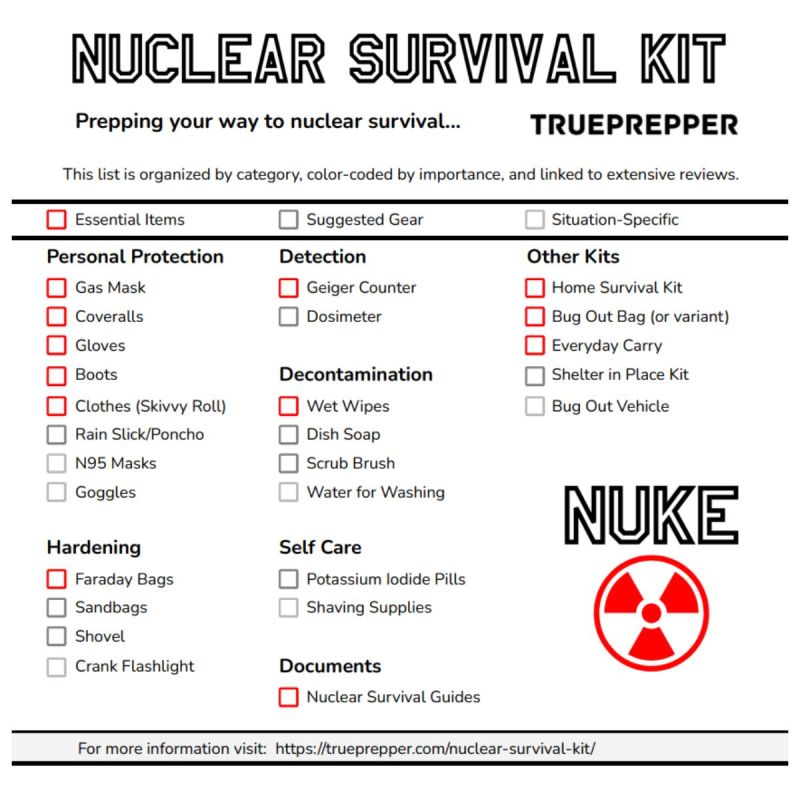
Imagine facing an emergency without the right tools to keep you safe and comfortable. What would you do?
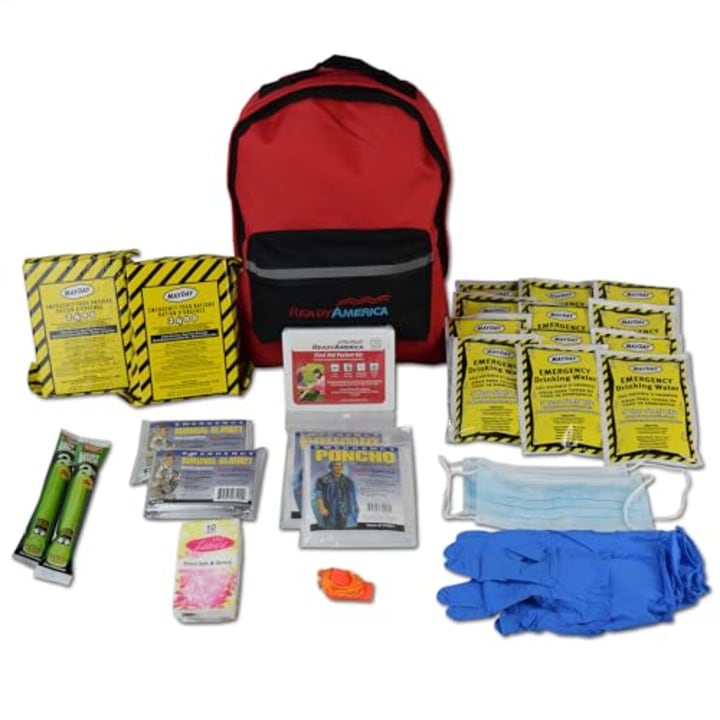
Having a well-prepared survival kit can make all the difference when unexpected situations arise. But what exactly do you need to include in your survival kit to be ready for anything? This guide will walk you through the essential items you should have, helping you feel confident and prepared no matter what comes your way.
Keep reading to discover how to build a survival kit that truly works for you.
Basic Survival Needs
Basic survival needs focus on the essentials that keep you alive in tough situations. Your survival kit must cover water, food, and shelter. These elements protect your body and give you strength to face challenges.
Without clean water, your body fails quickly. Food provides energy to keep moving and thinking. Shelter protects you from harsh weather and keeps you warm.
Water And Hydration Tools
Water is the most critical resource for survival. Include items that help you store, filter, and purify water. A durable water bottle, water purification tablets, and a portable filter are essential. These tools ensure access to safe drinking water anywhere.
Food And Nutrition Supplies
Food gives energy and maintains your strength. Pack lightweight, non-perishable items like energy bars, dried fruits, and nuts. Choose foods high in calories and nutrients. Avoid heavy or perishable items that spoil quickly.
Shelter And Warmth Essentials
Protection from cold and rain is vital. Include a compact tent, emergency blanket, or tarp. Warm clothing and a sleeping bag add extra protection. These items help maintain body heat and prevent hypothermia.

Credit: www.youtube.com
Navigation And Communication Gear
Having reliable navigation and communication gear in your survival kit can make all the difference when you’re lost or in an emergency. These tools help you find your way and alert others to your location quickly and effectively. Without them, even a short hike could turn into a dangerous situation.
Maps And Compasses
A detailed map and a sturdy compass are essential for navigation. Electronic devices can fail or run out of battery, but a compass and map never do.
Choose a topographic map that shows terrain features, trails, and water sources. Practice reading your map and using your compass before you need them. It’s surprising how many people carry these items but don’t know how to use them when it counts.
Keep your compass accessible and protected, and consider a compass with a sighting mirror for more precise navigation. Would you trust your GPS alone if you found yourself off the grid?
Emergency Signaling Devices
When you need to call for help, clear and loud signals can save precious time. Include devices like a whistle, signal mirror, and flare in your kit.
- Whistle:Can be heard over long distances and requires no batteries.
- Signal Mirror:Reflects sunlight to catch the attention of rescuers from miles away.
- Flares:Provide bright, visible signals, especially useful at night or in low visibility.
These tools don’t take up much space, but their impact is huge. Think about the last time you needed help—would you have been able to get someone’s attention quickly?
First Aid And Health Items
First aid and health items are essential for any survival kit. They help treat injuries and prevent infections. Proper care can save lives in emergencies. Every kit should include supplies for basic medical needs and personal medications.
Basic Medical Supplies
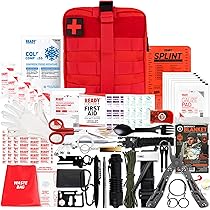
- Bandages of various sizes to cover wounds
- Adhesive tape to secure dressings
- Antiseptic wipes to clean cuts and scrapes
- Gauze pads for bleeding control
- Scissors and tweezers for cutting and removing debris
- Disposable gloves to prevent infection
- Instant cold packs to reduce swelling
- CPR face shield for safe resuscitation
- Thermometer to check for fever
Personal Medications
Include any prescription medicines you regularly use. Pack them in labeled containers.
Consider over-the-counter drugs such as:
- Pain relievers like ibuprofen or acetaminophen
- Allergy medicine to reduce reactions
- Anti-diarrheal pills for digestive issues
- Antacids to soothe stomach upset
- Any vitamins or supplements you need daily
Keep a list of medications and dosages. Update it regularly. This helps in emergencies.
Tools And Equipment
Your survival kit’s effectiveness often hinges on the quality and variety of tools and equipment you carry. These items help you tackle unexpected challenges, from making shelter to preparing food. Choosing the right tools ensures you’re ready for any situation without overloading your kit with unnecessary gear.
Knives And Multi-tools
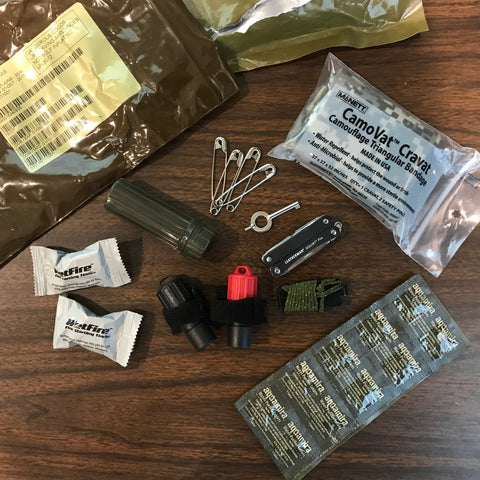
A sharp, reliable knife is the cornerstone of any survival kit. It can cut rope, prepare food, or even assist in first aid. Look for knives with a fixed blade for durability, but a good multi-tool adds versatility with pliers, screwdrivers, and scissors packed into one compact device.
Think about the last time you needed to fix something quickly. Having a multi-tool saved me hours when a tent pole snapped during a camping trip. Could you manage without one when every second counts?
Fire Starting Kits
Fire is crucial for warmth, cooking, and signaling. A solid fire starting kit should include waterproof matches, a lighter, and a fire steel or ferro rod. These tools give you multiple options to ignite a fire, even in wet conditions.
Don’t rely on just one method. I learned this the hard way when my matches got soaked and only my ferro rod saved the day. What’s your backup plan if your primary fire source fails?
Cordage And Repair Materials
Cordage like paracord serves many purposes: building shelters, making traps, or securing gear. It’s lightweight yet incredibly strong, making it essential for your kit. Adding duct tape and needle with thread can help you fix torn clothing or gear on the spot.
Imagine being miles from help and your backpack strap breaks. Having cordage and repair tools lets you fix it quickly and keep moving. How prepared are you to handle unexpected gear failures in the wild?
Clothing And Personal Protection
Clothing and personal protection are crucial parts of your survival kit. They do more than just keep you warm or safe; they can help you avoid injuries, illnesses, and discomfort in harsh conditions. Think about the last time you were caught in unexpected weather—how much difference did your clothing make? Your survival kit should prepare you for that kind of unpredictability.
Weather-appropriate Clothing
You need clothing that matches the environment you expect to face. If you live in a cold area, pack thermal underwear, insulated jackets, and waterproof layers to keep dry and warm. In hot climates, lightweight, breathable fabrics that protect you from the sun are key.
Remember, layering is essential. Start with a moisture-wicking base layer to keep sweat off your skin. Add a middle layer for insulation, like fleece or wool. Finally, use a shell layer that blocks wind and rain.
- Choose quick-drying clothes to avoid hypothermia risks.
- Include a hat and gloves—they protect extremities where heat escapes fastest.
- Always have an extra pair of socks; wet feet can cause blisters and infections.
Protective Gear
Protection goes beyond clothing. You need gear that shields you from physical harm and environmental hazards. Think gloves to handle rough objects or thorny plants safely.
Eye protection is often overlooked but vital. Dust, debris, and bright sunlight can impair your vision or cause injury. Pack sturdy sunglasses or safety goggles.
- A durable helmet or hard hat can protect you during falls or when moving through dense forest.
- Knee and elbow pads may save you from scrapes and bruises if you need to crawl or climb.
- Consider a multi-purpose face mask that can filter dust and also serve as warmth or sun protection.
Have you ever thought about how many injuries happen due to lack of simple protective gear? Your survival kit should close that gap. What protective item do you find most essential based on your environment?
Credit: www.amazon.ca
Additional Survival Essentials
Beyond the basics of food, water, and shelter, your survival kit needs some additional essentials to keep you safe and comfortable. These items might not seem urgent at first, but they can make a huge difference when you’re in a tough spot. Think about what you might need after dark, how to stay clean, and how to keep important information close.
Lighting And Batteries
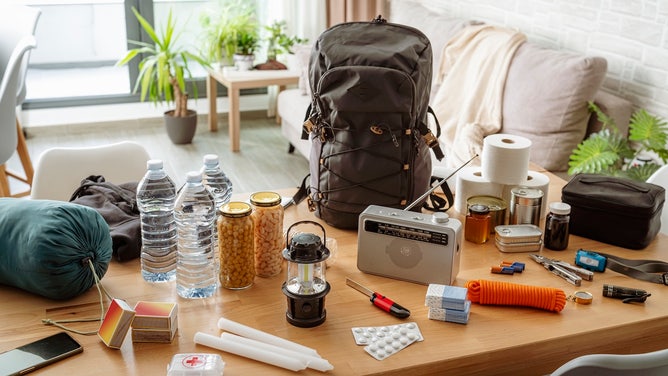
Reliable light sources are vital. A flashlight or headlamp helps you move safely at night and signals for help if needed. Don’t forget extra batteries—without them, your light can fail when you need it most.
Consider LED lights because they use less power. Also, a small solar charger or hand-crank flashlight can be lifesavers if batteries run out. Have you ever been stuck in the dark wishing you had a working light? This is exactly why you add multiple lighting options to your kit.
Personal Hygiene Items
Staying clean might not seem important during survival, but it prevents infections and boosts morale. Pack items like toothbrushes, toothpaste, soap, hand sanitizer, and feminine hygiene products if needed.
Think about small, travel-sized containers to save space. Including a quick-dry towel can also help you stay fresh. Personal hygiene is often overlooked, but it can protect your health in unexpected ways.
Important Documents And Cash
Keep copies of your ID, insurance papers, medical records, and emergency contacts in a waterproof pouch. Digital backups on a USB drive can also be helpful if you have access to a device.
Cash is crucial since electronic payment systems might be down. Store small bills and coins in a secure place. Have you ever tried to buy essentials only to find cards or phones useless? This is why cash and documents are part of your survival essentials.
Credit: www.foxweather.com
Frequently Asked Questions
What Are The Essential Items For A Survival Kit?
A survival kit must include water, food, a first aid kit, and a reliable shelter. Also, pack a flashlight, multi-tool, and fire-starting materials for emergencies.
How Much Water Should I Pack In A Survival Kit?
Pack at least one gallon of water per person per day. This amount covers drinking and basic hygiene needs during emergencies.
What Food Types Are Best For Survival Kits?
Choose non-perishable, high-energy foods like canned goods, nuts, and energy bars. These items are lightweight and have a long shelf life.
Why Is A First Aid Kit Important In Survival Kits?
A first aid kit helps treat injuries quickly, preventing infection and complications. It should include bandages, antiseptics, pain relievers, and essential medications.
Conclusion
A good survival kit keeps you ready for any emergency. Include water, food, first aid, and tools. Keep it simple but complete. Check your kit often to replace old items. Being prepared brings peace of mind and safety. Start building your kit today to stay safe tomorrow.
Small steps can make a big difference. Stay ready, stay safe.