Imagine being caught in an unexpected situation where help is far away. What would you do?
Having a survival kit ready could make all the difference between staying safe or facing serious trouble. Your survival kit is more than just a box of tools—it’s your lifeline when things go wrong. You’ll discover exactly what you need to include in your kit, why each item matters, and how to prepare yourself for any emergency.
Keep reading, because being prepared could save your life.
Choosing The Right Backpack
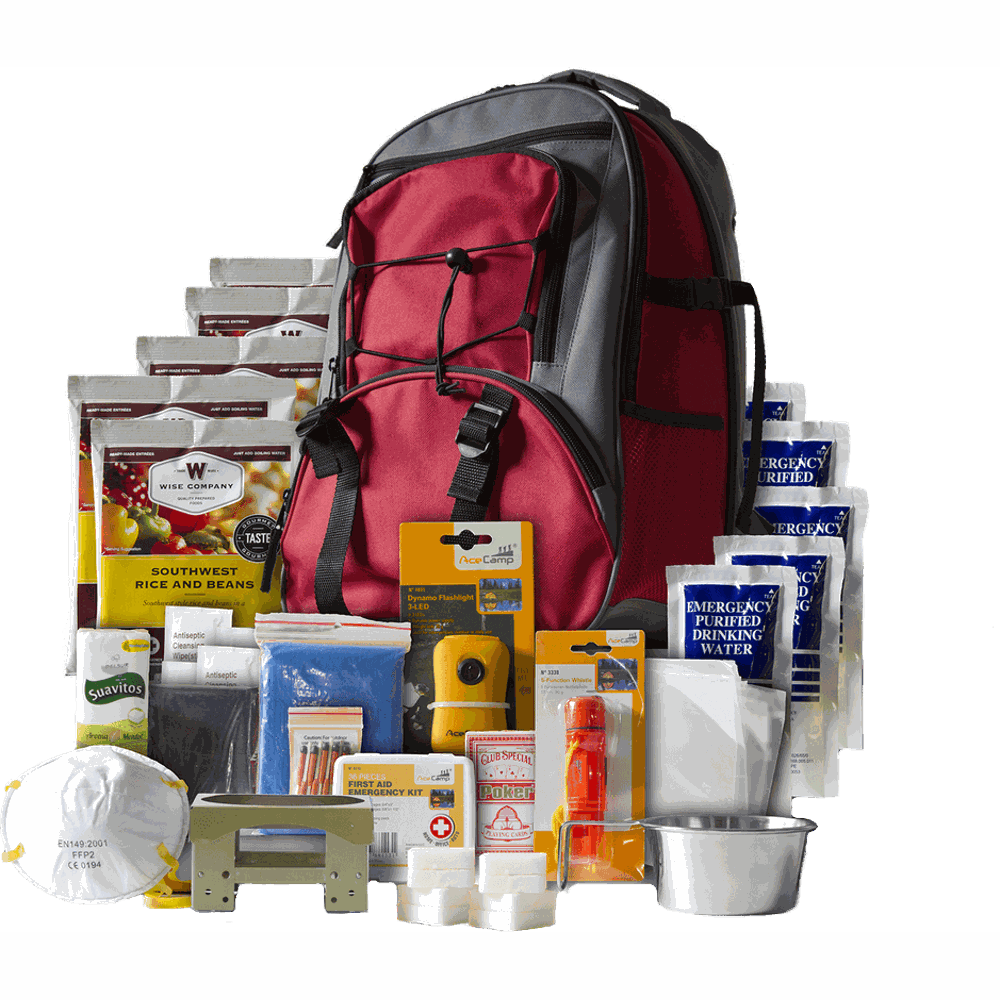
Choosing the right backpack is crucial for your survival kit. It holds your essential items and keeps them safe. A well-chosen backpack makes carrying easier and more comfortable. Consider key features before making your choice.
Size And Capacity
The backpack size depends on how much gear you carry. Small backpacks fit basic supplies for short trips. Larger backpacks hold more items for longer trips. Balance size with your needs to avoid carrying too much weight. Check the capacity in liters to match your survival kit.
Comfort And Durability
Comfort is vital for long hours of wear. Look for padded shoulder straps and a supportive back panel. Adjustable straps help fit the backpack snugly. Durability matters for rough conditions. Choose backpacks made from strong materials like nylon or polyester. Reinforced seams prevent tears and damage.
Water Resistance
Water resistance protects your gear from rain or spills. Some backpacks have built-in water-resistant coatings. Others come with a rain cover for added protection. Make sure your backpack keeps contents dry in wet environments. Dry gear means better survival chances.
Credit: www.deseretbook.com
Navigation Tools
Navigation tools are essential in any survival kit. They help you find your way in unfamiliar places. Knowing your location and direction can save time and energy. This knowledge also increases your chance of safety.
Maps And Compass
Maps show the layout of the land. They include trails, rivers, mountains, and other key features. A compass points to magnetic north. Using both together helps you stay on course. They do not need batteries or signals. Learning to read maps and use a compass is a valuable skill for survival.
Gps Devices
GPS devices use satellites to give exact locations. They offer real-time guidance and track routes. Many have built-in maps and emergency features. Batteries limit their use, so carry spares or a charger. GPS devices provide quick and easy navigation in various conditions.
Signal Mirrors And Whistles
Signal mirrors reflect sunlight to attract attention. They work over long distances and need no power. Whistles create loud sounds to signal for help. They are lightweight and easy to carry. Both tools increase your chances of rescue by making your location known.
Fire Starting Essentials
Fire is a vital tool in any survival situation. It provides warmth, cooks food, and signals for help. Having the right fire starting essentials increases your chances of success in the wild. Prepare your kit with reliable and easy-to-use items. Safety and efficiency are key.
Matches And Lighters
Matches are a classic fire starter and should be waterproof or windproof. Carry extra boxes to avoid running out. Lighters are compact and easy to use. Choose a sturdy, refillable lighter for long-term use. Both tools work best when kept dry and protected.
Fire Starters And Tinder
Tinder catches flames quickly and helps start a fire fast. Use dry leaves, small twigs, or commercial fire starters. Cotton balls soaked in petroleum jelly are excellent tinder. Fire starters like wax-coated wood shavings burn longer. Keep these materials dry and stored in a waterproof container.
Safety Tips For Fire Making
- Clear the area of leaves and debris before lighting a fire.
- Build a fire ring with stones to contain flames.
- Never leave a fire unattended.
- Keep water or dirt nearby to extinguish the fire quickly.
- Extinguish the fire completely before leaving the site.
Shelter And Sleeping Gear
Shelter and sleeping gear are vital in any survival kit. They protect you from harsh weather and help you rest well. Staying dry and warm can save your life. The right equipment also boosts your comfort and energy levels. Here are the key items to include.
Tents And Tarps
Tents provide strong protection from wind and rain. They are easy to set up and offer a private space. Choose lightweight tents for easy carrying. Tarps are flexible and can create quick shelters. They work well as rain covers or ground mats. Both tents and tarps help you stay dry and shielded.
Sleeping Bags And Pads
Sleeping bags keep your body heat trapped at night. Pick bags rated for the coldest temperature you might face. Sleeping pads add cushioning and insulation from the cold ground. They improve comfort and prevent heat loss. Together, bags and pads create a warm, cozy place to sleep.
Emergency Blankets
Emergency blankets are compact and very light. Made from reflective material, they keep heat close to your body. Use them inside tents or as a quick wrap outside. They also protect from wind and rain. Having an emergency blanket adds extra warmth in tough conditions.
Water Procurement And Purification
Securing safe drinking water is crucial in any survival situation. Without it, your body can only last a few days. Knowing how to find, carry, and purify water can make the difference between discomfort and danger.
Water Bottles And Containers
Carrying the right containers ensures you have access to water whenever you find it. Look for bottles made of durable, BPA-free plastic or stainless steel. Collapsible water bladders save space and are lightweight, but be sure they are easy to clean.
Keep in mind that wide-mouth bottles are easier to fill from streams or rain. Using containers with secure lids prevents leaks and contamination. Have multiple containers so you can store both untreated and purified water separately.
Filters And Purification Tablets
Filters remove dirt, parasites, and bacteria, making water safer to drink. Portable pump filters and straw filters are popular choices for survival kits because they are lightweight and effective. Always check the filter’s pore size; 0.2 microns or smaller is best for removing harmful microbes.
Purification tablets offer a backup when filters fail or water is murky. Tablets using iodine or chlorine dioxide kill bacteria and viruses quickly. Remember that some tablets need time to work—usually 30 minutes to 4 hours—so plan ahead.
Finding Water Sources
Not all water looks safe, but nature often provides hidden sources. Look for flowing water like streams and rivers first, as moving water tends to be cleaner. Rainwater and dew collected from leaves can also supply fresh water.
Be cautious around stagnant water or ponds; these often contain harmful bacteria. Digging near dry riverbeds might reveal underground water. Ask yourself, where has water pooled recently? Your survival depends on your ability to spot these clues quickly.
Food And Cooking Tools
Food and cooking tools are essential parts of any survival kit. They ensure you stay nourished and energized during emergencies. Proper food choices and reliable cooking tools make survival easier and safer.
Non-perishable Food Choices
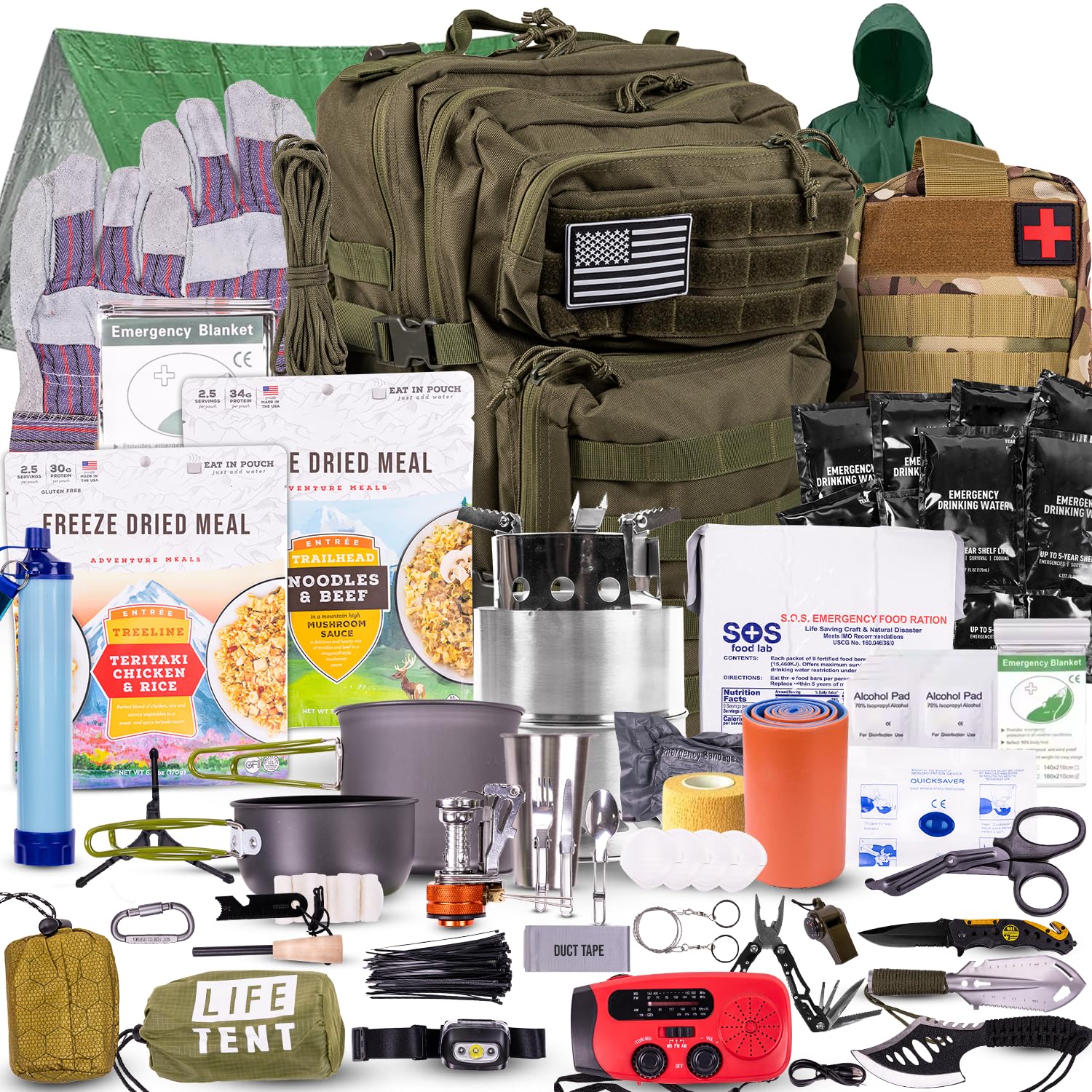
Choose foods that last long without refrigeration. Canned goods like beans and vegetables are good options. Dry foods such as rice, pasta, and oats store well. Nuts, dried fruits, and jerky provide energy and nutrients. Freeze-dried meals are lightweight and easy to carry. Avoid foods that spoil quickly or need special storage.
Portable Stoves And Utensils
A small portable stove is vital for cooking and boiling water. Compact gas or solid fuel stoves work well. Carry lightweight pots and pans for cooking. Include basic utensils like a spoon, fork, and knife. Multi-use tools save space and add convenience. Always test your stove before emergencies.
Food Storage Tips
Store food in airtight containers to keep moisture and pests out. Use vacuum-sealed bags for longer shelf life. Label containers with dates to track freshness. Keep food in a cool, dark place to avoid spoilage. Rotate your stock regularly to use older items first. Organize your kit for quick access during urgent times.
First Aid Supplies
First aid supplies are the heart of any survival kit. They prepare you for unexpected injuries and health issues that can occur anywhere. Having the right items at hand can make a crucial difference in how you handle emergencies.
Basic Medical Items
Your survival kit should include essential items that cover a wide range of minor injuries. Think of adhesive bandages in various sizes, sterile gauze pads, and medical tape to secure dressings. Don’t forget antiseptic wipes or solution to clean wounds and prevent infection.
Adding a pair of disposable gloves protects both you and the injured person from germs. A pair of scissors and tweezers come in handy for cutting tape or removing splinters. These basic items can help you manage simple cuts, scrapes, and blisters effectively.
Injury Management
What would you do if someone suffered a deep cut or a sprained ankle? Your kit should include items like an elastic bandage for support and compression. A triangular bandage can serve multiple purposes, from making a sling to immobilizing limbs.
Consider packing a cold pack or instant ice pack to reduce swelling and pain quickly. Pain relievers such as ibuprofen or acetaminophen are vital to ease discomfort. Carrying a CPR face shield or mask also prepares you for emergencies involving breathing or cardiac arrest.
Allergy And Medication Considerations
Do you or your family members have allergies or specific medical needs? Including antihistamines can help counter allergic reactions, which can escalate rapidly. If anyone relies on prescription medications, make sure to pack enough for your trip, along with a list of those medicines.
Keep an EpiPen if prescribed, and ensure you know how to use it before an emergency arises. It’s better to be over-prepared than caught off guard when allergies strike. How will you manage your health if medical help is hours away?
Multi-tools And Knives
Multi-tools and knives are the backbone of any survival kit. Their compact design and multiple functions make them invaluable in emergencies. Whether you’re cutting rope, preparing food, or making shelter, having reliable tools at your fingertips can make a huge difference.
Essential Features
Look for multi-tools with strong, rust-resistant blades. Stainless steel is a popular choice because it holds an edge and withstands moisture. You’ll want a comfortable grip that won’t slip, especially when your hands are wet or cold.
Essential tools often include:
- Blade (straight or serrated)
- Pliers
- Screwdrivers
- Can opener
- Wire cutters
Ask yourself: Do you need a lightweight tool for hiking, or something heavier for more demanding tasks? Choose what fits your survival scenarios best.
Maintenance And Safety
Keeping your multi-tools and knives sharp is crucial. A dull blade can slip and cause injuries, while a sharp one cuts efficiently. Regularly clean your tools after use, especially after exposure to dirt or moisture.
Always store your knives safely to avoid accidents. Use sheaths or built-in locking mechanisms to keep blades secure. Have you ever experienced a preventable injury from a poorly maintained knife? Proper care can save you from that.
Versatile Uses
These tools do more than just cut. You can fix gear, open cans, build shelters, or even start fires with the right attachments. A quality multi-tool adapts to countless situations.
Imagine needing to repair a broken zipper or tighten a loose screw on your backpack. Your multi-tool becomes your go-to helper instantly. How many survival tasks could you handle without one?
Clothing And Protective Gear
Your choice of clothing and protective gear can make a huge difference in a survival situation. It’s not just about keeping warm or dry; it’s about adapting to changing conditions and staying safe from environmental hazards. The right gear helps you conserve energy and avoid injuries, which can be lifesaving when resources are limited.
Layering Techniques
Layering is essential for managing your body temperature effectively. Start with a moisture-wicking base layer to keep sweat off your skin. Add an insulating middle layer, like fleece or wool, to trap heat.
Finish with a waterproof and windproof outer layer to protect against the elements. You can remove or add layers quickly as the weather changes, which keeps you comfortable without overheating or getting chilled. Have you ever tried hiking in just one thick jacket? It often leads to sweating and then freezing once you stop moving.
Weather-appropriate Clothing
Your clothing needs to match the environment you’re in. In cold weather, focus on insulation and wind protection. Avoid cotton because it holds moisture and cools you down.
In hot climates, wear lightweight, breathable fabrics that allow sweat to evaporate. Loose-fitting clothes can also help you stay cool by improving air circulation. Think about how a heavy jacket in summer slows you down and increases your risk of heatstroke.
Sun And Insect Protection
Sunburn and insect bites can quickly turn a tough situation into a dangerous one. Use long sleeves and pants made from tightly woven fabric to shield your skin.
A wide-brimmed hat can protect your face and neck from harmful UV rays. Don’t forget insect repellent or clothing treated with permethrin to keep bugs at bay. Have you noticed how a few mosquito bites can ruin your focus and energy during outdoor activities?
Communication Devices
Communication devices are essential in any survival kit. They keep you connected when traditional networks fail. Choosing the right device can make a difference between being rescued quickly or waiting in uncertainty.
Two-way Radios
Two-way radios offer reliable short-range communication without relying on cell towers. They are perfect for staying in touch with your group during outdoor adventures or emergencies.
Look for radios with a good range, weather resistance, and easy-to-use controls. Some models include channels dedicated to emergency services, giving you extra security.
Have you ever been in a situation where your phone died, but a simple radio helped you coordinate with others? Those moments prove how valuable these devices can be.
Satellite Phones
Satellite phones provide global coverage, making them indispensable in remote areas. Unlike cell phones, they connect directly to satellites, allowing you to call for help anywhere on Earth.
They can be pricey and require a subscription, but in critical situations, their reliability is unmatched. Carrying a satellite phone means you’re prepared even when no cell towers exist.
Consider how often you venture off-grid. Is having a satellite phone worth the investment for your peace of mind?
Emergency Beacons
Emergency beacons are small devices that send distress signals to rescue authorities. They often include GPS coordinates, speeding up search and rescue operations.
There are Personal Locator Beacons (PLBs) and Satellite Messengers, both designed to alert rescuers with a single press of a button. These devices are lightweight and easy to carry.
Imagine being stranded in a wilderness area with no way to call for help. An emergency beacon can be your lifeline, turning a dire situation into a manageable one.
Light Sources
Light sources are essential in any survival kit. They provide visibility in darkness and help signal for help. Choosing the right light source can make a big difference in emergency situations.
Reliable lighting boosts safety and comfort outdoors. It also helps conserve energy and extends battery life. Packing a variety of lights ensures you are prepared for different needs.
Flashlights And Headlamps
Flashlights offer focused beams and easy handling. They are perfect for searching or navigating at night. Headlamps free up your hands and provide steady light direction. Both should be compact and durable for rough conditions.
Extra Batteries And Charging
Carry extra batteries to keep lights working longer. Store them in waterproof containers to avoid damage. Rechargeable batteries save money and reduce waste. Portable chargers or solar panels help recharge devices off-grid.
Alternative Lighting Options
Candles and glow sticks serve as backup lights. They provide soft, continuous light for several hours. Chemical light sticks work well in wet or windy places. Lanterns illuminate larger areas and create a warm atmosphere.
Credit: www.amazon.com

Credit: www.emergencyzone.com
Frequently Asked Questions
What Essential Items Should A Survival Kit Include?
A survival kit should include water, food, a first aid kit, a flashlight, a multi-tool, and fire starters. These items help you stay safe, hydrated, and prepared during emergencies.
How Do I Choose The Best Survival Kit For Emergencies?
Choose a survival kit based on your environment, the number of people, and duration of need. Look for quality, compactness, and reliable tools.
How Often Should I Check And Update My Survival Kit?
Check your survival kit every six months. Replace expired food, batteries, and medical supplies to ensure everything works properly when needed.
Can A Survival Kit Help In Natural Disasters?
Yes, a well-prepared survival kit is crucial during natural disasters. It provides essential supplies to sustain you until help arrives.
Conclusion
A survival kit can make a big difference in emergencies. It keeps you ready and safe. Choose items that suit your needs. Keep your kit updated and easy to carry. Practice using it so you feel confident. Being prepared helps reduce stress and worry.
Small steps now can protect you later. Stay aware and stay safe with your survival kit.