Imagine facing an unexpected emergency without the right tools or supplies. How would you stay safe and calm?
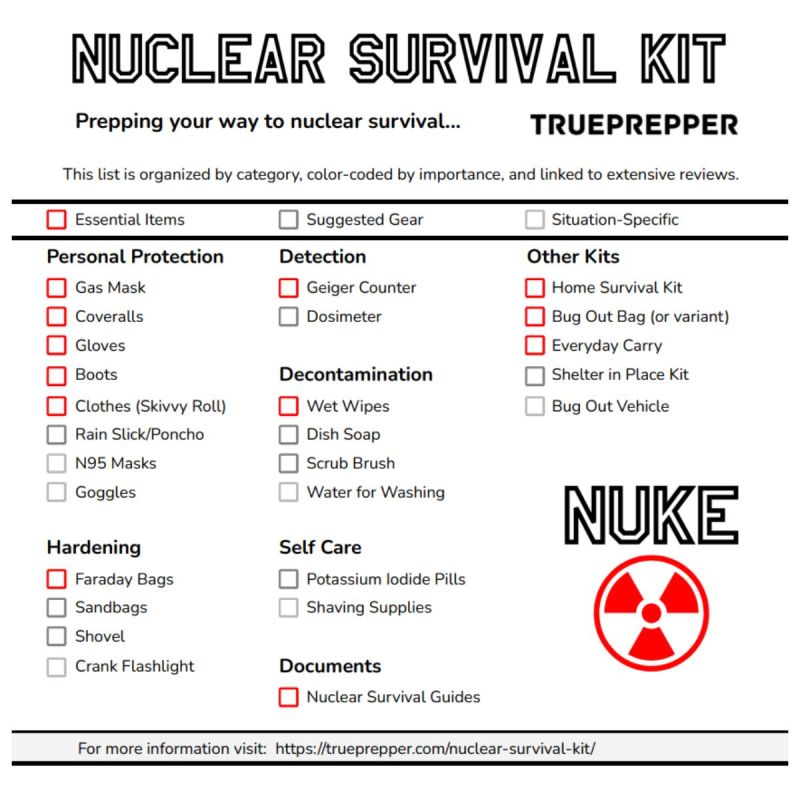
Creating a survival kit is your best way to be ready for any situation. In this guide, you’ll learn simple steps to build a kit that fits your needs and keeps you prepared. By the end, you’ll feel confident knowing you have what it takes to handle the unexpected.
Ready to take control of your safety? Let’s get started.

Credit: m.youtube.com
Choosing The Right Container
Choosing the right container is key to building a reliable survival kit. It protects your supplies and keeps them organized. The container must suit your needs for easy access and safe storage.
Durability And Size
The container should be strong enough to handle rough conditions. Look for materials like hard plastic or metal that resist impact and wear. Size matters too. It must hold all essential items without being too bulky. A compact container fits better in backpacks or vehicles.
Waterproof Options
Water can damage your supplies quickly. A waterproof container keeps everything dry and safe. Choose containers with tight seals or rubber gaskets. Some offer full waterproof ratings, protecting against heavy rain or immersion. This feature is vital for outdoor survival kits.
Portability Considerations
Easy carrying is important for a survival kit. Consider containers with handles or straps for quick transport. Lightweight materials reduce carrying fatigue. Also, think about how the container fits with your other gear. A well-designed container improves your mobility in emergencies.
Credit: www.nbcnews.com
Basic Survival Supplies
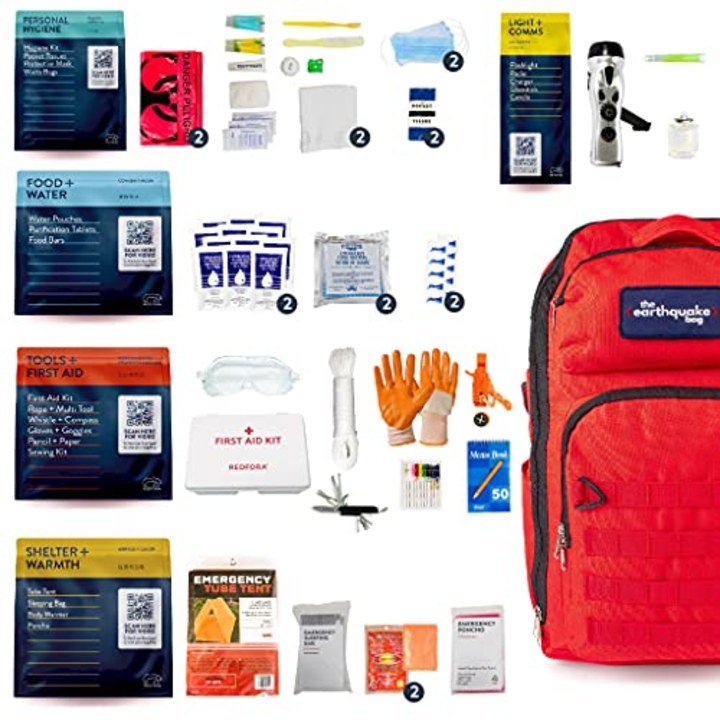
Building a survival kit starts with gathering the basic supplies that will keep you safe, healthy, and functional during an emergency. These items are your lifeline when normal resources are unavailable. Focusing on essentials like food, water, first aid, and reliable tools ensures you’re prepared for unexpected situations.
Food And Water Essentials
Food and water are your top priorities. Pack non-perishable, high-energy foods such as granola bars, nuts, dried fruits, and canned goods. These items last long and provide the fuel your body needs to stay alert.
Water is even more critical. Include at least one gallon per person per day, and add water purification tablets or a portable filter. You never know when clean water might be scarce, so having a way to purify it can make a huge difference.
First Aid Items
Your survival kit should have a well-stocked first aid kit tailored to your needs. Include basics like bandages, antiseptic wipes, pain relievers, and tweezers. Think about personal medications and allergy treatments too.
During a camping trip, I once used a simple antiseptic wipe from my kit to prevent a small cut from getting infected. That moment reminded me how crucial these small items can be in preserving your health under pressure.
Tools And Equipment
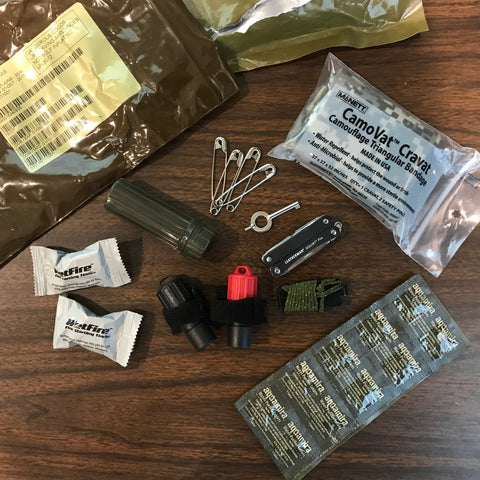
Tools enhance your ability to handle various challenges. A sturdy knife, a multi-tool, and a reliable flashlight are must-haves. Don’t forget extra batteries and a fire starter—matches or a lighter stored in a waterproof container work well.
Ask yourself: can you fix a shelter or prepare food with what’s in your kit? If not, add items like duct tape, paracord, and a compact cooking set. These practical tools can turn a tough situation into something manageable.
Clothing And Shelter
Clothing and shelter are the backbone of any survival kit. Without them, your chances of staying safe and comfortable in harsh environments drop significantly. Focusing on the right gear here can mean the difference between enduring tough conditions and facing serious risks.
Weather-appropriate Clothing
Your clothing should match the climate you’re preparing for. Think layers: a moisture-wicking base layer, an insulating middle layer, and a waterproof outer layer can keep you warm and dry. Avoid cotton—it traps moisture and chills you quickly.
Remember to pack extra socks and gloves. Dry feet and hands prevent frostbite and blisters, which can slow you down. Have you ever underestimated how crucial a simple change of socks can be during a long outdoor trip?
Include a hat and scarf to protect your head and neck from cold winds. In hot climates, lightweight, breathable fabrics and sun protection are essential. Choose neutral colors to avoid drawing unwanted attention if stealth is necessary.
Emergency Shelter Materials
Your shelter materials should be compact but effective. A lightweight tarp or emergency blanket can provide quick cover against rain or wind. Consider a small, portable tent if you expect to stay in one spot for a while.
Don’t forget cords or paracord to secure your shelter. These versatile tools help you tie down tarps or hang hammocks. What items in your kit can double as shelter supports or anchors?
Adding a groundsheet or insulated sleeping pad can keep you off cold, damp ground. Staying dry underneath is just as important as staying warm on top. Shelter isn’t just about protection—it’s about creating a space where your body can rest and recover.
Communication And Navigation
Communication and navigation tools are vital parts of a survival kit. They help you stay connected and find your way in tough situations. Without these tools, getting help or moving safely can become very hard. Preparing these items carefully improves your chances of staying safe.
Signaling Devices
Signaling devices attract attention and help rescuers find you. Choose items that are easy to use and carry. Bright, loud, and visible devices work best in emergencies.
- Whistle – loud and requires no power
- Signal mirror – reflects sunlight to attract attention
- Flare or glow sticks – visible in dark or low light
- Bright-colored cloth or flags – for daytime signaling
Maps And Compasses
Maps and compasses guide you through unfamiliar areas. A detailed map shows terrain, roads, and landmarks. A compass helps you keep the right direction.
- Topographic map – shows elevation and natural features
- Local area map – includes roads and towns
- Compass – choose one with clear markings and a rotating bezel
Practice reading maps and using a compass before emergencies. Digital devices may fail or lose power.
Emergency Contact Information
Emergency contact details help you get support quickly. Keep this information easy to find and update it regularly.
- List of family and close friends
- Local emergency services phone numbers
- Medical information, such as allergies and medications
- Important addresses, like your home or shelter locations
Write contacts on waterproof paper or store them in a sealed bag.
Personal Hygiene And Safety
Personal hygiene and safety are crucial components of any survival kit. Keeping yourself clean and protected can prevent infections and injuries that might otherwise become serious problems in an emergency. Think about how quickly a small cut or rash can turn into a larger issue without proper care.
Sanitation Supplies
Sanitation supplies help you maintain cleanliness when regular water and soap aren’t available. Include items like:
- Antibacterial wipes – great for quick hand and surface cleaning.
- Hand sanitizer – choose one with at least 60% alcohol for effectiveness.
- Travel-sized soap bars or liquid soap – they take up little space but are essential.
- Toothbrush and toothpaste – oral hygiene is often overlooked but vital.
- Feminine hygiene products – make sure to include what fits your needs.
- Disposable gloves – useful for handling waste or cleaning wounds.
Have you ever been in a situation where clean water was scarce? That’s when these supplies become lifesavers, helping you avoid sickness.
Protective Gear
Protective gear shields you from physical harm and environmental hazards. Some key items to add are:
- Face masks – they reduce exposure to dust, smoke, and germs.
- Safety goggles – protect your eyes from debris and irritants.
- Durable gloves – protect your hands during manual tasks or injury care.
- Sturdy footwear – ensure your shoes can handle rough terrain or debris.
- Reflective vest or clothing – increases visibility if you need to be seen in low light.
Think about how a simple pair of gloves saved me from a nasty cut during a storm cleanup. Could your kit protect you like that?
Maintenance And Customization
Keeping your survival kit ready and personalized is key to making sure it truly serves you when needed. Maintenance and customization aren’t just about adding items; they’re about making your kit a reliable companion tailored to your unique situation. How often do you check your kit to ensure everything is in top shape?
Regular Kit Checks
Set a schedule to inspect your survival kit at least twice a year. During these checks, look for expired food, batteries, and medications. Replace anything that’s past its use-by date or shows signs of damage.
Check the functionality of tools like flashlights, radios, and multi-tools. It’s easy to forget these basics until you need them. Testing ensures you won’t be caught off guard by dead batteries or broken parts.
Make a quick checklist to track your inspections and updates. This simple habit saves time and keeps your kit dependable. Have you marked your calendar yet for the next check?
Tailoring To Specific Needs
Your survival kit should reflect your lifestyle and environment. Think about your daily activities, local weather, and any health concerns. Adding allergy medications or extra water purification tablets can make a big difference.
If you have children or pets, include items specifically for their care. Small toys or comfort items might not seem essential but can ease stress during emergencies. What special needs do you have that your kit doesn’t cover yet?
Consider your skills and what you can realistically use. If you’re not trained in using certain tools, don’t fill your kit with them. Instead, focus on what you know and can manage effectively to boost your confidence when it matters most.

Credit: www.youtube.com
Frequently Asked Questions
What Essential Items Should A Survival Kit Include?
A survival kit should include water, food, first aid supplies, a flashlight, and a multi-tool. These basics ensure safety and sustenance during emergencies. Including a whistle and fire-starting tools also enhances preparedness.
How Often Should I Update My Survival Kit?
Update your survival kit every six months to keep supplies fresh. Check expiration dates on food and medicine. Replace used or damaged items promptly to maintain readiness in any situation.
Can I Customize A Survival Kit For Different Environments?
Yes, tailor your survival kit based on your environment. Include insect repellent for forests, extra water for deserts, and warm clothing for cold areas. Customizing increases your chances of handling specific challenges effectively.
How Much Water Is Needed In A Survival Kit?
Include at least one gallon of water per person per day. This amount covers drinking and basic hygiene needs. Store water in durable, sealed containers to ensure safety.
Conclusion
Creating a survival kit takes time and careful thought. Start with basic items like water, food, and first aid. Add tools that suit your needs and environment. Keep your kit updated regularly to stay prepared. A well-packed kit gives peace of mind during emergencies.
Stay safe by planning ahead and being ready. Small steps now can make a big difference later. Your safety depends on the choices you make today.