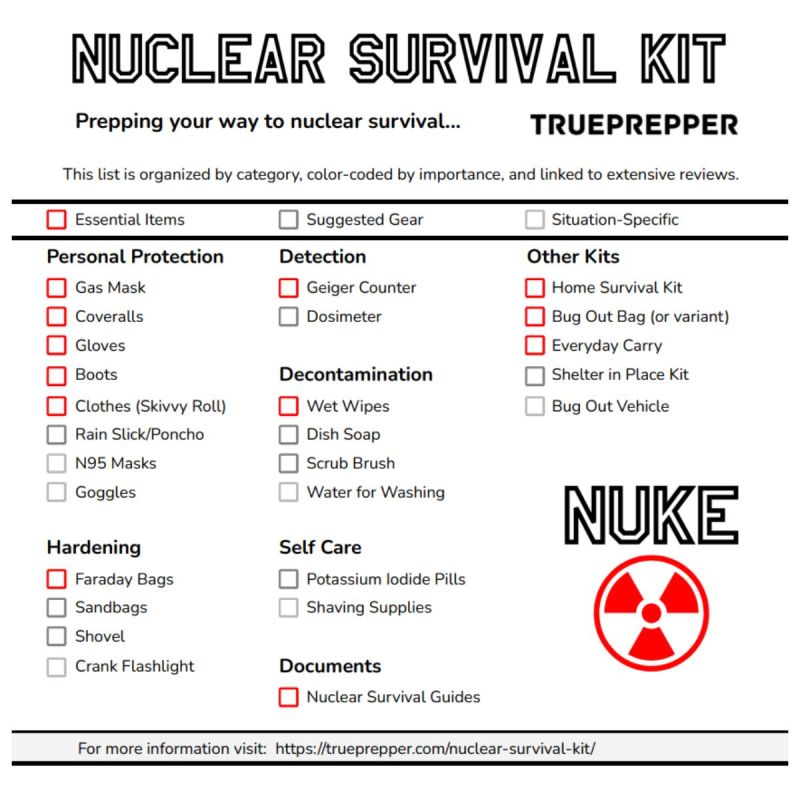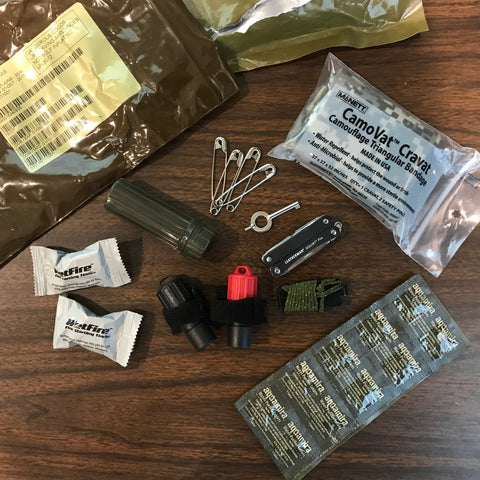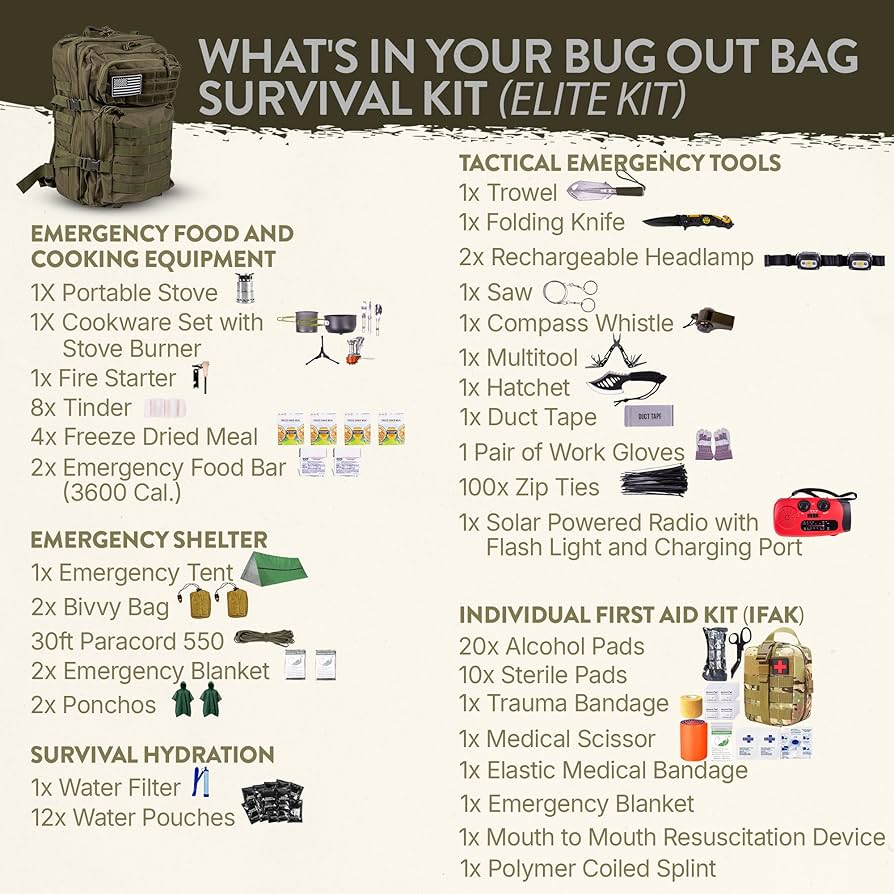
Imagine facing an unexpected situation where your safety depends on what you have with you. Would you know what to grab?
Your survival kit could be the difference between staying safe and struggling through. But what exactly comes in a survival kit? Knowing this can give you confidence and peace of mind, no matter where you are. Let’s break down the essential items you need to be prepared for anything life throws your way.
Keep reading—you’ll want to make sure your kit is ready before you ever need it.
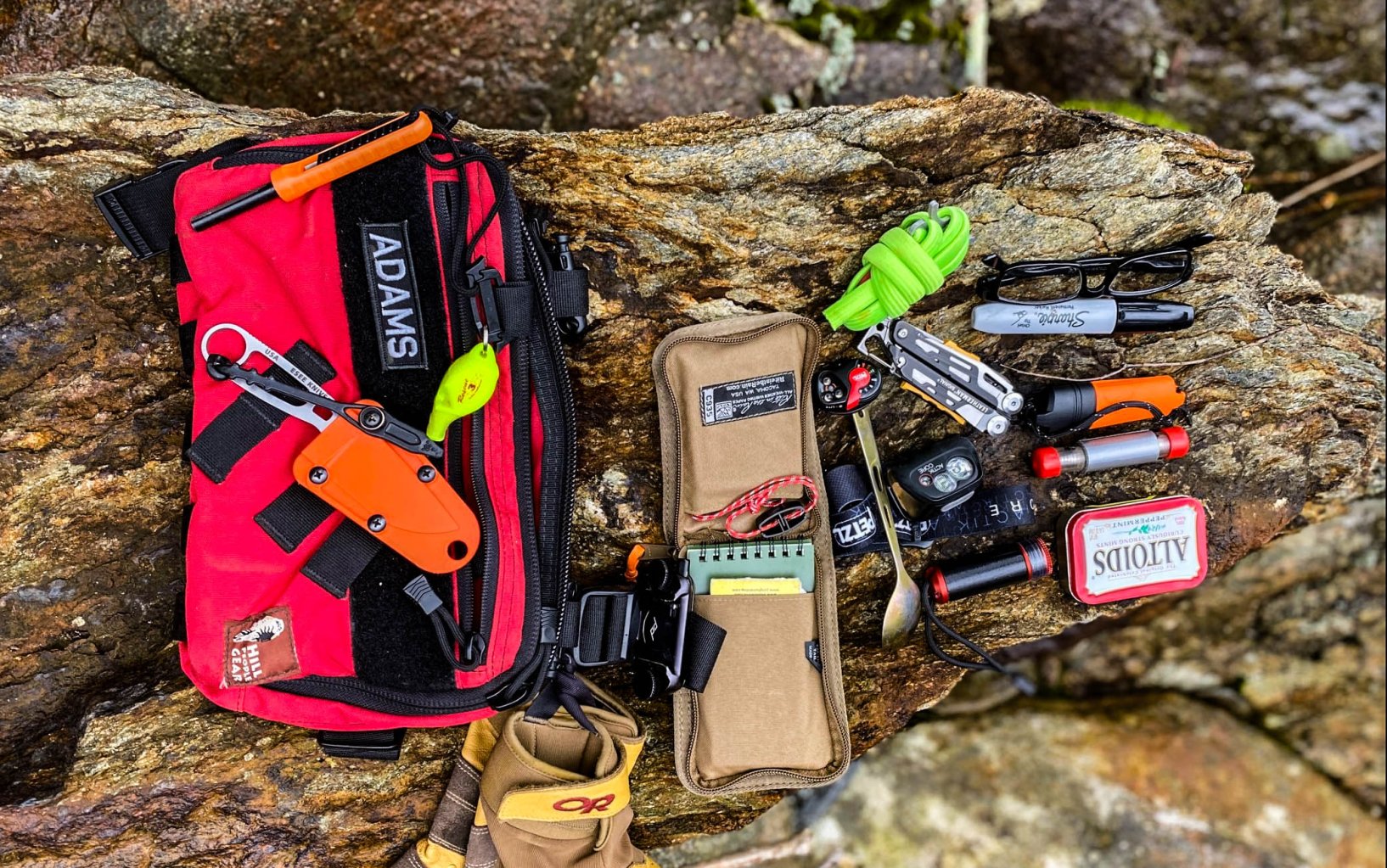
Credit: www.outdoorlife.com
Basic Survival Gear
Basic survival gear forms the foundation of any survival kit. These essential items help you stay safe and healthy in tough situations. They cover your most critical needs: water, food, and shelter. Proper gear keeps you hydrated, nourished, and protected from the environment.
Water And Hydration Tools
Water is vital for survival. A kit should include tools to store and purify water. Common items are:
- Water bottles or collapsible water containers
- Water purification tablets or drops
- Portable water filters
- Metal cups or small pots for boiling water
These tools ensure access to clean drinking water, preventing dehydration and illness.
Food And Nutrition Supplies
Food provides energy for your body. Survival kits must have non-perishable, high-energy foods. Examples include:
- Energy bars or protein bars
- Dried fruits and nuts
- Freeze-dried meals
- Ready-to-eat canned foods
These supplies offer essential calories and nutrients to maintain strength and focus.
Shelter And Warmth Equipment
Protection from weather is crucial. Shelter and warmth gear prevent hypothermia and exposure. Key items are:
- Compact tents or emergency bivy sacks
- Thermal blankets or sleeping bags
- Rain ponchos or tarps
- Fire starters like waterproof matches or lighters
This equipment helps maintain body heat and provides a safe resting place.
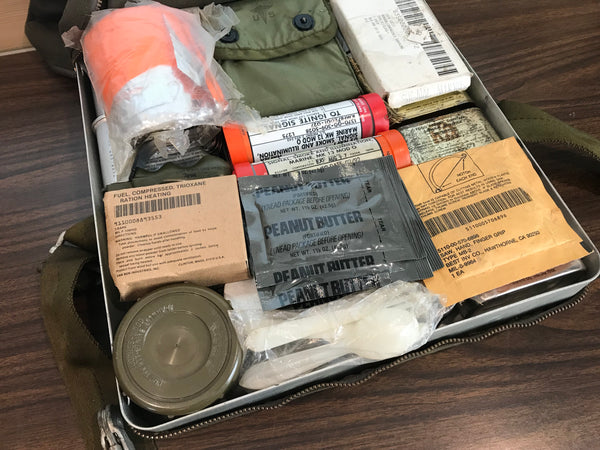
Credit: 5col.com
Navigation And Communication
Navigation and communication tools are essential in any survival kit. They help you find your way and call for help when needed. Without these, even the best supplies can become useless if you’re lost or isolated.
Maps And Compass
A detailed map and a reliable compass are your best friends in the wild. GPS devices can fail due to battery loss or lack of signal, but a map and compass work anywhere. Learning to read them isn’t hard, but it can save your life.
Keep your map waterproofed and updated. Mark key locations like water sources, trails, and shelters before setting out. Have you ever tried navigating without a compass? It’s frustrating and risky.
Emergency Signaling Devices
Signaling devices catch attention when you need rescue. Items like whistles, signal mirrors, and flares are small but powerful. A whistle’s sharp sound can carry over long distances, even through dense forests.
Signal mirrors reflect sunlight to alert planes or distant rescuers. Flares burn brightly and are visible at night. Imagine being stuck and hearing a whistle nearby—how would you respond?
Communication Gadgets
Modern survival kits often include communication gadgets like satellite phones or personal locator beacons (PLBs). These devices send your exact location to emergency services. Unlike regular phones, they don’t rely on cell towers.
Two-way radios are handy for group communication if you’re not alone. They keep everyone connected when you’re spread out. Think about how much safer you feel knowing you can call for help instantly.
First Aid Essentials
First aid essentials are the backbone of any survival kit. These items help you treat minor injuries and prevent infections until professional help arrives. Having the right tools and supplies can make a huge difference in managing unexpected health issues.
Basic Medical Supplies
Start with fundamental supplies like adhesive bandages in various sizes. They cover small cuts and scrapes quickly. Sterile gauze pads and medical tape are vital for larger wounds that need more protection.
Don’t forget antiseptic wipes and alcohol pads. These keep wounds clean and reduce the risk of infection. A pair of tweezers is also handy for removing splinters or debris.
Medications And Treatments
Include pain relievers such as ibuprofen or acetaminophen to ease discomfort. Antihistamines can help with allergic reactions, which might catch you off guard outdoors.
Think about your personal needs too—any prescribed medications or specific allergy treatments like an epinephrine injector. Having these ready means you won’t waste time searching during an emergency.
Injury Management Tools
Tools like scissors and safety pins may seem simple but are crucial for cutting tape or securing bandages. A digital thermometer can help you check for fever, an early sign of infection or illness.
Elastic bandages provide support for sprains or strains, preventing further damage. Consider adding a CPR mask to protect yourself while giving rescue breaths.
What injuries do you think you’re most likely to face? Tailoring your first aid kit to your environment and lifestyle makes it far more effective.
Fire Starting Tools
Fire starting tools are essential in any survival kit. They help create warmth, cook food, and signal for help. Having reliable fire tools increases your chances of staying safe outdoors. Different tools serve various needs and conditions. Understanding each type ensures you are well-prepared for emergencies.
Lighters And Matches
Lighters and matches are the most common fire starters. They are easy to use and carry. Waterproof matches last longer in wet conditions. Windproof lighters work well in strong wind. Keep extra lighters or matchboxes in your kit. Store them in a dry, sealed container to protect from moisture.
Fire Starters And Tinder
Fire starters and tinder ignite quickly and burn hot. Examples include cotton balls soaked in petroleum jelly, dry leaves, or commercial fire cubes. These materials catch sparks easily. Tinder bundles help start fires even with damp wood. Carry small amounts of tinder for quick fire ignition.
Fire Safety Equipment
Fire safety equipment protects you and controls flames. A small fire extinguisher or fire blanket is useful. Carry a metal container to safely store burning embers. Always clear the area before lighting a fire. Know basic fire safety rules to prevent accidents.
Tools And Multi-tools
Tools and multi-tools form the heart of any survival kit. These items help you handle many tasks in tough situations. From cutting and building to fixing gear, the right tools make survival easier and safer.
Choosing reliable tools can save time and energy. They should be compact but strong. Each tool must serve a clear purpose to reduce weight and bulk.
Knives And Cutting Tools
Knives are essential for survival. They help with cutting rope, preparing food, and making shelter. A good survival knife has a sharp, sturdy blade and a comfortable handle.
Other cutting tools include:
- Folding knives for easy carry
- Fixed-blade knives for heavy tasks
- Wire cutters or scissors for precision cutting
Multi-tools And Utility Items
Multi-tools combine several functions into one device. They often include pliers, screwdrivers, and blades. This saves space and adds versatility.
Common features in multi-tools:
- Knife blades
- Can and bottle openers
- Files and saws
- Small wrenches
Repair And Maintenance Gear
Repair tools keep your equipment working. Survival kits often include:
- Strong duct tape for quick fixes
- Needle and thread for clothing repairs
- Small screwdriver sets for gear adjustments
- Spare parts like extra blades or batteries
These tools help extend the life of your gear. They prevent minor problems from becoming big issues.

Credit: premierbodyarmor.com
Clothing And Personal Items
Clothing and personal items in a survival kit play a crucial role in keeping you comfortable, safe, and healthy during emergencies. Choosing the right gear can make a huge difference in harsh conditions. Think about what you would need to protect your body and maintain hygiene if you were outdoors for days or even weeks.
Weather-appropriate Clothing
Your survival kit should include clothing that matches the climate you expect to face. Layering is key: start with moisture-wicking base layers, add insulating mid-layers, and top off with waterproof, windproof outerwear.
- Thermal underwear and wool socks for cold weather
- Lightweight, breathable shirts and pants for hot climates
- Rain jackets and ponchos to stay dry
- Hats and gloves to protect extremities
I once underestimated the cold and only packed a single jacket. The shivers taught me that a simple extra layer can save you from hypothermia.
Personal Hygiene Supplies
Keeping clean is not just about comfort—it prevents illness and infections. Pack travel-sized soap, toothbrush, toothpaste, and a small towel to manage hygiene easily.
- Antibacterial wipes and hand sanitizer
- Feminine hygiene products if needed
- Compact razor and nail clippers for grooming
- Toilet paper or tissue packs for sanitation
Have you ever stopped to think how much hygiene impacts morale during tough times? Even simple items can make you feel more human and in control.
Protection Accessories
Protection accessories shield you from environmental hazards and insects. Sunglasses guard your eyes from UV rays and dust, while a sturdy pair of gloves can prevent cuts and blisters.
- Face masks or bandanas to filter dust and particles
- Insect repellent and netting to avoid bites
- Sunblock to prevent sunburn
- Multi-use scarf or buff for various protective needs
Have you considered how a simple bandana can serve as a mask, a sweatband, or even a tourniquet? Versatile accessories save valuable space and weight.
Specialized Survival Items
Specialized survival items are the tools that go beyond the basics and can make a real difference when you face tough situations. These items often target specific challenges like water safety, energy needs, or navigating unfamiliar terrain. Adding these to your survival kit can boost your confidence and increase your chances of staying safe.
Water Purification Methods
Clean water is essential for survival, but what if you only have access to natural sources? Carrying water purification tools ensures you won’t fall ill from contaminated water.
- Portable water filters:Compact and easy to use, they remove bacteria and protozoa from water. I once used one during a hiking trip, and it saved me from relying on questionable stream water.
- Purification tablets:Lightweight and quick, tablets kill harmful microorganisms. They are perfect as a backup when filters aren’t available.
- UV water purifiers:Devices that use ultraviolet light to disinfect water within minutes. They require batteries but are highly effective and chemical-free.
Energy And Power Sources
Keeping your devices powered is crucial for communication and navigation. Specialized energy sources help you stay connected when traditional power is out.
- Solar chargers:Harness sunlight to recharge phones and GPS units. On a sunny day, they provide a reliable power source without adding weight.
- Hand-crank generators:Mechanical devices that generate power through manual effort. These are great when you have no sunlight and need immediate energy.
- Extra batteries:Stocking up on batteries for flashlights, radios, or other gadgets ensures you’re not left in the dark.
Survival Guides And Manuals
Carrying a survival guide can turn uncertainty into clarity. These manuals offer practical advice and step-by-step instructions for various emergencies.
- Compact field guides:Small enough to fit in your kit, these guides cover first aid, shelter building, and food sourcing.
- Specialized manuals:Focus on specific skills like wilderness navigation or edible plants identification. Having one tailored to your environment can save time and effort.
- Digital versions:If you have a charged device, offline e-books or PDFs can carry a wealth of information without adding bulk.
Think about what challenges you might face in your environment. Are you prepared to purify water, power your devices, or find your way with just a guide? Adding these specialized items to your kit can mean the difference between struggle and survival.
Frequently Asked Questions
What Essential Items Are Included In A Survival Kit?
A survival kit typically includes water purification tools, non-perishable food, a first aid kit, fire starters, a flashlight, and a multi-tool. These essentials help you stay safe, hydrated, and nourished during emergencies or outdoor adventures.
How Does A Survival Kit Help In Emergencies?
A survival kit provides critical supplies to sustain life when help is delayed. It offers food, water, shelter, and medical tools, ensuring you can survive until rescue or self-recovery is possible.
Can I Customize My Survival Kit Contents?
Yes, customizing your survival kit is important. Tailor it to your environment, climate, and personal needs. Include specific items like medications, extra clothing, or specialty tools based on your situation.
How Often Should A Survival Kit Be Checked Or Updated?
Check and update your survival kit every six months. Replace expired food, batteries, and medications. Regular maintenance ensures all items remain functional and effective during an emergency.
Conclusion
A survival kit holds the tools you need to stay safe. It includes items for shelter, food, water, and first aid. Having one ready can make a big difference in emergencies. Pack only what is necessary and easy to carry.
Check your kit often to replace old supplies. Being prepared helps you stay calm and focused. Remember, a good kit supports you when help is far away. Stay safe by knowing what belongs in your survival kit.