Imagine being ready for any emergency without feeling stressed or overwhelmed. Building the perfect survival kit is your key to staying calm and safe when the unexpected happens.
You might think it’s complicated, but with the right steps, you can create a kit that fits your needs perfectly. You’ll discover exactly what to include, why each item matters, and how to keep your kit ready at all times.
Keep reading—your peace of mind depends on it.

Credit: www.youtube.com
Essential Survival Gear
Essential survival gear forms the backbone of any survival kit. Without the right tools, even the best knowledge can fall short. Think about the last time you felt uncomfortable outdoors—could a simple item have made all the difference? Your survival kit should cover basic needs: shelter, water, food, and fire. Each of these elements plays a crucial role in keeping you safe and comfortable in challenging situations.
Shelter And Sleeping Tools
Your body needs rest to function, especially in survival situations. A lightweight tent or a durable tarp can protect you from wind and rain. Add a compact sleeping bag designed for the climate you expect. A sleeping pad not only adds comfort but insulates you from cold ground, preventing hypothermia. Have you ever tried sleeping directly on cold soil? It’s uncomfortable and dangerous.
Water Filtration And Storage
Water is vital, yet often overlooked until you’re thirsty. Carry a reliable water filter or purification tablets to turn unsafe water into drinking water. Collapsible water bottles or hydration bladders save space and make carrying water easier. Remember, even clear water can harbor invisible threats. Could you survive without a way to purify water?
Food Supplies And Preparation
Food fuels your body but also adds weight to your kit. Choose high-calorie, non-perishable items like nuts, dried fruits, and energy bars. Include lightweight cooking tools such as a small pot or a portable stove if you plan to prepare meals. Don’t forget utensils that pack small but work well. Think about how you’ll cook or eat if you can’t start a fire.
Fire Starting Equipment
Fire provides warmth, light, and a way to cook food. Pack multiple fire-starting tools—like waterproof matches, a lighter, and a ferro rod—to ensure you can ignite a flame under any condition. Carry tinder that lights quickly, such as cotton balls soaked in petroleum jelly. Have you tested your fire-starting gear in wet or windy weather? It’s a simple step that can save your life.
First Aid And Medical Supplies
Having a well-stocked first aid and medical supplies kit is essential for any survival situation. It can mean the difference between a minor injury and a major health problem. Your kit should cover everything from small cuts to unexpected medical emergencies, so you feel prepared and confident.
Basic First Aid Items
Start with essentials that handle common injuries. Include adhesive bandages of various sizes to cover cuts and blisters. Sterile gauze pads and adhesive tape help dress larger wounds and control bleeding.
- Antiseptic wipes to clean wounds and prevent infection
- Elastic bandages for sprains and strains
- Disposable gloves to protect yourself and others
- Scissors and tweezers for cutting tape or removing splinters
Think about what you use daily at home and add those items. Do you have a favorite brand of pain relief cream? Add it. The goal is to have what you need quickly, without scrambling.
Medications And Treatments
Medicines are a crucial part of your kit. Include over-the-counter painkillers like ibuprofen or acetaminophen to reduce pain and inflammation. Antihistamines come in handy if you or someone with you has allergic reactions.
- Antacid tablets for stomach upset
- Anti-diarrheal medication to prevent dehydration
- Hydrocortisone cream for insect bites or rashes
- Oral rehydration salts to maintain electrolyte balance
Consider any personal prescriptions you or your group members need. Keeping extra doses in your kit could save lives. Would you be ready if someone developed a sudden allergy?
Emergency Medical Tools
These tools can be lifesavers in critical moments. A digital thermometer helps you monitor fever quickly. A CPR face shield or mask protects you during rescue breaths.
- Instant cold packs to reduce swelling
- Medical adhesive tape for securing bandages
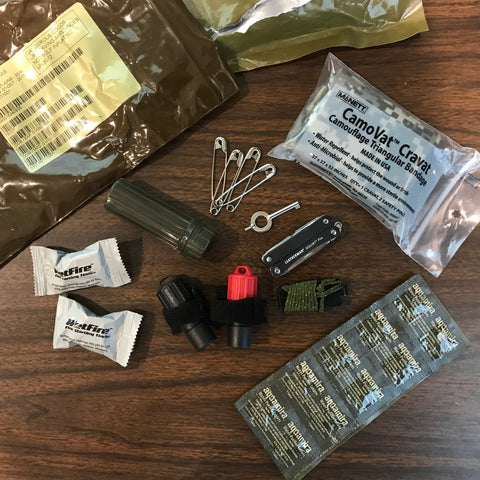
- Safety pins for fastening bandages or clothing
- Flashlight with extra batteries for visibility at night
Adding a compact first aid manual or instruction card can boost your confidence. Would you know how to handle a deep cut or a burn under pressure? Having the right tools and knowledge together prepares you for unexpected challenges.
Navigation And Communication
Navigation and communication tools are vital for any survival kit. They help you find your way and call for help if needed. Without these, staying safe in an emergency becomes much harder. Choosing the right gear ensures you stay on track and connected.
Maps And Compasses
A detailed map shows the terrain and landmarks. It guides you through unfamiliar areas. A compass helps you find directions quickly. Together, they work without batteries or signals. Keep maps waterproof and foldable for easy storage.
- Choose topographic maps for better detail
- Learn to read a compass before you go
- Store maps in a protective case
Emergency Signaling Devices
Signaling devices alert rescuers to your location. Bright colors and loud sounds catch attention. Carry devices that work day and night. They increase your chances of being found fast.
- Whistles produce loud, clear sounds
- Signal mirrors reflect sunlight over long distances
- Flares provide bright light in dark conditions
Portable Communication Tools
These tools connect you to the outside world. Radios and satellite phones work beyond cell towers. Keep devices charged and protected from water. Always test them before heading out.
- Handheld radios for short-range contact
- Satellite phones for remote areas
- Personal locator beacons for emergency signals
Clothing And Personal Protection
Your survival kit’s clothing and personal protection are more than just fabric and gear—they’re your first line of defense against nature’s unpredictability. Choosing the right items can mean the difference between comfort, safety, and serious risk. Think about what you wear as part of your survival strategy.
Weather-appropriate Apparel
Clothing must match the environment you expect to face. In cold climates, layering is key—start with moisture-wicking base layers, add insulating mid-layers, and finish with a waterproof outer shell.
In hot, humid areas, lightweight and breathable fabrics protect you from sun and insects while preventing overheating. Have you tested your clothing in the actual conditions? It’s crucial to know how your gear performs when it matters most.
Protective Gear
Protection goes beyond clothing. Durable gloves shield your hands from cuts and scrapes during tasks like building shelter or gathering firewood. A sturdy pair of boots supports your feet on rough terrain and prevents injuries.
Don’t forget eye protection—sunglasses or safety goggles guard against debris, UV rays, and unexpected hazards. Adding a hat or helmet can offer vital protection against sun exposure and falling objects.
Multipurpose Accessories
Choose accessories that serve more than one purpose to save space and weight. A bandana can act as a dust mask, sweat rag, tourniquet, or even a water filter in emergencies.
A good-quality watch with a compass or survival functions helps with navigation and time management. What small item do you carry that unexpectedly became essential during tough situations?
Tools And Multi-use Equipment
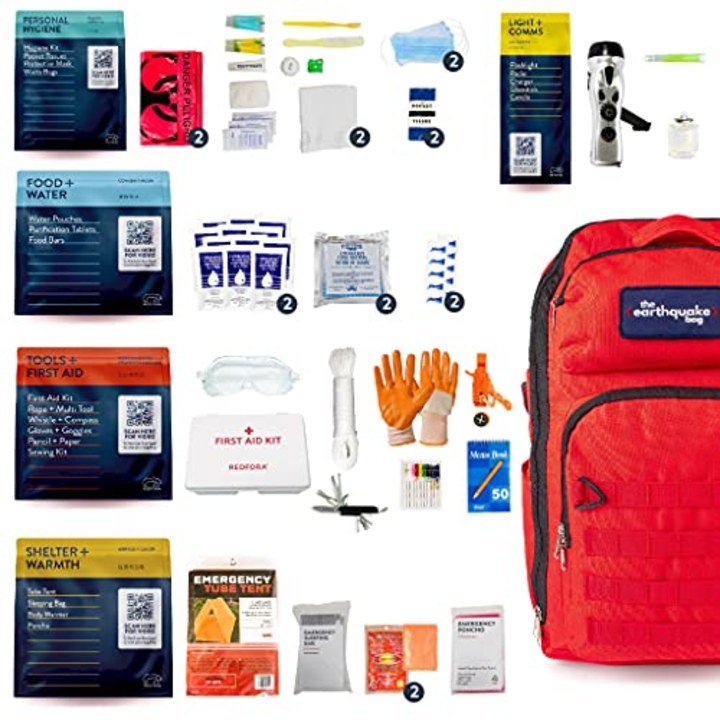
Tools and multi-use equipment form the backbone of any survival kit. They help in building shelter, preparing food, and handling emergencies. Choosing the right tools ensures you are ready for many situations. Compact, durable, and versatile items save space and weight. Each piece should serve more than one function to maximize efficiency.
Knives And Cutting Tools
A sharp knife is essential for survival tasks. It can cut rope, prepare food, and create shelter. Pick a fixed-blade knife for strength and reliability. Folding knives offer convenience but may be less sturdy. Include a small saw or wire cutter for tougher jobs. Keep blades sharp and protected to avoid accidents.
Multi-tools And Utility Items
Multi-tools combine many functions in one compact device. They often include pliers, screwdrivers, scissors, and can openers. These tools reduce the need to carry several items. Choose a multi-tool made of stainless steel for durability. A whistle or fire starter is a useful addition. Pack items that are lightweight and fit your needs.
Repair And Maintenance Supplies
Survival kits need repair supplies to fix gear and clothing. Include duct tape, paracord, and sewing needles with strong thread. Small screwdrivers and extra batteries come in handy too. These items keep your equipment functional and safe. Regularly check and replace worn-out supplies for readiness.
Credit: www.nbcnews.com
Packing And Organization Tips
Packing and organizing a survival kit is key to its usefulness. The right setup saves time during emergencies. It ensures you carry essentials without extra bulk. Planning helps keep items safe and easy to find. Focus on smart packing to improve your kit’s function and portability.
Choosing The Right Container
Select a container that fits your survival needs. It should be strong and water-resistant. Look for materials like hard plastic or metal. Size matters; pick one large enough for essentials but small enough to carry. Compartments or removable trays help keep items sorted. Choose a container that seals tightly to protect contents.
Weight And Space Management
Keep the kit light to avoid carrying extra burden. Prioritize lightweight, multi-use tools and supplies. Use small containers for liquids and powders to save space. Remove unnecessary packaging before packing. Organize items by size, placing heavier ones at the bottom. This keeps the kit balanced and easy to transport.
Accessibility And Prioritization
Put frequently used items where you can reach them fast. Store emergency tools like a knife or flashlight near the top. Group similar items together to avoid searching. Use clear bags or labels inside the container. Place less urgent supplies deeper in the kit. This setup helps during urgent situations where every second counts.
Customizing Your Survival Kit
Customizing your survival kit is key to ensuring it truly meets your unique needs. A one-size-fits-all approach won’t prepare you for every challenge. Tailoring your kit means thinking carefully about where you’ll be, what you might face, and what you personally require to stay safe and comfortable.
Adjusting For Environment
Different environments demand different tools. If you’re heading into a cold climate, your kit should include thermal blankets, hand warmers, and insulated clothing. In contrast, a desert survival kit needs plenty of water purification options, sun protection, and lightweight gear.
Consider the terrain too. Rocky or mountainous areas might require sturdy footwear and climbing gear, while forested regions call for insect repellent and a reliable knife. Ask yourself: what natural hazards exist in your environment, and what gear will help you handle them?
Considering Personal Needs
Your health conditions and lifestyle affect what belongs in your kit. Someone with allergies should pack medications or an EpiPen, while a person with glasses must include a spare pair. Don’t forget comfort items that can boost morale during stressful times, like a favorite snack or a small book.
Think about your skills as well. If you know how to start a fire with flint, you might prioritize that over matches. What everyday items do you rely on that could become critical in an emergency? This ensures your kit supports you, not just general survival.
Regular Maintenance And Updates
Building a kit is just the start. Over time, items expire, break, or become outdated. Set a schedule—every six months or after each use—to check and replace supplies like batteries, medications, and food.
Review your kit as your situation changes. Did you move to a new area? Did your health status change? Keeping your survival kit fresh and relevant can make all the difference when you need it most.

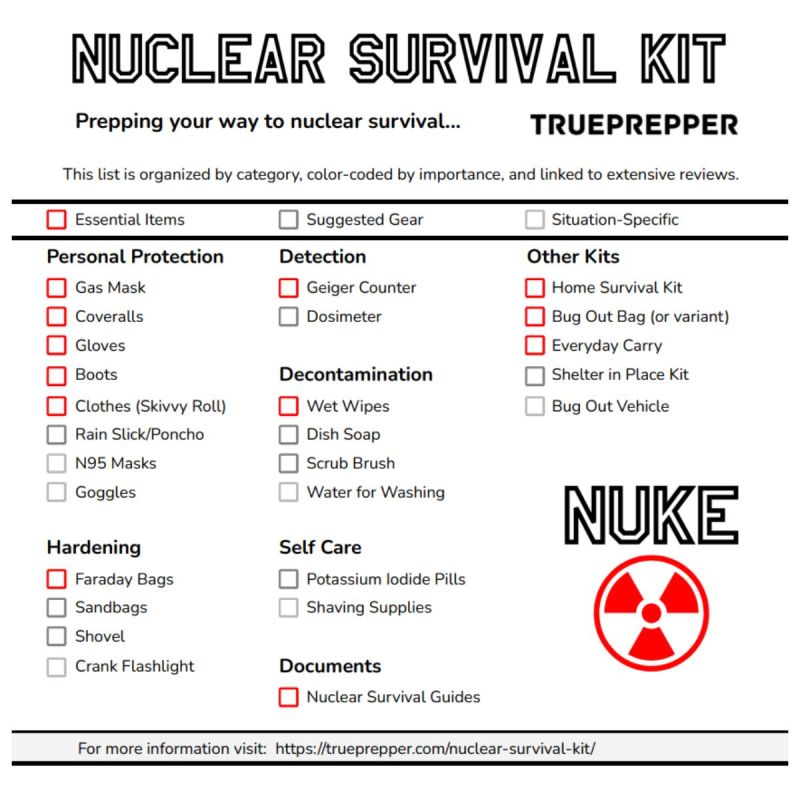
Credit: trueprepper.com
Frequently Asked Questions
What Are The Essential Items For A Survival Kit?
Essential items include water, food, first aid, fire starters, and a multitool. These basics cover hydration, nutrition, safety, and shelter needs.
How Do I Choose The Right Container For My Kit?
Pick a durable, waterproof, and compact container. It should protect contents from damage and be easy to carry.
How Often Should I Update My Survival Kit?
Update your kit every 6-12 months. Replace expired food, batteries, and check gear functionality regularly.
Can I Customize My Survival Kit For Specific Environments?
Yes, tailor your kit based on climate and terrain. Add extra warm clothing for cold or insect repellent for jungles.
Conclusion
Building a survival kit takes careful thought and planning. Choose items that suit your needs and environment. Keep your kit small but packed with essentials. Regularly check and update your supplies. Practice using your tools to stay ready. A good survival kit brings peace of mind.
Prepare now to stay safe later. Simple steps can make a big difference. Stay calm, stay equipped, and stay safe.