Imagine feeling the ground shake beneath your feet. In those intense moments, your safety depends on how prepared you are.
That’s where an earthquake survival kit comes in. It’s not just a box of supplies—it’s your lifeline when everything else is uncertain. If you want to protect yourself and your loved ones, understanding what an earthquake survival kit is and what it should include is crucial.
Keep reading, because knowing this could make all the difference when disaster strikes.
Earthquake Survival Kit Basics
Having an earthquake survival kit ready can make a huge difference when disaster strikes. It’s not just about having supplies; it’s about being prepared to take care of yourself and your loved ones in critical moments. Understanding the basics of what this kit is and when to use it helps you stay calm and effective during an earthquake.
Purpose Of The Kit
Your earthquake survival kit is designed to support you when regular services and stores are unavailable. It contains essential items to help you meet basic needs like food, water, warmth, and first aid. This kit is your lifeline for the first 72 hours after an earthquake, a time when help may not arrive immediately.
Think about this: without a kit, you might have to search through damaged areas or wait for rescue with no supplies. Having a well-stocked kit means you can focus on staying safe rather than scrambling for necessities.
When To Use It
You should use your earthquake survival kit immediately after the shaking stops if your home or area is unsafe. It’s especially crucial if you’re cut off from basic services like electricity, water, or gas. Even if you don’t feel injured, conditions outside your home might be dangerous, making your kit essential for shelter and sustenance.
Ask yourself: if the power goes out and roads are blocked, how long can you manage without food, water, or warmth? That’s why your kit is not just for the earthquake itself but for the uncertain hours that follow. Keeping it accessible and knowing when to grab it can save your life.

Credit: www.amazon.com
Essential Items To Include
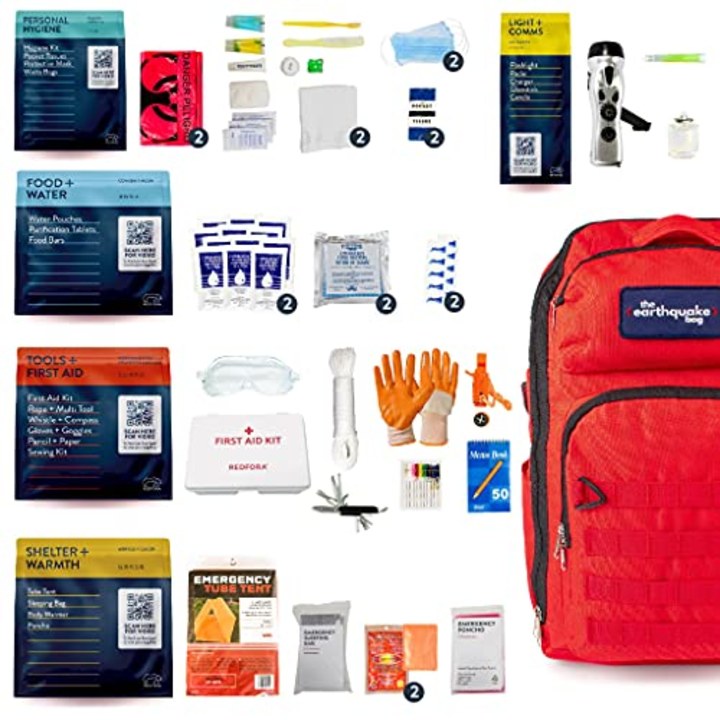
Building an earthquake survival kit means thinking ahead about what you’ll need when access to stores and services is cut off. The right items can keep you safe, healthy, and calm during the chaos. Let’s look closely at the essential supplies you should have ready to face the unexpected.
Water And Food Supplies
You can survive for days without food, but only a few hours without water. Make sure to store at least one gallon of water per person per day for a minimum of three days.
Choose non-perishable foods that don’t require cooking or refrigeration. Think canned beans, nuts, dried fruits, and energy bars.
Have a manual can opener ready, and consider adding powdered drink mixes to improve taste and encourage hydration.
First Aid Materials
A well-stocked first aid kit can make all the difference if injuries happen. Include adhesive bandages, sterile gauze, antiseptic wipes, and medical tape.
Don’t forget pain relievers, tweezers, scissors, and allergy medications if needed. Personal prescriptions are critical too—always keep a supply on hand.
Knowing basic first aid skills amplifies the value of these materials. Have you practiced treating common wounds or burns recently?
Tools And Equipment
Essential tools help you manage unexpected repairs and emergencies. A flashlight with extra batteries is vital, as power outages are common after earthquakes.
Add a multi-tool or Swiss Army knife, duct tape, and sturdy gloves. A whistle can help rescuers find you if trapped.
Consider a portable phone charger to stay connected. Could you survive a day without electricity right now?
Personal Hygiene Products
Maintaining hygiene is crucial to prevent illness in stressful conditions. Pack items like soap, hand sanitizer, toothbrushes, toothpaste, and feminine hygiene products.
Include moist towelettes and garbage bags to manage waste safely. These small items keep you feeling fresh and help avoid infections.
How often do you think about your hygiene needs when planning for emergencies?
Important Documents
Keep copies of vital documents in a waterproof and portable container. Include identification cards, insurance policies, medical records, and bank account information.
Having these on hand speeds up recovery and access to aid after a disaster. Don’t forget emergency contacts and any special instructions for family members.
Imagine trying to prove who you are or get help without these papers—would you be prepared?
Additional Supplies For Safety
Additional supplies in an earthquake survival kit increase your safety and comfort. These items help you see, communicate, stay warm, and care for special needs. Preparing these essentials can make a big difference during an emergency.
Emergency Lighting
Light sources are vital when power goes out. Include flashlights with extra batteries or hand-crank lanterns. Glow sticks also work well for short-term light. Choose items that are easy to use and last long.
Communication Devices
Staying connected helps you get help and share your status. A battery-powered or hand-crank radio can receive news updates. A whistle signals rescuers if trapped. Keep extra phone chargers or power banks ready too.
Clothing And Bedding
Proper clothing protects against cold or wet weather. Pack sturdy shoes, warm socks, and a rain jacket. Blankets or sleeping bags provide warmth and comfort. Keep these items in a waterproof bag to stay dry.
Special Needs Items
People with medical conditions need extra care. Include prescription medicines and copies of medical records. Pack glasses, hearing aids with batteries, and baby supplies if needed. Tailor your kit to your family’s unique needs for safety.
Packing And Storage Tips
Packing and storing an earthquake survival kit properly is vital. It ensures quick access during emergencies. The right container protects your supplies and keeps everything organized. Regular checks help maintain the kit’s usefulness over time. Careful planning makes a real difference when disaster strikes.
Choosing The Right Container
Select a durable container that can withstand rough conditions. Water-resistant or waterproof boxes work well. Look for lightweight but strong materials like plastic or metal. The size should fit all your essential items comfortably. Make sure it has secure locks or closures to prevent spills.
Organizing For Accessibility
Group similar items together for easy retrieval. Use clear bags or small boxes inside the main container. Label each section clearly to avoid confusion. Place frequently used items near the top or front. Keep a checklist inside the kit to track contents quickly.
Maintenance And Updates
Check your kit every six months to replace expired items. Update supplies based on changing family needs or seasons. Test the container for damage or wear regularly. Refresh batteries, medications, and food to ensure readiness. Keep a record of update dates to stay on schedule.
Preparing For Different Scenarios
Preparing for different scenarios increases your chances of staying safe during an earthquake. Earthquakes can strike anytime and anywhere. Each situation needs specific items and plans. A well-thought survival kit adapts to your environment. Consider where you spend most of your time and prepare accordingly.
Home Safety Measures
At home, secure heavy furniture and appliances to walls. Store emergency supplies in an easy-to-reach spot. Include:
- Water and non-perishable food for at least three days
- First aid kit and essential medications
- Flashlight and extra batteries
- Portable radio to get updates
- Whistle to signal for help
- Sturdy shoes and gloves
- Copies of important documents
Practice earthquake drills with your family. Know safe places like under sturdy tables.
Car Survival Kit Essentials
Being trapped in a car during an earthquake is possible. Keep a kit with you. Include:
- Water and snacks
- First aid supplies
- Blanket or extra clothing
- Flashlight and batteries
- Multi-tool or basic tools
- Portable phone charger
- Emergency contact numbers
- Reflective warning triangles
Check your kit regularly. Replace expired items to stay ready.
Workplace Preparedness
Earthquakes can happen at work too. Keep a small kit in your desk or locker. Add:
- Bottled water and energy bars
- First aid kit
- Flashlight
- Comfortable shoes
- Dust mask to avoid breathing dust
- Phone charger
- Personal hygiene items
Know evacuation routes and safe spots in your building. Share your plan with coworkers.

Credit: www.amazon.com
Training And Practice
Training and practice are key to staying safe during an earthquake. Having an earthquake survival kit is not enough without knowing how to use it. Regular training helps everyone in your family react quickly and calmly. Practice builds confidence and reduces fear during an actual quake.
Regular Drills
Hold regular earthquake drills at home. Practice “Drop, Cover, and Hold On” to protect yourself. Simulate different scenarios to prepare for various situations. Drills help identify weaknesses in your plan. Schedule drills at different times, including night and day.
Family Communication Plans
Create a clear family communication plan for emergencies. Decide on meeting points outside your home. Assign roles like who checks on neighbors or pets. Keep a list of emergency contacts in your kit. Teach children how to use phones and radios for help.
Using Kit Items Effectively
Learn how to use every item in your survival kit. Practice opening water and food packages quickly. Understand how to operate flashlights and radios. Know basic first aid steps using your kit supplies. Regular use of kit items prevents confusion during a real earthquake.

Credit: www.emergencyzone.com
Frequently Asked Questions
What Is Included In An Earthquake Survival Kit?
An earthquake survival kit contains essentials like water, food, first aid, flashlight, batteries, and a whistle. It also includes tools, blankets, and personal items to help you survive after an earthquake.
Why Is An Earthquake Survival Kit Important?
An earthquake survival kit provides immediate resources during emergencies. It helps you stay safe, hydrated, and nourished when access to supplies is limited or unavailable.
How Often Should I Update My Survival Kit?
Update your survival kit every six months. Check expiration dates on food and medicine, replace used items, and adjust supplies for changing family needs.
Where Should I Store My Earthquake Survival Kit?
Store your kit in an easily accessible, safe, and dry location. Choose a place known to all family members for quick access during emergencies.
Conclusion
An earthquake survival kit keeps you safe during emergencies. It holds essential items like water, food, and first aid. Preparing one saves time and stress when shaking starts. Everyone living in quake zones should have a kit ready. Small steps today can protect your family tomorrow.
Stay calm, stay prepared, and stay safe always.