Imagine being caught in an unexpected emergency with no help in sight. What would you reach for first?
Your survival kit could be the difference between staying safe and facing serious danger. But what exactly should be in that kit? Knowing the 10 essential survival kit items can give you confidence and peace of mind whenever you step outside.
Keep reading, and you’ll discover the must-have tools that can protect you, keep you calm, and help you survive when it matters most. Don’t wait until it’s too late—your safety depends on what you carry with you right now.
Water And Hydration
Water is the most important element for survival. Staying hydrated supports body functions and keeps energy levels up. Without clean water, health risks rise quickly. Carrying the right tools for water and hydration can make all the difference.
Portable Water Filters
Portable water filters remove dirt, bacteria, and parasites from natural water. They make water safe to drink without boiling. Filters are lightweight and easy to use. They work well with water from rivers, lakes, or streams.
- Compact size fits easily in a survival kit
- Simple pumping or straining action
- Some models filter viruses and chemicals too
- Reusable and long-lasting for multiple uses
Water Storage Solutions
Storing water is vital for times when fresh water is scarce. Containers keep water clean and ready to drink. Choose containers made from safe, durable materials. Look for options that are easy to carry and seal tightly.
- Collapsible water bags save space
- Hard plastic bottles resist damage
- Metal canteens provide durability
- Wide openings allow easy filling and cleaning
Food And Nutrition
Food and nutrition are vital for survival in any emergency. Your body needs fuel to stay strong and alert. Without proper nutrition, energy drops and decision-making suffers. Choosing the right food can keep you going longer during tough times. Pack items that last long and provide good calories.
Non-perishable Foods
Non-perishable foods last for months or even years without spoiling. They do not need refrigeration or special storage. Examples include canned beans, rice, dried fruits, and pasta. These foods supply essential nutrients and are easy to store. Look for foods high in protein and carbohydrates for energy. Avoid items with too much salt or sugar, which can dehydrate you.
Energy Bars And Supplements
Energy bars are compact and packed with calories. They offer a quick, convenient source of energy. Choose bars with natural ingredients and balanced nutrients. Supplements like protein powders or electrolyte tablets help replace lost nutrients. These items are lightweight, making them easy to carry. Keep a variety to maintain energy and support your body’s needs.
Shelter And Warmth
Your ability to create shelter and maintain warmth can be the difference between discomfort and survival in an emergency. These items are compact, easy to carry, and designed to protect you from harsh weather conditions quickly. Let’s look at two essential tools that provide immediate shelter and warmth when you need them most.
Emergency Blankets
Emergency blankets, also known as space blankets, are incredibly lightweight and pack down to a tiny size, making them a must-have in any survival kit. They reflect up to 90% of your body heat back to you, which can prevent hypothermia in cold environments.
I once had to rely on one during a sudden night drop in temperature while hiking. Wrapping myself in it saved my energy and kept me warm until I could build a proper shelter. Do you have one ready in your kit?
Compact Tents And Tarps
Compact tents and tarps offer versatile shelter options that protect you from rain, wind, and insects. They are easy to set up and can be adjusted to suit different terrains and weather conditions.
A tarp can be rigged quickly to shield you from rain or sun, while a small tent provides enclosed protection and keeps bugs at bay. Including one of these in your kit means you can create a safe, dry space anywhere. How prepared are you to build shelter on the go?

Credit: www.youtube.com
Fire Starting Tools
Fire starting tools are a crucial part of any survival kit. They provide the means to create warmth, cook food, and signal for help. Without reliable fire starters, staying safe and comfortable in the wild becomes much harder.
Waterproof Matches
Waterproof matches are a must-have for survival situations. They resist moisture, so even if they get wet, you can still light a fire. I once faced a sudden downpour while camping, and having waterproof matches saved me from struggling with damp, useless matches.
Look for matches stored in a sealed container or coated with a waterproof substance. They are lightweight and easy to carry, making them perfect for your survival kit. You never know when you’ll need to spark a fire in wet conditions.
Lighters And Fire Starters
A good quality lighter is another essential fire starting tool. But keep in mind, lighters can run out of fuel or get damaged. That’s why adding fire starters like ferro rods or magnesium blocks is smart—they work even when wet and last for hundreds of strikes.
Try combining a windproof lighter with a ferro rod in your kit. This combo gives you multiple ways to ignite a fire. Have you tested your fire starters in different weather? Regular practice ensures you can rely on them when it counts.
First Aid Supplies
First aid supplies are the backbone of any survival kit. They prepare you to handle injuries and medical emergencies when help isn’t immediately available. Having the right items can make a crucial difference in stabilizing wounds or preventing infections until professional care arrives.
Basic Medical Kits
Your survival kit should include a well-rounded basic medical kit. This means bandages of various sizes to cover cuts and scrapes, sterile gauze pads to stop bleeding, and adhesive tape to keep dressings in place. Don’t forget antiseptic wipes to clean wounds and reduce infection risk.
Include scissors and tweezers for removing splinters or cutting tape. A pair of disposable gloves protects you and the injured person from germs. I once used my kit’s cold pack to ease a sprained ankle during a hiking trip — simple tools can solve unexpected problems.
Medications And Ointments
Stock your kit with essential medications like pain relievers, antihistamines, and anti-inflammatory drugs. These help manage pain, allergic reactions, and swelling when you’re far from a pharmacy. Ointments such as antibiotic creams prevent infections and speed up healing.
Consider including burn cream and hydrocortisone to soothe skin irritations. Have you ever faced a minor injury and wished you had the right cream at hand? Keeping these medications updated and checking expiration dates ensures they work when you need them most.
Navigation Aids
Navigation aids are crucial when you find yourself in unfamiliar territory. They help you stay oriented and guide you safely to your destination. Without reliable navigation tools, even the most prepared survival kit can fall short.
Compass Essentials
A compass is a simple but powerful tool. It shows you the direction, helping you avoid walking in circles. Choose a compass with a clear, easy-to-read dial and a sturdy baseplate for map reading.
Learn how to use your compass before you need it. Practice taking bearings and following them accurately. If your compass has a built-in magnifier or sighting mirror, it can improve precision when navigating tricky terrain.
Maps And Gps Devices
Carrying a detailed map of your area is a must. Paper maps don’t rely on batteries and won’t fail when technology does. Mark key landmarks and routes ahead of time to make your navigation faster and safer.
GPS devices offer real-time location data but depend on batteries and signal. Always carry extra power sources or solar chargers. Don’t rely solely on GPS—combine it with a map and compass to cover all bases.
Multi-tools And Knives
Multi-tools and knives are indispensable in any survival kit. They serve a variety of functions that can make a huge difference when you’re in the wild or facing an emergency. Having reliable cutting and tool options helps you tackle tasks like preparing food, building shelter, or making quick repairs with confidence.
Folding Knives
Folding knives are compact and easy to carry, which makes them perfect for survival situations. Their foldable design protects the blade and keeps it safe when not in use.
Look for knives with sturdy locking mechanisms to avoid accidental closing. A sharp, durable blade made from high-quality steel will hold up better in tough conditions.
Think about the tasks you might face—cutting rope, carving wood, or even first aid. A good folding knife adapts to these needs without taking up much space in your pack.
Multi-functional Tools
Multi-functional tools combine several essential instruments into one handy device. They often include pliers, screwdrivers, can openers, and scissors, giving you versatility without extra bulk.
Choosing a multi-tool means you’re prepared for unexpected challenges like fixing gear or opening cans. Some models even have specialized tools like wire cutters or saw blades, which can be lifesavers.
Consider how often you’ve found yourself wishing you had one more tool on hand. A quality multi-tool puts those options right in your pocket, ready to use at a moment’s notice.
Light And Signaling
Light and signaling tools are crucial in any survival kit. They help you find your way in the dark and alert rescuers to your location. Without reliable light and signaling devices, your chances of being found or navigating safely drop significantly.
Flashlights And Headlamps
Flashlights and headlamps provide hands-free lighting that’s essential for night-time tasks. Headlamps are especially useful when you need both hands free to build shelter or prepare food. Make sure your flashlight is compact but powerful, with long battery life and easy-to-change batteries.
Consider carrying extra batteries or a rechargeable flashlight with a USB port. Brightness levels matter—having adjustable settings helps conserve power. Have you ever been caught in the dark wishing you had a reliable light source? This is exactly why you need these tools.
Whistles And Signal Mirrors
Whistles are small but loud signaling devices that can carry sound over long distances. They require no batteries and work even when you’re exhausted or injured. Using a whistle can draw attention quickly, especially in dense forests or noisy environments.
Signal mirrors reflect sunlight to create a bright flash visible miles away. They’re lightweight and easy to carry in your survival kit. A simple glance at the sky and you can send an SOS signal that’s hard to miss.
Think about how many rescue stories started with a whistle or mirror signal. These tools don’t rely on technology, making them fail-proof in emergencies. What’s your plan to get help if you’re lost and your phone dies?
Clothing And Protection
Clothing and protection are crucial for survival in any outdoor situation. The right gear keeps your body safe from harsh weather and injuries. It helps maintain your strength and focus. Choosing the right clothing can prevent hypothermia, sunburn, and other dangers. Packing essential protective items boosts your chances of staying safe and comfortable.
Weather-appropriate Gear
Select clothing that fits the climate and environment. In cold weather, wear layers to trap heat. Use moisture-wicking fabrics to stay dry and warm. In hot weather, choose light and breathable materials. A waterproof jacket protects against rain and wind. Proper footwear prevents blisters and supports your feet on rough terrain.
Protective Gloves And Hats
Gloves shield your hands from cuts, cold, and sunburn. Durable gloves help with tasks like building shelter or gathering wood. Hats guard your head and face from sun exposure. A wide-brimmed hat offers better protection than a cap. Gloves and hats also add comfort in extreme weather conditions.
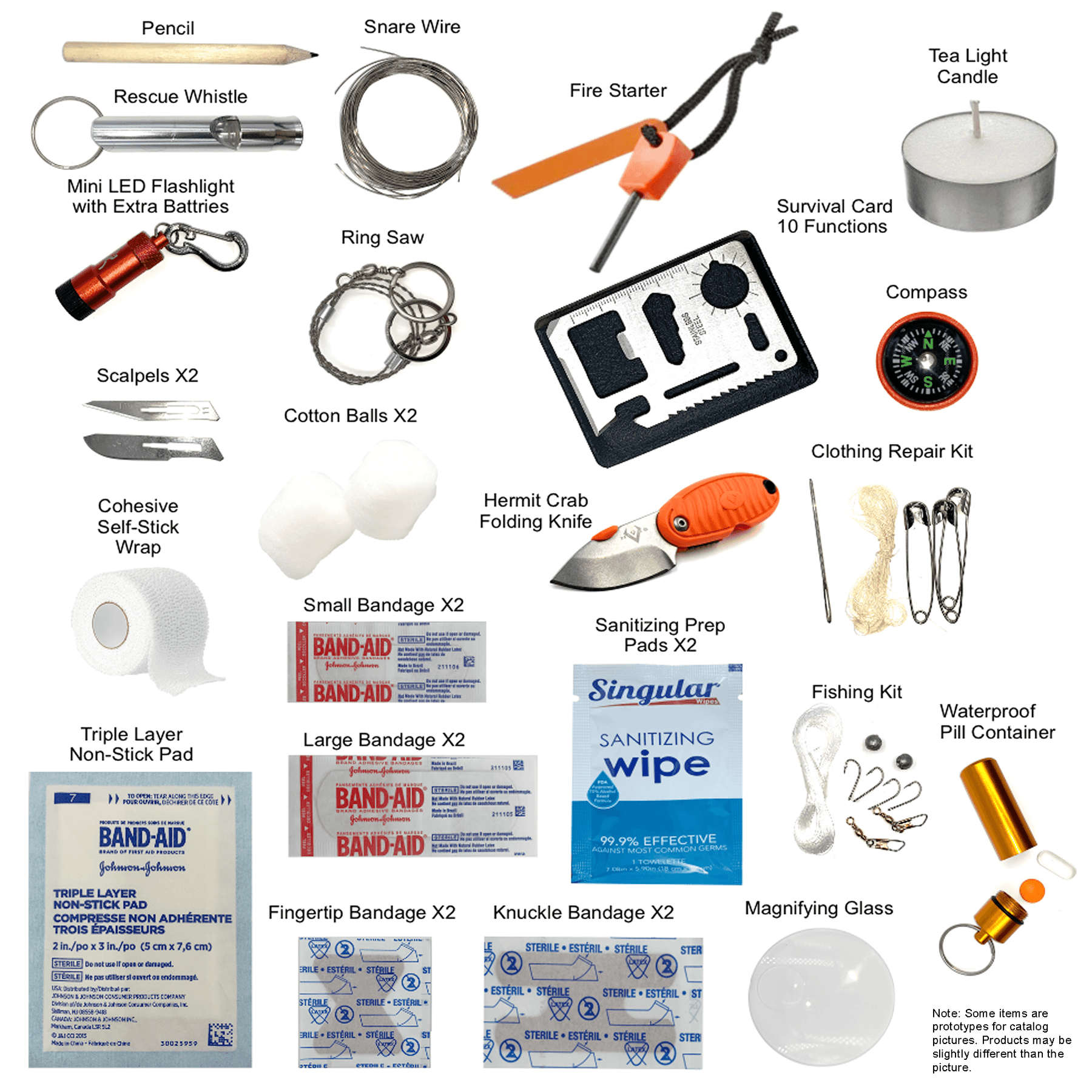
Credit: www.vnives.com
Communication Devices
Communication devices are a vital part of any survival kit. They keep you connected to the outside world when every second counts. Without reliable communication, getting help or receiving important updates becomes nearly impossible.
Emergency Radios
Emergency radios are lifesavers during power outages or natural disasters. They can receive weather alerts, news broadcasts, and emergency signals. Many models also allow you to tune into multiple frequencies, giving you access to vital information.
Look for radios with hand cranks or solar panels. These features ensure your device stays powered even when batteries run out. I once relied on a hand-crank radio during a storm blackout, and it kept me informed for hours without any electricity.
Chargers And Power Banks
Chargers and power banks keep your communication devices alive when you’re off the grid. A high-capacity power bank can charge your phone multiple times, giving you extended connectivity. Choose one that supports fast charging and has multiple USB ports to power more than one device at once.
Consider solar-powered chargers for longer trips or remote areas. They can recharge your devices using sunlight, reducing the risk of running out of battery. Have you checked if your power bank holds enough charge before heading out? It could be the difference between staying connected and going silent.

Credit: unchartedsupplyco.com
Frequently Asked Questions
What Are The Must-have Survival Kit Items?
Essential survival kit items include a water filter, fire starter, first aid kit, multi-tool, flashlight, and emergency blanket. These tools help ensure safety, hydration, warmth, and basic medical care during emergencies or outdoor adventures.
How Do Survival Kit Items Help In Emergencies?
Survival kit items provide critical support like clean water, fire for warmth, and medical supplies. They improve your chances of staying safe, healthy, and comfortable until help arrives or you reach safety.
Why Is A Fire Starter Essential In Survival Kits?
A fire starter is crucial for warmth, cooking food, and signaling rescue teams. It ensures you can create fire quickly and reliably in various weather conditions, which is vital for survival.
Can A Multi-tool Replace Multiple Survival Items?
Yes, a multi-tool combines various functions like cutting, screwing, and opening cans. It saves space and weight while providing essential tools needed in survival situations.
Conclusion
A survival kit saves lives in tough situations. Carrying the right items makes a big difference. Water, food, and shelter tools come first. A first aid kit helps with injuries fast. Fire starters and knives offer safety and warmth. Navigation tools keep you on the right path.
Light sources help you see in the dark. Always check your kit before any trip. Stay prepared, stay safe, and trust your kit. Simple steps keep you ready for the unexpected.