Have you ever wondered how many people actually own a survival kit? You might think it’s just for outdoor enthusiasts or emergency experts, but the truth could surprise you.
Knowing who has a survival kit—and why—can change the way you think about your own safety. You’ll discover the real numbers behind survival kit ownership and what that means for you and your loved ones. Keep reading to find out if you’re prepared and how you can take simple steps to be ready for anything.
Survival Kit Ownership Rates
Understanding survival kit ownership rates helps reveal how prepared people are for emergencies. Many factors influence whether individuals own survival kits. These include geography, lifestyle, and awareness of disaster risks. Examining these trends shows who values emergency readiness the most.
Global Statistics
Worldwide, survival kit ownership varies widely. Studies show about 30% of people have some form of survival kit. Some countries report higher rates, especially those prone to natural disasters. Others have lower ownership due to less awareness or fewer risks. Ownership often grows after recent disasters or media coverage.
Regional Differences
Regions with frequent natural disasters see more survival kit owners. For example, areas hit by hurricanes or earthquakes show ownership rates above 40%. In contrast, regions with mild climates often report rates below 20%. Economic factors also affect ownership. Wealthier regions tend to have more people buying survival kits.
Urban Vs Rural Trends
Urban residents often have fewer survival kits than rural ones. Rural areas face longer emergency response times, encouraging preparedness. Urban areas may rely more on public services and infrastructure. Still, some city dwellers keep kits for power outages or extreme weather. Overall, rural populations show stronger survival kit ownership habits.

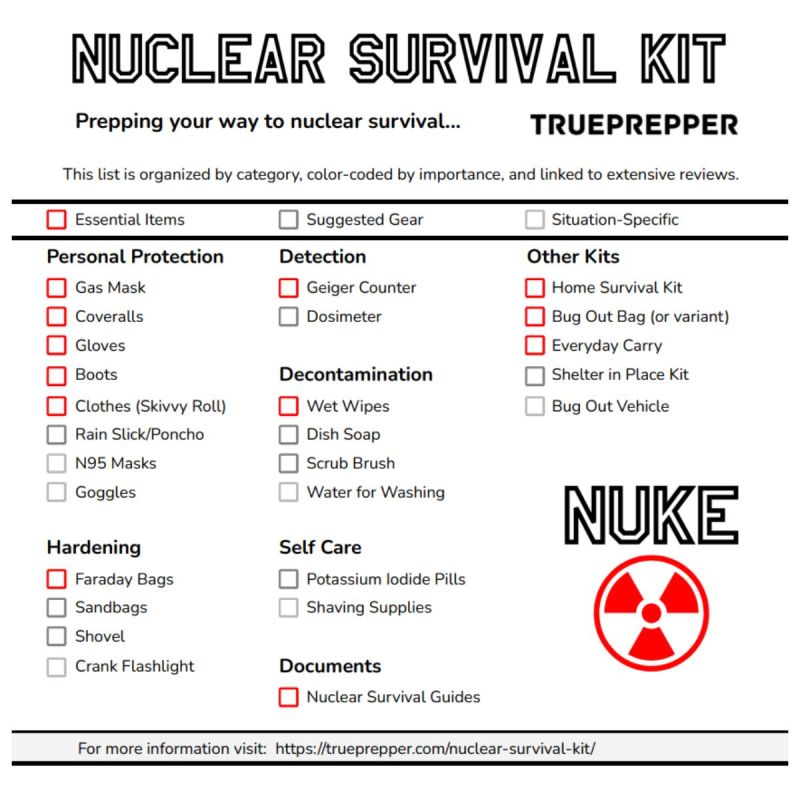
Credit: trueprepper.com
Demographics Of Survival Kit Owners
Understanding who owns survival kits helps reveal trends in preparedness. Different groups show varying interest in having survival gear. This section explores key demographic factors linked to survival kit ownership.
Age Groups
Survival kit ownership spans many ages but peaks in certain groups. Adults between 30 and 50 years old tend to own kits more often. Younger adults under 30 show less interest but are gradually increasing. Seniors over 60 own kits, often for safety and health reasons. Age influences the type and size of survival kits chosen.
Gender Breakdown
Men are more likely to have survival kits than women. This gap narrows among younger generations. Many women buy kits for family safety and emergencies. Interest in survival gear is growing for all genders. Both men and women focus on kit quality and usefulness.
Income Levels
Income affects the ability to buy survival kits. People with middle to high incomes buy more comprehensive kits. Lower-income groups often choose basic or budget-friendly options. Some may build kits gradually over time. Income shapes the variety and size of survival kits owned.
Popular Types Of Survival Kits
Survival kits come in many forms to suit different needs and situations. People choose kits based on their lifestyle, environment, and level of preparedness. Understanding the popular types helps identify what fits best for individual use. Each type offers specific tools and supplies to handle emergencies effectively.
Basic Emergency Kits
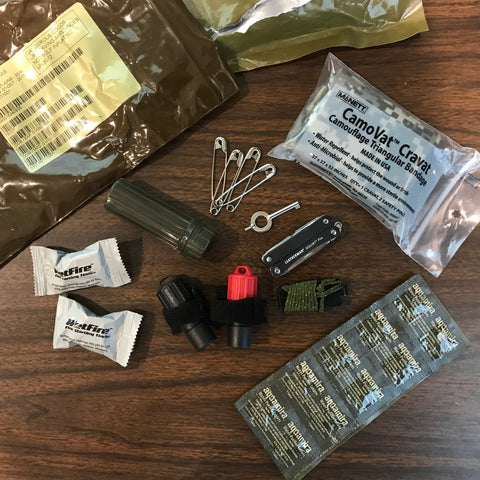
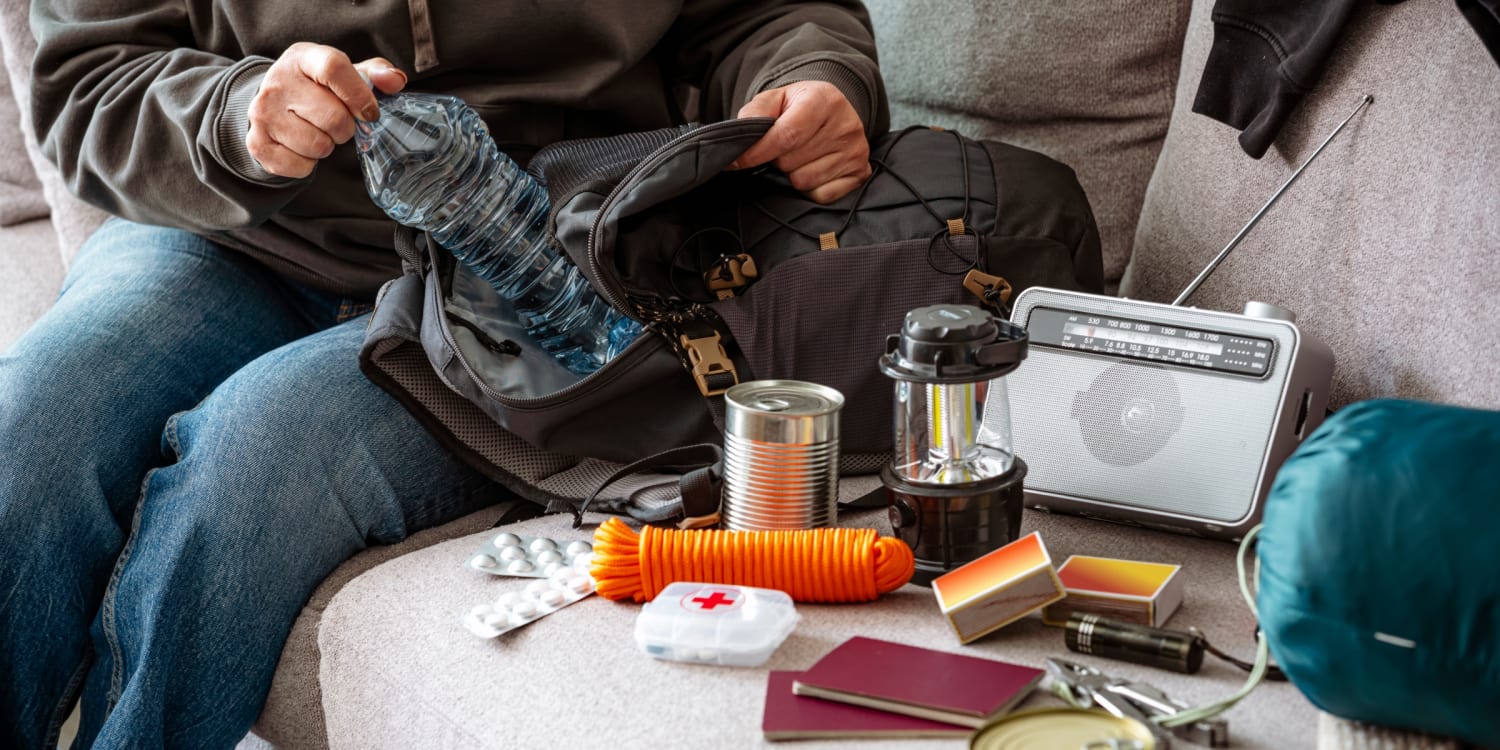
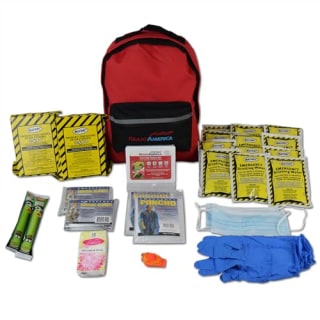
Basic emergency kits include essential items for short-term survival. These kits often contain:
- Water and water purification tablets
- Non-perishable food items
- First aid supplies
- Flashlight and extra batteries
- Multi-tool or knife
- Emergency blanket
- Whistle for signaling
They suit people who want quick and simple preparedness. Easy to carry and affordable, they cover basic needs during common emergencies.
Advanced Preparedness Kits
Advanced kits offer more comprehensive supplies for longer survival periods. They include everything in basic kits plus:
- Portable stove and fuel
- Water filtration system
- Extra clothing and shelter materials
- Navigation tools like compass or GPS
- Fire-starting tools
- Specialized medical supplies
These kits target serious preppers and those living in remote areas. They prepare users for extended emergencies or disasters.
Specialized Kits For Different Scenarios
Specialized kits address specific emergency types or environments. Examples include:
- Urban survival kits with self-defense items
- Vehicle emergency kits for roadside breakdowns
- Winter survival kits with cold weather gear
- Natural disaster kits tailored for earthquakes or floods
- Bug-out bags for quick evacuation
These kits adapt to unique risks and user needs. They ensure preparedness in particular situations or locations.
Motivations Behind Owning A Survival Kit
Understanding why people choose to own survival kits reveals a lot about their priorities and concerns. Each kit tells a story of personal values and the realities people face. Whether it’s to prepare for the unpredictable or to support an adventurous lifestyle, the motivations are varied and practical.
Natural Disaster Preparedness
Many people keep survival kits ready because natural disasters can strike with little warning. Earthquakes, hurricanes, floods, and wildfires push individuals to think ahead. Having essentials like water, first-aid supplies, and food ensures you can stay safe until help arrives.
Think about your area—is it prone to any specific disaster? Preparing a kit tailored to those risks can make a real difference in a crisis. It’s not just about survival; it’s about peace of mind knowing you have what you need.
Personal Safety Concerns
Some owners focus on survival kits for personal safety due to urban challenges or unexpected emergencies. Whether you live in a busy city or a remote area, having tools like a flashlight, multipurpose knife, or emergency whistle can be crucial. These items help you stay in control when situations turn unpredictable.
Have you ever faced a power outage or a car breakdown at night? A survival kit can transform a stressful moment into a manageable one. It’s about empowering yourself to act calmly and confidently.
Outdoor And Adventure Activities
For those who love hiking, camping, or exploring the outdoors, survival kits are essential companions. Outdoor adventures come with their own risks—getting lost, sudden weather changes, or injuries. A well-stocked kit with navigation tools, fire starters, and emergency blankets can keep you safe and comfortable.
Are you planning your next trip? Packing a survival kit tailored to your adventure type makes a big difference. It’s not just about emergencies; it’s about enhancing your overall experience by being prepared.
Barriers To Owning A Survival Kit
Owning a survival kit sounds like a smart move, but many people still don’t have one. Various barriers stop them from taking that step. Understanding these obstacles can help you see why survival kits aren’t as common as you might expect—and maybe encourage you to prepare better.
Cost Factors
Survival kits can seem expensive at first glance. A well-stocked kit with quality items can cost anywhere from $50 to several hundred dollars. This price tag makes many hesitate, especially if they’re unsure how often they’ll actually need it.
But think about this: how much would you spend on emergency services or replacing lost essentials after a disaster? Sometimes, the upfront cost saves you from bigger expenses later. You don’t have to buy everything at once; building your kit gradually can spread out the cost.
Lack Of Awareness
Many people simply don’t know what a survival kit is or what it should include. Without clear information, they don’t realize the benefits or how easy it is to prepare. This gap in knowledge keeps survival kits off the priority list.
Have you ever tried explaining something you didn’t understand yourself? It’s tough. That’s why education about survival kits is crucial. Simple guides and community workshops can make a big difference in helping people get started.
Perceived Necessity
Some think survival kits are only for extreme scenarios that “won’t happen to me.” This mindset creates a false sense of security and delays action. After all, why spend time and money on something that feels irrelevant?
But emergencies don’t announce themselves before arriving. Weather changes, accidents, and power outages happen without warning. Ask yourself: what would you do if your phone died and help was hours away? Owning a survival kit isn’t about fear—it’s about being ready for the unexpected.
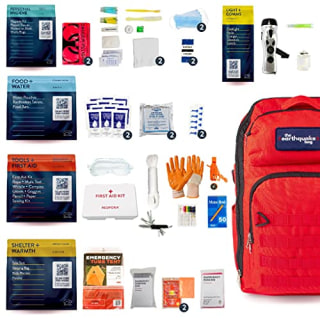
Credit: www.nbcnews.com
Trends Influencing Survival Kit Popularity
Survival kits have gained attention in recent years, but what exactly drives their rising popularity? A mix of real-world events, media influence, and community efforts shape how many people decide to prepare. Understanding these trends helps you see why having a survival kit might be more common than you think—and why it could matter for you too.
Impact Of Recent Disasters
Natural disasters like hurricanes, wildfires, and earthquakes have made survival kits more relevant. When a major storm hits, you often hear stories of people relying on their kits to get through power outages or evacuations.
Take the California wildfires as an example—many residents started stocking up on essentials after seeing how quickly conditions changed. Have you noticed how the urgency to prepare spikes right after such events? That’s no coincidence.
Media And Pop Culture
TV shows, movies, and online content often depict survival scenarios, sparking curiosity and concern about being ready. Popular series about post-apocalyptic worlds or outdoor survival skills inspire viewers to think about their own preparedness.
You might have seen influencers demonstrating survival gear or sharing tips on social media. This exposure makes survival kits feel accessible and even trendy, rather than something only for extreme adventurers.
Government And Community Initiatives
Local governments and organizations frequently run campaigns encouraging people to prepare emergency kits. These programs often provide checklists and resources, making it easier for you to start your own kit.
Community drills and workshops also raise awareness and normalize the idea of having a survival kit at home. When your neighbors talk about readiness, it can motivate you to join in and protect your family too.
Credit: www.nbcnews.com
Frequently Asked Questions
How Many People Own A Survival Kit Worldwide?
Approximately 30-40% of adults globally own some form of survival kit. Ownership varies by region, risk awareness, and lifestyle. People in disaster-prone areas are more likely to have survival kits for emergencies and safety preparedness.
Why Do People Keep Survival Kits At Home?
People keep survival kits at home to prepare for emergencies. Kits help with basic needs like food, water, and first aid. They provide peace of mind during natural disasters, power outages, or unexpected crises.
What Items Are Commonly Found In Survival Kits?
Common survival kit items include water, non-perishable food, first aid supplies, flashlight, batteries, and a multi-tool. These essentials help individuals survive short-term emergencies safely and comfortably.
How Often Do People Update Their Survival Kits?
Most survival kit owners update their kits every 6 to 12 months. Regular updates ensure supplies remain usable and relevant. Checking expiration dates and replacing worn items is crucial for preparedness.
Conclusion
Many people do not have a survival kit ready. This leaves them unprepared for emergencies. Having a kit can save time and lives. It is simple to start building one today. Basic items like water, food, and first aid help a lot.
Small steps make a big difference in safety. Everyone should think about their own needs. Being ready means feeling safer and more confident. Survival kits are important for families and individuals. Take action now to protect yourself and loved ones.