Have you ever wondered if matches are still a must-have in your survival kit? With so many new tools and gadgets available, it’s easy to think that traditional matches might be outdated.
But before you toss them aside, consider this: your ability to start a fire quickly and reliably could depend on the simplest item in your pack. You’ll discover why matches might still be your best ally when survival is on the line—and when you might want to look for alternatives.
Keep reading to make sure your kit really has what it takes.

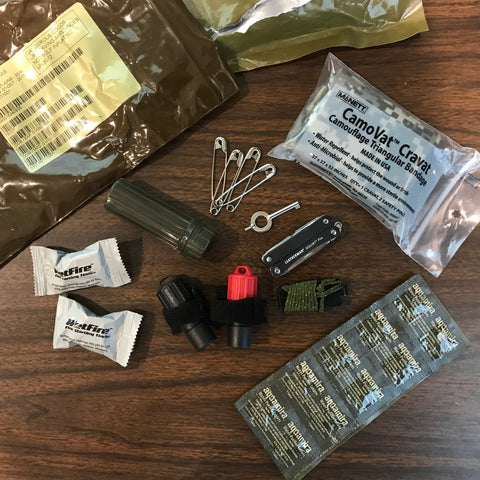
Credit: unchartedsupplyco.com
Role Of Matches In Survival Kits
Matches have played an important role in survival kits for decades. They provide a quick and simple way to start a fire. Fire is essential for warmth, cooking, and signaling in emergency situations. Even with new fire-starting tools, matches remain useful for many survivalists.
Matches are small, lightweight, and easy to carry. They do not require special skills to use. This makes them ideal for beginners and experts alike. Their role in survival kits is still relevant today despite some new technologies.
Traditional Fire Starting Methods
Fire has been started using many traditional ways. These include:
- Friction methods like bow drill and hand drill
- Flint and steel sparks
- Using natural materials like dry leaves and twigs
These methods can be difficult and need practice. Matches offer a faster and more reliable option in emergencies.
Types Of Matches Used In Survival
Different types of matches suit various survival needs:
- Safety matches:Strike only on special surfaces.
- Strike-anywhere matches:Can ignite on any rough surface.
- Waterproof matches:Designed to work even when wet.
- Windproof matches:Built to resist strong winds.
Choosing the right match depends on the environment and conditions you expect.
Advantages Of Carrying Matches
- Easy to use without special skills.
- Lightweight and compact for any kit.
- Quick ignition saves time in emergencies.
- Works well with dry tinder for fast fire.
- Inexpensive and widely available.
Matches provide a dependable backup alongside modern fire starters. They remain a practical choice for many survival situations.
Limitations Of Matches In The Wild
Matches have long been a staple in survival kits. They offer a simple way to start a fire quickly. Still, their usefulness in the wild has limits. Knowing these limits helps you prepare better for outdoor adventures.
Vulnerability To Moisture
Matches lose their ability to ignite when wet. Rain, dew, or humidity can ruin them fast. Even waterproof matches can fail if not stored properly. Moisture is a common challenge in many outdoor environments.
Shelf Life And Durability Issues
Matches do not last forever. Over time, the chemicals on the match heads can degrade. Storage conditions affect their lifespan greatly. Rough handling can break matches, making them useless.
Environmental Challenges
Wind can blow out matches easily. Starting a fire in strong wind becomes difficult. Cold temperatures may also affect ignition. Finding dry tinder in damp forests is another hurdle.
Modern Fire Starting Alternatives
Modern fire-starting tools have changed survival kits significantly. Traditional matches face challenges like moisture and fragility. New alternatives offer greater reliability and convenience. These tools work well in many weather conditions. They help start a fire quickly and safely, essential in survival situations.
Lighters And Their Benefits
Lighters are compact and easy to use. They provide a steady flame with just a flick. Windproof models withstand harsh weather better than matches. Many use refillable fuel, saving money over time. They weigh little, making them ideal for backpacking. Lighters also ignite quickly, reducing fire-starting time.
Fire Steel And Ferrocerium Rods
Fire steels produce sparks by scraping the rod with a metal striker. They work well even when wet. Ferrocerium rods last for thousands of strikes. They don’t rely on fuel or batteries. Lightweight and durable, they fit easily in any kit. Fire steels require practice but offer reliable ignition.
Battery-powered Fire Starters
Battery-powered fire starters use electricity to create heat or sparks. Some models have built-in rechargeable batteries. They can ignite tinder quickly without any flame. These devices work well in wet or windy weather. Compact and reusable, they reduce the need for extra fuel. Ideal for tech-savvy survivalists seeking modern solutions.
Comparing Matches With New Tools
When you think about survival kits, matches are often the first item that comes to mind for starting a fire. But new fire-starting tools like lighters, ferro rods, and fire steels have made many people question if matches are still necessary. Comparing these options helps you decide what fits best in your kit based on real-world needs.
Reliability In Different Conditions
Matches can be unreliable in wet or windy weather. Even waterproof matches might fail if they get soaked or if the wind is too strong. On the other hand, ferro rods produce sparks regardless of moisture, making them a solid choice when conditions are tough.
However, a lighter can be very reliable if it’s well-made and kept dry. But once it runs out of fuel or gets damaged, you lose your fire source completely. Have you ever struggled to light a match or a lighter in a strong wind? That frustration is why many survival experts carry multiple fire-starting tools.
Ease Of Use And Skill Requirements
Matches are simple—you just strike and light. This makes them beginner-friendly and quick to use. If you’re new to survival gear, matches don’t demand much skill or practice.
New tools like ferro rods require technique and practice to create a spark and ignite tinder. While this can be challenging at first, mastering it gives you confidence in any situation. Lighters, while easy to use, need careful handling to avoid running out of fuel or breaking.
Portability And Weight
Matches are lightweight but bulky if you want to carry enough to be safe. Waterproof matchboxes add some weight but improve durability. Still, they take up more space compared to modern tools.
Ferro rods are compact and incredibly light, often lasting thousands of strikes without needing replacement. Lighters are small and light but can add weight if you carry multiple for backup. When packing your kit, consider how much room you have and the weight you can comfortably carry.
When To Include Matches In Your Kit
Knowing when to include matches in your survival kit can make a significant difference in your ability to start a fire quickly and safely. Matches are simple, reliable, and often overlooked in favor of more modern fire-starting tools. But there are specific situations where having a box of matches could save you time and effort, especially when conditions are less than ideal.
Backup Options For Fire Starting
Matches should never be your only fire-starting tool. Having backup options like a lighter, fire steel, or waterproof tinder can keep you prepared if your matches get wet or run out.
Consider packing waterproof matches or storing regular matches in a sealed plastic bag. This small step protects them from moisture and increases your chances of success. You don’t want to rely solely on one method when your survival depends on fire.
Situations Favoring Matches
Matches work best in calm weather and when you need to start a fire quickly. They ignite easily and don’t require much skill, unlike flint and steel or friction methods.
If you’re in a dry forest or have dry tinder available, matches can be your fastest option. Also, when you’re in a hurry to boil water or cook, matches save precious time compared to other methods.
Combining Matches With Other Tools
Using matches alongside other fire-starting tools increases your survival chances. For example, you can use a lighter for quick ignition and matches as a backup.
Pairing matches with fire starters like cotton balls soaked in petroleum jelly or commercial tinder can make lighting a fire easier in challenging conditions. This combo gives you flexibility—matches for speed, and other tools for reliability.
Maintenance And Storage Tips
Maintaining and storing matches properly keeps them reliable in survival kits. Poor care can make matches useless when you need them most. Simple steps help protect matches from damage and extend their life.
Dry, safe storage preserves their ability to ignite quickly. Checking matches regularly ensures they work well after long storage. Use these tips to keep matches ready for emergencies.
Protecting Matches From Moisture
Matches fail when exposed to water or high humidity. Keep matches in airtight containers to block moisture. Silica gel packets absorb any moisture inside storage containers. Avoid storing matches near water sources or damp places. Use waterproof matchboxes for extra protection during outdoor trips.
Best Packaging Practices
Choose sturdy, compact containers for match storage. Metal or plastic boxes with tight lids work well. Wrap matches in wax paper or plastic sleeves to prevent friction. Label containers clearly to avoid opening them unnecessarily. Store matches separately from other gear to prevent accidental ignition.
Checking Expiry And Quality
Check matches regularly for damage or wear. Look for discoloration, broken tips, or moisture signs. Test a few matches to confirm they ignite easily. Replace matches every few years, even if unused. Use fresh matches for critical survival situations to ensure reliability.
Personal Preferences And Survival Styles
Your approach to survival gear often reflects who you are and how you handle challenges. Personal preferences and survival styles shape what you pack and why. This holds true especially when deciding if matches still have a place in your survival kit.
Minimalist Vs Comprehensive Kits
Minimalists favor lightweight, compact kits with only essentials. They might skip matches, relying on a flint or ferrocerium rod instead. Their mindset is about reducing bulk and trusting their skills over convenience.
On the other hand, those with comprehensive kits include multiple fire-starting options, including matches. They prepare for all scenarios, knowing that matches can fail if wet or crushed. This layered approach offers peace of mind but adds weight.
Skill Levels And Fire Starting Choices
Your experience with fire-starting tools influences your preference. Beginners often prefer matches because they’re straightforward and familiar. This lowers stress in emergencies and boosts confidence.
Advanced survivalists may view matches as obsolete, favoring techniques like bow drills or ferro rods. They enjoy the challenge and reliability of these methods, especially in harsh conditions. Does your skill set make matches a backup or a primary tool?
Cultural And Regional Influences
Where you live impacts your survival kit choices significantly. In wet climates, matches are less reliable, so alternatives gain importance. In dry regions, matches might work just fine and be easier to source.
Cultural traditions also play a role. Some communities pass down fire-starting methods that exclude matches. Others integrate modern tools with traditional wisdom. How does your background shape what you trust in a survival situation?

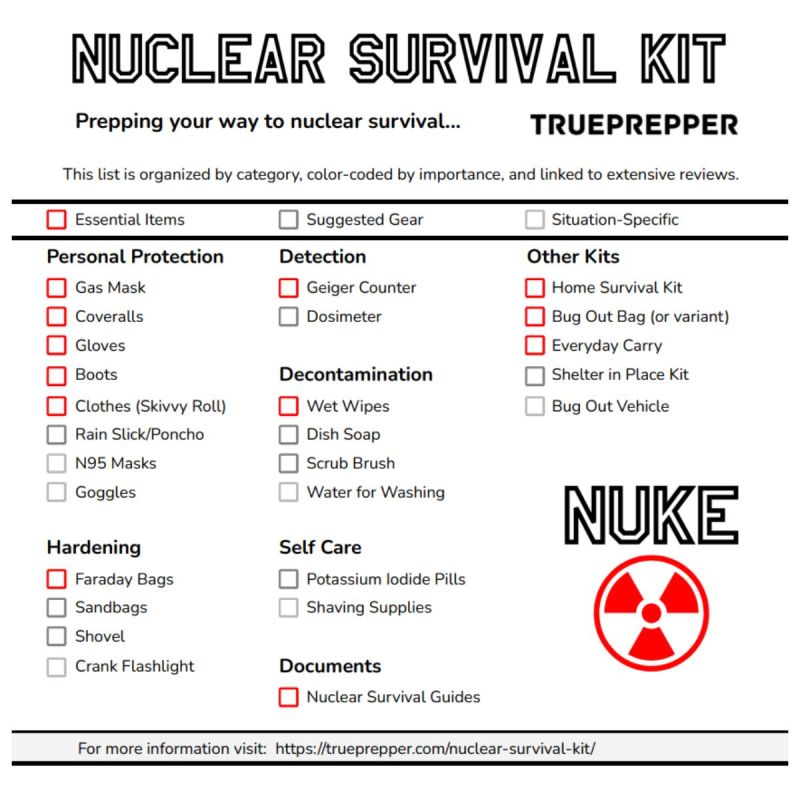
Credit: trueprepper.com
Credit: 5col.com
Frequently Asked Questions
Are Matches Still Useful In Modern Survival Kits?
Yes, matches remain useful for fire-starting in survival kits. They are lightweight, inexpensive, and easy to use, making them reliable in emergencies.
How Do Matches Compare To Lighters In Survival Situations?
Matches are more vulnerable to moisture but cheaper and disposable. Lighters are reusable and wind-resistant but can fail if fuel runs out.
Can Waterproof Matches Replace Traditional Matches In Kits?
Waterproof matches enhance durability and reliability by resisting moisture. They are a better option for wet or harsh environments in survival kits.
Why Might Some Consider Matches Obsolete In Survival Kits?
Some view matches as obsolete due to newer fire-starting tools like ferro rods. However, matches are still practical for quick, easy fire ignition.
Conclusion
Matches still hold value in survival kits for starting fires quickly. They work well in dry conditions and are easy to use. But they can get wet or break, so keep extras sealed tight. Carrying other fire starters adds safety and reliability to your kit.
Fire is crucial for warmth, cooking, and signaling. Don’t rely on just one method. A mix of tools ensures you stay prepared in any situation. Simple, dependable tools often perform best when you need them most.