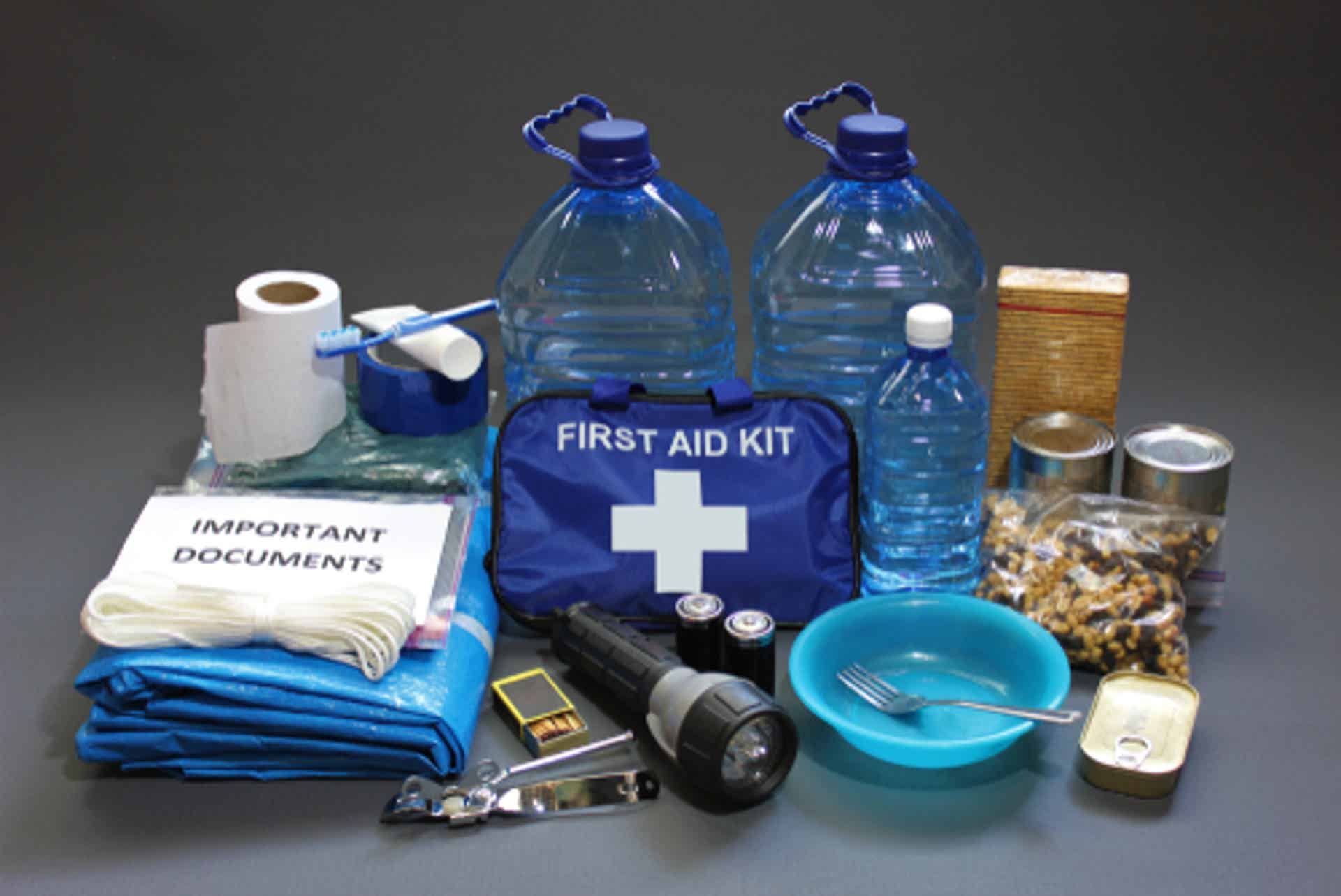
When it comes to preparing your survival kit, one question stands above the rest: how much water do you really need? Water isn’t just a basic necessity—it’s the lifeline that keeps you going when everything else falls apart.
If you don’t have the right amount, your safety and health could be at serious risk. You’ll discover exactly how much water to pack, why it matters, and smart tips to make sure you never run dry in an emergency.
Keep reading, because your survival could depend on it.
Credit: www.ebay.ca
Water Needs For Survival
Water is essential for survival in any emergency situation. Knowing how much water to include in your survival kit can save lives. The amount depends on many factors, such as activity level and environment. Understanding your water needs helps you prepare better and stay safe.
Daily Water Requirements
The average person needs about 2 to 3 liters of water daily. This amount supports basic body functions. Drinking enough water prevents dehydration and keeps energy levels steady. In survival situations, aim for at least one gallon (about 3.8 liters) per person each day. This covers drinking, cooking, and basic hygiene.
Factors Affecting Water Intake
Several factors increase or decrease water needs:
- Physical activity: More activity means more water loss through sweat.
- Health: Illnesses like fever or diarrhea increase water loss.
- Age: Children and elderly may need different amounts.
- Diet: High salt or spicy foods can increase thirst.
Water Needs In Different Climates
Climate greatly affects water requirements. Hot climates cause faster water loss through sweat. Cold climates may reduce thirst but still require enough water to prevent dehydration. Humid areas increase sweating, raising water needs. In dry or desert climates, drink more water to stay hydrated.
Types Of Water Containers
Choosing the right water container for your survival kit is crucial. It affects not just how much water you can carry, but also how easy it is to access and use in an emergency. Different containers serve different needs, so understanding their advantages helps you prepare better.
Durable Bottles And Cans
Durable bottles and cans are the backbone of any survival kit. Made from materials like stainless steel or BPA-free plastic, they can withstand drops and rough handling. I once relied on a metal bottle during a weekend hike, and it survived multiple falls without leaking or breaking.
These containers are great for long-term storage because they don’t easily degrade or absorb odors. Look for ones with secure, leak-proof caps to avoid spills. Would you rather carry a heavy but tough bottle or a lightweight but fragile one? Your answer depends on your survival scenario.
Collapsible Water Bags
Collapsible water bags are perfect when space is limited. They fold flat when empty, saving room in your pack until you need them. I found these handy on a multi-day trip where every ounce and inch of space mattered.
They are usually made from durable plastic or silicone and can hold large amounts of water. However, they aren’t as sturdy as hard bottles and can be punctured if not handled carefully. Could you balance convenience with caution when choosing collapsible bags?
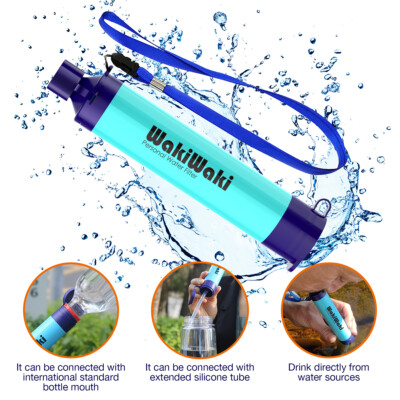
Portable Water Filters
Portable water filters don’t store water but allow you to safely drink from natural sources. They are lifesavers when your supply runs low or you’re in the wild for extended periods. I once filtered water from a stream using a compact filter that fit right in my pocket.
These devices remove bacteria and protozoa, making water safe on the go. Including a filter means you don’t have to carry as much water upfront, which lightens your load. How confident are you about sourcing water safely in an emergency?
Water Storage Tips
Storing water correctly is crucial for any survival kit. It’s not just about having enough water but making sure it stays safe and drinkable over time. Let’s dive into practical tips that help you keep your water fresh and ready when you need it most.
Safe Storage Practices
Choose containers made of food-grade plastic or glass to avoid harmful chemicals leaching into your water. Avoid using containers that once held milk or juice, as they can harbor bacteria even after thorough cleaning.
Keep your water containers in a cool, dark place. Exposure to sunlight or heat can promote algae growth and degrade the container, affecting water quality. Label your containers with the date of storage so you can rotate your supply regularly.
Preventing Contamination
Always wash your hands before handling water containers to reduce the risk of introducing germs. Use clean funnels and taps when filling or dispensing water to avoid dirt and bacteria.
If you refill containers from a larger supply, never let the spout or opening touch any surfaces or your hands. This simple habit can prevent contamination that might spoil your entire water reserve.
Long-term Storage Solutions
Consider using water purification tablets or drops for extended storage. These products can kill bacteria and viruses without altering the taste much.
For very long-term needs, rotating your water supply every six months ensures freshness. Some people keep a small amount of bleach (unscented, at 8.25% concentration) handy—adding about 8 drops per gallon can disinfect water if needed.
Have you thought about how your storage choice might affect water taste or safety months down the line? Small steps in storage can make a big difference when you rely on your survival kit.

Credit: limatangosurvival.com
Water Purification Methods
Water purification is essential for survival kits. Clean water prevents illness and dehydration. Various methods remove harmful bacteria, viruses, and chemicals. Choose a method based on resources and situation. Each method has benefits and limitations.
Boiling And Chemical Treatments
Boiling water kills most germs and parasites. Boil water for at least one minute for safety. Chemical treatments use tablets or drops. Common chemicals include iodine and chlorine. They kill bacteria and viruses effectively. Chemical taste can be strong but can be masked. Always follow instructions for correct usage.
Filtration Systems
Filters remove dirt, bacteria, and some viruses. Portable filters work well for outdoor survival kits. Choose filters with small pore sizes for better protection. Some filters combine charcoal to improve taste. Filters need regular cleaning and replacement. They do not always remove viruses, so combine with other methods.
Uv Light Purifiers
UV purifiers use ultraviolet light to kill germs. They are lightweight and easy to use. UV light disrupts the DNA of bacteria and viruses. Requires clear water for best results. Batteries or power source needed for operation. UV purifiers do not remove particles or chemicals. Use with a filter for clearer water.
Calculating Water For Different Scenarios
Calculating the right amount of water for your survival kit depends heavily on the situation you expect to face. Different scenarios demand different quantities, so understanding these nuances can save you from either carrying too much or risking dehydration. Let’s break down how your water needs change based on the people involved, the duration, and the intended use.
Single Person Vs Group Needs
A single person typically needs about one gallon (3.8 liters) of water per day for drinking and basic hygiene. But what happens when you prepare for a group? The total water requirement multiplies quickly, and storage becomes a key challenge.
For example, a family of four will require roughly four gallons daily, but don’t just multiply blindly. Groups may share resources like cooking water or hygiene supplies, which can slightly reduce total needs. Still, always plan for a bit more than the exact math to account for unexpected situations.
Short-term Vs Long-term Survival
Short-term survival means preparing for a few days to a week. In this case, having enough water for three days is crucial since emergency services often intervene within this timeframe. A minimum of three gallons per person is a solid baseline.
Long-term survival demands a different approach. You need a sustainable water source or a reliable method to purify and store water. Carrying all your water for weeks is impractical, so consider how you’ll replenish your supply.
Emergency Vs Daily Use
In emergencies, your water needs spike due to stress, physical activity, and possibly hotter conditions. You should pack more than your usual daily intake to stay fully hydrated.
For daily use, especially in non-emergency settings like camping or hiking, your water consumption might be lower because you can access natural sources or refill points. However, always carry a backup amount just in case.
Ask yourself: Can you realistically carry enough water for every scenario? Planning for flexibility helps you avoid dehydration and reduces unnecessary weight.
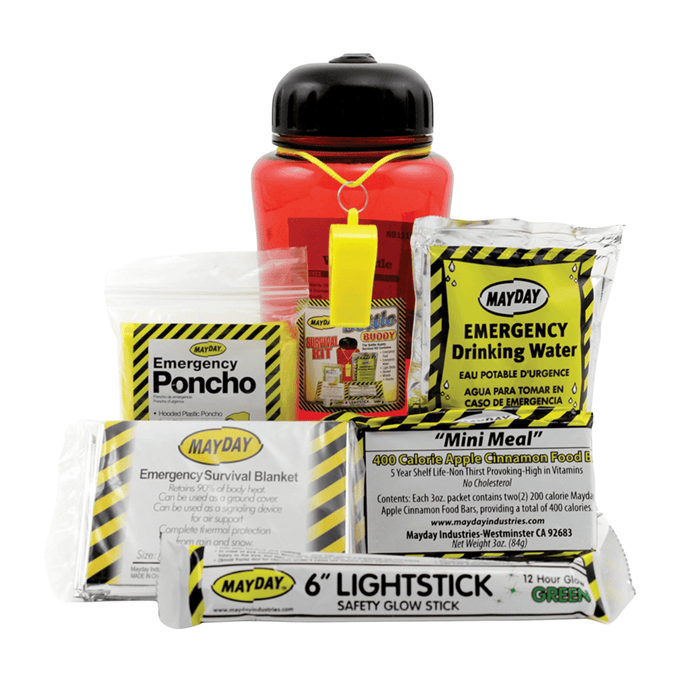
Credit: www.safetykitsplus.com
Additional Hydration Tips
Proper hydration is crucial for survival, especially in emergency situations. Knowing how to spot dehydration and finding ways to stay hydrated can save lives. Here are some important tips to keep your body working well.
Signs Of Dehydration
- Dry mouth and lips
- Dark yellow urine
- Dizziness or light-headedness
- Fatigue and weakness
- Rapid heartbeat or breathing
- Confusion or irritability
Recognizing these signs early helps prevent serious health issues.
Alternatives To Drinking Water
Sometimes pure water is scarce. Other liquids can help maintain hydration:
- Oral rehydration solutions with salts and sugars
- Herbal teas without caffeine
- Soups and broths for fluid and nutrients
- Fruits and vegetables with high water content like cucumbers and watermelon
These options provide fluids and essential minerals needed for hydration.
Maintaining Hydration Efficiency
- Drink small amounts often instead of large gulps
- Avoid caffeine and alcohol as they cause fluid loss
- Rest in shaded or cool areas to reduce sweating
- Wear light, loose clothing to stay cool
- Use water purification methods to ensure safe drinking water
These habits help your body use water better and prevent dehydration.
Frequently Asked Questions
How Much Water Is Needed For A Survival Kit?
A survival kit should have at least one gallon of water per person per day. This amount covers drinking and basic hygiene needs. For longer emergencies, store water for at least three days or more, depending on the situation and number of people.
How Long Can Stored Water Last In A Survival Kit?
Properly stored water can last up to six months to one year. Use clean, airtight containers and keep them in a cool, dark place. Replace the water every six months to ensure freshness and safety for consumption during emergencies.
What Type Of Water Containers Are Best For Survival Kits?
Use food-grade, BPA-free plastic containers or glass bottles with airtight seals. Avoid containers that can leach chemicals or break easily. Collapsible water pouches are also good for saving space and easy transport in survival kits.
Should I Include Water Purification Methods In My Survival Kit?
Yes, include water purification tablets, filters, or portable purifiers. These tools help make unsafe water drinkable when stored water runs out. Always have backup purification methods to ensure access to clean water during emergencies.
Conclusion
Water is the most important part of any survival kit. Carry enough for at least three days. Aim for one gallon per person each day. Store water safely to avoid contamination. Remember, clean water keeps you healthy and strong. Check your supplies often and replace old water.
Being ready means staying hydrated in emergencies. Simple steps like these can save lives. Always plan your water needs carefully. Stay prepared, stay safe.