When you’re choosing a survival knife, the steel quality can make all the difference. If you prefer a blade without any coating—something raw, reliable, and easy to maintain—you’ve probably wondered, who actually makes non-coated 1095 steel survival knives?
You want a knife that stands up to tough conditions and feels natural in your hand. You’ll discover the top makers crafting these rugged tools, so you can pick the perfect knife for your next adventure or everyday carry. Keep reading to find out which brands deliver the durability and performance you need.

Credit: www.amazon.ca
Top Brands For 1095 Steel Knives
1095 steel is a popular choice for survival knives. It offers a good balance of toughness and edge retention. Many top brands use non-coated 1095 steel in their knives. These brands focus on durability and performance for outdoor use.
Here are some trusted names known for making quality 1095 steel survival knives. Each brand has a strong reputation in the knife community.
Condor Tool & Knife
Condor Tool & Knife is known for rugged outdoor knives. Their 1095 steel blades are thick and strong. Many models come with full tang construction for extra strength. These knives handle tough tasks well in the wild.
Ka-bar
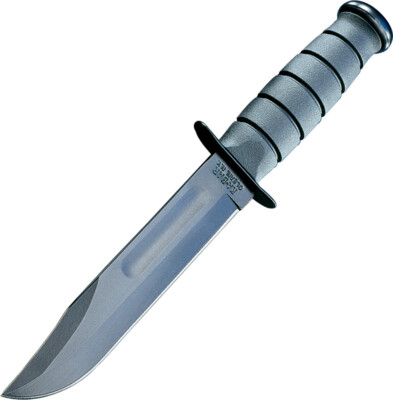
Ka-Bar is a classic American knife brand. They use 1095 steel in several survival and combat knives. Their blades are easy to sharpen and hold a solid edge. Ka-Bar knives have a loyal following among outdoorsmen.
Ontario Knife Company
Ontario Knife Company makes durable knives for military and outdoor use. Their 1095 steel blades are heat-treated for toughness. Many survival knives from Ontario have ergonomic handles. They balance comfort and utility.
Bk&t (bradley Kimura & Tom Brown Jr.)
BK&T knives use 1095 steel for serious survival gear. These knives focus on strength and reliability. The steel is often left uncoated to improve grip and ease of sharpening. BK&T knives are favored by survival experts.
Fallkniven
Fallkniven offers high-quality knives with 1095 steel cores. Their blades combine toughness with corrosion resistance. The non-coated edges are easy to maintain in the field. Fallkniven knives are designed for harsh environments.
Credit: www.ebay.com
Benefits Of Non-coated 1095 Steel
Non-coated 1095 steel is a popular choice for survival knives. It offers unique benefits that many users appreciate. The absence of coating allows the steel to behave naturally during use. This means better control and easier maintenance in the field.
Many survival enthusiasts prefer non-coated 1095 steel for its toughness. The steel has high carbon content, which makes the blade hard and sharp. It also holds an edge well, even after heavy use. The natural finish lets you see and feel the quality of the metal.
Durability And Strength
Non-coated 1095 steel is strong and durable. It can handle tough tasks like chopping wood and cutting rope. The steel resists impact well without cracking or breaking. Users trust this steel for survival situations where reliability matters most.
Ease Of Sharpening
This steel is easy to sharpen in any setting. The lack of coating means you can quickly restore the blade’s edge. You do not need special tools or techniques. A simple sharpening stone works well for field maintenance.
Natural Rust Patina
Non-coated 1095 steel develops a natural rust patina over time. This patina acts as a protective layer against deep rust. It also gives the knife a unique look. The patina is a sign of a well-used, trusted tool.
Better Grip And Control
The natural steel surface provides better grip. It prevents the blade from slipping during use. This improves safety and precision. Users feel more confident handling their knives in various conditions.
Popular Survival Knife Models
Many trusted brands make survival knives using non-coated 1095 steel for durability and easy sharpening. These knives suit outdoor use and tough conditions well. Popular makers focus on strong, reliable blades without extra coatings.
When you’re out in the wild, having a reliable survival knife can be the difference between a successful adventure and a challenging ordeal. Non-coated 1095 steel survival knives are popular for their durability and edge retention. Let’s dive into some popular models that stand out in this category.Ka-bar Becker Bk2 Campanion
The KA-BAR Becker BK2 Campanion is a favorite among outdoor enthusiasts. Known for its robust 1095 Cro-Van steel, this knife is designed to handle tough tasks like chopping wood and preparing food. Its ergonomic handle ensures a comfortable grip, even during extended use.Esee-5 Survival Knife
The ESEE-5 is another top contender, designed by military SERE instructors for survival, escape, resistance, and evasion situations. This knife features a thick 1095 steel blade, making it incredibly tough and suitable for heavy-duty tasks. Its full tang construction adds to its reliability and strength.Ontario Rat-5
The Ontario RAT-5 is a versatile tool with a 5-inch blade that balances strength and maneuverability. Made from high-quality 1095 steel, it offers excellent edge retention. The micarta handle provides a secure grip, which is crucial when performing precise tasks.Condor Bushlore
The Condor Bushlore is perfect for those who appreciate simplicity and functionality. Its 1095 steel blade is easy to sharpen, making it ideal for beginners and experienced users alike. The walnut handle adds a touch of elegance while providing a firm grip. Are you ready to choose the right knife for your next adventure? Consider your needs and preferences to find a model that complements your survival skills. Remember, the best knife is the one that feels like an extension of your hand in the wild.Craftsmanship And Design Features
Understanding the craftsmanship and design behind non-coated 1095 steel survival knives reveals why these tools stand out in durability and performance. The raw strength of 1095 steel combined with expert shaping ensures these knives handle tough outdoor tasks without relying on protective coatings. This makes the craftsmanship even more critical, as every detail must compensate for the absence of surface treatments.
Blade Forging And Heat Treatment
The strength of a 1095 steel blade comes from precise forging and heat treatment. Skilled makers heat the steel to exact temperatures, then cool it rapidly to enhance hardness and edge retention. This process requires experience to avoid brittleness while ensuring the blade stays sharp longer.
You might wonder why no coating is used. The heat treatment itself creates a resilient surface, and careful finishing protects the blade against rust naturally.
Ergonomic Handle Design
Comfort during prolonged use is vital in survival knives. Craftsmen design handles to fit your hand securely, using materials like micarta, wood, or G10 that offer grip even when wet. You’ll notice textured patterns and finger grooves that prevent slipping, reducing fatigue in critical situations.
Have you ever struggled with a knife handle that felt awkward or unsafe? Paying attention to handle design can make a huge difference in your survival experience.
Blade Geometry And Edge Style
The shape and grind of the blade impact its versatility. Makers often choose a drop point or clip point blade for balance between piercing and slicing. The edge is sharpened with a flat or convex grind, allowing you to perform tasks like wood carving, food prep, or self-defense efficiently.
What tasks do you expect your survival knife to handle? Knowing this helps you select the right blade geometry that matches your needs.
Attention To Detail And Finishing
Every inch of a non-coated 1095 steel knife is polished and inspected carefully. Makers focus on smooth transitions between blade and handle, eliminating sharp edges that can cause blisters or snag on gear. Rivets and pins are flush to the handle surface, adding to comfort and durability.
This kind of attention to detail shows respect for the user’s experience and ensures the knife performs reliably when it matters most.
Price Range And Value
Understanding the price range and value of non-coated 1095 steel survival knives is key to making a smart purchase. These knives vary widely in cost, depending on the manufacturer, craftsmanship, and included features. Knowing what you get for your money helps you decide which knife fits your needs and budget.
Affordable Options And What They Offer
Many brands produce budget-friendly 1095 steel survival knives that cost between $30 and $70. These knives often have basic designs with a simple handle and functional blade. While they may lack premium finishes or extras, they still deliver reliable sharpness and durability for everyday tasks.
If you’re just starting out or need a backup knife, these options provide solid value. You might sacrifice some comfort or aesthetic appeal, but the core performance remains dependable.
Mid-range Knives: Balancing Cost And Quality
The $70 to $150 price range hosts a variety of knives made by reputable makers. These knives usually offer better handle materials like micarta or G10 and improved blade geometry for enhanced cutting power. Some even come with sheath upgrades or added features like fire starters.
I once upgraded to a mid-range 1095 steel knife and immediately noticed the difference in grip comfort during long use. This price bracket is ideal if you want a reliable tool that lasts longer and feels better in hand without breaking the bank.
High-end Survival Knives And Their Unique Value
Premium non-coated 1095 steel knives can cost upwards of $150, sometimes reaching $300 or more. These knives often come from specialized makers who focus on craftsmanship, unique designs, and top-tier materials. You may find custom handles, precision heat treatment, or limited editions in this category.
Are you willing to invest in a knife that could become a lifelong companion or even a collectible? For some, the added value is not just in performance but in owning a piece crafted with passion and expertise.
How To Determine The Best Value For You
- Assess how often and intensely you’ll use the knife.
- Decide if comfort and extra features matter more than basic function.
- Consider your budget but weigh it against potential longevity and satisfaction.
Think about what you really need in a survival knife. Sometimes spending a bit more upfront saves money and frustration later. What qualities do you prioritize—durability, design, or price?

Credit: www.amazon.ca
User Reviews And Feedback
User reviews and feedback offer a real-world look at how non-coated 1095 steel survival knives perform beyond the specs sheet. These insights come from people who rely on their knives in various conditions—whether in the wilderness, during survival training, or for everyday tasks. Paying attention to their experiences can help you choose a knife that fits your needs and avoid common pitfalls.
User Durability Reports
Many users praise the toughness of 1095 steel, especially in survival knives without coatings. They often highlight how the blade holds up against heavy use, like chopping wood or cutting through tough materials. However, some mention the need for regular maintenance to prevent rust, since the steel lacks a protective coating.
Have you considered how often you’re willing to sharpen and oil your knife? This feedback suggests that if you prefer low-maintenance gear, non-coated 1095 steel might require more care than coated alternatives.
Performance In Various Environments
Feedback from users in different climates shows varied results. In dry, temperate conditions, these knives excel with minimal upkeep. But in humid or wet environments, many report quicker signs of corrosion.
One user shared that after a week of camping near a river, their knife developed surface rust despite careful cleaning. This highlights the importance of drying and oiling your knife after exposure to moisture.
Ergonomics And Handling
Users often comment on the grip and balance of their survival knives. Non-coated 1095 steel knives typically come with natural handle materials that offer solid grip even when wet. This enhances control during precise cuts or heavy-duty tasks.
Have you ever struggled with slippery handles during outdoor activities? Feedback shows that many prefer the tactile feel of natural handles over synthetic ones, which can become slick.
Value For Money
Many buyers appreciate the cost-effectiveness of non-coated 1095 steel knives. They often get a durable, sharp blade at a reasonable price. However, some users mention that the need for ongoing maintenance might add to the overall cost in time and supplies.
Is the upfront savings worth the extra effort for you? User reviews suggest balancing budget with how much time you want to spend caring for your knife.
Maintenance Tips For 1095 Steel
Maintaining your 1095 steel survival knife properly is key to keeping it sharp and rust-free. This type of steel is known for its toughness and ability to hold an edge, but it does require regular care to perform at its best. Neglecting simple maintenance can lead to corrosion and dullness, which can make your knife less reliable when you need it most.
Cleaning Your Knife After Use
After each use, wipe your knife blade with a clean cloth to remove dirt, moisture, and residue. If you’ve been cutting through sap, food, or other sticky materials, clean it with warm water and mild soap. Dry the blade thoroughly to prevent rust spots from forming.
Have you ever left your knife wet overnight only to find rust the next day? Avoid that by keeping your blade dry at all times.
Applying Protective Coatings
Since 1095 steel is prone to rust, applying a thin layer of oil can protect the blade. Use mineral oil, gun oil, or even light machine oil. This small step creates a barrier against moisture and air that can cause corrosion.
Don’t just think about the blade—apply oil to the pivot and handle joints if your knife has them. This keeps moving parts working smoothly and prevents rust buildup in hidden areas.
Sharpening And Honing Techniques
Your 1095 steel knife will lose its edge over time, especially with heavy use. Use a sharpening stone or ceramic rod to maintain the blade’s sharpness. Honing regularly helps realign the edge and extends the time between major sharpening sessions.
How sharp is sharp enough for you? Remember, a properly sharpened knife not only cuts better but also reduces the risk of slips and accidents.
Storage Recommendations
Storing your knife correctly prevents damage and rust. Avoid leaving it in damp environments or leather sheaths for long periods, as leather retains moisture. Instead, opt for a dry, well-ventilated area or use protective sleeves designed for knives.
Does your current storage method protect your knife or invite corrosion? Think about how you store it after your next adventure.
Frequently Asked Questions
Who Manufactures Non-coated 1095 Steel Survival Knives?
Several renowned brands like KA-BAR, Becker, and ESEE manufacture non-coated 1095 steel survival knives. These makers focus on durability, edge retention, and corrosion resistance without using blade coatings.
Why Choose Non-coated 1095 Steel For Survival Knives?
Non-coated 1095 steel offers excellent toughness and ease of sharpening. It forms a natural patina that protects against rust, making it ideal for outdoor survival use.
How Does Non-coated 1095 Steel Compare To Coated Blades?
Non-coated 1095 steel blades develop a protective patina naturally. Coated blades offer extra corrosion resistance but may wear off. Non-coated blades are easier to maintain and sharpen.
Are Non-coated 1095 Steel Knives Better For Survival?
Yes, non-coated 1095 steel knives provide strong edge retention and toughness. Their natural patina protects against rust, making them reliable in harsh outdoor conditions.
Conclusion
Non-coated 1095 steel survival knives come from trusted makers. These brands focus on strength and sharpness. The steel’s natural finish shows its raw quality. Buyers appreciate knives that are simple and durable. Choosing the right knife depends on your needs.
Quality craftsmanship often means longer knife life. Many users prefer non-coated steel for easy sharpening. These knives handle tough outdoor tasks well. Remember, a good survival knife is a reliable tool. It stands ready whenever you need it most.