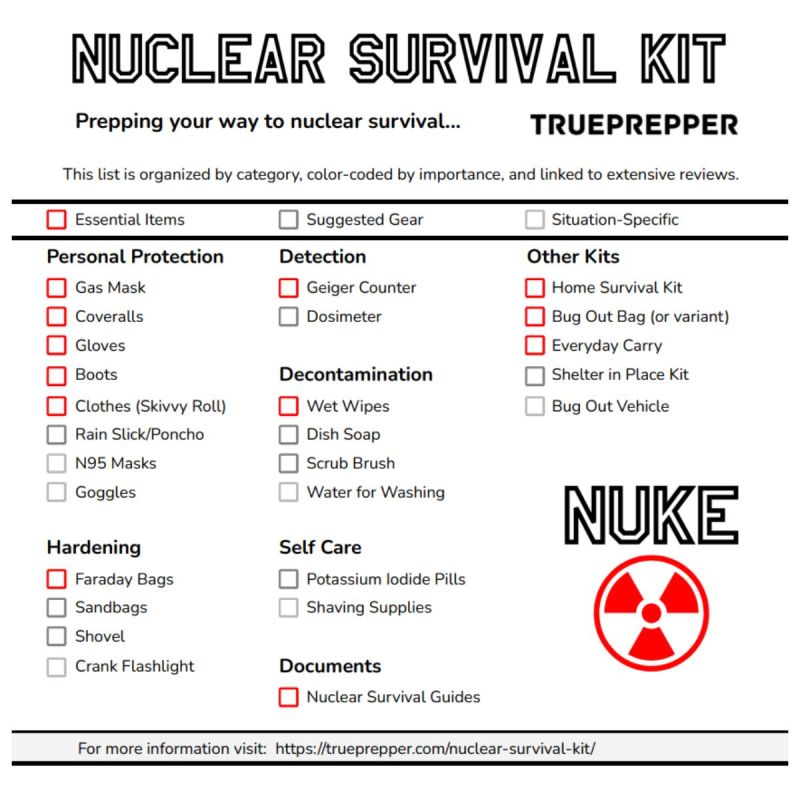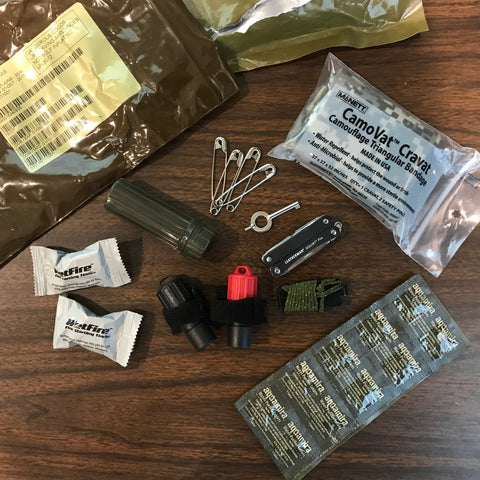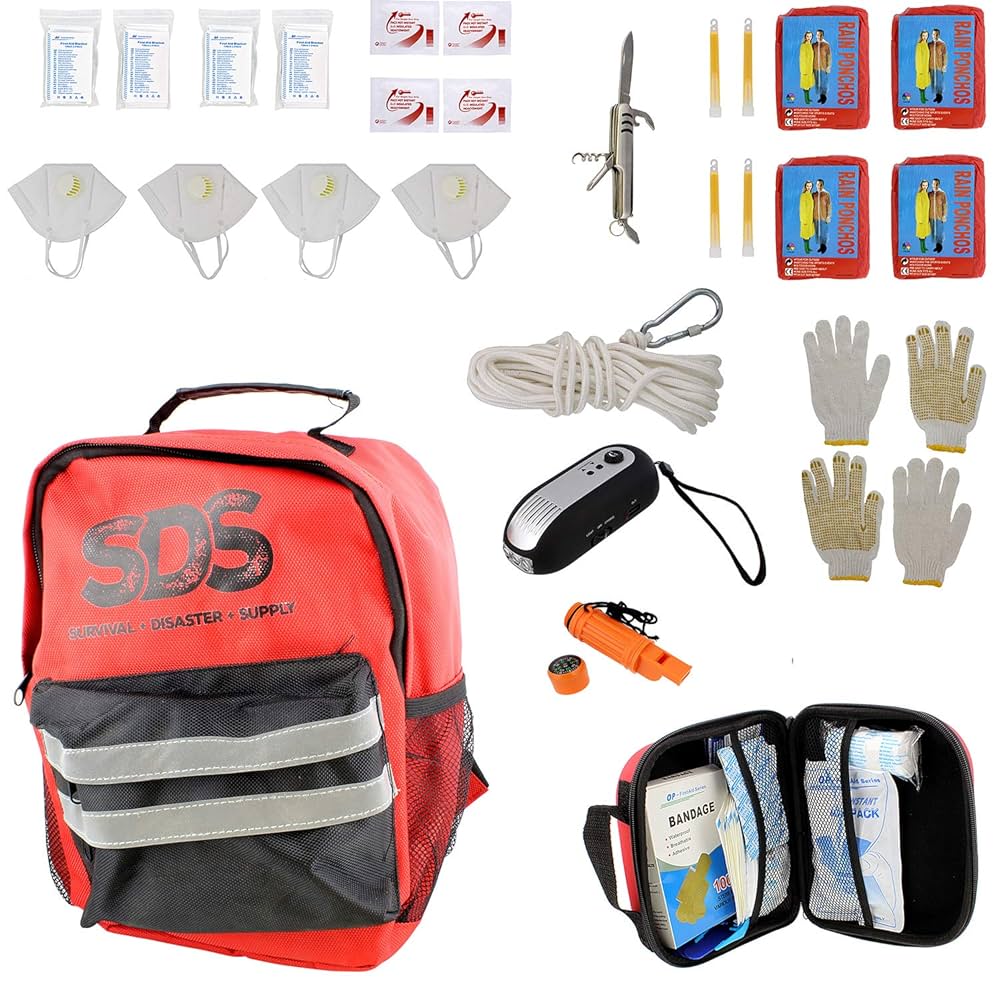
Have you ever wondered what essentials you really need to survive an emergency? Your survival kit can be the difference between staying safe and facing unnecessary risks.
But what exactly should be inside this kit? Knowing the right items to pack can give you peace of mind and prepare you for unexpected situations. You’ll discover the must-have survival kit items that can protect you and your loved ones when it matters most.
Keep reading to make sure your kit is ready for anything.

Credit: unchartedsupplyco.com
Basic Survival Tools
Basic survival tools are essential for any emergency or outdoor adventure. These tools help you perform critical tasks like cutting, starting fire, and fixing gear. Carrying reliable tools improves your chances of staying safe and comfortable in tough situations.
Knives And Cutting Tools
A sharp knife is a must-have in any survival kit. It helps with cutting rope, preparing food, and making shelter. Choose a sturdy fixed-blade knife for strength and reliability. Folding knives are compact but may not be as strong.
Other cutting tools like small saws or wire cutters can be useful. They expand your ability to handle different materials quickly. Keep blades sharp and clean to ensure they work well when needed.
Fire Starters
Fire starters are crucial for warmth, cooking, and signaling. Waterproof matches and lighters are common and easy to use. Carry extra in sealed containers to keep them dry.
Ferro rods produce sparks even when wet. They last a long time and work well in harsh weather. Carry some tinder like cotton balls or dry bark to catch sparks easily.
Multi-tools
Multi-tools combine several functions into one compact device. They often include pliers, screwdrivers, and blades. This saves space and weight in your kit.
Choose a multi-tool that feels comfortable and has the tools you need. Regularly check that all parts open and close smoothly. A good multi-tool can fix gear and help in many survival tasks.
Shelter And Warmth
Shelter and warmth are critical in any survival situation. They protect you from harsh weather and keep your body temperature stable. Proper shelter helps prevent hypothermia and other cold-related problems. Staying dry and insulated boosts your chances of survival. Packing the right items ensures comfort and safety in unexpected conditions.
Tents And Tarps
Tents provide reliable protection from rain, wind, and insects. They create a safe space to rest and recover. Lightweight tents are easy to carry in a survival kit. Tarps are versatile and can be set up quickly. They offer shelter from sun and rain with minimal weight. Both tents and tarps help keep you dry and shielded from the elements.
Sleeping Bags And Blankets
Sleeping bags trap body heat and insulate you from cold ground. Choose bags rated for low temperatures for better protection. Emergency blankets are compact and reflect body heat back. They are useful for extra warmth and can fit in small packs. These items prevent heat loss and improve overnight comfort in survival situations.
Emergency Ponchos
Emergency ponchos are lightweight and waterproof. They protect against rain and wind while allowing movement. Ponchos can double as ground covers or shelter walls. Their compact size makes them easy to carry. Carrying a poncho adds flexible protection in wet, cold conditions.
Water And Hydration
Water is the most critical element in any survival kit. Staying hydrated keeps your body functioning and your mind clear. Without clean water, your chances of survival drop quickly, making it essential to pack the right hydration tools.
Water Bottles And Containers
Having durable water bottles or containers is a must. Look for options made from BPA-free plastic or stainless steel to avoid chemicals leaching into your water. I once underestimated this and ended up with a cracked bottle during a hike—lesson learned: sturdy containers save you from dehydration.
Choose containers that are easy to carry and fit your lifestyle, whether it’s a collapsible bottle for space-saving or a wide-mouth jug for easy filling. Always have at least two containers to store water safely and avoid contamination.
Filtration Systems
Carrying a water filtration system can turn almost any water source into safe drinking water. Filters remove dirt, bacteria, and protozoa, giving you peace of mind when you’re far from clean taps. I’ve relied on a compact pump filter that fit in my backpack and worked wonders after rainstorms.
There are several types of filters: pump, straw, and gravity filters. Each has its pros and cons, so consider weight, ease of use, and water flow speed when choosing your system.
Purification Tablets
Purification tablets are lightweight and easy to pack. They kill bacteria and viruses in water, making them a perfect backup to filtration systems. I always keep a few on hand because they last long and take up almost no space.
Remember, tablets often require waiting time—usually 30 minutes to 4 hours—before drinking. This means you need to plan ahead and carry a bit of extra water for immediate hydration.
Food And Nutrition
Food and nutrition are the backbone of any survival kit. Without proper nourishment, your energy and focus will quickly decline. It’s crucial to pack items that not only last but also fuel your body effectively during tough situations.
Non-perishable Food Items
Non-perishable foods are a must-have because they stay edible for long periods without refrigeration. Canned beans, dried fruits, and rice are excellent choices. These foods provide essential nutrients and can be stored easily in your kit.
Think about the last time you relied on quick snacks during a busy day. Having food that lasts and keeps you full can make all the difference when you’re stuck without access to fresh meals.
Energy Bars And Supplements
Energy bars are compact, lightweight, and packed with calories to keep you going. Choose bars with a good balance of protein, fats, and carbs. Supplements like electrolyte tablets can help maintain hydration and muscle function.
Have you ever felt drained after a long hike or workout? A well-chosen energy bar can restore your strength faster than a sugary snack. Keep a variety on hand to avoid taste fatigue.
Portable Cooking Gear
Having portable cooking gear lets you prepare hot meals, which can boost morale and provide comfort. A small camping stove, lightweight pot, and utensils are essentials to consider. These items give you flexibility in preparing your non-perishable foods.
Remember the last time a warm meal lifted your spirits during a cold day outdoors? Portable cooking gear can replicate that feeling in survival situations, helping you stay focused and energized.
Navigation And Communication
Navigation and communication tools are essential in any survival kit. They help you find your way and stay connected when you’re in unfamiliar or challenging environments. Without reliable navigation and communication, even the best survival skills can fall short.
Compasses And Maps
A compass and a detailed map are your best friends when GPS signals fail. A compass helps you determine direction, while a map provides context to your surroundings. Together, they allow you to plan routes, avoid hazards, and find safe spots.
Have you ever tried navigating dense forests or vast deserts without these tools? It’s easy to get disoriented. Carrying a compass and map can prevent panic and keep you moving forward with confidence.
Signal Devices
Signal devices like whistles, mirrors, or flares are crucial for attracting attention. They don’t rely on batteries, making them reliable when electronic devices run out of power. A whistle’s sharp sound can carry farther than your voice, helping rescuers locate you quickly.
Think about how quickly you could alert someone if lost or injured. Having at least one signal device increases your chances of a timely rescue dramatically.
Two-way Radios
Two-way radios allow direct communication with your group or rescuers without cellular networks. They are especially useful in remote areas where phones don’t work. Choosing radios with a good range and clear sound quality can be a lifesaver.
Imagine coordinating with others during a search or emergency without relying on cell towers. Radios give you that independence and peace of mind. Make sure to test your radios regularly and keep extra batteries handy.
First Aid Essentials
First aid essentials form the core of any survival kit. They help treat injuries quickly and prevent infections. Having the right supplies can save lives and reduce pain. Every survival kit should include items that cover cuts, burns, and other common injuries.
Bandages And Dressings
Bandages and dressings protect wounds from dirt and germs. Use adhesive bandages for small cuts. Sterile gauze pads work well on larger wounds. Elastic bandages can secure dressings and reduce swelling. Keep different sizes and types to handle various injuries.
Medications And Ointments
Medications help control pain and prevent infection. Include pain relievers like ibuprofen or acetaminophen. Antiseptic wipes or solutions clean wounds. Antibiotic ointments stop bacteria from growing. Also, add burn creams to soothe skin damage. Check expiration dates regularly.
Emergency Medical Tools
Tools make first aid easier and safer. Tweezers remove splinters and debris. Scissors cut bandages and tape. A digital thermometer checks for fever. Disposable gloves keep hands clean and protect wounds. Include a CPR mask for breathing emergencies.
Clothing And Protection
Clothing and protection are essential components of any survival kit. What you wear can make a significant difference in your comfort, safety, and ability to endure harsh conditions. Choosing the right apparel helps you stay warm, dry, and shielded from environmental dangers.
Weather-appropriate Apparel
Picking clothing that matches the climate is crucial. In cold environments, layering with moisture-wicking base layers, insulating mid-layers, and waterproof outer shells keeps you warm and dry. In hot weather, lightweight, breathable fabrics prevent overheating and wick sweat away quickly.
Have you ever found yourself shivering because your jacket wasn’t insulated enough or soaked because your coat wasn’t waterproof? Avoid that by packing versatile items like a compact rain jacket or thermal underwear. These can adjust to changing weather without adding bulk.
Gloves And Footwear
Your hands and feet often take the biggest hit during survival situations. Gloves protect your hands from cuts, cold, and burns, while sturdy footwear supports your feet through rough terrain. Opt for waterproof boots with good traction to avoid slips and blisters.
Remember, a pair of wool or synthetic socks can prevent fungal infections and keep your feet warm even if they get wet. Have you ever tried hiking with damp socks? It’s uncomfortable and can lead to serious foot problems. Don’t underestimate the power of proper gloves and shoes.
Sun And Insect Protection
Sunburn and insect bites can quickly turn into bigger problems. Include a wide-brimmed hat and UV-protective clothing to guard your skin. Lightweight, long-sleeved shirts and pants can keep mosquitoes and ticks at bay while still allowing airflow.
Carrying insect repellent and sunscreen is just as important as your clothes. Have you noticed how a simple sunburn or bug bite can ruin your whole day outdoors? Protect yourself before these small annoyances turn into painful setbacks.
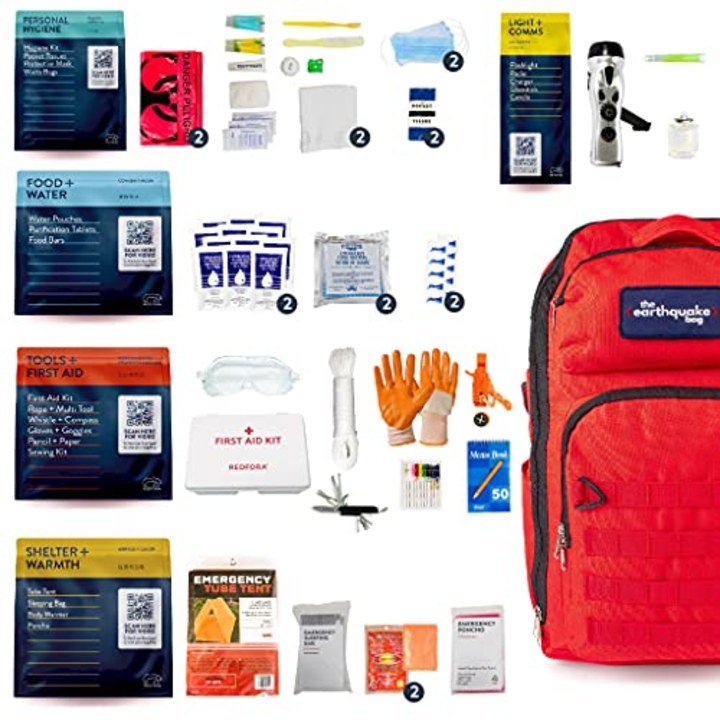
Credit: www.nbcnews.com
Lighting And Power
Lighting and power are vital in any survival kit. They help you see in the dark and keep devices running. Having reliable light sources can prevent accidents and reduce stress during emergencies. Power options ensure your essential gear stays charged for longer periods.
Flashlights And Headlamps
Flashlights provide focused light for tasks and movement at night. Headlamps free your hands, making them perfect for repairs or cooking. Choose LED flashlights for brightness and energy efficiency. Compact and lightweight models fit easily into your kit.
Extra Batteries
Spare batteries keep your lights and devices working longer. Store them in waterproof containers to avoid damage. Match the battery type to your equipment to ensure compatibility. Rotate stock regularly to prevent expired power sources.
Solar Chargers
Solar chargers use sunlight to power devices without outlets. They are eco-friendly and ideal for long trips. Lightweight and portable, solar chargers fit well in survival kits. Keep them clean and positioned in direct sunlight for best results.
Personal Safety Items
Personal safety items are essential in any survival kit. These tools help protect you and alert others if you need help. They increase your chances of staying safe in tough situations. Each item has a special role in keeping you secure.
Whistles And Alarms
Whistles and alarms make loud sounds to attract attention. They are lightweight and easy to carry. A sharp whistle can be heard from far away, helping rescuers find you quickly. Personal alarms create noise that can scare off threats or alert nearby people. Both are simple but powerful safety tools.
Pepper Spray
Pepper spray is a small, easy-to-use self-defense tool. It can stop an attacker by causing temporary pain and blindness. The spray works quickly and gives you time to escape. Carry pepper spray in your survival kit for added personal protection. Check local laws before carrying it.
Personal Locator Beacons
Personal locator beacons (PLBs) send a signal to emergency responders. They use GPS to share your exact location. In remote areas, PLBs can be lifesaving. Activating a beacon alerts search and rescue teams immediately. They are reliable tools for serious emergencies.

Credit: www.servpro.com
Frequently Asked Questions
What Essential Items Should Be In A Survival Kit?
A survival kit should include water, food, first aid supplies, a flashlight, a knife, and fire-starting tools. These items cover basic needs like hydration, nutrition, safety, and signaling. Including a multi-tool and emergency blanket also enhances preparedness for various situations.
How Do Survival Kit Items Help In Emergencies?
Survival kit items provide critical support during emergencies by addressing basic human needs. They help maintain hydration, nutrition, warmth, and safety. Tools like knives and fire starters assist with shelter and food preparation. First aid supplies manage injuries, improving chances of survival.
Can I Customize My Survival Kit Items?
Yes, customizing a survival kit is important based on your location, climate, and personal needs. Include items like insect repellent for forests or sunscreen for sunny areas. Tailoring your kit ensures it fits specific risks and increases your preparedness effectively.
How Often Should Survival Kit Items Be Updated?
Survival kit items should be checked and updated every six months. Replace expired food, batteries, and medications promptly. Regular updates ensure all items remain functional and effective, keeping the kit ready for any emergency situation.
Conclusion
A survival kit keeps you ready for unexpected situations. It holds essential items for safety and comfort. Water, food, and first aid supplies are must-haves. Tools like a flashlight and knife help in many ways. Preparing a kit means peace of mind.
Stay safe by choosing items that fit your needs. Check and update your kit regularly. Being prepared can make a big difference in emergencies. Small steps today can protect you tomorrow. Keep your survival kit close and stay confident.