Have you ever wondered what would happen if you suddenly needed emergency food in Atlantic City? Whether it’s a storm, power outage, or any unexpected situation, having reliable food delivery can make all the difference for you and your family.
In 2022, the question is simple: does Atlantic City have the emergency food options you can count on when it matters most? Keep reading to discover why this topic is more important than ever and how it could affect your safety and peace of mind.
Current Food Delivery Landscape
The current food delivery landscape in Atlantic City reflects a mix of well-established platforms and local services. These options offer convenience for everyday meals but may face challenges during emergencies. Understanding these can help you decide if Atlantic City truly needs an emergency-focused food delivery system in 2022.
Existing Services In Atlantic City
Popular food delivery apps like DoorDash, Uber Eats, and Grubhub operate widely in Atlantic City. They connect you with a variety of restaurants, from fast food to fine dining, often with real-time tracking and contactless delivery.
Besides these giants, local businesses also provide delivery, sometimes with quicker response times or unique menu options. For instance, some Italian delis and seafood spots offer their own delivery service that you won’t find on the big apps.
These services generally cover most parts of the city, making it easy for you to order meals during regular times. But how well do they perform when unexpected situations disrupt normal life?
Limitations During Emergencies
Emergency situations like severe weather, power outages, or public health crises expose weaknesses in the current food delivery system. You might notice longer wait times, limited restaurant options, or even suspended delivery services.
These platforms often rely on drivers who may not be able to reach your location due to road closures or safety concerns. Restaurants might also close or reduce their menu to manage supply shortages.
Have you ever tried ordering food during a storm or outage and ended up frustrated? That’s a clear sign the system isn’t fully prepared for emergencies.
Addressing these gaps could mean setting up dedicated emergency food delivery options, ensuring you have access to meals when you need them most. What would it take for Atlantic City to build a more resilient food delivery network?

Credit: www.nj.com
Risks And Challenges
Atlantic City faces many risks that affect emergency food and delivery needs. These challenges can disrupt supply chains and access to food. Understanding these risks helps prepare better support systems for residents.
Natural Disasters Impact
Atlantic City is vulnerable to hurricanes, floods, and storms. These events can damage roads and delay deliveries. Power outages often happen, affecting food storage and preparation. Emergency food supplies become critical during these times.
Pandemic And Health Crises
Health crises like pandemics cause sudden spikes in food demand. Quarantine rules limit movement, making deliveries harder. Staff shortages in stores and delivery services reduce food availability. Safe, contactless delivery options become essential.
Infrastructure Vulnerabilities
Old or weak infrastructure slows down emergency response. Roads may be blocked or damaged during crises. Limited warehouse space affects food storage capacity. Reliable communication systems are needed to coordinate food delivery efforts.
Community Needs And Demands
The community needs and demands of Atlantic City in 2022 reveal important insights about whether emergency food and delivery services are necessary. Understanding the makeup of the population, the challenges related to food insecurity, and the views of both residents and local businesses can help paint a clear picture. This section sheds light on these critical aspects to help you grasp the real situation on the ground.
Population Demographics
Atlantic City has a diverse population with a mix of age groups, income levels, and cultural backgrounds. Many residents are low-income families, elderly individuals, and seasonal workers who often face unstable financial situations.
Knowing who lives in the city helps you understand who might need emergency food support the most. Younger families and older adults often have different needs, making it vital to tailor services accordingly.
Food Insecurity Issues
Food insecurity remains a pressing problem in Atlantic City. A significant portion of households struggles to access enough healthy food consistently.
Local food banks report rising demand, especially during economic downturns or after natural disasters. This raises the question: how can emergency food delivery services fill the gaps left by traditional food aid programs?
Resident And Business Perspectives
Residents often express frustration about the lack of reliable food sources nearby, especially in neighborhoods with fewer grocery stores. You might hear stories about long waits at food pantries or difficulty reaching distribution points.
Businesses, on the other hand, see emergency food and delivery services as potential partners in supporting the community and boosting local goodwill. Some local restaurants and stores have started collaborating with food aid programs, showing that practical solutions are possible when all parties work together.

Credit: m.yelp.com
Technology And Innovation
Technology and innovation play a key role in shaping Atlantic City’s emergency food and delivery services. New tools and systems help meet urgent food needs quickly and safely. These innovations improve efficiency and reach, especially during crises.
Advances In Delivery Systems
Delivery systems now use smart routes to cut travel time. Vehicles with better fuel efficiency lower costs and pollution. Refrigerated trucks keep food fresh during transport. Mobile apps let customers order easily from their phones. These advances ensure faster, safer food delivery in emergencies.
Role Of Drones And Autonomous Vehicles
Drones bring food to hard-to-reach places without delays. Autonomous vehicles operate day and night without breaks. They reduce human contact, lowering health risks. These technologies expand delivery options, especially when roads are crowded or damaged. Drones and robots offer reliable help during emergencies.
Real-time Tracking And Communication
Real-time tracking shows where food deliveries are at all times. Customers and suppliers get instant updates on arrival times. Communication tools allow quick problem-solving during transport. These systems build trust and transparency. They help ensure food arrives fresh and on schedule.
Economic And Social Benefits
Emergency food and delivery services in Atlantic City bring clear economic and social benefits. These services create new jobs, support local businesses, and improve public health. The positive impact goes beyond just feeding people. It helps the whole community grow stronger and healthier.
Job Creation Opportunities
Emergency food delivery creates many job openings. Drivers, packers, and coordinators find steady work. These jobs often require few skills, making hiring easier. New roles help reduce local unemployment rates. More jobs mean more income in families. This strengthens the local economy overall.
Supporting Local Businesses
Local food suppliers get more orders from delivery services. Small farms and markets gain steady customers. This helps them stay open and grow. Money spent locally stays in the community. It supports more jobs and services nearby. Emergency food delivery builds strong business networks.
Enhancing Public Health
Access to emergency food improves nutrition for many people. Healthy meals reduce hunger and illness. Timely food delivery reaches those who cannot shop. This lowers stress on hospitals and clinics. Better health means a happier, more active community. Preventing hunger supports overall well-being and safety.
Implementation Strategies
Implementing effective emergency food and delivery systems in Atlantic City requires clear strategies that bring together various sectors and resources. These strategies must address coordination, funding, and detailed planning to ensure swift action during crises. Here’s a closer look at key approaches that can make a real difference.
Public-private Partnerships
Collaborations between government agencies and private companies can significantly boost emergency food delivery efforts.
Local businesses, restaurants, and logistics companies often have resources and networks that public organizations lack. When these groups work together, they can share knowledge, streamline distribution, and reach more people faster.
Think about a neighborhood grocery store teaming up with the city’s emergency services to deliver meals during a storm. This kind of partnership not only speeds up delivery but also builds community trust and resilience.
Funding And Resource Allocation
Securing adequate funding is crucial to sustain emergency food programs. Without proper money management, even the best plans can fall apart.
Allocating funds wisely means prioritizing critical needs like food stockpiles, transportation, and staffing. It’s important to keep some resources flexible to respond to unexpected challenges.
You might ask yourself: how can we ensure funds reach the areas with the greatest need? Transparent budgeting and regular audits can help keep the process fair and efficient.
Emergency Response Planning
Having a detailed and practiced emergency response plan is the backbone of any food delivery system during a crisis.
This plan should map out roles, responsibilities, and communication channels clearly. Regular drills and updates based on past experiences will improve readiness.
Imagine if every stakeholder knew exactly what to do and when to act—delays would shrink, and more people would get help quickly. How often does your community review its emergency plans to stay sharp?
Case Studies And Examples
Examining case studies and examples provides insight into emergency food and delivery needs. Real-life situations reveal what works and what does not. Cities with similar challenges offer valuable lessons. These examples can guide Atlantic City in planning better food support systems.
Successful Models In Other Cities
Several cities have developed strong emergency food delivery systems. For example, New York City created a network of meal deliveries during crises. They used local volunteers and delivery services to reach vulnerable populations quickly.
San Francisco established partnerships with grocery stores and food banks. This model ensured a steady supply of food for those in need. Mobile apps helped residents order food safely from home.
Chicago’s approach included community kitchens that prepared meals for delivery. They focused on areas with limited access to grocery stores. This method reduced food insecurity during emergencies.
Lessons Learned From Past Emergencies
Past emergencies showed that quick response is crucial. Delays in food delivery increase hardship for many families. Communication between agencies and volunteers must be clear and constant.
Flexibility in delivery routes helped overcome obstacles like road closures. Using multiple supply sources prevented shortages. Tracking systems improved transparency and trust among recipients.
Training volunteers in safety and hygiene prevented health risks. Engaging local community groups increased participation and coverage. These lessons highlight the importance of preparation and cooperation.
Potential Obstacles
Launching emergency food and delivery services in Atlantic City faces several challenges. These obstacles can slow down progress and affect long-term success. Understanding these issues helps stakeholders plan better and find solutions.
Regulatory And Legal Concerns
Emergency food programs must follow strict health and safety rules. These rules protect public health but can be complex. Permits, inspections, and liability issues require careful attention. Delays in approvals can stall service launches. Legal liability in case of foodborne illness is a major worry. Providers need clear guidelines to avoid legal problems.
Cost And Sustainability Issues
Running emergency food delivery is costly. Expenses include food purchase, storage, transportation, and staffing. Funding may come from donations or government grants, which are often limited. Sustainable models must balance quality and budget. Waste reduction is another challenge. Consistent funding and resource management are vital for long-term operation.
Community Acceptance
Local residents might hesitate to use emergency food services. Stigma around receiving aid can reduce participation. Trust in food quality and delivery reliability also matters. Effective communication and community engagement help build acceptance. Tailoring services to local preferences encourages use. Positive feedback loops foster ongoing support and trust.

Credit: theindependent.com
Frequently Asked Questions
Does Atlantic City Require Emergency Food Services In 2022?
Yes, Atlantic City faces occasional food supply disruptions. Emergency food services are crucial for residents during crises and natural disasters. These services ensure food accessibility for vulnerable populations and support community resilience in uncertain times.
What Types Of Food Delivery Are Available In Atlantic City?
Atlantic City offers various food delivery options, including grocery deliveries, restaurant meals, and emergency food supplies. Many local businesses and national services operate here, ensuring timely and convenient food access for all residents.
How Can Emergency Food Delivery Benefit Atlantic City Residents?
Emergency food delivery helps residents avoid shortages during emergencies. It supports those with mobility issues or health concerns. This service enhances safety by reducing the need for public outings during critical times.
Are There Government Programs Supporting Food Delivery In Atlantic City?
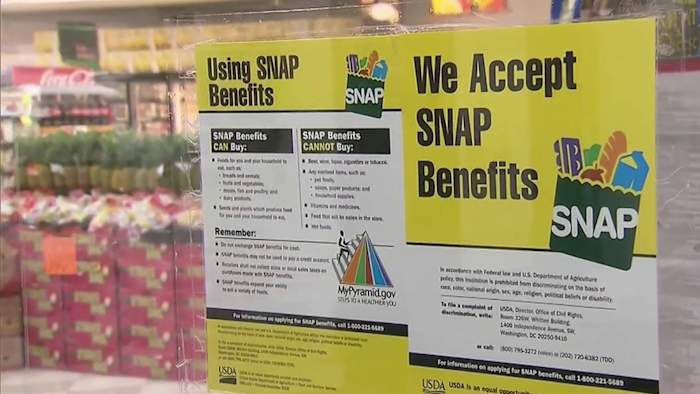
Yes, several government programs assist with food delivery in Atlantic City. These include SNAP benefits and local emergency food aid initiatives. They help low-income families access nutritious meals efficiently and affordably.
Conclusion
Atlantic City faces challenges that make emergency food and delivery important. Many people need quick access to meals during tough times. Reliable food delivery can help families stay safe and healthy. Local services must keep improving to meet these needs.
Planning and support will reduce hunger and stress in the city. Everyone deserves easy access to food, especially in emergencies. The future looks better with strong food aid and delivery options. This support can make a real difference for Atlantic City residents.