Have you ever watched a butterfly emerge from its chrysalis and wondered what happens next? You might be curious if these delicate creatures need food right after they come out.
Understanding whether newly emerged butterflies require feeding can change how you care for them or simply deepen your appreciation for nature. Stick with me, and you’ll discover surprising facts that could change everything you thought you knew about these beautiful insects.
Ready to find out what butterflies really need when they first spread their wings? Let’s dive in.
Life Cycle Of Butterflies
Butterflies undergo a fascinating life cycle that transforms them from crawling larvae into graceful flying insects. Each stage plays a vital role in their growth and survival. Understanding this cycle helps explain their needs and behaviors, especially after they emerge as adults.
From Caterpillar To Butterfly
The journey begins as a tiny caterpillar hatches from an egg. It spends most of its time eating leaves to gain energy. This stage is crucial for building strength and storing nutrients. The caterpillar molts several times as it grows larger. Once ready, it forms a chrysalis, entering the next phase.
Emergence From The Chrysalis
Inside the chrysalis, the caterpillar transforms completely. After days or weeks, the adult butterfly breaks free. At this moment, its wings are soft and folded. The butterfly pumps fluid into its wings to expand them fully. It waits until the wings dry and harden before flying.
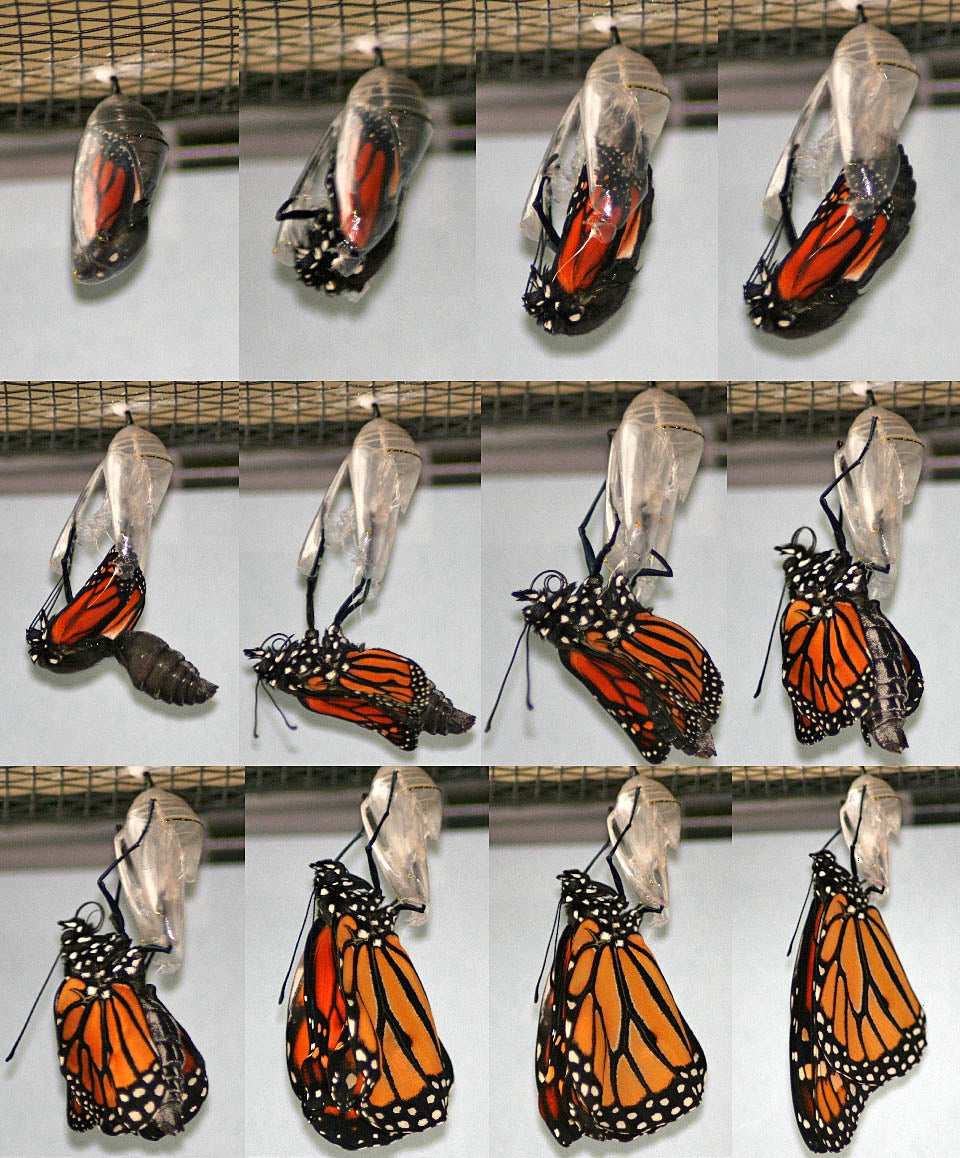
Credit: askabiologist.asu.edu
Immediate Needs After Emerging
Newly emerged butterflies face a critical phase right after they leave their chrysalis. Their immediate needs determine how well they can survive and thrive in the wild. Understanding these needs helps you appreciate their delicate early moments and the challenges they overcome.
Energy Requirements
Right after emerging, butterflies rely heavily on stored energy from their caterpillar stage. They have limited reserves and need to start feeding soon to replenish their energy. Nectar from flowers provides the sugars essential for flight and daily activities.
Have you ever watched a butterfly slowly opening its wings and wondered if it’s tired? That’s because their energy is low, and they must feed quickly to gain strength. Without food, their ability to escape predators or find mates diminishes sharply.
Physical Condition Post-emergence
After emerging, a butterfly’s wings are soft and wet. They must pump fluid into their wings to expand and harden them before flying. This process can take several hours, during which the butterfly is vulnerable and immobile.
You might notice them resting on leaves or flowers, not because they don’t want to fly, but because their wings aren’t ready. This delicate phase requires patience and protection from harsh weather or predators. Feeding usually begins once the wings are strong enough to support flight.
Do Newly Emerged Butterflies Eat?
Newly emerged butterflies face a critical moment in their lives. Their wings are soft and wet, and they need energy to start flying. Do these delicate creatures eat right after emerging? Understanding their feeding habits helps us appreciate their survival journey.
Feeding Behavior
Newly emerged butterflies do not eat immediately. Their first task is to dry and strengthen their wings. During this time, they stay still and rest. Once their wings harden, they begin searching for food. Feeding is essential for energy and survival.
Sources Of Nutrition
Butterflies get nutrition mainly from flower nectar. Nectar contains sugars that give them quick energy. They also sip fluids from fruits, tree sap, and even moist soil. These sources provide minerals and nutrients needed for their activity.
- Flower nectar: Primary energy source
- Ripe fruits: Offer sugars and vitamins
- Tree sap: Contains sugars and minerals
- Moist soil or puddles: Provide minerals and salts
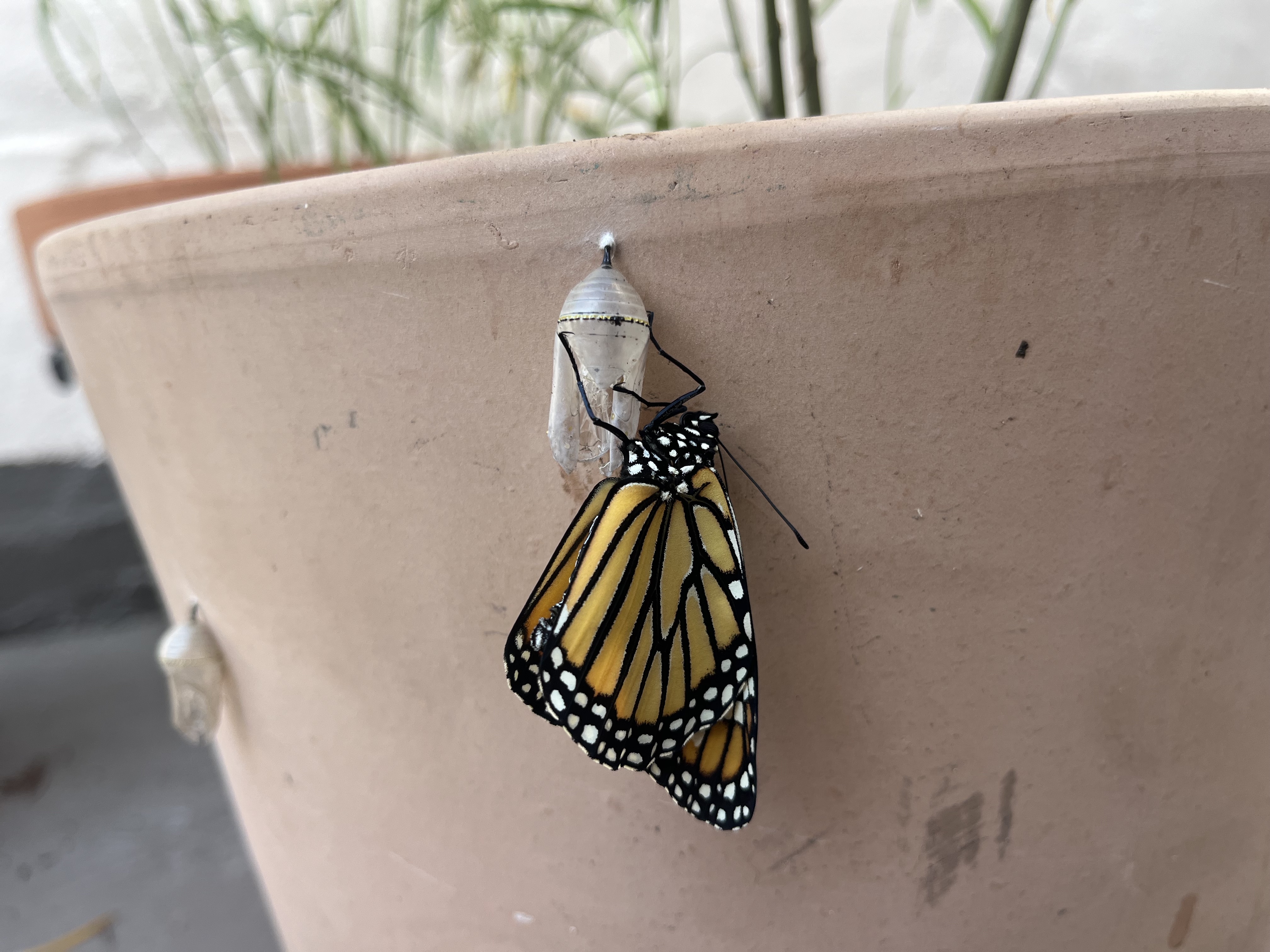
Credit: laist.com
Types Of Food Butterflies Consume
Newly emerged butterflies need specific types of food to gain energy. Their diet helps them fly, find mates, and survive. Different butterflies prefer different food sources. Understanding these foods shows how butterflies live and thrive in nature.
Nectar And Its Importance
Nectar is the main food for many butterflies. It is a sweet liquid found in flowers. Nectar gives butterflies quick energy through sugars. Butterflies use their long proboscis to sip nectar. This food helps them stay active and fly long distances.
Flowers with bright colors and strong scents attract butterflies. Nectar also provides some water and minerals. It is vital for newly emerged butterflies to build strength.
Alternative Food Sources
Some butterflies eat more than nectar. They also feed on other liquids and solids to gain nutrients. These include:
- Tree sap – rich in sugars and minerals
- Rotting fruit – offers sugars and vitamins
- Animal droppings – provide salts and minerals
- Moist soil – contains essential minerals
These alternative foods help butterflies get nutrients nectar lacks. Newly emerged butterflies may try different foods to meet their needs. Eating various sources supports their growth and health.
How Feeding Supports Butterfly Survival
Feeding plays a crucial role in butterfly survival right after they emerge. Newly emerged butterflies need energy to start their life outside the chrysalis. Food helps them build strength for flying and reproducing. Without proper feeding, their chances of survival drop significantly. This section explains how feeding supports butterflies in essential ways.
Energy For Flight And Reproduction
Butterflies use food to gain energy for flying. Nectar from flowers is their main fuel source. Flying helps them find mates and new habitats. Without energy, they cannot move or escape predators. Food also supports reproduction. Female butterflies need energy to lay eggs. Males use energy to compete and attract females. Feeding ensures butterflies can perform these vital tasks.
Longevity And Health Benefits
Feeding extends a butterfly’s life span. Proper nutrition keeps their bodies healthy and strong. It helps repair damage from flight and weather. Butterflies with enough food resist diseases better. They also recover faster from injuries. Feeding supports all stages of their life. It improves their chances to live longer and reproduce more.
Observing Butterfly Feeding Habits
Newly emerged butterflies have unique feeding needs. Their wings are soft, and they need time to dry. During this stage, they rely on stored energy from their chrysalis.
Watching how and when they start feeding reveals much about their health and survival. Understanding these habits helps provide proper care and support for young butterflies.
When To Offer Food
Butterflies usually begin feeding a few hours after emergence. Their proboscis, the long feeding tube, must fully unfurl before they can eat. Offer food only after you see this behavior.
Provide natural nectar sources or a sugar-water solution. Use a shallow dish or sponge to make feeding easy. Avoid feeding too early, as it may harm the butterfly.
Common Mistakes To Avoid
- Feeding too soon before wings dry can cause damage.
- Offering inappropriate food like milk or fruit juices may harm them.
- Using a strong sugar solution can upset their digestion.
- Handling butterflies roughly while feeding stresses them out.
- Placing food in deep containers makes it hard to access.

Credit: butterflyfunfacts.wordpress.com
Frequently Asked Questions
Do Newly Emerged Butterflies Eat Immediately?
Newly emerged butterflies rest briefly before feeding. They need to dry their wings first. Afterward, they seek nectar for energy and survival.
What Food Do Butterflies Prefer After Emerging?
Butterflies mainly feed on nectar from flowers. They also consume tree sap, rotting fruit, and moisture from damp soil to obtain nutrients.
How Long Can Butterflies Survive Without Food?
Butterflies can survive a few days without food. However, they quickly need nectar to maintain energy for flight and reproduction.
Why Is Feeding Important For Young Butterflies?
Feeding provides essential energy for flight and mating. It also supports their metabolic processes and helps them avoid predators effectively.
Conclusion
Newly emerged butterflies need time before they eat. Their wings must dry and harden first. Once ready, they seek nectar from flowers. This food gives them energy to fly and grow. Watching this process shows how nature works well. Butterflies start fragile but soon become strong.
Caring for them means understanding their needs. This helps them live longer and thrive. Nature’s small miracles are worth protecting and learning about.