Are you struggling to put food on the table because of the coronavirus crisis? You’re not alone, and there may be help available that you don’t know about yet.
Emergency food stamps could be a lifeline for you and your family during these tough times. But are they actually being given out right now? Keep reading to find out how you can access this support, what you need to qualify, and why acting quickly could make a big difference for your household.
Don’t miss out on the crucial information that could ease your stress and keep your pantry stocked.
Emergency Food Stamps And Covid-19
Emergency food stamps became a crucial support during the COVID-19 crisis. Many families faced job loss and struggled to buy groceries. The government introduced extra help to ensure no one went hungry. Understanding this aid helps people know their options during tough times.
What Are Emergency Food Stamps?
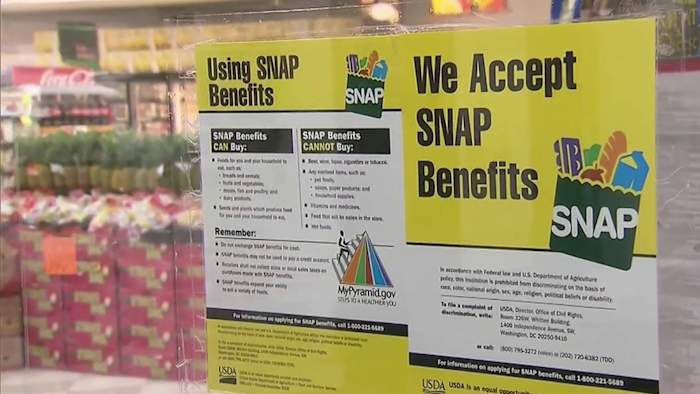
Emergency food stamps are extra benefits added to regular food assistance programs. They help low-income families buy food during emergencies. These benefits are given quickly to meet urgent needs. The goal is to prevent hunger when people lose income suddenly.
These stamps work like regular food assistance but offer more funds. People can use them in grocery stores to buy healthy food. The program aims to support families until they regain financial stability.
Why Were They Introduced During The Pandemic?
The pandemic caused widespread job losses and financial hardship. Many people could not afford basic meals. Emergency food stamps helped fill this gap immediately. They were introduced to reduce food insecurity fast.
The government acted to protect vulnerable groups during lockdowns. Schools closed, cutting off free meals for children. Emergency benefits ensured families still had food. This support helped millions avoid hunger during a global crisis.
Credit: www.bms.com
Eligibility Criteria
Understanding the eligibility criteria for emergency food stamps during the coronavirus pandemic is crucial. These benefits are designed to support those who face financial hardships due to COVID-19. Knowing if you qualify can help you access assistance quickly and ease your stress during tough times.
Who Qualifies For Emergency Benefits?
Emergency food stamp benefits are mainly for individuals and families who have experienced a sudden loss of income or increased expenses due to the pandemic. If you have lost your job, had your work hours reduced, or face unexpected medical bills, you might qualify.
People already enrolled in the Supplemental Nutrition Assistance Program (SNAP) often receive additional emergency benefits automatically. But if you’re new to SNAP, you need to apply and demonstrate your current situation.
Think about your recent changes. Has your financial situation worsened because of COVID-19? If yes, you could be eligible for these emergency benefits.
Income And Household Requirements
Income limits for emergency food stamps usually depend on your household size and monthly earnings. These limits may be temporarily adjusted during the pandemic to include more people in need.
For example, a household of four might qualify if their monthly income is below a certain threshold, which varies by state. It’s important to check your local SNAP office for exact numbers.
Besides income, your household composition matters. If you live with family members who contribute to your expenses, their income might be counted too. On the other hand, if you live alone, your eligibility will be based solely on your income.
Have you gathered your recent pay stubs and proof of household members? These documents are essential when applying and can speed up the approval process.
Application Process
Applying for emergency food stamps during the coronavirus pandemic is a straightforward process. Many states have simplified the steps to help more people get aid quickly. Understanding the application process can save time and reduce frustration.
Applicants can submit their forms online, by mail, or in person. Each option has clear instructions to follow. Gathering the right documents before starting ensures a smooth application.
How To Apply Online
Most states offer an online portal for food stamp applications. Visit your state’s official website dedicated to food assistance programs. Create an account or log in if you already have one.
Fill out the application form carefully. Provide accurate information about your income, household size, and expenses. Upload any required documents directly to the site.
Submit the application and wait for confirmation. Some states notify applicants via email or text message. Check your account regularly for updates or requests for more information.
Documentation Needed
Prepare these documents before starting your application:
- Proof of identity (ID card, driver’s license)
- Proof of residence (utility bill, lease agreement)
- Income verification (pay stubs, benefit letters)
- Social Security numbers for all household members
- Bank statements or asset information
Having these documents ready helps avoid delays. Some states may ask for additional proof depending on your situation.
Where To Get Help
Many local agencies assist with food stamp applications. Call your state’s food assistance hotline for guidance. Community centers and non-profit organizations also provide support.
Online chat services and email support are available in some states. They can answer questions and help with technical issues. Don’t hesitate to ask for help if needed.
Credit: foodgrainsbank.ca
Benefit Amounts And Duration
Understanding the benefit amounts and how long emergency food stamps last can help you plan better during uncertain times. Knowing these details ensures you maximize support without surprises. Let’s break down what you can expect in terms of financial aid and its duration.
How Much Can You Receive?
The amount of emergency food stamps you can receive depends on your household size and income level. Generally, benefits are increased above the regular allotment to meet the increased need caused by the pandemic.
For example, a single adult may receive around $194 per month, while a family of four could get up to $680 or more. These figures can vary by state, as some states add extra funds during emergencies.
Have you checked your state’s specific emergency supplement? It might surprise you how much extra help is available beyond the usual amount.
Length Of Emergency Assistance
Emergency food stamp benefits usually last as long as the emergency declaration is active. During the COVID-19 pandemic, many states extended benefits month-to-month to keep up with ongoing needs.
In some cases, emergency assistance lasted for several months, even over a year, adapting to changing circumstances. However, once the emergency period ends, benefits typically return to normal levels or stop.
It’s important to stay informed about your state’s current status. Are you tracking updates so you don’t miss out on extended support if it’s still available?
State Variations
Emergency food stamps during the coronavirus pandemic vary widely by state. Each state sets its own rules and programs. This means eligibility, benefits, and application processes can differ greatly. Understanding these differences helps people find the right help fast.
Differences Across States
States decide how to distribute emergency food stamps. Some states increased benefit amounts. Others expanded eligibility to more households. Certain states allowed easier online applications. Some states provided extra benefits for children or seniors. These variations affect how much support families receive.
State-specific Programs
Many states created unique programs for coronavirus relief. Some offer special food assistance beyond regular food stamps. Others partner with local food banks to reach more people. A few states include additional benefits like meal deliveries. Each program reflects local needs and resources.
Additional Support Programs
Besides emergency food stamps, several additional support programs can help you manage food needs during the coronavirus crisis. These programs aim to reach different groups, including families with children and individuals facing immediate food insecurity. Knowing about these options can make a real difference when you need extra help.
Pandemic-ebt (p-ebt)
The Pandemic Electronic Benefit Transfer (P-EBT) program provides funds to families with children who lost access to free or reduced-price school meals due to school closures. If your child’s school shut down or moved to remote learning, you might qualify for these benefits automatically.
You receive a card loaded with money to buy groceries, similar to a regular EBT card. Check your state’s specific guidelines because eligibility and benefit amounts vary. Have you checked if your family has already been enrolled or if you need to apply?
Local Food Banks And Resources
Local food banks remain a vital resource during the pandemic. Many have expanded their services to include drive-thru pickups and home deliveries to keep people safe. Finding a nearby food bank can be as simple as visiting Feeding America’s website or contacting your local community center.
Besides food banks, some communities offer additional resources like meal programs for seniors or emergency food boxes. Don’t hesitate to reach out—these services are designed to help you through tough times without stigma. How often do you explore local resources that might offer unexpected support?
Common Challenges
Applying for emergency food stamps during the coronavirus pandemic can feel overwhelming, especially with the hurdles many face along the way. These common challenges can slow down the process and cause frustration, but knowing what to expect helps you stay prepared and persistent. Let’s break down some of the main issues people encounter.
Application Delays
One of the biggest frustrations is waiting longer than expected for your application to be processed. Many state agencies are overwhelmed with requests, which can lead to significant backlogs. If you’ve submitted your application but haven’t heard back, don’t assume you were denied—delays are often just a result of high demand.
Have you checked if your state offers online status updates? This simple step can give you peace of mind and help you avoid unnecessary follow-up calls.
Technical Issues
Filing for emergency food stamps often requires navigating online portals or phone systems that might not work smoothly. Websites crashing or forms not submitting properly are common problems that can halt your progress.
Try clearing your browser cache or switching to a different device if you hit a snag. And keep screenshots or notes of any errors you encounter—they can be useful if you need to explain the issue to a support representative.
Misconceptions About Eligibility
Many people hesitate to apply because they believe they won’t qualify. This misconception often keeps individuals who genuinely need help from seeking assistance.
Eligibility rules can vary widely by state and may have been adjusted during the pandemic. Don’t let assumptions stop you—check the official guidelines carefully or contact your local office for clarification. Have you ever missed out on a benefit just because you thought you didn’t qualify? It’s worth double-checking.
Credit: springwell.com
Future Of Emergency Food Assistance
The future of emergency food assistance is at a crossroads. The pandemic showed us how quickly food insecurity can spike and how crucial timely support is. Now, the big question is how the government and communities will adjust to keep helping people in need without delays or gaps.
Potential Policy Changes
One major focus is on making emergency food stamps more accessible during crises. Policymakers are considering faster approval processes and broader eligibility to ensure no one falls through the cracks. You might see changes like automatic renewals or expanded benefits during declared emergencies.
Another idea gaining traction is integrating technology to speed up distribution. For example, states could use apps to notify you about benefits and allow easy application updates. This could cut down on paperwork and long wait times.
Long-term Solutions
Emergency food assistance is important, but it’s only part of the picture. Experts suggest combining it with programs that address the root causes of hunger, like job training and affordable housing. Have you thought about how stable income or cheaper rent could reduce your need for emergency food help?
Community partnerships also play a key role. Local food banks, farmers, and volunteers can create a safety net that catches you before a crisis hits. Supporting these networks might be the practical step you can take to strengthen food security in your area.
Frequently Asked Questions
Are Emergency Food Stamps Available For Coronavirus Relief?
Yes, some states offer emergency food stamps during the coronavirus pandemic. These provide temporary assistance to eligible individuals and families facing hardship.
How Can I Apply For Emergency Food Stamps Coronavirus?
You can apply online through your state’s SNAP website or visit local offices. Many states have streamlined applications due to COVID-19.
Who Qualifies For Emergency Food Stamps During Covid-19?
Eligibility depends on income, household size, and financial hardship caused by the pandemic. Check your state’s specific criteria for accurate details.
How Long Do Emergency Food Stamps Last For Coronavirus?
Emergency food stamps typically last a few months but can be extended depending on ongoing COVID-19 impacts and state policies.
Conclusion
Emergency food stamps help many families during tough times. The government offers support to those affected by coronavirus. Applying early can increase your chances of getting aid. Keep checking official sites for updates and new programs. Staying informed helps you access the help you need.
Remember, many people qualify, so don’t hesitate to ask. Food support can ease stress and provide peace of mind. Taking action today can protect your family’s health and safety.