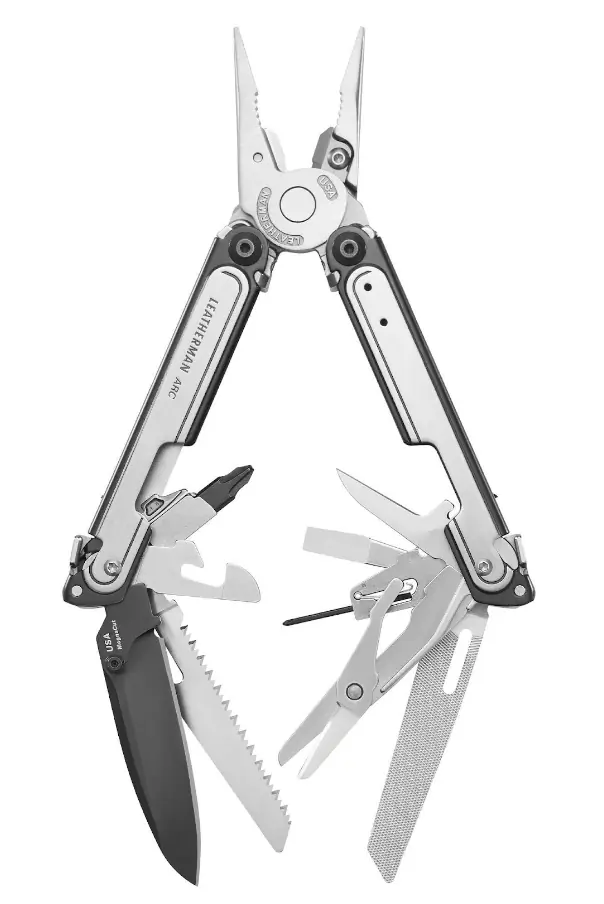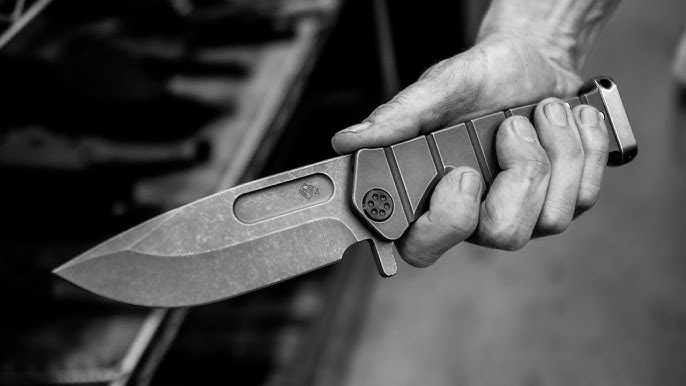
Have you ever wondered what happened to Survive Knives? If you’ve been searching for reliable gear or just curious about this brand, you’re not alone.
Many people like you have asked the same question. You’ll discover the story behind Survive Knives, why they suddenly disappeared, and what it means for your next outdoor adventure. Keep reading—you might find answers that save you time, money, and frustration.
Credit: knifenews.com
Rise Of Survive Knives
The rise of Survive Knives marked a significant shift in the outdoor and survival gear market. These knives quickly gained attention for blending durability with practical design, making them a favorite among adventurers and survival enthusiasts. Their popularity wasn’t just about sharp blades; it was about how these tools adapted to real-life challenges.
Early Popularity
Survive Knives first caught the eye of outdoor lovers who needed reliable gear for tough environments. People appreciated how these knives performed under pressure—whether cutting rope, preparing food, or building shelter.
One reason for their early success was word of mouth. Users shared stories about how their Survive Knife saved them in unexpected situations. This trust built a strong community around the brand almost overnight.
Key Features And Appeal
What makes Survive Knives stand out? It’s a mix of practical features designed with the user in mind:
- High-quality steel:Offers long-lasting sharpness and resists rust.
- Ergonomic handles:Provide a secure grip even in wet or cold conditions.
- Multi-functionality:Many models include tools like fire starters or serrated edges.
These features don’t just sound good on paper—they make a real difference when you’re in the wild. Have you ever struggled with a tool that felt awkward or flimsy? Survive Knives were designed to eliminate that frustration.
Market Challenges Faced
The story of Survive Knives is not just about innovation and craftsmanship; it also reveals the tough hurdles the brand encountered. Market challenges can make or break a company, especially in niche sectors like survival gear. Understanding these challenges gives you insight into why even well-loved brands might struggle to stay on top.
Increasing Competition
The survival knife market grew crowded quickly. More brands started offering similar products at lower prices, making it hard for Survive Knives to stand out. You might wonder, how do you keep your loyal customers when cheaper alternatives flood the market?
Survive Knives faced competitors who were not only aggressive on price but also on marketing and innovation. Some newcomers used social media influencers to capture younger audiences, something Survive Knives was slower to adopt. This shift showed that product quality alone isn’t enough—you need to connect with your audience where they spend time.
Quality Control Issues
Even the best designs can suffer if quality slips. Survive Knives experienced inconsistencies in manufacturing that affected customer trust. Imagine buying a knife meant to last a lifetime, only to find the blade dulls quickly or the handle cracks after minimal use.
These issues often stemmed from trying to cut costs or rushing production to meet demand. You’ve probably seen reviews where one customer praises a product, while another complains about defects. Such mixed feedback can confuse potential buyers and damage a brand’s reputation fast.
Addressing quality control requires strict oversight and sometimes slowing down production to fix problems. Would you rather have a smaller batch of flawless knives or mass-produced ones that don’t meet expectations? Survive Knives’ struggle shows the risk of choosing speed over precision in a competitive market.
Business Decisions Impact
Business decisions shaped the fate of Survive Knives. Choices made at critical moments affected its growth and market presence. Some decisions helped the brand, while others led to challenges.
Leadership Changes
Leadership shifts brought new visions and directions. New leaders aimed to steer the company toward fresh goals. These changes sometimes caused confusion among employees and customers. Different management styles affected team morale and productivity. Stability in leadership was missing during crucial times.
Marketing Strategy Shifts
The marketing focus moved away from core customers. Campaigns changed to target a broader, less defined audience. This shift diluted the brand identity and message. Advertising budgets fluctuated, impacting visibility and reach. The company struggled to maintain customer loyalty and engagement.
Credit: knifenews.com
Customer Feedback And Reactions
Customer feedback and reactions provide a clear window into what really happened with Survive Knives. They reveal how the brand resonated with users and where it might have missed the mark. Understanding this helps you decide if these knives are the right fit for your needs.
Positive Reviews
Many users praised Survive Knives for their solid build quality and sharpness right out of the box. One customer mentioned how the knife held an edge even after heavy outdoor use, which is impressive for survival gear. Others appreciated the ergonomic handle design, saying it felt comfortable during extended use.
People also highlighted the versatility of these knives. They worked well for camping, hunting, and even everyday tasks. This kind of multi-use appeal often makes a product stand out in a crowded market.
- Strong, durable blade that stays sharp
- Comfortable grip for long periods
- Good value for the price
- Reliable in various outdoor conditions
Criticism And Complaints
On the flip side, some customers expressed frustration over inconsistent quality control. A few reported issues with the handle loosening after a few months of use. This kind of problem raises questions about long-term durability.
Others felt the sheath provided was not secure enough, leading to safety concerns. A user shared that the knife slipped out during a hike, which could have been dangerous. These complaints suggest room for improvement in design and manufacturing.
- Handle durability issues after prolonged use
- Sheath security concerns
- Occasional rusting reported despite claims
- Customer service responsiveness varies
Given these mixed reactions, what do you prioritize most in a survival knife? Would you choose a brand based on strong initial performance or long-term reliability?
Current Status Of Survive Knives
The current status of Survive Knives is a topic that often sparks curiosity among outdoor enthusiasts and collectors. After their rise in popularity for rugged use and unique design, many wonder if these knives are still being produced and how the brand stands today. Understanding where Survive Knives are now can help you decide if they deserve a place in your gear collection.
Production And Availability
Survive Knives experienced a period of strong production, creating a range of tactical and survival blades favored by many. However, recent reports suggest that their manufacturing has slowed down considerably. This slowdown has made finding new Survive Knives in retail stores or online platforms more challenging.
If you are searching for a specific Survive Knife model, you might need to explore second-hand markets or specialty knife forums. Some collectors have shared that limited releases still happen, but these are often in small batches and sell out quickly. Have you checked if your local outdoor store still stocks any Survive Knives?
Brand Reputation Today
Survive Knives once built a solid reputation for durability and practicality, especially among survivalists and outdoor adventurers. Today, the brand maintains respect for its past models, but opinions vary regarding current offerings. Some users praise the craftsmanship, while others note inconsistencies or lack of innovation compared to newer brands.
Community reviews often highlight the nostalgia factor tied to Survive Knives, with many owners valuing them as reliable tools for tough conditions. If you own a Survive Knife, how has it held up over time? Sharing your experience could help others decide if it’s worth investing in this brand now.
Lessons Learned From The Decline
The decline of Survive Knives serves as a valuable case study for businesses, particularly in the niche market of survival tools. Understanding the lessons learned from their downturn can provide crucial insights for both established companies and budding entrepreneurs. These insights not only highlight potential pitfalls but also suggest pathways to sustainability and growth.
Industry Insights
One of the key lessons from Survive Knives’ decline is the importance of understanding industry dynamics. The survival gear market is competitive, with numerous players vying for attention. Companies need to differentiate their products to stand out.
What set Survive Knives apart initially was their emphasis on quality craftsmanship. However, as the market evolved, they struggled to innovate and adapt to changing consumer preferences. Are you keeping an eye on industry trends and customer feedback to ensure your products remain relevant?
Another critical insight is the significance of maintaining a strong supply chain. Survive Knives faced challenges with production delays and inventory management, which affected customer satisfaction. Efficient operations are vital to meet demand and maintain customer trust.
Future Prospects
Despite the decline, there’s still hope for brands like Survive Knives to make a comeback. Embracing digital transformation can be a game-changer. Enhancing online presence through a robust e-commerce platform can expand reach and improve customer interaction.
Furthermore, focusing on product diversification may open new revenue streams. Could expanding your product line to include related survival gear attract a broader audience? By exploring these possibilities, businesses can mitigate risks associated with market fluctuations.
Finally, building a community around your brand can foster loyalty and advocacy. Engaging with customers through social media and user-generated content can create a sense of belonging and drive organic growth. How are you cultivating a loyal customer base that champions your brand?
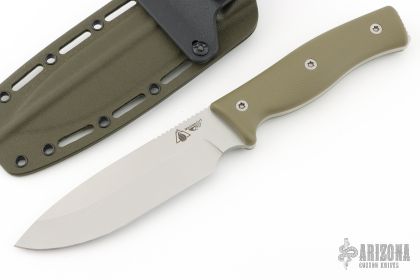
Credit: www.arizonacustomknives.com
Frequently Asked Questions
What Happened To Survive Knives Brand?
Survive Knives faced production and supply issues leading to limited availability. The brand shifted focus to other product lines, impacting their knife range’s visibility and sales.
Are Survive Knives Still Being Made?
Survive Knives are rarely produced now. The company discontinued most models due to market changes and resource allocation to other outdoor gear products.
Why Did Survive Knives Lose Popularity?
Survive Knives lost popularity because of increased competition and lack of innovation. Newer brands offered better technology and design, attracting customers away.
Where Can I Buy Survive Knives Today?
Survive Knives can be found occasionally on secondary markets like eBay. New stock is rare, so collectors often rely on resellers or used options.
Conclusion
Survive Knives once held a special place in gaming. Changes in the market and player interests shifted its path. New competitors and updates affected its popularity. Fans still remember its unique features and challenges. The story of Survive Knives shows how games evolve over time.
Some games fade, while others grow stronger with change. The journey of Survive Knives offers lessons for players and creators alike. It remains a part of gaming history worth noting.