Have you ever wondered when survival knives first became popular? These tools are more than just sharp blades—they are lifelines in tough situations.
Whether you’re an outdoor enthusiast, a collector, or just curious, understanding the origins of survival knives can change how you see them. You’ll discover the surprising history behind these essential tools and why they became a must-have for survival. Keep reading—you might find out something that changes the way you prepare for your next adventure.
Early Cutting Tools
Before survival knives became the essential tools we know today, early humans relied on basic cutting tools that marked the beginning of mankind’s ability to manipulate the environment. These early tools were simple yet effective, crafted from materials readily available in nature. Understanding these origins helps you appreciate how survival knives evolved to meet the demands of human survival.
Stone Age Blades
Stone Age blades were the first cutting tools made by humans. Early humans chipped stones to create sharp edges for cutting meat, plants, and wood. These tools were not knives in the modern sense but served the same purpose of survival.
Think about how you use a knife today to prepare food or build shelter. Early humans did the same, using flint or obsidian to create sharp edges. Their tools were often multi-functional, reflecting the need to adapt to different survival tasks.
Have you ever tried using a primitive tool? It quickly makes you realize how important the right blade is for survival. These early blades laid the foundation for more advanced tools.
Bronze And Iron Age Innovations
With the discovery of metalworking, cutting tools took a giant leap forward. Bronze and later iron allowed for stronger, sharper, and more durable blades. This innovation changed how people hunted, built, and defended themselves.
Bronze tools were easier to shape and could hold a sharper edge than stone. Iron tools improved even further, becoming the first true knives with defined handles and blades. This shift made cutting tools more reliable and versatile.
Imagine trying to cut wood or prepare food with a stone tool versus an iron blade. The difference in efficiency is clear. This era marks the beginning of survival knives becoming specialized tools designed for specific tasks you face in the wild today.
Credit: www.fieldmag.com
Medieval Survival Tools
Medieval survival tools were essential for daily living and combat during a time when resources were limited and dangers were constant. People relied heavily on simple yet effective tools to navigate the challenges of their environment. Among these tools, knives held a special place, serving multiple purposes beyond just cutting.
Knives In Warfare
Knives were more than just weapons; they were vital for close combat. Soldiers carried them as backup tools when swords or spears were not practical. The design of these knives often balanced sharpness with durability, ensuring they could withstand the harsh conditions of battle.
Have you ever considered how a small blade could change the outcome of a fight? In medieval times, a well-crafted knife could mean the difference between life and death on the battlefield. This necessity pushed blacksmiths to improve blade quality and usability constantly.
Utility In Everyday Life
Outside the battlefield, knives were indispensable in everyday tasks. From preparing food to crafting shelter, a reliable blade was a constant companion. People used knives to skin animals, carve wood, and even sew leather for clothing or armor repairs.
Think about your daily routine without access to simple tools like knives. Survival back then depended on these tools not just for protection but for sustaining life itself. This practicality is why knives became a cornerstone of survival gear long before modern survival knives appeared.
Exploration And Survival
The history of survival knives is rich and fascinating. These tools have played a crucial role in exploration and survival. Understanding their historical significance offers insight into their evolution.
Knives In Age Of Discovery
During the Age of Discovery, explorers faced unknown challenges. They needed reliable tools for various tasks. Knives became essential for survival and exploration. These blades were used for cutting ropes, preparing food, and crafting. Their versatility made them indispensable.
Explorers relied heavily on knives for safety. They needed to be well-prepared for any situation. The knife’s utility proved its worth time and again. It became a symbol of readiness and self-reliance.
Role In Expeditions
Knives played a key role in historical expeditions. Adventurers carried them as part of essential gear. They were vital for constructing shelters and hunting. Knives helped explorers adapt to new environments.
On these journeys, survival knives showcased their durability. They needed to withstand harsh conditions. A well-made knife could mean the difference between life and death. Explorers valued knives for their practicality and reliability.
Military Influence
The military has played a major role in shaping the survival knife as we know it today. These tools were designed not just for combat but for survival in extreme conditions. Understanding this influence helps you appreciate why certain features are so common in survival knives.
World War Era Designs
During World War I and World War II, soldiers needed reliable knives that could handle multiple tasks. The designs focused on durability, versatility, and ease of use under pressure. Knives like the KA-BAR became famous because they worked well for both fighting and practical tasks like cutting ropes or opening cans.
These knives often had:
- Strong, fixed blades
- Sturdy handles for a firm grip
- Simple designs to prevent breakage
Have you ever wondered why survival knives often look quite similar? Much of that comes from the design lessons learned during wartime.
Special Forces And Survival Gear
Special Forces units introduced even more specialized survival knives. These knives had to be effective in diverse environments—from jungles to deserts. Features like serrated edges, hollow handles for storing small tools, and corrosion-resistant materials became popular.
These elite units influenced the commercial survival knife market by showing what works in real survival situations. If you choose a survival knife today, you might find it includes elements that were tested and proven in dangerous missions.
Think about your own gear—does your knife have features that would hold up under tough conditions? The military’s influence ensures that survival knives are not just tools but lifelines when you need them most.
Rise Of Modern Survival Knives
The rise of modern survival knives is a story shaped by necessity and innovation. These tools evolved from simple blades into specialized instruments designed to meet the demands of harsh environments and unpredictable situations. Understanding this evolution helps you appreciate the features and designs that make today’s survival knives reliable companions in the wild.
Post-war Innovations
After World War II, survival knives underwent significant changes. Soldiers needed tools that could handle more than just combat—they had to survive in extreme conditions. This demand pushed manufacturers to improve blade strength, handle grip, and added multi-functional features.
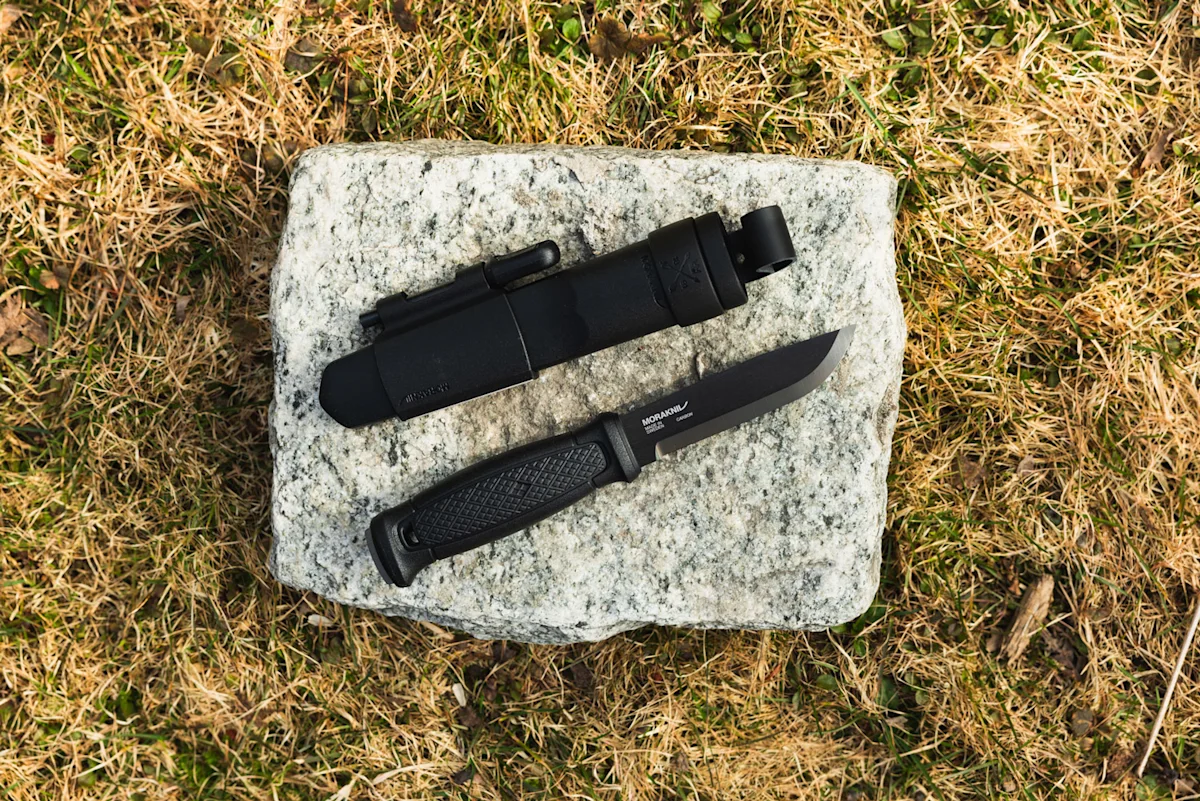
One major innovation was the introduction of full tang construction, where the blade extends through the handle. This design dramatically increased durability and balance, making knives less likely to break under pressure. Additionally, the use of corrosion-resistant steel became common, helping knives last longer in wet and harsh environments.
These post-war improvements set a new standard. They made survival knives more than just weapons—they became essential tools for outdoor survival, bushcraft, and emergency situations. Have you ever wondered how your knife would perform if you were stranded somewhere remote?
Popular Models And Makers
Some survival knife models from this era still influence design today. The KA-BAR, originally issued to U.S. Marines, became famous for its versatility and toughness. Its robust build and simple design appealed to both soldiers and outdoor enthusiasts.
Another key player was the Randall Made Knife, known for custom-made blades with high-quality steel and ergonomic handles. Randall’s knives balanced form and function, proving that survival knives could be both practical and comfortable to use.
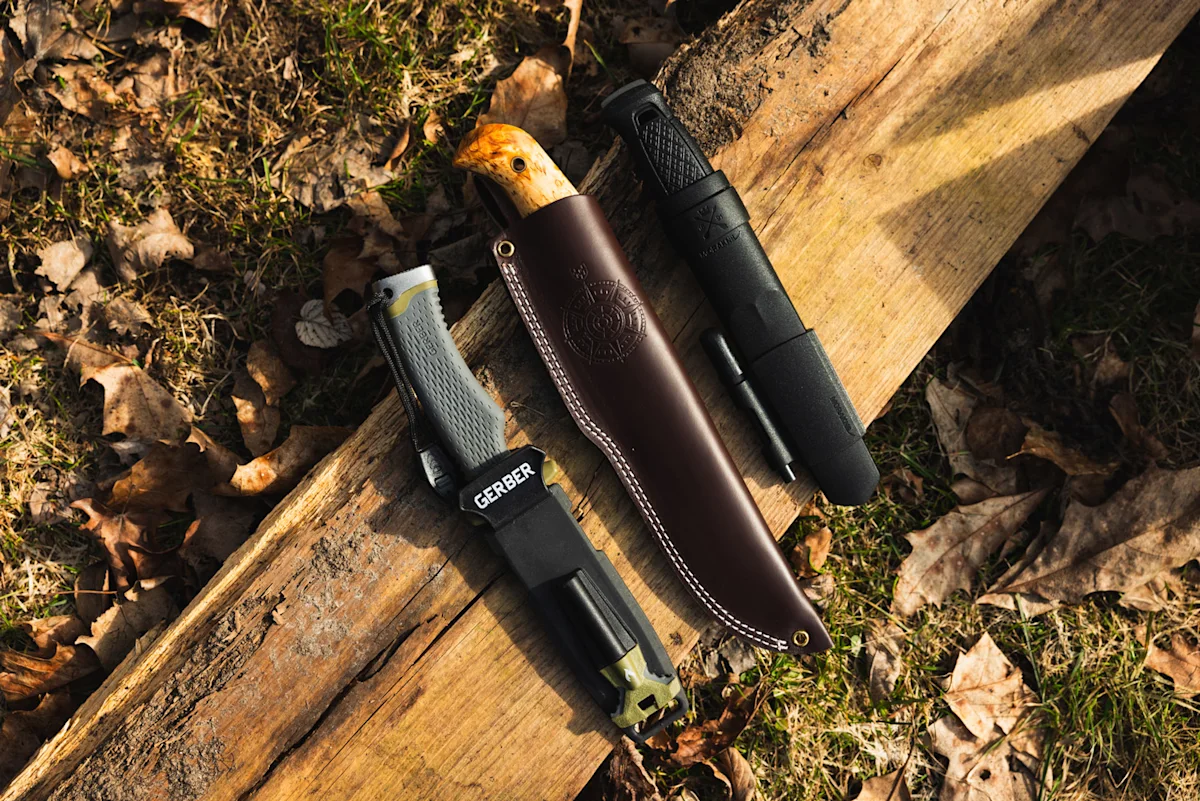
Companies like Gerber and Buck also entered the scene, creating affordable yet reliable knives. These brands introduced features like saw teeth on the back edge and hollow handles for storing survival gear.
- KA-BAR:Sturdy, combat-tested, and versatile.
- Randall Made Knife:Custom craftsmanship with ergonomic design.
- Gerber:Innovative, budget-friendly, and multi-functional.
- Buck:Durable, classic styles with practical features.
Which features do you think are most important for a survival knife you would trust with your life? Knowing the history and makers behind these tools can guide your choice toward a knife that fits your real-world needs.
Survival Knives In Popular Culture
Survival knives have become a symbol of adventure and resilience in popular culture. Their rugged design and practical use make them a favorite tool in stories about wilderness and survival. Over time, these knives have appeared in many forms of media, shaping how people see them and inspiring interest in outdoor skills.
Movies And Tv Impact
Survival knives often play key roles in movies and TV shows. They are seen as essential tools for heroes facing tough challenges. Films like “Rambo” made survival knives iconic by showing their strength and versatility. Viewers admire the toughness and reliability these knives represent.
TV series about survival and adventure also highlight these knives. Characters use them to build shelters, prepare food, or defend themselves. This exposure helps viewers understand their importance and sparks curiosity about survival skills.
Survival Shows And Trends
Survival shows have boosted the popularity of survival knives. Experts demonstrate how to use knives safely and effectively in the wild. These shows teach basic skills while showcasing different knife types.
The rise of outdoor hobbies and survival trends has increased demand for quality knives. People buy them for camping, hiking, and emergency kits. Social media also spreads tips and videos, making survival knives a trendy topic.
Materials And Technology Advances
Materials and technology have played a huge role in shaping survival knives into the reliable tools they are today. Advances in metallurgy and design have made these knives more durable, functional, and easier to use. Understanding these developments can help you choose the right knife for your needs and appreciate the craftsmanship behind them.
Steel Types And Durability
The type of steel used in survival knives greatly affects how well the blade holds up in tough conditions. High-carbon steel, known for its sharpness and edge retention, was once the favorite. However, it rusts easily if not properly cared for.
Today, stainless steel variants like 440C and CPM S35VN offer a balance between sharpness and corrosion resistance. Some knives use powder metallurgy steel, which boosts toughness and durability without sacrificing sharpness. Have you ever struggled with a blade that dulls quickly or rusts after exposure to moisture? Choosing the right steel can save you from those frustrations.
Ergonomics And Design Features
Ergonomics have become a big focus in survival knife design. Handles now feature textured grips made from materials like G10 or Micarta, which prevent slipping even when wet. A comfortable handle reduces hand fatigue during prolonged use, which is crucial in survival situations.
Designers have also added practical features like finger guards and lanyard holes to improve safety and versatility. Some knives come with serrated edges for cutting rope or wood, offering more functionality without needing extra tools. When you pick up a survival knife, does it feel natural in your hand? That comfort can make all the difference when every movement counts.

Credit: www.nothingbutknives.com
Choosing The Right Survival Knife
Choosing the right survival knife can make a huge difference when you’re out in the wild. It’s not just about having a sharp blade; it’s about having a tool that fits your specific needs and environment. The right knife can help you build shelter, prepare food, and even protect yourself in tough situations.
Factors To Consider
Think about the size and weight of the knife first. A heavy, bulky knife might feel powerful, but it can tire your hand quickly. On the other hand, a knife that’s too small might not handle tough tasks like chopping wood or cutting rope.
Next, focus on the blade material. High carbon steel holds an edge well but can rust without care. Stainless steel resists rust but sometimes dulls faster. How often will you be able to maintain your knife?
Handle comfort is often overlooked but crucial. A knife with a slippery or hard handle can cause blisters or slip when wet. Look for grips made of rubber or textured materials that feel secure in your hand.
Types For Different Environments
Survival knives vary depending on where you plan to use them. In dense forests, a strong fixed blade around 4-6 inches is ideal for cutting branches and preparing firewood. If you’re near water or in a humid climate, corrosion resistance becomes a priority.
Desert survival calls for lightweight knives that can handle dry, abrasive conditions. A multi-purpose blade with a pointed tip can help with tasks like digging or piercing tough materials. Have you thought about the environment you’ll face the most?
For cold or snowy regions, a knife with an insulated handle and a blade that won’t easily chip is essential. Sometimes, a folding knife with a locking mechanism adds safety when working with gloves on. What environment challenges will your knife need to meet?
Credit: www.fieldmag.com
Frequently Asked Questions
When Did Survival Knives First Become Popular?
Survival knives gained popularity during World War II. Soldiers needed versatile tools for outdoor survival. This demand made survival knives essential gear for military and outdoor enthusiasts alike.
Why Are Survival Knives Important For Outdoor Activities?
Survival knives provide essential functions like cutting, carving, and self-defense. They help in building shelters, preparing food, and making fire. Their versatility makes them vital for camping and wilderness survival.
What Features Define A Survival Knife?
A survival knife typically has a strong, fixed blade with a sharp edge. It often includes a full tang for durability and a comfortable grip. Additional features may include a serrated edge or a hollow handle for storage.
How Did Military Use Influence Survival Knives?
Military needs drove the design of survival knives to be durable and multifunctional. The US Army introduced models like the Ka-Bar, which influenced civilian survival knife designs worldwide.
Conclusion
Survival knives have a long and interesting history. They became popular as tools for outdoor and emergency use. People value them for their strength and usefulness. Today, they remain important for camping, hiking, and survival skills. Knowing their background helps us appreciate their design and purpose.
These knives continue to be trusted companions in many adventures. The story of survival knives shows how humans adapt to nature’s challenges. Simple, strong, and reliable—that’s why survival knives became a thing.