Have you ever wondered what makes a knife truly valuable when your life depends on it? When facing danger, the right knife can mean the difference between survival and disaster.
But not all knives are created equal—some are built to last and perform under pressure, while others might fail when you need them most. You’ll discover which knives are worth trusting in a life-or-death situation. Understanding this could save your life or the life of someone you care about.
Keep reading to find out how to choose the knife that will survive the killer moment.
Credit: picclick.com.au
Choosing The Right Survival Knife
Choosing the right survival knife matters a lot in critical situations. The right knife can help you cut, carve, or even protect yourself. It must be tough, reliable, and comfortable to use. The wrong knife can break or slip, causing trouble instead of help.
Several key factors affect the knife’s performance. These include the blade type, handle design, and whether the blade is fixed or folding. Each part plays a unique role in making the knife useful and safe.
Blade Types And Materials
The blade type affects what tasks the knife can handle. Common blade shapes include drop point, clip point, and tanto. Drop point blades are strong and good for general use. Clip point blades have a sharp tip for precision. Tanto blades offer extra strength at the tip for tough jobs.
Blade material also matters. Stainless steel resists rust but may dull faster. Carbon steel holds a sharp edge longer but needs more care. Some knives use special coatings to prevent corrosion and reduce reflection.
Handle Design And Grip
The handle must fit your hand well. A good grip reduces slipping and hand fatigue. Materials like rubber, wood, or synthetic composites offer different feels and durability. Textured handles help maintain grip in wet or muddy conditions.
Check the knife’s balance. A well-balanced knife feels natural and easy to control. The handle shape should allow a firm hold for various cutting angles and force levels.
Fixed Blade Vs Folding Knife
Fixed blade knives are stronger and more durable. They have no moving parts, so they handle heavy tasks better. These knives are easier to clean and maintain.
Folding knives are compact and easier to carry. They fit in pockets or small packs. Folding knives may not be as strong as fixed blades but offer convenience and safety when folded.
Choose based on your needs. For heavy survival tasks, fixed blades work best. For everyday carry or light use, folding knives offer good flexibility.

Credit: www.ebay.ca
Essential Knife Features For Survival
Choosing the right knife is crucial for survival situations. Certain features make a knife reliable, durable, and versatile. These features help you handle tough tasks and stay safe.
Blade Length And Thickness
The blade should be long enough to cut, carve, and defend. A length between 4 to 6 inches works well. Thickness matters for strength. A blade around 3 to 5 millimeters thick resists bending and breaking. Too thin blades break easily. Too thick blades are heavy and hard to use.
Full Tang Construction
A full tang means the metal runs through the handle. This design offers the strongest hold and balance. It prevents the blade from snapping off under pressure. Knives with partial or hidden tangs are weaker. Full tang knives last longer and handle hard tasks without failure.
Serrated Edges And Multi-functionality
Serrated edges help cut tough materials like rope and wood. They work well when a smooth blade struggles. Many survival knives combine a plain edge with a serrated part. This mix makes the knife more useful. Multi-function knives may include tools like a fire starter or screwdriver. These features save space and add value.
Knife Maintenance In The Wild
Knives that last in the wild need strong blades and solid handles. Staying sharp and rust-free keeps them ready for any challenge. Proper care means your knife can truly survive tough situations.
Knife Maintenance in the Wild In the wilderness, your survival knife is more than just a tool—it’s a lifeline. Keeping it in top shape is crucial for your survival. Proper maintenance ensures that your knife will be reliable when you need it most.Sharpening Techniques
A dull knife is a dangerous knife, especially in the wild. Regular sharpening maintains its edge and effectiveness. Use a whetstone or a portable sharpening tool to keep it razor-sharp. Did you know that the angle at which you sharpen your knife matters? A 20-degree angle is ideal for a strong and sharp edge. Practice makes perfect, so try sharpening an old knife first to get the hang of it.Cleaning And Rust Prevention
Dirt and moisture can wreak havoc on your knife. After each use, clean your knife with water and dry it thoroughly. This prevents rust, which can weaken the blade over time. Consider using a light coating of oil to protect the blade. It’s a simple step that can extend the life of your knife. Do you have a favorite oil for this purpose?Safe Storage And Carrying
Proper storage is as important as maintenance. Always use a sheath to protect the blade and yourself. A good sheath also keeps the knife secure and easily accessible. When carrying your knife, ensure it’s secure and doesn’t impede your movement. A belt clip or a backpack strap can be practical options. How do you prefer to carry your knife in the wild?Survival Scenarios And Knife Uses
Understanding the role of knives in survival scenarios can make the difference between thriving and merely surviving. Knives are not just tools; they become your most reliable companion in the wild. Let’s look at how you can use your knife effectively in various survival situations.
Shelter Building
Your knife is essential when creating shelter. It helps you cut branches and shape wood to build a sturdy frame. A sharp blade lets you carve notches for securing ropes or vines, making your shelter stable.
Have you ever tried to whittle small sticks for a shelter without a good knife? It’s frustrating and slow. A reliable knife speeds up the process, allowing you to focus on other survival tasks.
Food Preparation And Hunting
Preparing food is easier with a versatile knife. You can skin animals, fillet fish, and chop vegetables to keep your meals nutritious. Your knife also helps you craft basic hunting tools like spears or traps.
Picture this: you catch a fish, but without a good knife, cleaning it is a struggle. A sharp blade lets you remove scales and guts cleanly, reducing waste and risk of contamination.
Self-defense Techniques
In a dangerous situation, your knife becomes a critical self-defense tool. Knowing how to hold and use your knife can protect you from wild animals or hostile encounters. Practice grip and quick, controlled movements to maximize your safety.
Do you feel confident defending yourself with a knife? Training and understanding your knife’s capabilities can boost your confidence and readiness. It’s not about fighting but about having a reliable option when you need it most.
Budget Vs Premium Survival Knives
Choosing between budget and premium survival knives often boils down to understanding what you truly need in the wild. Both options have their strengths and weaknesses, and your choice will affect your preparedness and confidence in survival situations. Let’s break down the key differences to help you decide which knife fits your survival strategy.
Cost Vs Durability
Budget knives usually come with a lower price tag, making them accessible if you’re just starting out or testing the waters of outdoor survival. However, these knives often use cheaper materials, which can impact edge retention and overall toughness.
Premium knives, on the other hand, are made from high-quality steel and feature superior craftsmanship. This means they hold their edge longer and resist corrosion better, but you’ll pay significantly more upfront. Ask yourself: would you rather replace a budget knife multiple times or invest once in a tool that lasts?
Brand Comparisons
Brands like Morakniv and Ka-Bar offer reliable budget knives that perform well for basic tasks. They’re great for beginners or casual campers who need dependable tools without breaking the bank.
In the premium category, companies such as ESEE, Benchmade, and Fallkniven stand out. Their knives often come with warranties and meticulous design focused on survival scenarios. You might find that a premium knife feels more balanced and comfortable during extended use, which can make a difference in stressful situations.
When To Invest In High-end Knives
If you spend a lot of time outdoors, especially in harsh environments, a high-end survival knife can be a game-changer. These knives are built to withstand extreme conditions and heavy use, reducing the risk of failure when you need them most.
Think about the last time you were in the wild. Did your gear let you down? Investing in a premium knife might save you from that frustration and even danger. Ultimately, it’s about matching your knife to your skill level and the challenges you expect to face.
Legal Considerations For Carrying Knives
Carrying a knife for survival or self-defense is a serious responsibility that goes beyond just choosing the right blade. Understanding the legal landscape around knives is crucial to avoid unexpected trouble. Before you decide to carry a knife, you need to know the laws that apply to your area and circumstances.
Local Laws And Restrictions
Every city, state, or country has its own rules about what types of knives you can carry and where you can carry them. Some places ban certain blade lengths or styles, such as switchblades or fixed blades. You might be allowed to carry a folding knife but not a fixed blade, or only if it’s below a certain size.
Have you checked your local regulations recently? Laws can change, and what was legal last year might not be today. Ignorance of the law won’t protect you if you get stopped by authorities.
Traveling With Knives
Moving between locations, especially across state or country borders, adds complexity. Airports, public transport, and international flights have strict rules about knives. Carrying a survival knife in your checked luggage might be allowed, but in your carry-on bag, it almost certainly isn’t.
Think about your route before packing a knife. Are you crossing multiple jurisdictions? Each stop might have different laws. It’s safer to research and pack knives securely to avoid fines or confiscation.
Knife Safety And Responsibility
Carrying a knife means you must handle it responsibly. This includes safe storage, proper handling, and never using it unlawfully. A knife is a tool, not a weapon to brandish or threaten others.
Have you practiced using your knife safely in a controlled environment? Knowing how to open, close, and carry it without risk to yourself or others is key. Responsible knife owners prevent accidents and legal issues.

Credit: www.ebay.ca
Frequently Asked Questions
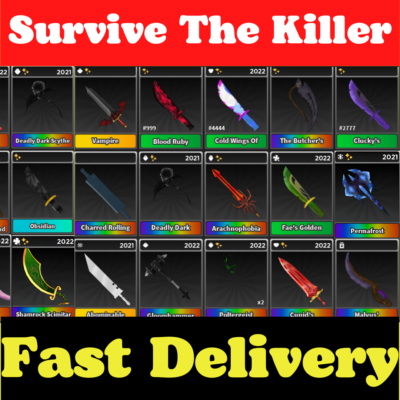
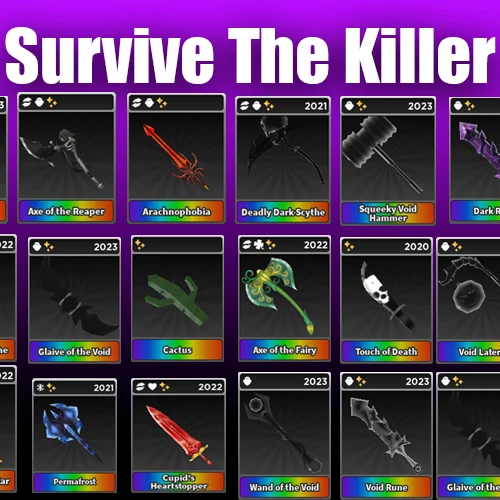
What Is The Value Of Knives In Survive The Killer?
Knives in Survive the Killer vary in value based on rarity and design. Rare knives often sell for higher prices among players. Their worth depends on in-game demand and exclusive features. Collectors and players seek unique knives for status and gameplay advantages.
How To Determine A Knife’s Worth In The Game?
Knife worth depends on rarity, skin, and condition. Limited editions and rare skins increase knife value. Check trading platforms and community forums for current prices. Player demand and knife availability influence market price significantly.
Can Knives Improve Survival Chances In Survive The Killer?
Yes, knives boost attack speed and damage. They help players eliminate threats quickly. Using rare knives can give a competitive edge. Proper knife use enhances both offense and defense strategies.
Where To Trade Valuable Knives Safely?
Trusted trading platforms and official game forums are safest. Avoid third-party websites with poor reviews. Always verify buyer or seller credibility before trading. Secure trades protect players from scams and fraud.
Conclusion
Knives play a key role in surviving the killer. Choosing the right knife can save your life. Practice using knives often to improve your skills. Stay calm and think fast during danger. Trust your instincts and use your knife wisely.
Always keep your knife sharp and ready. Survival depends on your actions and preparation. Remember, a knife is only a tool. Your courage and quick thinking matter most. Stay safe and stay alert every time.