When an emergency strikes, having the right food on hand can make all the difference for you and your loved ones. But what should you buy to be truly prepared?
Choosing the right foods isn’t just about filling your pantry—it’s about ensuring your safety, health, and peace of mind when it matters most. You’ll discover simple, smart food choices that keep well, provide essential nutrients, and help you stay strong no matter what happens.
Keep reading to find out exactly what to stock up on so you’re ready for any emergency.
Non-perishable Staples
Building a solid emergency food supply means focusing on non-perishable staples that last long and provide essential nutrients. These foods don’t spoil quickly, making them ideal for unpredictable situations. Your goal is to choose items that are versatile, nutritious, and easy to prepare under any condition.
Canned Vegetables And Fruits
Canned vegetables and fruits are lifesavers when fresh produce isn’t available. They keep well for years, and you get vital vitamins and fiber. Look for low-sodium options to keep your meals healthier.
Think about buying mixed vegetables, corn, green beans, peaches, and pineapple. These can brighten up meals and add variety. Ever tried canned pumpkin? It’s great for soups or baking and often overlooked in emergency kits.
Dry Grains And Pasta
Dry grains like rice, quinoa, and oats are excellent sources of energy and store easily. Pasta is another quick-cooking option that pairs well with many sauces or canned foods. These staples have a long shelf life if kept in airtight containers.
Consider buying different types—white and brown rice, various pasta shapes, and even couscous. This variety keeps your meals interesting and prevents food fatigue during long emergencies.
Legumes And Beans
Beans and legumes are nutritional powerhouses packed with protein and fiber. Dried beans take longer to cook but store longer, while canned beans are ready to eat immediately. Stock both types for flexibility in meal prep.
Black beans, lentils, chickpeas, and kidney beans are some of the best picks. Have you ever made a simple bean stew with just a few canned veggies and spices? It’s filling and easy to prepare.
Shelf-stable Dairy Alternatives
Shelf-stable dairy alternatives like powdered milk, almond milk, and soy milk can be a good source of calcium and vitamins. These products don’t require refrigeration until opened, making them perfect for emergencies.
Powdered milk is especially useful because you control the quantity you need. Plus, it’s versatile—you can use it for cooking, baking, or drinking. Have you stocked these items alongside your canned and dry goods?

Credit: www.goodhousekeeping.com
Protein Sources
Protein is vital for energy and muscle repair during emergencies. It supports immune health and keeps you full longer. Stocking a variety of protein sources ensures balanced nutrition. Choose options with long shelf life and easy storage.
Canned Meats And Fish
Canned meats like chicken, turkey, and beef provide ready-to-eat protein. Canned fish such as tuna, salmon, and sardines are rich in omega-3 fats. These items last for years and require no refrigeration. They are convenient for quick meals and snacks.
Nut Butters And Nuts
Nut butters are dense in protein and healthy fats. Peanut, almond, and cashew butters store well without refrigeration. Whole nuts like walnuts, almonds, and pistachios add crunch and nutrition. They are excellent for energy and easy to carry.
Powdered And Shelf-stable Eggs
Powdered eggs offer a great protein source with long shelf life. They can replace fresh eggs in most recipes. Shelf-stable liquid eggs come in sealed containers and need no refrigeration until opened. Both options are versatile and easy to prepare.
Plant-based Proteins
Beans, lentils, and chickpeas are rich in protein and fiber. Dried or canned forms last long and cook quickly. Quinoa and textured vegetable protein provide complete plant protein. These items support a balanced diet without meat.
Hydration Essentials
Staying hydrated during an emergency is not just a comfort—it’s a necessity. Your body needs water to function, especially under stress. Knowing what hydration supplies to buy can make a significant difference in your preparedness.
Bottled Water
Bottled water is the simplest and most reliable hydration option. It’s pre-packaged, easy to store, and ready to drink without any treatment. When selecting bottled water, look for containers with a long shelf life and avoid bottles that have been exposed to heat, which can degrade the water quality.
How much water should you store? Experts often recommend at least one gallon per person per day. Think about your family size and the number of days you want to be prepared for.
Electrolyte Drinks
Water alone might not be enough during emergencies that cause heavy sweating or dehydration. Electrolyte drinks help replenish essential minerals like sodium, potassium, and magnesium. These drinks can prevent cramps, fatigue, and dizziness.
Consider powder packets or tablets that you can mix with water to save space and extend shelf life. Have you ever experienced dehydration symptoms? Adding electrolytes could be what you need to feel better fast.
Water Purification Options
Sometimes, bottled water runs out or isn’t available. Water purification tools become crucial then. Portable filters, purification tablets, and UV light purifiers can turn unsafe water into drinkable water.
Each option has pros and cons: filters remove debris and bacteria but may not kill viruses, while tablets and UV devices target pathogens but require clean water to start. Do you know what type of water sources you might access during an emergency? Preparing the right purification method can save your life.
Comfort And Convenience Foods
When preparing for emergencies, comfort and convenience foods play a crucial role in keeping your spirits high and energy levels steady. These foods require little to no preparation, which saves you time and effort during stressful situations. Having a stash of easy-to-eat, familiar items can also provide a sense of normalcy when everything else feels uncertain.
Ready-to-eat Meals
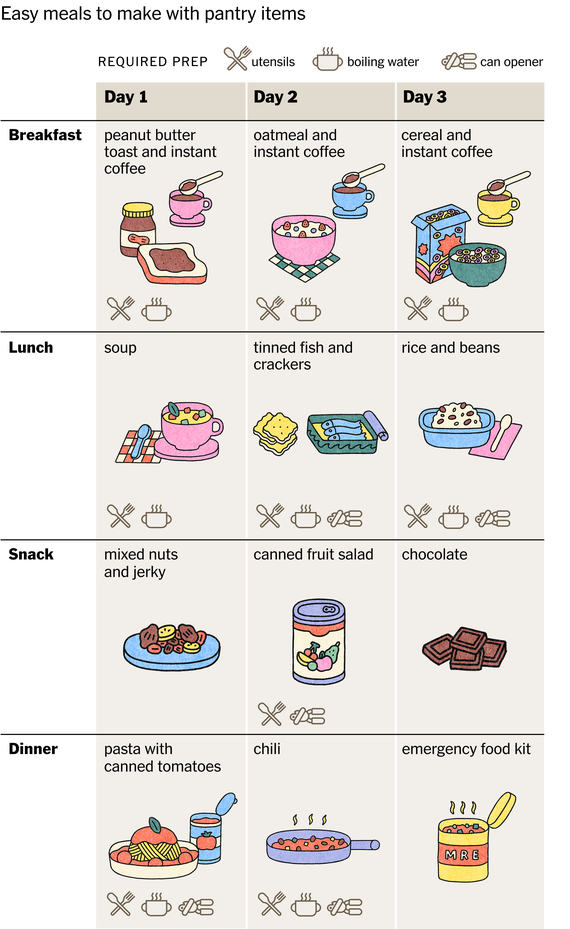
Ready-to-eat meals are lifesavers when cooking isn’t an option. Look for meals that are shelf-stable and sealed, such as canned soups, stews, and pasta dishes. These meals often just need warming up or can be eaten cold, making them ideal for power outages or limited water access.
Try to choose options with balanced nutrition and a variety of flavors to avoid food fatigue. Have you thought about storing meals from brands that specialize in emergency rations? They often pack extra calories and nutrients in compact servings.
Energy Bars And Snacks
Energy bars and snacks are perfect for quick fuel during emergencies. Pick bars that provide a good mix of protein, carbs, and fats to keep you full longer. Nut and seed mixes, dried fruits, and granola bars are easy to carry and store.
Don’t forget to check the expiration dates regularly and rotate your stock. What’s your favorite go-to snack that you’d want in an emergency kit? Choosing snacks you enjoy will encourage you to keep them stocked and ready.
Instant Beverages
Instant beverages add comfort and hydration without the hassle. Options like instant coffee, tea bags, powdered milk, and electrolyte drink mixes can brighten your day and help maintain hydration. They’re lightweight and take up minimal space in your emergency supplies.
Consider adding a variety of flavors to keep things interesting. Have you tried adding powdered drink mixes to your emergency kit to keep morale high during tough times?
Cooking And Storage Supplies
Preparing for an emergency means having the right cooking and storage supplies. These supplies help keep food safe and tasty over time. They also make cooking easier without electricity or modern appliances. Choosing durable, versatile items can ensure you eat well during tough times.
Long-lasting Cooking Oils
Cooking oils add flavor and calories to meals. Select oils that last long without going bad. Good choices include:
- Olive oil – rich in flavor and antioxidants
- Coconut oil – solid at room temperature and stable
- Vegetable oil – neutral taste and widely available
- Ghee or clarified butter – resists spoilage and adds richness
Store oils in cool, dark places to keep them fresh. Avoid cheap oils that spoil quickly. Proper oils help maintain energy and food quality.
Spices And Seasonings
Spices and seasonings turn simple food into something tasty. They make meals more enjoyable during stressful times. Focus on:
- Salt – essential for taste and preserving foods
- Black pepper – adds mild heat and aroma
- Garlic powder – boosts flavor without fresh garlic
- Dried herbs like oregano or thyme – enhance dishes
- Chili flakes or paprika – for a spicy kick
Store spices in airtight containers away from heat and light. Proper seasonings help maintain morale and appetite.
Food Storage Containers
Safe food storage prevents waste and contamination. Choose containers that seal well and last long. Options include:
- Glass jars with tight lids – for dry foods and liquids
- Heavy-duty plastic containers – lightweight and durable
- Vacuum-sealed bags – extend shelf life by removing air
- Metal tins – protect from light and pests
Label containers with contents and date for easy tracking. Proper storage keeps food fresh and safe for longer periods.

Credit: www.forbes.com
Special Dietary Needs
Preparing for emergencies means thinking about the needs of everyone in your household. Special dietary requirements can’t be overlooked because they affect health and comfort during stressful times. You want your emergency food supply to be not just enough, but right for each person’s unique needs.
Gluten-free Options
If you or a family member is gluten-sensitive or has celiac disease, regular emergency foods won’t work. Stock up on naturally gluten-free grains like rice, quinoa, and certified gluten-free oats.
Look for canned or dehydrated fruits and vegetables labeled gluten-free. Gluten-free pasta, crackers, and snack bars can also help keep meals varied and enjoyable.
Have you checked the labels lately? Gluten can hide in sauces and seasonings, so choose products specifically marked gluten-free to avoid surprises.
Allergen-free Foods
Food allergies require careful planning. Common allergens like nuts, dairy, eggs, and soy should be avoided if they cause reactions in your household.
Choose allergen-free canned soups, protein bars, and dry mixes that clearly list their ingredients. Beans, lentils, and shelf-stable veggies are safe bets for protein and nutrients.
How would you handle an allergic reaction if medical help is delayed? Keeping allergen-free emergency foods ensures safety and peace of mind.
Baby And Elderly Nutrition
Babies and elderly family members have special nutritional needs that must be met even in emergencies. Stock up on baby formula, baby food jars, and easy-to-digest snacks suitable for seniors.
Think about hydration options like electrolyte solutions for older adults. Soft, nutrient-rich foods such as applesauce or pudding cups can make a big difference.
Have you prepared enough to keep these vulnerable family members nourished and comfortable during a crisis? Their health depends on your thoughtful choices.
Rotation And Shelf Life Tips
Managing your emergency food supply efficiently means knowing how to rotate your stock and keep track of shelf life. Food that sits too long can lose its nutritional value or even become unsafe to eat. Proper rotation and monitoring help you avoid waste and ensure your supplies are always ready when you need them.
Labeling And Organizing
Label each item with the date you purchased it. Use simple, clear labels that include the expiration date if available. This way, you can quickly spot which foods need to be used first.
Organize your storage by placing newer items at the back and older ones at the front. This method, often called “first in, first out,” helps prevent forgetting older supplies. Group similar foods together to make inventory checks easier and faster.
Regular Inventory Checks
Set a schedule to check your emergency food every few months. During these checks, note which items are nearing their expiration dates. This gives you a chance to replace or use them in your daily meals before they spoil.
Have you ever found expired canned goods only when you needed them most? Regular reviews keep your supply fresh and reliable. Keep a simple inventory list on paper or your phone to track quantities and dates.
Safe Storage Practices
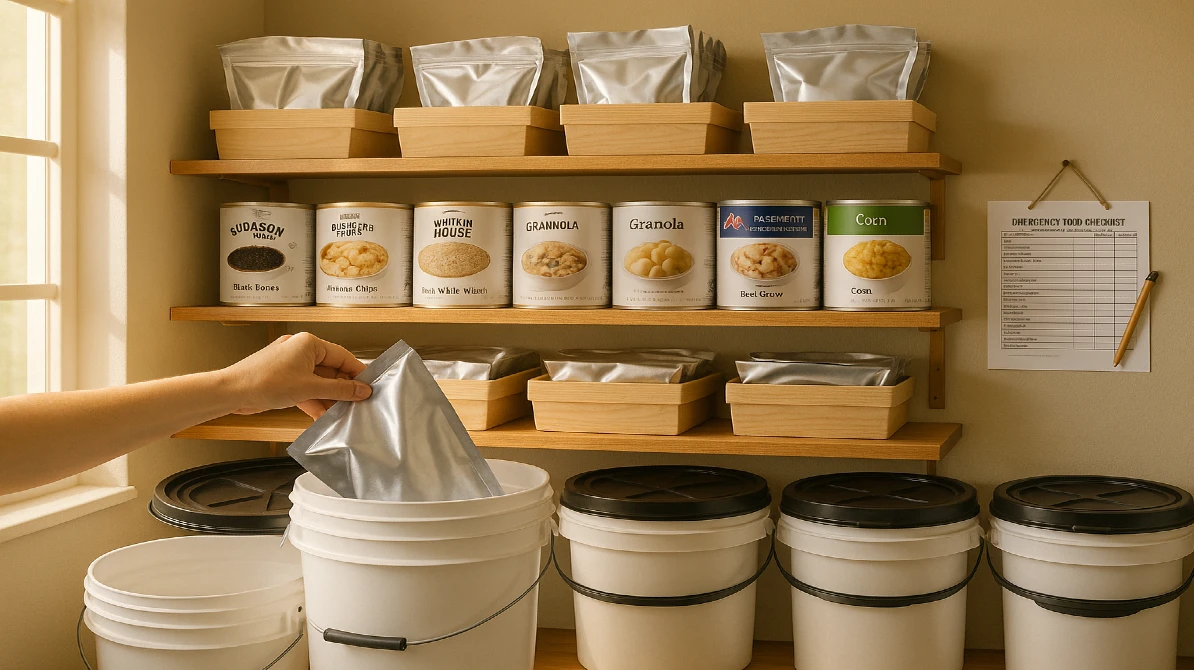
Store your food in a cool, dry place away from direct sunlight. Heat and moisture reduce shelf life and can cause spoilage faster. Avoid storing food near chemicals or cleaning supplies to prevent contamination.
Use airtight containers for opened packages or bulk items. This keeps pests out and preserves freshness longer. Think about investing in plastic bins or shelves to keep your emergency food off the ground and well organized.

Credit: www.mypatriotsupply.com
Frequently Asked Questions
What Are The Best Non-perishable Foods For Emergencies?
Non-perishable foods like canned beans, rice, pasta, and dried fruits last long. They provide essential nutrients and are easy to store. Choose items with long shelf lives and minimal preparation needs for emergency readiness.
How Much Food Should I Stock For An Emergency?
Stock at least a two-week supply of food per person. Include a variety of proteins, carbs, and fats. This ensures balanced nutrition and sustains energy during emergencies when supplies are limited.
Which Foods Provide The Most Energy During Emergencies?
High-calorie foods like nuts, peanut butter, granola bars, and dried fruits offer quick energy. They are lightweight, nutrient-dense, and require no refrigeration, making them ideal for emergency kits.
Are Canned Foods Safe For Long-term Emergency Storage?
Yes, canned foods are safe for long-term storage if kept in a cool, dry place. Check expiration dates regularly and rotate supplies to maintain freshness and safety.
Conclusion
Preparing for emergencies means choosing the right foods carefully. Focus on items that last long and provide good nutrition. Canned goods, dry grains, and ready-to-eat meals work well. Don’t forget water and simple snacks. Rotate your supplies to keep them fresh.
Planning ahead reduces stress during tough times. Stay safe and ready by stocking smart food choices today.