Are you worried about how to put food on your table during tough times in Florida? You’re not alone.
Many people are asking the same question: Is Florida receiving emergency food stamps right now? Knowing the answer could make a big difference for you and your family. You’ll discover the latest updates, how to apply, and what to expect.
Keep reading to find out if you qualify and how to get the help you need quickly. Your peace of mind starts here.
Current Status Of Food Stamps In Florida
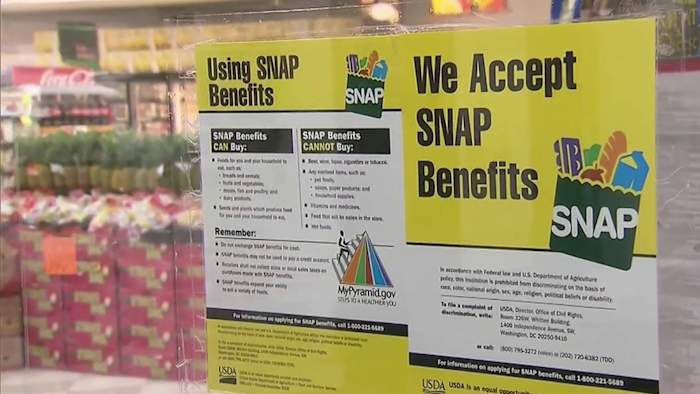
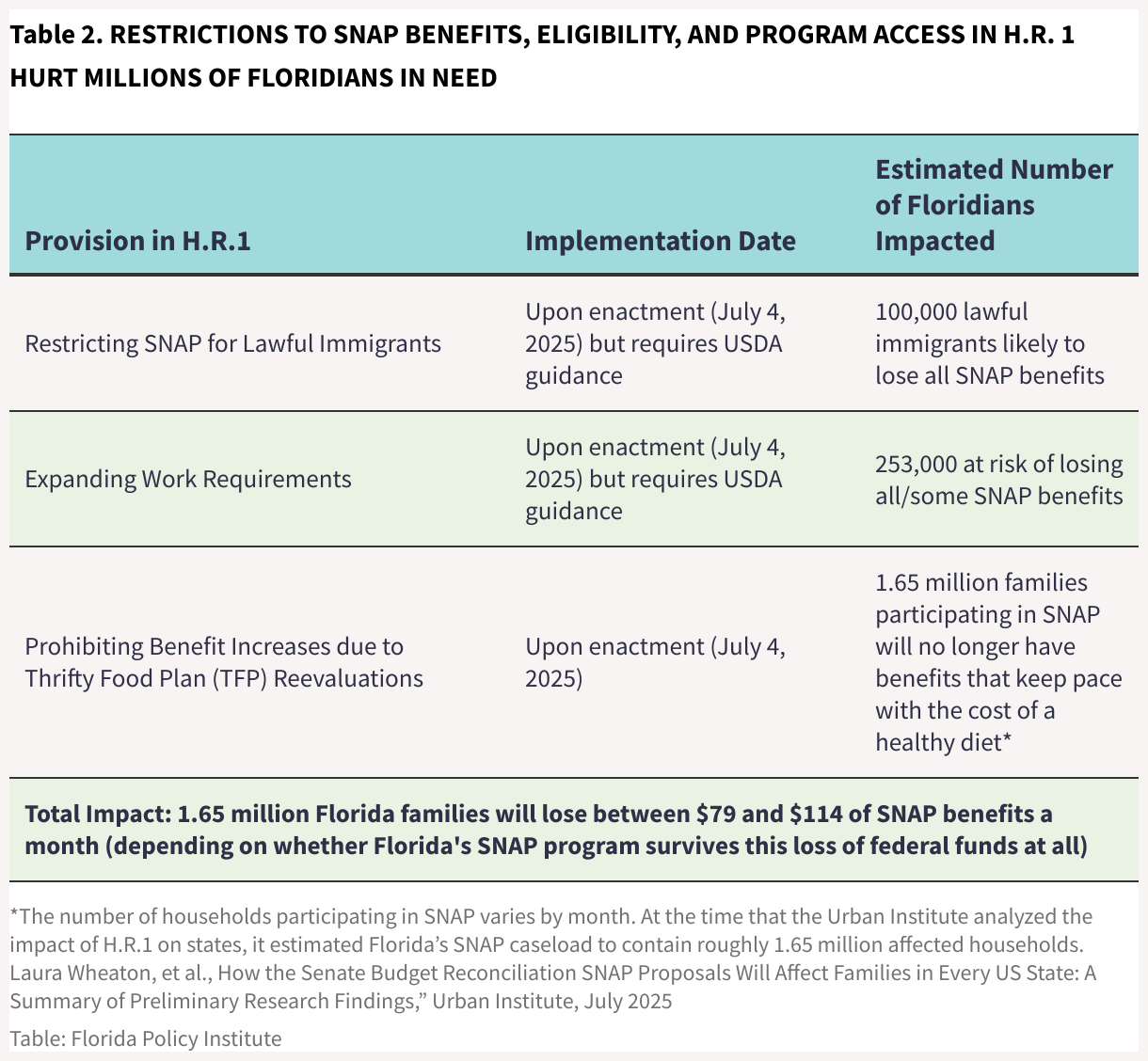
The current status of food stamps in Florida reflects ongoing efforts to support residents facing financial hardships. The state continues to provide assistance through the Supplemental Nutrition Assistance Program (SNAP), commonly known as food stamps. However, changes in eligibility and benefit amounts can impact how you access these resources.
Eligibility Updates For Florida Food Stamps
Florida has recently adjusted some eligibility criteria to better target aid to those in need. Income limits and household size remain key factors, but the state also considers changes in employment status and expenses.
If you’ve lost a job or faced unexpected expenses, you might qualify even if you previously did not. Have you checked if your current situation meets the updated rules?
Benefit Amounts And Distribution Changes
Benefit amounts can vary based on your household’s income and size. Florida periodically updates these amounts to reflect cost-of-living changes and federal guidelines.
Keep in mind that emergency allotments, which provided extra funds during the peak of the pandemic, have been phased out or reduced. This means your monthly benefits might be different from what you received last year.
How To Apply Or Renew Your Food Stamps
Applying or renewing your benefits in Florida is straightforward and can be done online, by phone, or in person. The Florida Department of Children and Families website offers step-by-step guidance.
Make sure to gather all required documents such as proof of income, residency, and identification before you apply. Missing paperwork can delay your benefits, so double-check everything beforehand.

Credit: www.msn.com
Recent Changes In Florida’s Food Assistance Programs
Florida has made important updates to its food assistance programs recently. These changes aim to help more people get the support they need. The state adjusts rules and benefits to improve access and efficiency. Understanding these updates is key for residents seeking emergency food stamps or other aid.
The state focuses on quicker approvals and expanded eligibility. This helps low-income families and individuals during tough times. Several new policies affect how and when food stamps are distributed. Staying informed ensures no one misses out on vital help.
Expansion Of Emergency Food Stamp Eligibility
Florida has broadened the criteria for emergency food stamps. More households now qualify under the updated rules. The state wants to reach those facing sudden job loss or income cuts. This change helps families get food support faster in crisis situations.
Streamlined Application Process
Applying for food assistance is now simpler and faster. The state introduced online forms and reduced paperwork. Many steps are automated to speed up approvals. These improvements reduce waiting times for emergency benefits.
Temporary Increase In Benefit Amounts
Benefit amounts for food stamps have been raised temporarily. This increase helps families cover higher food costs. It supports households struggling with inflation and other financial pressures. The boost ensures better nutrition during emergencies.
Collaboration With Local Food Banks
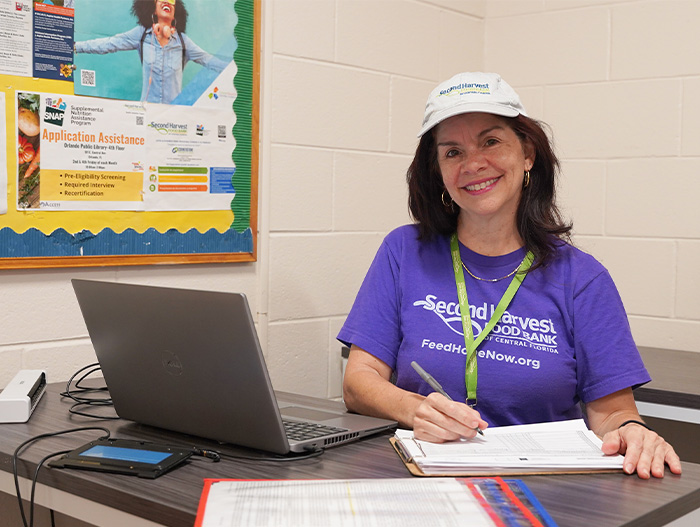
Florida partners with local food banks to enhance aid distribution. Food banks help reach people who cannot access online services. This teamwork extends the reach of emergency food assistance. It provides extra support beyond monthly benefits.
Eligibility Criteria For Emergency Food Stamps
Emergency food stamps provide crucial support to families facing sudden financial hardship. Eligibility depends on specific factors to ensure help reaches those who need it most. Understanding these criteria helps applicants know if they qualify for aid in Florida.
Eligibility focuses on income, household size, and urgent need due to unexpected events. The program targets individuals and families without enough resources to buy food immediately. Meeting these rules can speed up the approval process for emergency benefits.
Income Limits For Emergency Food Stamps
Applicants must have a low income below a set threshold. Florida bases these limits on the Federal Poverty Level (FPL). The exact amount varies with household size. Income includes wages, benefits, and other earnings.
Household Size And Composition
The number of people living in the home affects eligibility. Larger households have higher income limits. Children, adults, and elderly members count toward household size. This helps determine the amount of food assistance.
Urgent Need Due To Crisis
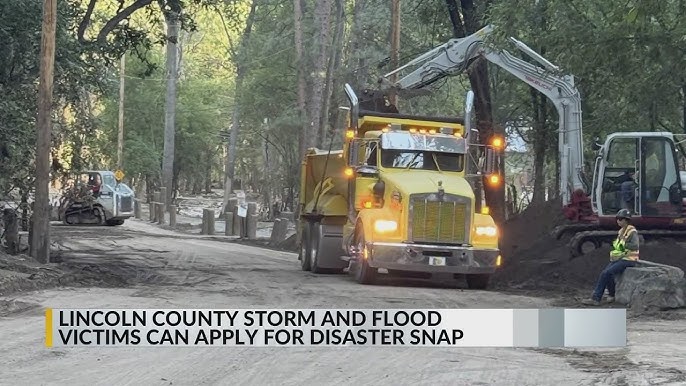
Applicants must prove they face an immediate food shortage. This could result from job loss, natural disaster, or other emergencies. The state evaluates the urgency to approve quick benefits. Proof of crisis may be required.
Residency Requirements
Applicants must live in Florida to qualify. Proof of residency can include a state ID or utility bill. Only residents can receive emergency food stamp benefits in Florida.
Application Process And Documentation
Applicants must complete a state application form. Required documents include proof of income, ID, and residency. Providing all documents speeds up the review and approval process.
How To Apply For Emergency Food Stamps In Florida
Applying for emergency food stamps in Florida is a straightforward process. The state provides support quickly for those in urgent need of food assistance. Understanding the steps helps ensure faster approval and access to benefits.
Start by gathering important documents. These include ID, proof of income, and residency information. Having these ready speeds up your application.
Where To Apply For Emergency Food Stamps In Florida
Applications can be submitted online, by phone, or in person. The Florida Department of Children and Families (DCF) manages food stamp programs. Visit the official DCF website to apply online. For phone assistance, call the local DCF office. In-person applications are available at county service centers.
What Documents Are Needed For The Application
- Proof of identity (driver’s license, ID card)
- Proof of income (pay stubs, benefits letters)
- Proof of Florida residency (utility bill, lease agreement)
- Social Security numbers for household members
- Information about household expenses
How To Fill Out The Emergency Food Stamp Application
Complete all sections carefully. Provide accurate household size and income details. Double-check your information before submitting. Incomplete forms can delay processing. Use clear and simple language to avoid errors.
What To Expect After Applying
Once submitted, the application is reviewed quickly. The state may contact you for an interview. This can be done by phone or in person. Approval usually happens within a few days. You will receive a notice about your eligibility and benefit amount.
Impact Of Emergency Food Stamps On Florida Residents
Emergency food stamps have a direct and significant impact on Florida residents, especially during times of crisis. These benefits provide immediate relief to families facing food insecurity, helping them maintain a basic level of nutrition. Understanding this impact helps you see how vital such programs are in supporting your community.
How Emergency Food Stamps Improve Daily Lives
Emergency food stamps allow you to buy essential groceries without worrying about stretching your budget. This support means fewer trips to food banks and more time spent focusing on work or family. Many recipients share that having access to food stamps reduces stress and improves overall well-being.
Economic Benefits For Local Communities
When you use emergency food stamps, local grocery stores and markets also benefit. This circulation of funds boosts the local economy and helps small businesses stay afloat during tough times. Have you noticed how your community feels more connected when everyone supports each other like this?
Challenges And Limitations Of Emergency Food Stamps
While emergency food stamps provide crucial help, they don’t cover all nutritional needs or household expenses. You might still face challenges like limited access to fresh produce or restrictions on eligible items. What changes would you suggest to make this assistance more effective for Florida families?
Credit: feedhopenow.org
Resources For Additional Food Assistance
If you’re wondering about additional help beyond emergency food stamps in Florida, there are several valuable resources you can tap into. These options can provide extra support to ensure you and your family don’t go hungry during tough times. Knowing where to look and how to access these services can make a significant difference.
Florida Department Of Children And Families (dcf)
The Florida DCF is the main agency handling food assistance programs, including SNAP benefits. If you haven’t applied yet, their website offers an easy application process and updates on eligibility requirements. You can also find local offices where staff can guide you through the process.
Have you checked if your income qualifies for ongoing support? Sometimes even a small change in your financial situation can impact your eligibility.
Local Food Banks And Pantries
Food banks and pantries across Florida provide free groceries to individuals and families in need. These organizations often work with local businesses and farms to distribute fresh produce, canned goods, and other essentials.
Visiting a food pantry can be a quick way to get extra food without the paperwork. Many have flexible hours and don’t require appointments, making them accessible when you need help fast.
Community And Faith-based Organizations
Numerous churches and community centers offer food assistance programs and meal services. These groups often have outreach workers who can connect you to other support services, including housing or job training.
Have you reached out to local groups in your neighborhood? They might have smaller, less-known programs that suit your needs perfectly.
School Meal Programs
If you have children, school meal programs can provide free or reduced-price breakfasts and lunches. During summer breaks, many schools run food distribution programs to keep kids nourished when school is out.
Ask your child’s school about these programs—they often require minimal paperwork and can relieve some of your food budget stress.
Online Resources And Mobile Apps
Several websites and apps help locate food assistance programs near you. Tools like the Feeding America Food Bank Locator or the Florida 2-1-1 service can quickly connect you to nearby resources.
Using these digital tools can save time and reveal options you might not have known about otherwise. Have you tried searching through an app today?
Credit: www.floridapolicy.org
Frequently Asked Questions
Is Florida Currently Issuing Emergency Food Stamps?
Yes, Florida is issuing emergency food stamps to eligible residents. This helps families facing sudden financial hardships or natural disasters. The program aims to provide immediate food assistance during emergencies. Applicants must meet specific eligibility criteria to qualify for these benefits.
How Can I Apply For Emergency Food Stamps In Florida?
You can apply online through the Florida Department of Children and Families website. Alternatively, visit your local DCF office for in-person assistance. Make sure to have your identification and income documents ready. The application process is straightforward and designed to expedite help.
Who Qualifies For Emergency Food Stamps In Florida?
Eligibility depends on income, family size, and emergency circumstances. Those facing natural disasters, job loss, or unexpected expenses may qualify. The state evaluates each case individually to ensure aid reaches those in need quickly. Proof of emergency may be required during application.
How Long Do Emergency Food Stamps Last In Florida?
Emergency food stamps typically last for a short period, often one to three months. This duration is designed to provide temporary relief during crises. Afterward, recipients may need to reapply or transition to regular SNAP benefits. Continued eligibility is reassessed periodically.
Conclusion
Florida offers emergency food stamps to help families in need. This aid supports those facing sudden financial hardships. Applying is simple and quick for eligible residents. Programs aim to provide food security during tough times. Keep updated on changes to make the most of assistance.
Staying informed helps you access benefits without delay. Emergency food stamps bring relief when it matters most. Reach out to local offices for guidance and support. Everyone deserves help during difficult moments.