Have you ever wondered if anyone actually uses their emergency food stockpile? You might have carefully packed cans and dried goods, but what happens when it’s time to open them?
Knowing real stories from people who’ve relied on their stockpile can change how you think about your own supplies. You’ll discover honest experiences, practical tips, and why having a well-planned emergency food stash could make all the difference when you need it most.
Keep reading—you might find the motivation and insight you’ve been looking for.
Reasons For Using Emergency Food Stockpiles
Emergency food stockpiles are more than just a precaution; they become vital lifelines during challenging times. People turn to their reserves for various reasons that disrupt normal access to food. Understanding these reasons helps you prepare better and use your stockpile wisely when the need arises.
Natural Disasters
Earthquakes, hurricanes, floods, and wildfires can strike without warning. These events often cut off access to grocery stores and disrupt supply chains. Many who have faced such disasters found their emergency food stockpile to be the only reliable source of nutrition during the chaos.
Consider how a family in California used their stockpile after wildfire smoke made it unsafe to leave their home. Their stored canned goods and dried meals kept them fed for days. Would your stockpile hold up if roads became impassable for several days?
Pandemics And Health Crises
During health emergencies, like the COVID-19 pandemic, stockpiles became essential as stores faced shortages and restrictions. People quarantined at home relied heavily on their food reserves to avoid frequent trips outside. This not only kept them safe but also reduced stress around food availability.
One friend shared how their stockpile helped them avoid exposure during the peak of the pandemic. They had enough supplies to last weeks, which made a big difference in their peace of mind. How prepared are you if you suddenly need to isolate at home?
Economic Hardships
Job loss, inflation, and unexpected bills can strain your budget and limit food purchases. Using a food stockpile during tough financial times can ease the pressure and stretch your grocery budget. It allows you to prioritize essentials without sacrificing nutrition.
Think about someone who lost their job and had to rely on their stockpile while searching for new work. Their preparedness turned a difficult situation into a manageable one. Could your stockpile support you if your income suddenly dropped?
Unexpected Personal Emergencies
Emergencies like accidents, sudden illness, or family crises can disrupt your daily routine and ability to shop. Having a food reserve means you won’t have to worry about immediate meals during stressful times. It offers a practical solution when life throws curveballs.
Imagine being homebound after surgery and relying on your emergency stockpile to provide meals without extra effort. This convenience can reduce anxiety and help you focus on recovery. Do you have enough supplies to cover unforeseen personal emergencies?

Credit: trueprepper.com
Real-life Experiences
Many people build emergency food stockpiles with the hope they never have to use them. But real-life events often prove the value of being prepared. Here are some true stories that show how having a food reserve made a difference in tough situations.
Surviving A Hurricane
During a recent hurricane, power outages lasted for days. One family relied solely on their emergency food stockpile to get through. They had canned goods, dried fruits, and ready-to-eat meals that required no cooking.
Without access to fresh food or open stores, their stockpile provided not just nourishment but peace of mind. Have you thought about what you would eat if your refrigerator stopped working for a week?
Managing During Lockdowns
When lockdowns hit unexpectedly, many found themselves unable to shop regularly. One individual shared how their emergency food supplies helped them avoid frequent trips outside. Items like rice, beans, and instant noodles kept their meals varied and filling.
This experience highlights the importance of stocking foods with a long shelf life and simple preparation. Could your pantry support you if you had to stay home for weeks?
Coping With Job Loss
Facing a sudden job loss is stressful, especially when money becomes tight. A story from a community member shows that their emergency food stash helped stretch their budget. By eating from their stockpile, they saved money for essentials like rent and utilities.
Planning ahead can ease financial pressure during uncertain times. What’s your plan if your income drops unexpectedly?
Dealing With Power Outages
Power outages can disrupt daily life and food storage. Someone recalled using their emergency food reserve after a storm knocked out electricity for three days. They had preserved foods that didn’t need refrigeration or cooking, which kept hunger at bay.
Stocking foods that stay safe without power is crucial. Have you checked if your emergency food can last through a blackout?
Lessons Learned From Stockpile Use
Using your emergency food stockpile for the first time reveals important lessons that you won’t fully grasp until you experience it firsthand. These insights help you improve your preparedness and avoid common pitfalls. Understanding these lessons can make your future stockpile more efficient and less stressful.
Food Quality And Shelf Life
Once you start using your emergency food, you quickly notice which items hold up well and which don’t. Some canned goods might taste off or lose texture, even before their expiration date. You learn to check expiration dates regularly and rotate your stock to keep it fresh.
Have you ever opened a package and found it less appetizing than expected? This experience pushes you to test your supplies periodically. It’s better to find out now which foods you actually enjoy and can rely on during an emergency.
Portioning And Meal Planning
Eating from your stockpile highlights how important portion control is. You might realize that some packs provide more or less food than you need for a balanced meal. Adjusting meal sizes helps avoid waste and ensures everyone gets enough nutrition.
Planning meals ahead reduces confusion when you’re under stress. Writing down simple menus using your stockpile items makes cooking faster and less frustrating. How often do you think about meal balance when stocking up?
Emotional And Psychological Impact
Using emergency food can bring unexpected emotions, from relief to frustration. You may feel comfort knowing you have supplies but also miss fresh food and variety. Recognizing these feelings helps you prepare mentally for the challenges of limited food options.
Some users find comfort in familiar flavors, while others struggle with the monotony. How do you think you would cope with eating the same foods repeatedly? Preparing yourself emotionally is just as important as stocking physical supplies.
Adjusting Stockpile Contents
After tasting and living off your stockpile, you learn which items deserve more shelf space. You might add more snacks, diversify protein sources, or include comfort foods that lift your spirits. Customizing your stockpile makes it more practical and enjoyable.
It’s also smart to consider dietary needs and preferences for everyone in your household. Updating your list after each use ensures your stockpile stays relevant and useful. What changes will you make to your stockpile after your next review?

Credit: www.reddit.com
Tips From Those Who Used Their Stockpiles
People who have actually used their emergency food stockpiles share valuable insights that can help you manage your own supplies more effectively. Their real-life experiences highlight what worked and what didn’t, offering practical tips that go beyond basic prepping advice. These lessons can make a huge difference when you need your stockpile the most.
Rotating Supplies Regularly
One common tip is to rotate your stockpile frequently. Many users found that regularly using and replacing older items prevents waste and keeps food fresh. Have you checked expiration dates lately? Setting a calendar reminder to review your supplies every few months can save you from unpleasant surprises.
Some suggest keeping a small stash of the oldest items in your daily kitchen rotation. This way, you naturally consume what’s about to expire and replace it immediately. It’s a simple habit that keeps your stockpile ready without extra effort.
Including Comfort Foods
Comfort foods are not just treats; they can boost morale during tough times. Users recommend adding familiar snacks or favorite flavors to your emergency stash. This small touch can make a big emotional difference when you’re relying on stored food.
Think about what makes you feel at ease—maybe chocolate, tea, or instant coffee. These items don’t spoil quickly and can be stored alongside your essentials. How might a bit of comfort food change your mindset in an emergency?
Water And Non-food Essentials
Food alone won’t get you through a crisis. Those who have used their stockpiles stress the importance of ample water and non-food supplies. Water purification tablets, cooking fuel, and basic utensils proved just as critical as food itself.
Emergency lighting, hygiene products, and first-aid kits also deserve a spot in your preparation plan. Have you included these essentials in your stockpile? Neglecting them could make your experience far more difficult.
Storing For Accessibility
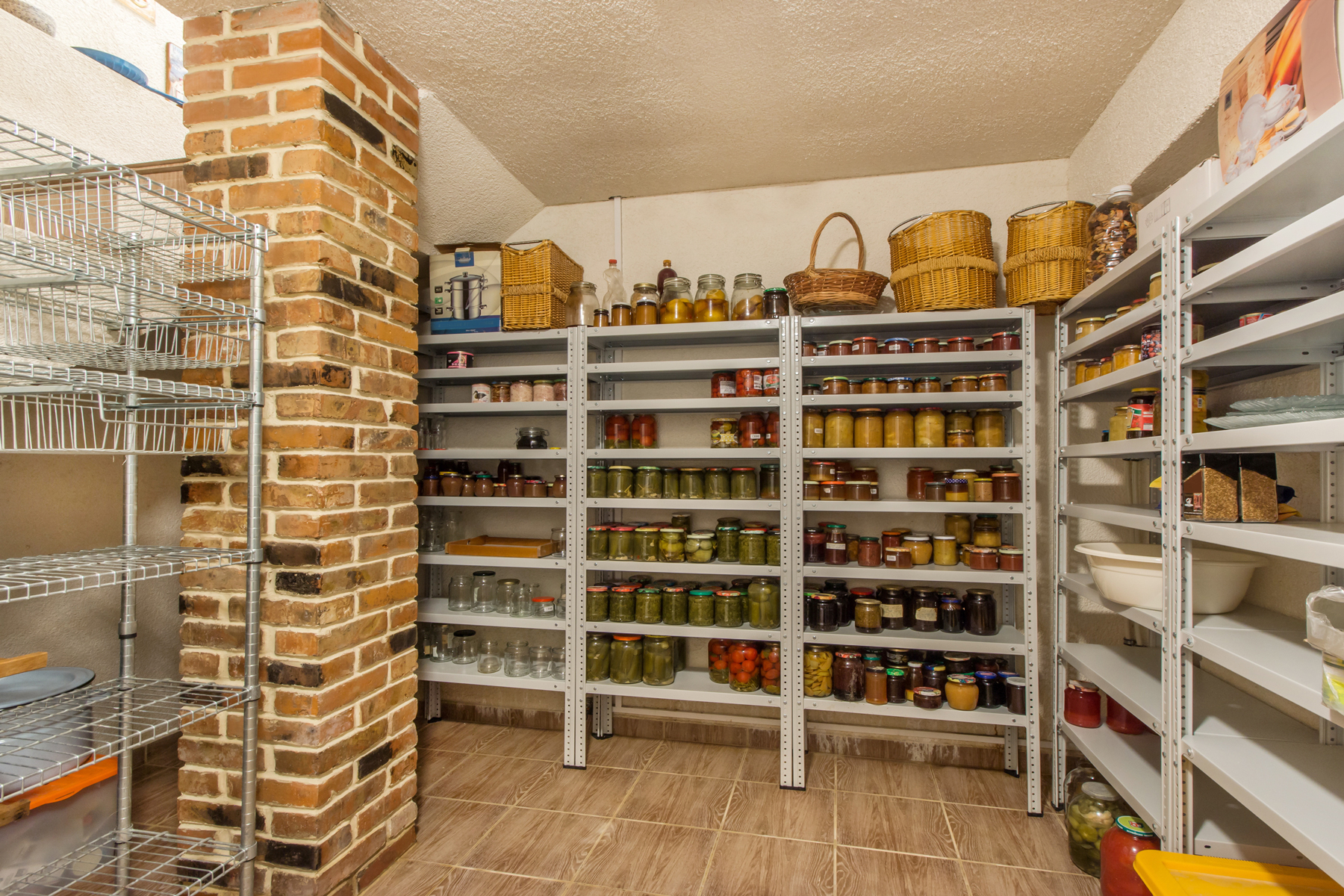
Users advise storing your stockpile where you can easily reach it. Keeping supplies in a cluttered basement or far corner might delay access when time is crucial. Think about where you’ll be during an emergency and store accordingly.
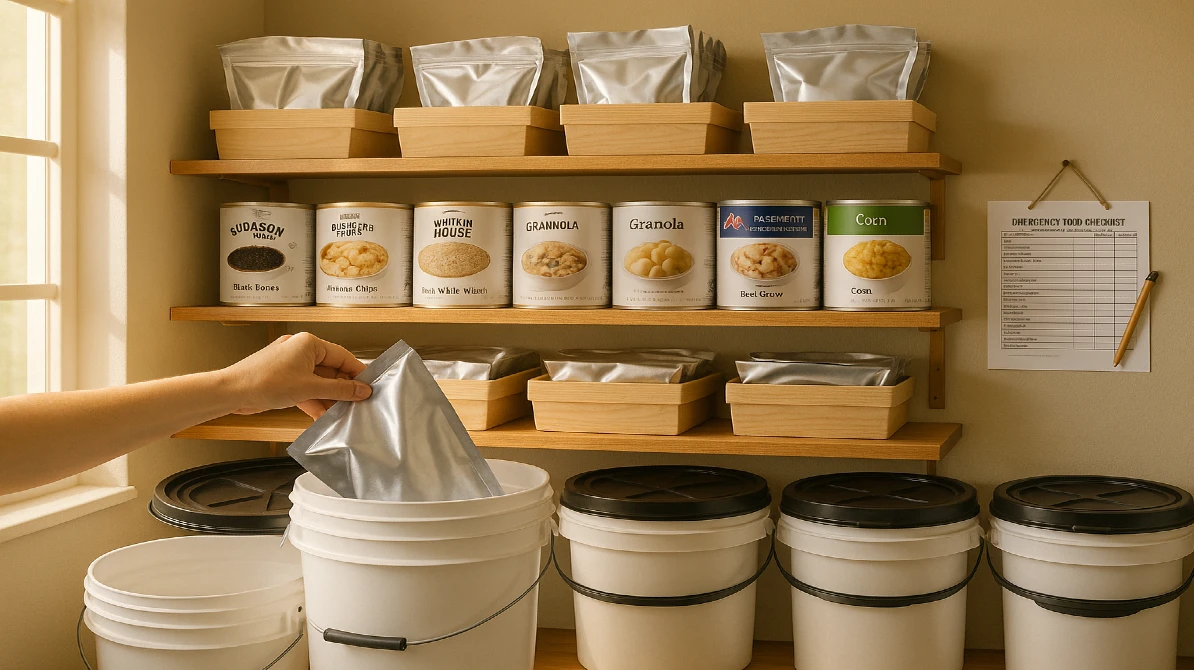
Clear labeling and organized shelving help you find what you need quickly. Some even recommend creating a checklist taped to your storage area to track inventory and expiration dates. Could improving your stockpile’s layout save you stress later on?
Common Challenges Faced
Using an emergency food stockpile can be a lifesaver, but it comes with its own set of challenges. Many people face issues that make relying on stored food tricky. Understanding these problems can help prepare better and avoid surprises during emergencies.
Food Spoilage
Food spoilage is a common problem in stockpiles. Improper storage or expired items can cause food to go bad quickly. Moisture and heat speed up spoilage, making some foods unsafe to eat. Checking food regularly helps catch spoilage early. Rotting food wastes resources and can cause illness.
Limited Variety
Emergency food stockpiles often lack variety. Many people store mostly canned or dry goods. Eating the same types of food daily can be boring and affect morale. Limited options may also mean missing key nutrients. Planning for diverse food types can improve the eating experience during emergencies.
Cooking Without Power
Cooking stored food without electricity or gas can be difficult. Many emergency foods require heating to be edible or tasty. Using alternative cooking methods like camp stoves or grills is necessary. Not everyone has the right tools or fuel ready. Practicing these cooking methods before an emergency helps build confidence.
Managing Dietary Restrictions
People with allergies or special diets face extra challenges. Stockpiling safe foods requires careful selection and labeling. Cross-contamination can happen if foods are not stored properly. Limited emergency options may not meet all dietary needs. Preparing personalized stockpiles ensures everyone’s health and safety.
Impact On Preparedness Mindset
Using your emergency food stockpile can deeply influence how you think about being prepared. It shifts preparedness from an abstract idea to a real experience. This change in mindset often leads to practical improvements and a stronger sense of readiness.
Increased Confidence
Actually using your emergency food stash shows you what works and what doesn’t. You gain hands-on experience that builds trust in your supplies and your planning. This confidence helps reduce anxiety about potential emergencies.
Knowing you can rely on your stockpile boosts your ability to stay calm under pressure. It’s like a test run for your preparedness, and passing it gives you peace of mind. How often do you get a chance to practice surviving without running to the store?
Motivation To Improve Stockpile
Using your emergency food highlights gaps or items that need replacement. You may discover that certain foods don’t last as long as expected or aren’t as enjoyable to eat. This motivates you to refine your stockpile, making it more practical and appealing.
After tasting your supplies, you might add variety or focus on more nutritious options. It’s common to adjust quantities based on actual consumption during your test. What changes would make your food stockpile more useful for your lifestyle?
Sharing Knowledge With Community
When you use your emergency food, you gather valuable insights worth sharing. Talking with neighbors, friends, or online groups spreads practical tips and real-world advice. Your experience can help others avoid common mistakes.
Community sharing builds a network of preparedness that benefits everyone. You might exchange recipes, storage ideas, or sourcing tips that improve collective readiness. How could you start a conversation about emergency food in your local circle?
Credit: www.motherearthnews.com
Frequently Asked Questions
Has Anyone Actually Used Their Emergency Food Stockpile?
Yes, many people have used their emergency food stockpiles during natural disasters or unexpected shortages. These stockpiles provide crucial nutrition when regular food supply chains are disrupted. Users often report that having a well-maintained stockpile offers peace of mind and essential sustenance in emergencies.
How Long Can Emergency Food Stockpiles Last?
Emergency food stockpiles can last anywhere from several months to over 25 years. Shelf life depends on food type and storage conditions. Properly sealed and stored freeze-dried or dehydrated foods tend to last the longest, maintaining nutritional value and taste for extended periods.
What Foods Are Best For Emergency Stockpiles?
Best foods for emergency stockpiles include freeze-dried fruits, vegetables, grains, canned goods, and protein sources like beans or powdered eggs. These foods offer long shelf life, balanced nutrition, and easy preparation. Variety helps ensure adequate nutrients and prevents menu fatigue during prolonged emergencies.
How Often Should Emergency Food Stockpiles Be Rotated?
Rotate emergency food stockpiles every 6 to 12 months. Regular rotation ensures food freshness and prevents spoilage. Use older items in daily meals and replace them with fresh supplies. This practice keeps your stockpile reliable and ready when needed.
Conclusion
Many people have relied on their emergency food stockpile during tough times. It offers peace of mind and practical help. Being prepared helps families stay safe and healthy. Stockpiles are not just for rare events; they can support everyday challenges too.
Regularly checking and rotating supplies keeps them fresh and useful. Everyone can benefit from having a small reserve of food at home. Preparation matters. It makes a difference when emergencies strike.