Finding a baby bird in need can be heartbreaking, and you might wonder how to help right away. Knowing how to make emergency baby bird food can make a huge difference in saving its life.
You don’t need fancy ingredients or special tools—just simple items you can find at home. In this guide, you’ll learn easy steps to prepare the right food that gives the baby bird the nutrition it needs to survive and grow strong.
Keep reading, because your quick action could be the key to giving that fragile little bird a second chance.
Signs A Baby Bird Needs Food
Knowing the signs that a baby bird needs food is crucial if you ever find yourself caring for one in an emergency. Baby birds can’t tell you when they’re hungry, but their behavior and appearance offer clear clues. Recognizing these signs quickly can make all the difference in helping a tiny life survive.
Identifying Hunger Signals
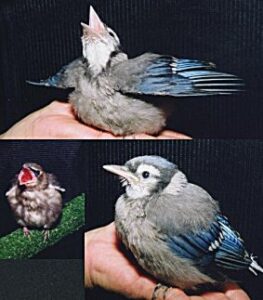
Baby birds often open their mouths wide and repeatedly chirp or flutter their wings when they’re hungry. You might notice them stretching their necks upward, searching for food. If you see a baby bird constantly begging for food or appearing restless, it’s a strong signal they need feeding.
Another sign is a baby bird’s weight and energy level. If they seem weak, lethargic, or their skin looks wrinkled, hunger may be the cause. Have you ever noticed how a hungry baby bird’s call becomes more urgent? That’s their way of telling you they need immediate care.
Common Emergency Situations
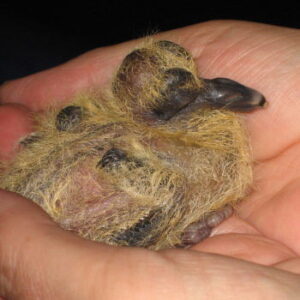
Sometimes, baby birds lose their parents or are accidentally separated from their nests. This often happens during storms, nest disturbances, or when people unknowingly remove them. In such cases, the bird won’t get regular feedings and will quickly show hunger signs.
Other emergencies include injuries that prevent a baby bird from feeding itself or situations where the parents abandon the nest. In these moments, you are their only chance. Are you prepared to spot the signs early enough to help?
Credit: irishwildlifematters.ie
Essential Ingredients For Bird Food
Knowing the essential ingredients for emergency baby bird food can make a huge difference in a rescue situation. You want to provide nourishment that mimics what the baby bird would naturally receive from its parents. Choosing the right components ensures the bird’s survival and supports healthy growth.
Safe Household Items
Many common kitchen items can serve as safe and effective ingredients for baby bird food. Soft fruits like bananas and apples (without seeds) offer natural sugars and moisture. Cooked rice or oats provide carbohydrates that give energy.
Boiled egg yolk is a fantastic source of protein and fat, which baby birds need for development. You can also mash cooked sweet potatoes or carrots to add vitamins and minerals. Mixing these ingredients with a little water creates the right texture for easy feeding.
Have you ever noticed how baby birds’ food is soft and slightly moist? Replicating this texture helps prevent choking and aids digestion.
Avoiding Harmful Foods
Some foods you might think are safe can actually harm baby birds. Avoid giving them bread, milk, or honey. Bread can expand in their stomachs and cause blockages, while milk is hard for birds to digest.
Honey can contain bacteria that are dangerous to baby birds. Also, never feed them processed or salty foods, as these can cause dehydration or poisoning. It’s better to stick with natural, fresh ingredients you can trust.
As you gather ingredients, ask yourself: Is this something a parent bird would naturally feed its chick? If the answer is no, it’s best to leave it out.
Preparing The Food Mixture
Preparing the food mixture for an emergency baby bird requires careful attention to detail. The goal is to create a nutritious, smooth blend that the tiny bird can easily swallow. Getting this right can make a big difference in the bird’s recovery and growth.
Step-by-step Mixing Process
Start by gathering fresh ingredients like boiled egg yolk, soaked dog or cat kibble, and a small amount of plain baby cereal. These provide essential proteins and carbohydrates.
- Crush the kibble into fine crumbs for easy digestion.
- Mash the boiled egg yolk until smooth, avoiding any lumps.
- Mix the egg yolk with the kibble crumbs in a clean bowl.
- Add a spoonful of baby cereal to thicken the mix.
- Slowly pour in warm water or electrolyte solution, stirring constantly.
Keep mixing until all ingredients are well combined. Remember, the mixture should be fresh and served immediately to maintain nutrients.
Achieving The Right Consistency
What’s the perfect texture for baby bird food? It should be soft enough to swallow easily but not too watery. If it’s too thick, the baby bird might struggle to eat, and if it’s too thin, it won’t provide enough nutrition.
Test the mixture by scooping a small amount on a spoon. It should hold shape but drip slowly when tilted. Adding warm water gradually helps you control the consistency. Never rush this step; your patience ensures the baby bird gets the best start.

Credit: www.pigeons.biz
Feeding Techniques
Feeding baby birds requires care and the right technique to keep them healthy. The way you feed them affects their growth and survival. Use gentle movements and patience to avoid harm. Knowing the best tools and timing helps make feeding easier and safer.
Proper Feeding Tools
Choose soft, small tools that fit the baby bird’s mouth. A small syringe or dropper works well for liquid food. Tweezers can help offer solid food pieces carefully. Avoid sharp or big tools that can hurt the bird’s mouth. Clean all tools before each feeding to prevent illness.
Feeding Frequency And Amounts
Feed baby birds often because they need energy to grow fast. Very young birds need feeding every 15 to 20 minutes during daylight. Older babies can be fed less, around every 30 minutes to an hour. Offer small amounts to avoid choking or overeating.
Watch the bird’s crop to see if it is full. The crop is a small pouch on the bird’s neck that stores food. If it looks full, pause feeding and check again later. Keeping a feeding schedule helps the bird stay strong and healthy.
Aftercare Tips
After you prepare emergency baby bird food, the care you provide afterward is just as important. Proper aftercare can make a big difference in the bird’s recovery and growth. Paying close attention to their condition and knowing when to get help ensures you give the little bird the best chance to thrive.
Monitoring Bird Health
Watch the bird closely for any changes in behavior or appearance. Healthy baby birds are usually active and alert, with bright eyes and smooth feathers. If you notice lethargy, puffed-up feathers, or difficulty breathing, these are warning signs.
Keep track of how much the bird eats and drinks. A sudden drop in appetite can indicate illness or stress. Also, check the droppings; abnormal color or consistency may signal digestive issues.
Keep the bird warm but not overheated. A steady temperature helps its body use energy to heal and grow. Do you have a quiet, safe space where the bird can rest without disturbances?
When To Seek Professional Help
If the bird shows persistent weakness, refuses to eat, or has visible injuries, it’s time to contact a wildlife rehabilitator or veterinarian. These experts have the tools and knowledge to provide specialized care that you cannot offer at home.
Don’t wait too long—early intervention can prevent complications. Even if you feel unsure, reaching out for advice can clarify what steps to take next. Have you identified local wildlife centers or vets who accept wild birds in emergency situations?
Remember, some symptoms like severe dehydration, broken wings, or continuous distress require urgent attention. Your quick response can save a life.
Credit: irishwildlifematters.ie
Frequently Asked Questions
What Ingredients Make Emergency Baby Bird Food?
Emergency baby bird food typically includes soaked dog or cat kibble, hard-boiled eggs, and baby cereal. These provide essential proteins, fats, and carbohydrates for growth. Avoid salt, seasoning, and dairy. Always mash the ingredients finely for easy feeding to baby birds.
How Often Should I Feed An Orphaned Baby Bird?
Feed an orphaned baby bird every 15 to 20 minutes from dawn to dusk. Young birds need frequent feeding due to rapid growth. Avoid overfeeding and ensure each feeding portion is small, soft, and easy to swallow.
Can I Use Human Baby Food For Emergency Bird Feeding?
Yes, plain, unsweetened baby food like mashed fruits or vegetables can help temporarily. Avoid foods with salt, sugar, or additives. Baby food lacks protein, so supplement with appropriate protein sources like hard-boiled eggs or soaked kibble.
How Do I Prepare Food Safely For Baby Birds?
Always wash your hands and use clean utensils. Mash ingredients finely and mix thoroughly for uniform texture. Serve food at room temperature to avoid harming the bird’s delicate digestive system.
Conclusion
Making emergency baby bird food can save a little life. Use safe, simple ingredients you find at home. Feed the bird small amounts often to keep it healthy. Always watch for signs of improvement or distress. Remember, quick action helps baby birds grow strong.
Caring for wildlife shows kindness and respect for nature. Keep learning about birds to help them better next time. Small efforts make a big difference in their survival.