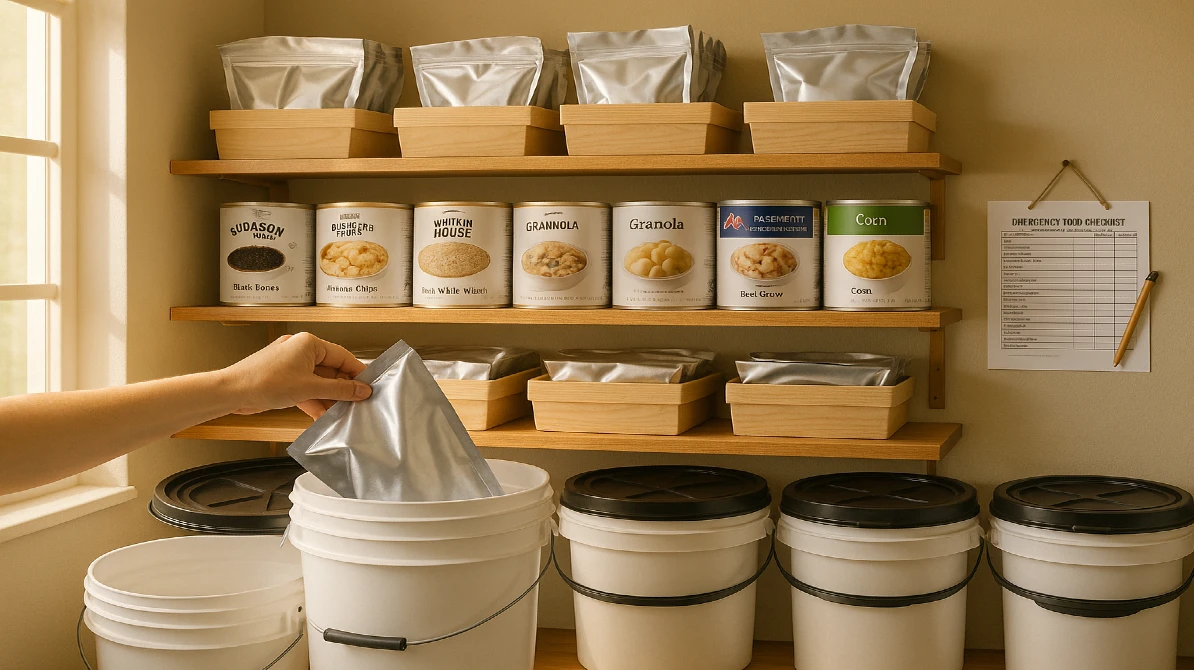
Imagine opening your emergency food stash only to find it nibbled and ruined by mice. It’s frustrating, stressful, and can leave you worried about your supplies when you need them most.
You don’t want to waste time and money replacing spoiled food, especially in an emergency. But how can you protect your food from these tiny invaders? You’ll discover simple, effective ways to keep mice away from your emergency food. By following these tips, you’ll ensure your supplies stay safe, fresh, and ready whenever you need them.
Keep reading to learn how to take control and protect what matters most.
Common Mice Risks To Emergency Food
Emergency food supplies are essential for unexpected situations, but they can quickly become a target for unwanted guests—mice. Understanding the common risks mice pose to your stored food can help you protect your supplies better. Let’s look at how to spot these risks and why mice are drawn to your emergency stockpile.
Signs Of Mice Infestation
Before mice cause serious damage, they leave clear signs you can spot early. Look for small droppings near your food containers or gnaw marks on packaging. You might also hear scratching sounds inside walls or cupboards, especially at night.
Another sign is shredded material around storage areas, as mice use it for nesting. If you notice a strong, musky odor, it could indicate a larger infestation. Catching these signs early lets you act fast and protect your emergency food.
Why Mice Target Emergency Supplies
Mice are attracted to emergency food because it’s often stored in quiet, undisturbed places. These spots provide easy access to high-calorie foods that help them survive. Plus, emergency supplies usually include grains and dried goods, which mice find irresistible.
Have you ever wondered why your sealed containers still get chewed through? Mice have strong teeth that can pierce plastic and thin metal. They also prefer food stored at room temperature, making your pantry or basement a perfect buffet.
Securing your emergency food means understanding what makes it appealing to mice in the first place. Once you know their habits, you can take smarter steps to keep your supplies safe and intact.
Storage Solutions For Protection
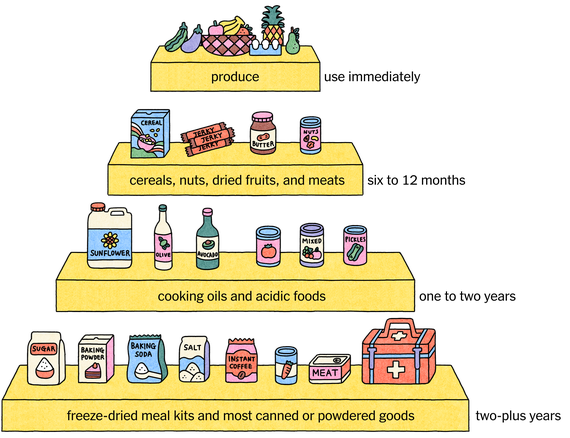
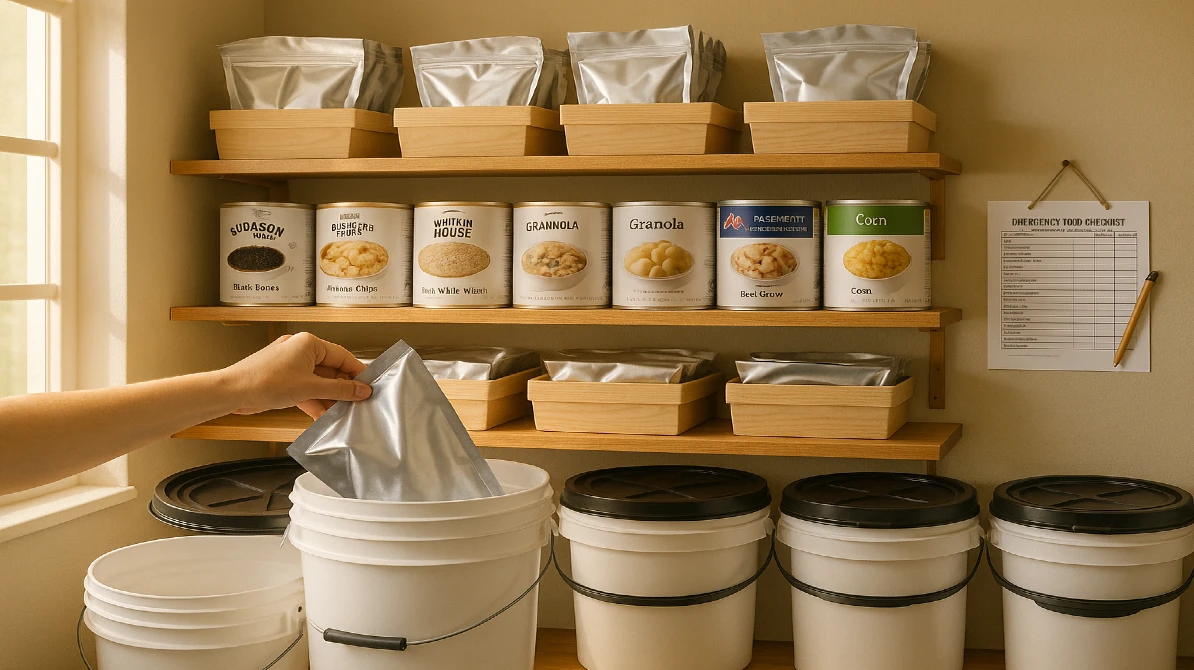
Protecting your emergency food from mice requires smart storage solutions. Proper storage keeps food safe, fresh, and pest-free. Using the right containers and placing them in ideal locations helps prevent damage. These steps stop mice from finding and eating your food.
Choosing The Right Containers
Select containers that mice cannot chew through. Thick plastic bins with tight lids work well. Glass jars with sealed lids also block pests. Metal containers offer strong protection against gnawing. Avoid cardboard or thin plastic bags. They tear easily and attract mice.
- Use airtight containers to keep food fresh.
- Choose containers with secure locking lids.
- Label containers to identify contents easily.
- Stack containers to save space and keep order.
Ideal Storage Locations
Store emergency food in cool, dry places. Avoid damp areas that encourage mold and pests. Keep containers off the ground using shelves or pallets. Dark and quiet spaces discourage mice from nesting. Check storage areas regularly for signs of rodents.
- Basements and closets are good storage spots.
- Keep food away from walls and corners.
- Seal cracks or holes near storage areas.
- Maintain cleanliness to avoid attracting pests.
Natural Deterrents And Repellents
Natural deterrents and repellents offer a safe way to keep mice away from emergency food supplies. These options use scents and plants that mice dislike, creating a barrier without harmful chemicals. Using natural methods helps protect your food and keeps your home environment healthy.
Using Essential Oils
Essential oils have strong smells that mice avoid. Peppermint oil is a popular choice because its scent overwhelms their sensitive noses. Other effective oils include eucalyptus, lavender, and citronella. Place a few drops on cotton balls and set them near food storage areas. Replace the cotton balls every few days to maintain the scent. This method is simple and chemical-free.
Herbs And Plants That Repel Mice
Certain herbs and plants naturally repel mice. Mint is one of the best options. Planting mint around your storage space or placing fresh sprigs inside can deter rodents. Other plants such as rosemary, garlic, and bay leaves also work well. These plants emit odors that mice find unpleasant. Using them around emergency food storage creates a natural shield against pests.
Credit: www.healthline.com
Effective Traps And Baits
Keeping mice away from your emergency food supplies is crucial to prevent contamination and loss. Using effective traps and baits can help you control the mouse problem quickly and safely. Knowing which traps work best and where to place them will make a big difference in protecting your stored food.
Types Of Traps
There are several types of traps to choose from, each with its own advantages. Snap traps are powerful and kill mice instantly, making them a popular choice for many homeowners. They work best when baited with peanut butter or chocolate, which mice find irresistible.
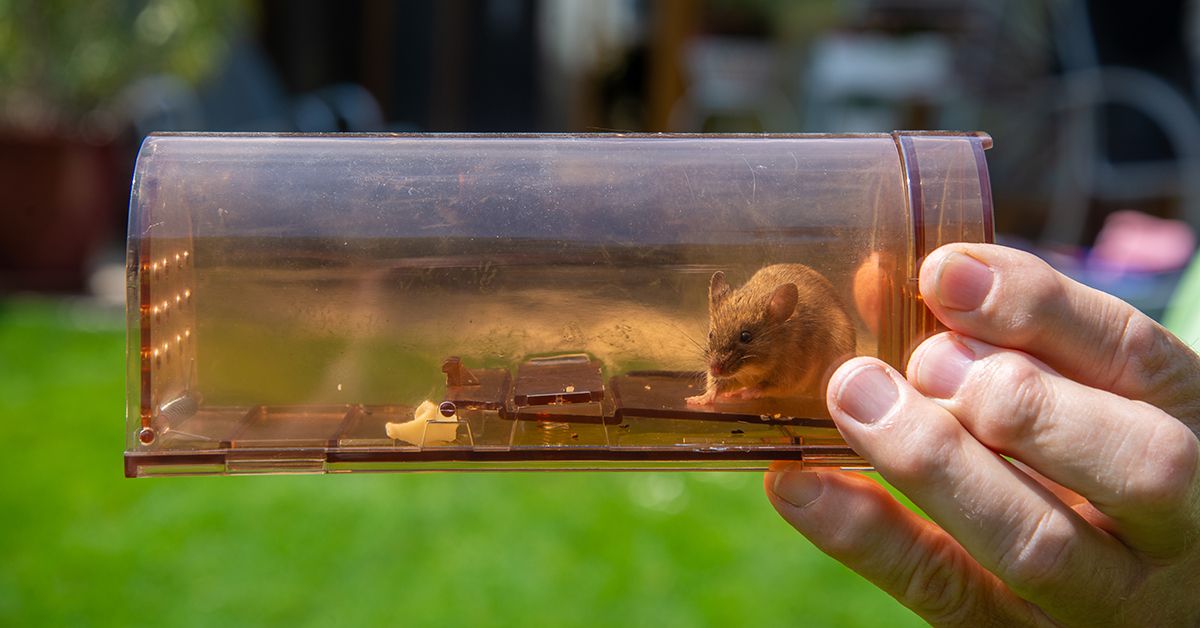
Live traps catch mice without harming them, allowing you to release them far away from your home. These traps require frequent checking to prevent the mouse from suffering. Electronic traps offer a quick and humane kill using a high-voltage shock, often with easy disposal and less mess.
- Snap traps:Fast, effective, and inexpensive.
- Live traps:Humane option, requires regular monitoring.
- Electronic traps:Clean kill, easy to use.
Safe Placement Tips
Where you place your traps is just as important as the type of trap you use. Mice tend to travel along walls and edges, so setting traps perpendicular to walls increases your chance of catching them. Avoid placing traps in open spaces where mice rarely venture.
Keep traps away from children and pets to prevent accidents. If you use bait, secure it well so it doesn’t fall out and attract other pests. Check your traps daily and reset or replace them as needed to maintain effectiveness.
Have you noticed any particular spots where mice leave droppings or gnaw marks? These areas are prime locations for trap placement. Pay close attention to your emergency food storage zones and place traps nearby but hidden from plain sight.
Maintaining A Clean Food Storage Area
Maintaining a clean food storage area is essential to keep mice away from your emergency food supplies. Mice are attracted to leftover crumbs, spills, and cluttered spaces. A clean and organized area reduces hiding spots and food sources for these pests. This simple habit protects your food and ensures it stays safe for long-term use.
Regular Cleaning Routines
Clean your storage area often to prevent food crumbs and spills. Wipe down shelves and floors regularly with mild soap and water. Empty trash bins daily to avoid attracting mice. Vacuum corners and behind containers to remove hidden debris. Keep containers tightly sealed to stop food odors from spreading. Regular cleaning removes tempting signs of food and discourages mice from staying.
Preventing Access Points
Check for small holes or gaps around storage spaces. Mice can enter through openings as small as a dime. Use steel wool or caulk to block cracks in walls, floors, and shelves. Seal gaps around pipes, vents, and doors to create a tight barrier. Keep storage containers off the floor to reduce access. Eliminating entry points makes it harder for mice to reach your food.
Credit: stormreadyhome.com
Long-term Prevention Tactics
Keeping mice away from your emergency food supplies requires more than just a quick fix. Long-term prevention tactics focus on creating a hostile environment for these pests so they don’t come back. These strategies protect your food storage over months and years, saving you time, money, and stress.
Sealing Entry Points
One of the most effective ways to stop mice is to block all possible entrances to your storage area. Mice can squeeze through holes as small as a dime, so inspect walls, floors, and doors carefully.
Use materials like steel wool combined with caulk or metal flashing to seal gaps. Avoid using just foam or rubber, as mice can chew through those easily.
Think about areas where pipes or wires enter your space. These are common spots mice exploit. Sealing these tightly can make a big difference.
Ongoing Monitoring Strategies
Even after sealing entry points, you need to keep an eye on your storage area regularly. Setting traps or using non-toxic bait stations can help catch any intruders early.
Check your food containers often for signs of gnawing or droppings. Catching a problem early prevents major contamination or loss.
Ask yourself: How often do you inspect your emergency supplies? Making a habit of monthly checks can save you headaches later.

Credit: henryspets.com
Frequently Asked Questions
How Can I Prevent Mice From Accessing Emergency Food?
Store food in airtight, heavy-duty containers like metal or thick plastic. Keep storage areas clean and clutter-free to deter mice. Regularly inspect for holes or gaps and seal them promptly to block entry points.
What Are The Best Containers For Mouse-proof Food Storage?
Use thick plastic, glass jars, or metal containers with tight-fitting lids. These materials prevent mice from chewing through and keep food fresh longer. Avoid cardboard or thin plastic bags as mice can easily penetrate them.
Why Is Cleanliness Important In Mouse Prevention?
Mice are attracted to food crumbs and odors. Cleaning storage areas removes food traces that lure mice. Regularly sweep and wipe surfaces to maintain a hygienic environment and reduce the risk of infestation.
How Do I Seal Entry Points To Keep Mice Out?
Inspect walls, floors, and doors for cracks or holes larger than 1/4 inch. Use steel wool, caulk, or foam sealant to close gaps. This blocks mice’s access and protects stored emergency food effectively.
Conclusion
Keeping mice away from emergency food protects your supplies and health. Store food in airtight containers made of metal or thick plastic. Clean storage areas regularly to remove crumbs and spills. Seal cracks and holes in walls and floors to block mouse entry.
Use traps or natural repellents to catch or scare mice. Regular checks help catch problems early. Safe food means peace of mind during emergencies. Simple steps make a big difference in keeping mice out. Stay prepared, stay safe.