Imagine facing a power outage when hunger strikes. You might feel stuck, wondering how to prepare a meal without electricity.
But what if you could cook tasty, satisfying food using simple methods and items you already have? This guide will show you exactly how to cook emergency food with no power. By the end, you’ll be ready to feed yourself and your loved ones, no matter what happens.
Keep reading to discover easy, practical tips that turn a challenging situation into a chance to stay strong and nourished.
Credit: mountainhouse.com
Essential Emergency Food Supplies
Having the right emergency food supplies can make all the difference when the power goes out. These supplies ensure you stay nourished and hydrated, even without electricity. Preparing ahead means you won’t have to scramble or make tough decisions under pressure.
Non-perishable Food Options
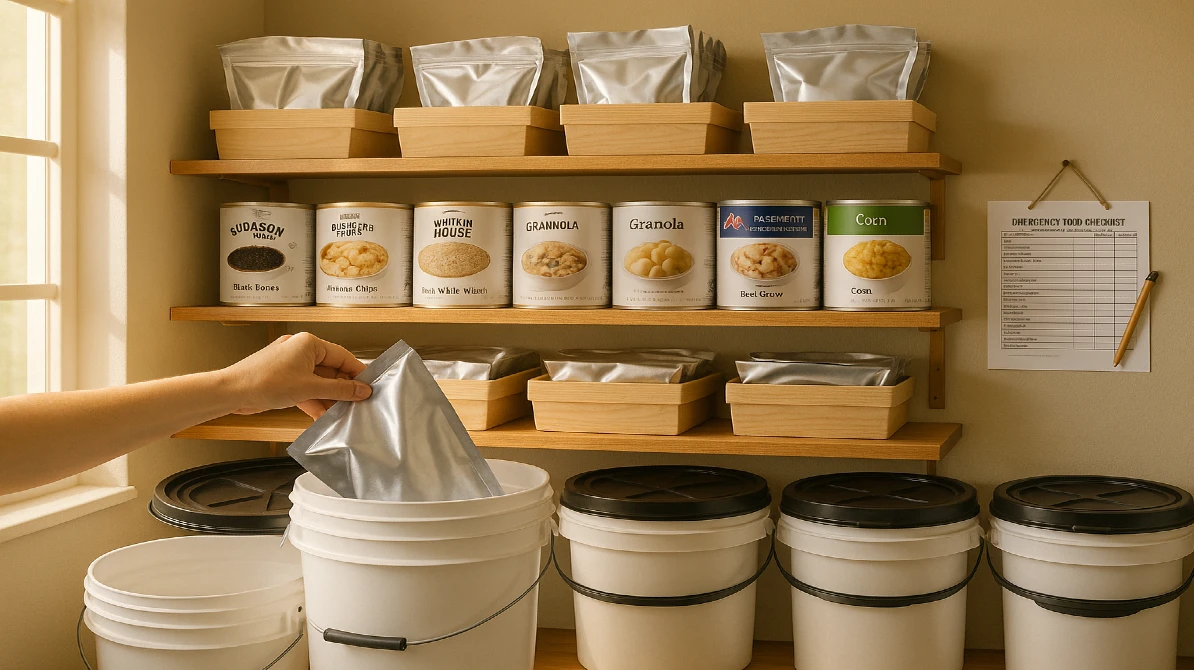
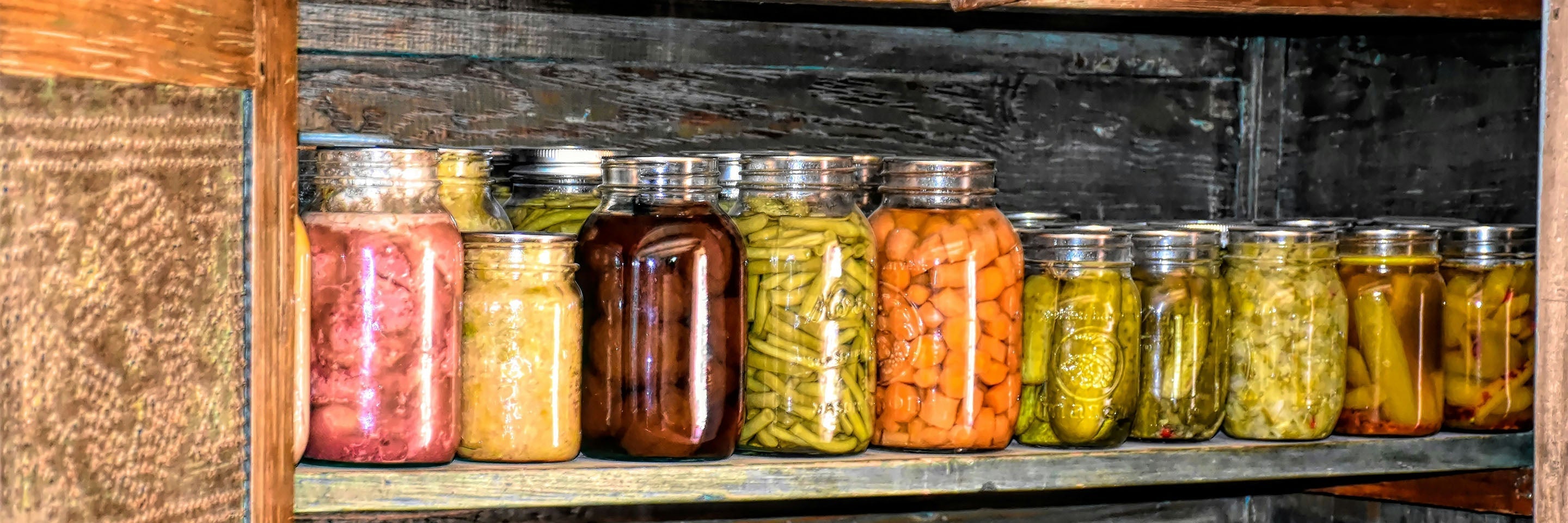
Choose foods that last long without refrigeration. Canned beans, vegetables, and meats are excellent choices. They provide protein and essential nutrients while being easy to store.
Don’t overlook dried foods like pasta, rice, and lentils. These can be cooked with minimal resources and keep well for months. Energy bars and nuts offer quick, no-cook snacks to keep your energy up.
- Canned tuna or chicken
- Instant oatmeal packets
- Peanut butter jars
- Freeze-dried fruits and vegetables
- Powdered milk
Water Storage And Purification
Water is as crucial as food during an emergency. Store at least one gallon of water per person per day. If you run out of clean water, you need a way to purify it safely.
Simple purification methods include boiling water over a camp stove or using water purification tablets. A portable water filter can also remove harmful bacteria and protozoa. Ask yourself—how will you access safe drinking water if taps run dry?
Basic Cooking Tools Without Electricity
Cooking without power requires a few key tools. A portable camping stove or a small propane burner works well for heating food quickly. Don’t forget a reliable lighter or waterproof matches to start your fire.
Cast iron pans or lightweight pots are versatile and durable for stovetop or open flame cooking. A manual can opener is a must-have for canned goods. Have you tested your emergency cooking gear to ensure it works smoothly when you need it most?

Credit: mountainhouse.com
Alternative Cooking Methods
Alternative cooking methods provide reliable ways to prepare food without electricity. These options keep you nourished during power outages or outdoor adventures. Each method uses simple tools and natural resources to cook meals safely and efficiently.
Using A Camping Stove Or Portable Burner
Camping stoves and portable burners run on small fuel canisters. They heat food quickly and are easy to carry. These stoves work well indoors with proper ventilation or outside in open spaces. Keep fuel stored safely and follow instructions to avoid accidents. Lightweight pots and pans fit perfectly on these burners for cooking soups, boiling water, or frying food.
Cooking With A Solar Oven
Solar ovens use sunlight to cook food without any fuel. They trap heat inside a reflective box, raising temperatures enough to bake or warm meals. Position the oven in direct sun and adjust it every 30 minutes for best results. Solar ovens work well for slow cooking stews, rice, or vegetables. This method is quiet and eco-friendly, ideal for sunny days.
Preparing Food Over An Open Fire
Cooking over an open fire is a classic survival skill. Build a safe fire pit using stones or a metal ring to contain flames. Use a grill grate or skewers to hold pots and food above the fire. Control heat by moving coals or adjusting wood placement. Roasting, boiling, and grilling are all possible with open fire cooking. Always keep water nearby for safety and never leave the fire unattended.
No-cook Meal Ideas
Cooking without power doesn’t mean you have to sacrifice nutrition or taste. No-cook meals can be quick, satisfying, and packed with essential nutrients. The key is knowing which foods to keep on hand and how to combine them effectively.
Nutritious Ready-to-eat Foods
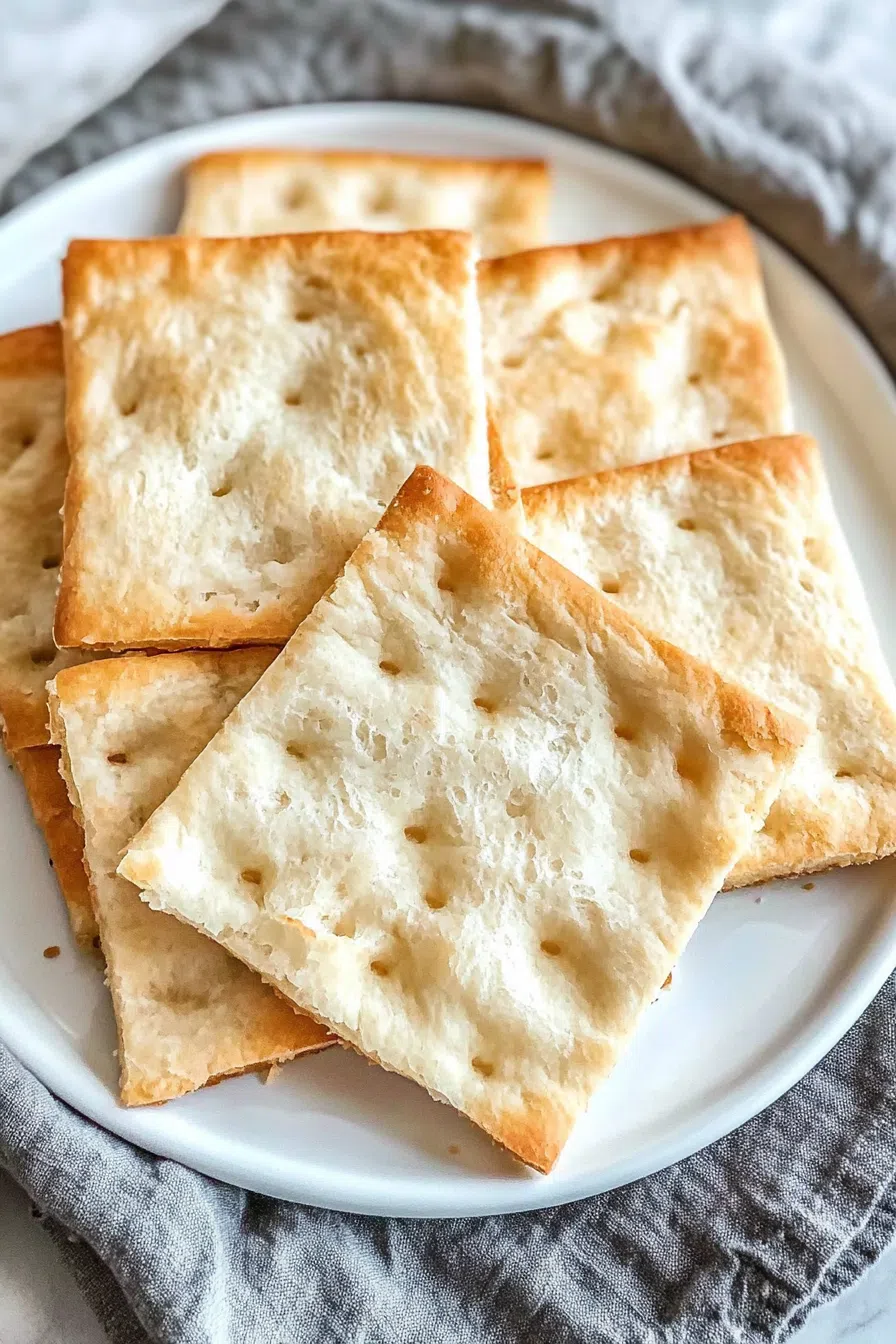
Keep a stash of ready-to-eat items like canned beans, nuts, dried fruits, and whole grain crackers. These foods provide protein, fiber, and healthy fats without any preparation.
Don’t forget fresh options that don’t need cooking, such as apples, carrots, and celery. They add crunch and vitamins to your meals.
Think about shelf-stable items like nut butter or canned tuna. They offer quick protein boosts and pair well with many ingredients.
Combining Ingredients For Balanced Meals
Mixing different textures and flavors keeps meals interesting. Try combining beans or tuna with chopped veggies and a drizzle of olive oil or vinegar.
Build a simple salad with canned chickpeas, diced cucumber, cherry tomatoes, and a squeeze of lemon for freshness.
Have you tried layering nut butter on whole grain crackers topped with slices of banana? It’s a balanced snack with carbs, protein, and healthy fats.
Safe Food Handling Without Heat
Without heat, food safety becomes even more important. Always wash your hands and any fresh produce thoroughly before eating.
Use clean utensils and containers to avoid cross-contamination. If you open a can, transfer leftovers to a sealed container and refrigerate if possible.
Be mindful of expiration dates, especially on ready-to-eat items. Eating spoiled food without cooking can lead to illness, so check before you eat.
Maximizing Food Shelf Life
Maximizing food shelf life is essential during power outages or emergencies. Food lasts longer and stays safe with the right care. Proper storage and hygiene reduce waste and keep food edible. This helps you avoid running out of supplies quickly.
Proper Food Storage Techniques
Store dry foods in airtight containers to keep moisture out. Use glass jars, plastic bins, or metal tins. Keep foods like rice, beans, and pasta in cool, dark places. Avoid direct sunlight and heat sources. Label containers with the date of storage. Rotate stock by using older items first. Freeze foods when possible to extend shelf life without power. Wrap items tightly with plastic wrap or foil to prevent air exposure.
Preventing Contamination And Spoilage
Clean hands and utensils before handling food. Use separate cutting boards for raw and cooked foods. Discard any food that smells bad or looks moldy. Store leftovers in small, shallow containers for faster cooling. Keep lids on containers to avoid pests and dirt. Avoid opening storage containers often to reduce air exposure. Check food regularly for signs of spoilage. Keep food off the floor to prevent contamination.
Safety Tips During Power Outages
Cooking during a power outage needs careful attention to safety. Without electricity, risks increase. Fire hazards and food spoilage become real concerns. Taking simple safety steps keeps you and your family safe while cooking emergency food.
Fire Safety When Cooking Outdoors
Use outdoor grills or camp stoves only outside. Keep these devices away from walls and flammable materials. Never leave cooking unattended. Always have water or a fire extinguisher nearby. Avoid using indoor appliances outdoors to prevent carbon monoxide poisoning. Check equipment for damage before use. Let coals cool completely before disposal.
Handling Perishable Foods Safely
Keep perishable foods cold to avoid spoilage. Use coolers with ice if the fridge is off. Eat refrigerated foods within four hours if not cold. Discard food that smells or looks off. Avoid tasting food to check safety. Freeze foods before the outage to extend life. Store leftovers in clean, sealed containers.
Emergency Preparedness Checklist
- Flashlights and extra batteries
- Fire extinguisher suitable for cooking fires
- Portable gas or charcoal grill
- Coolers and ice packs
- Non-perishable food supplies
- Manual can opener
- Water for cooking and drinking
- First aid kit
Credit: nodashofgluten.com
Frequently Asked Questions
How Can I Cook Food Without Electricity?
You can cook without electricity using alternatives like camping stoves, solar ovens, or open flames. These methods are safe and effective. Always ensure proper ventilation and fire safety when using open flames or gas stoves indoors.
What Foods Are Best For Emergency Cooking?
Choose non-perishable, easy-to-cook foods like canned beans, rice, pasta, and dried fruits. These items require minimal preparation and can be cooked with limited resources during power outages.
Is It Safe To Use A Camping Stove Indoors?
Camping stoves are designed for outdoor use only. Using them indoors poses risks like carbon monoxide poisoning. Always use such stoves outside or in well-ventilated areas to stay safe.
How Long Can Food Last Without Refrigeration?
Most cooked food lasts 2 hours at room temperature. In hot weather above 90°F, food lasts only 1 hour. Store perishables in coolers with ice to extend freshness during power outages.
Conclusion
Cooking emergency food without power is possible and practical. Use simple tools like grills, solar ovens, or camp stoves. Choose foods that cook fast and need little water. Always prepare before an emergency hits. Keep safety in mind when using open flames.
Stay calm and creative with what you have. This skill helps you stay nourished and safe during outages. Practice now to feel ready later. Small steps lead to big confidence in emergencies.