Have you ever wondered if emergency food assistance was cut during Trump’s time in office? If you or someone you know relies on food aid, this question matters deeply to you.
Understanding what happened can help you make sense of current policies and what to expect in the future. Keep reading to uncover the facts and how they might affect your access to essential support.

Credit: www.rollingstone.com
Trump’s Food Assistance Policies
Trump’s food assistance policies sparked strong debate. Critics said cuts hurt many families. Supporters argued for budget control and efficiency. Understanding these policies means looking at emergency food programs and changes made.
Overview Of Emergency Food Programs
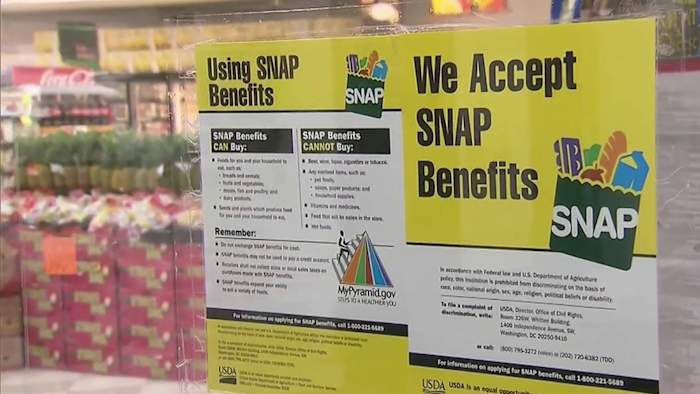
Emergency food programs help low-income families in crisis. These include food banks, soup kitchens, and government support like SNAP. Programs aim to reduce hunger and improve nutrition. Many rely on federal funding and local donations. They serve millions of Americans yearly.
Changes During Trump’s Administration
Trump’s administration focused on reducing federal spending. SNAP faced stricter eligibility rules. Some states tightened work requirements for recipients. Funding shifts affected food banks and local programs. Critics said these moves cut aid to vulnerable people. Supporters said reforms encouraged self-reliance and job seeking.
Claims About Food Assistance Cuts
Claims about cuts to emergency food assistance during the Trump administration sparked much debate. Many people questioned if key programs were reduced or eliminated. It is important to explore where these claims came from and what misunderstandings exist around them.
Sources Of The Claims
Some claims originated from news reports highlighting changes to food aid programs. Others came from advocacy groups expressing concern over funding shifts. Social media also played a role in spreading these messages quickly. Official government budget proposals and policy changes were often cited as evidence. Yet, not all sources provided full context or clear explanations.
Common Misconceptions
Many believed that emergency food assistance was completely cut or ended. The truth is more nuanced. Some programs saw budget adjustments, but emergency food aid largely continued. Another misconception is confusing temporary policy changes with permanent cuts. Some changes aimed to improve efficiency, not reduce help. Understanding these points helps clarify the real impact on food assistance.
Data On Food Assistance Funding
Data on food assistance funding reveals key facts about government support for emergency food programs. Understanding budget allocations and program participation trends helps clarify whether funding was cut or maintained. These numbers show the real impact on millions of Americans relying on food aid.
Budget Allocations
Federal budgets for food assistance programs changed during Trump’s term. Some programs saw increases, while others faced cuts or slower growth.
- The Supplemental Nutrition Assistance Program (SNAP) remained the largest food aid program.
- Funding for SNAP generally stayed stable, but some administrative changes affected access.
- Other programs, like emergency food aid and school meals, received mixed funding adjustments.
- Congress occasionally boosted emergency food funding during crises, such as natural disasters.
Overall, the budget did not show a complete cut but rather shifts in how funds were allocated.
Program Participation Trends
Participation in food assistance programs reflects funding and policy changes. Numbers fluctuated due to economic conditions and eligibility rules.
- SNAP enrollment increased during economic downturns but slowed as the economy improved.
- Some policy changes tightened eligibility, reducing participant numbers in certain areas.
- Emergency food programs saw variable demand, sometimes rising during local hardships.
- School meal participation changed with school closures and reopening schedules.
These trends show a complex picture of food assistance use, not just simple cuts.
Impact On Vulnerable Populations
Cutting emergency food assistance has a direct and harsh impact on vulnerable populations. These groups often rely heavily on support programs to meet their basic nutritional needs. Without this aid, many face increased food insecurity and health risks that ripple through their daily lives.
Low-income Families
Low-income families frequently struggle to put enough food on the table even in stable times. When emergency food assistance is reduced, these families must make tough choices between paying bills and buying groceries. You might know someone who has skipped meals to stretch their budget—this is a reality for many.
This reduction forces families to rely more on cheaper, less nutritious food, affecting their overall health. It also increases stress and uncertainty, which can impact children’s performance at school and adults’ ability to work. How would you manage if your food budget suddenly shrank overnight?
Children And Seniors
Children and seniors are especially vulnerable to food insecurity because they have unique nutritional needs. Missing out on regular, healthy meals can stunt a child’s growth and weaken their immune system. Seniors may experience worsened chronic conditions without adequate nutrition.
Emergency food programs often fill the gaps for these groups, providing balanced meals and essential nutrients. Cutting this support can lead to increased visits to hospitals and clinics, straining healthcare systems. Have you considered how lack of food affects the most fragile members of your community?
Political Context And Motivations
The political context surrounding the question of whether Trump cut emergency food assistance is complex and rooted in broader policy debates. Understanding the motivations behind any changes to food aid programs requires looking at the administration’s priorities and the political environment at the time. These shifts often reflect competing goals about government spending, welfare, and economic strategy.
Policy Goals
During Trump’s administration, there was a strong push to reduce federal spending and promote work requirements for welfare programs. The aim was to encourage self-reliance and reduce dependency on government aid. This led to proposals that tightened eligibility for programs like SNAP (Supplemental Nutrition Assistance Program), which many viewed as a way to cut costs.
These policy changes were often framed as efforts to improve the system’s efficiency. Supporters argued that stricter rules would help target assistance to those most in need. However, critics warned that such measures could leave vulnerable families without essential support.
Public Reaction
Public response to these policy shifts was mixed but often passionate. Many people expressed concern that cuts to emergency food assistance would increase hunger and hardship, especially during economic downturns. Activists and advocacy groups frequently organized protests and campaigns to highlight the potential harm.
On the other hand, some voters supported the idea of reducing government spending and believed that tighter regulations would prevent fraud and misuse. This divide raised important questions: How do you balance fiscal responsibility with protecting those in immediate need? And what role should the government play in ensuring food security during crises?
Credit: www.latintimes.com
Comparisons With Previous Administrations
Comparing emergency food assistance under the Trump administration with previous administrations reveals important shifts in policy and priorities. These changes affected both the level of funding and how effectively programs met the needs of vulnerable populations. Understanding these differences can help you see the broader impact of policy decisions on food security.
Funding Levels
Emergency food assistance funding under Trump saw notable changes, especially compared to the Obama and Bush administrations. While earlier administrations tended to increase funding during economic downturns, the Trump years introduced cuts and restrictions in some programs.
For example, the Supplemental Nutrition Assistance Program (SNAP) experienced tighter eligibility rules and reductions in benefits. This contrasted sharply with previous periods when funding was often expanded to reach more people during crises.
Have you noticed how changes in budget allocation directly affect your community food banks or local assistance programs? These funding shifts can mean fewer resources when you or your neighbors need help most.
Program Effectiveness
Effectiveness depends not only on funding but also on how programs are managed and adapted. Under Trump, some emergency food programs faced criticism for reduced outreach and stricter requirements, which may have limited access for those in need.
Previous administrations focused more on expanding access and streamlining application processes. This helped more families receive assistance quickly during tough times.
Think about whether the changes made it easier or harder for you or someone you know to get food aid. Program effectiveness is about real-world results, not just policies on paper.
Future Of Emergency Food Assistance
The future of emergency food assistance is uncertain and needs careful attention. Millions depend on these programs for daily meals. Changes in policy affect their access to food. Understanding upcoming proposals helps predict what lies ahead.
Emergency food aid must adapt to economic and social needs. Funding, eligibility, and program rules may shift. These changes impact vulnerable families and communities. Staying informed about legislative actions is crucial for those who rely on this aid.
Current Proposals
Several proposals aim to modify emergency food assistance programs. Some suggest increasing funding to support more families. Others focus on tightening eligibility rules to reduce costs. Proposals also include expanding outreach to underserved areas.
Key points in current proposals include:
- Boosting funds for food banks and nutrition programs
- Changing income limits for eligibility
- Improving program efficiency and access
- Supporting local food producers through assistance programs
Role Of Congress
Congress plays a vital role in shaping emergency food assistance. Lawmakers decide the budget and rules for these programs. They respond to economic conditions and public needs. Congressional decisions determine how much aid reaches those in need.
Congress can:
- Approve or cut funding for food assistance
- Change eligibility criteria to widen or narrow access
- Set priorities for program goals and delivery
- Oversee agencies managing emergency food aid
Public input and advocacy influence congressional actions. Citizens can contact representatives to express support or concerns. The future of emergency food assistance depends on these decisions.
:max_bytes(150000):strip_icc():focal(749x0:751x2)/donald-trump-usaid-food-071625-6209642d65b44738bd4e6c88c3819230.jpg)
Credit: people.com
Frequently Asked Questions
Did Trump Reduce Emergency Food Assistance Programs?
Yes, the Trump administration cut funding to some emergency food programs. These reductions affected food banks and nutrition aid for low-income families.
What Was The Impact Of Trump’s Cuts On Food Aid?
The cuts led to fewer resources for food banks, increasing food insecurity for vulnerable communities nationwide during his term.
Did Trump Support Any Food Assistance Initiatives?
Trump signed the Farm Bill, which included some nutrition program funding, but overall, emergency food aid faced budget cuts.
How Did Trump’s Policies Affect Snap Benefits?
Trump proposed stricter eligibility rules and work requirements, aiming to reduce SNAP enrollment and spending during his presidency.
Conclusion
The question about Trump cutting emergency food help is complex. Some programs saw changes, others stayed the same. People still rely on food aid every day. Understanding facts helps us see the full picture. It’s important to check trusted sources for updates.
Food assistance affects many families across the country. Staying informed helps us support those in need. The topic matters for communities and future policies. Keep asking questions and learning more about food aid.