Have you ever wondered if the food you have at home is truly ready for an emergency? When disaster strikes, your regular meals might not be enough to keep you safe and healthy.
Knowing what food to store and how much can make all the difference for you and your loved ones. You’ll discover simple, practical tips to prepare your emergency food supply so you’re never caught off guard. Keep reading to learn how to protect your family with the right food choices when it matters most.

Credit: www.amazon.com
Emergency Food Basics
Emergency food is essential for survival during unexpected situations. It provides energy and nutrients when regular food sources are unavailable. Preparing the right food supply can help maintain health and strength in crises. Understanding the basics ensures smart choices for your emergency kit.
Types Of Emergency Foods
Emergency foods come in many forms. Some are ready to eat, while others need water or heat. Common types include:
- Canned goods – long-lasting and easy to store
- Freeze-dried meals – lightweight and quick to prepare
- Dehydrated foods – compact and shelf-stable
- Energy bars – high in calories and convenient
- Dry grains and legumes – versatile and nutritious
Shelf Life Considerations
Food shelf life affects safety and nutrition. Choose items with long expiration dates. Store food in cool, dry places to extend life. Regularly check dates and rotate supplies. Avoid foods past their prime to prevent illness.
Nutritional Value
Nutrition is crucial in emergencies. Focus on foods rich in protein, carbs, and fats. Include vitamins and minerals to support the immune system. Balanced meals help maintain energy and health. Avoid empty calories with little nutritional benefit.
Top Survival Food Picks
Choosing the right food for emergencies is vital for survival. The food must last long and provide enough energy. It should be easy to store and prepare. Focus on foods that keep well without refrigeration. Balance nutrition with convenience for the best results.
Canned Goods
Canned foods are reliable and easy to store. They come in many varieties like vegetables, beans, and meats. The airtight seal keeps food fresh for years. Simply open and eat or heat if desired. Canned goods provide essential vitamins and minerals. Check expiration dates regularly to maintain freshness.
Dehydrated And Freeze-dried Foods
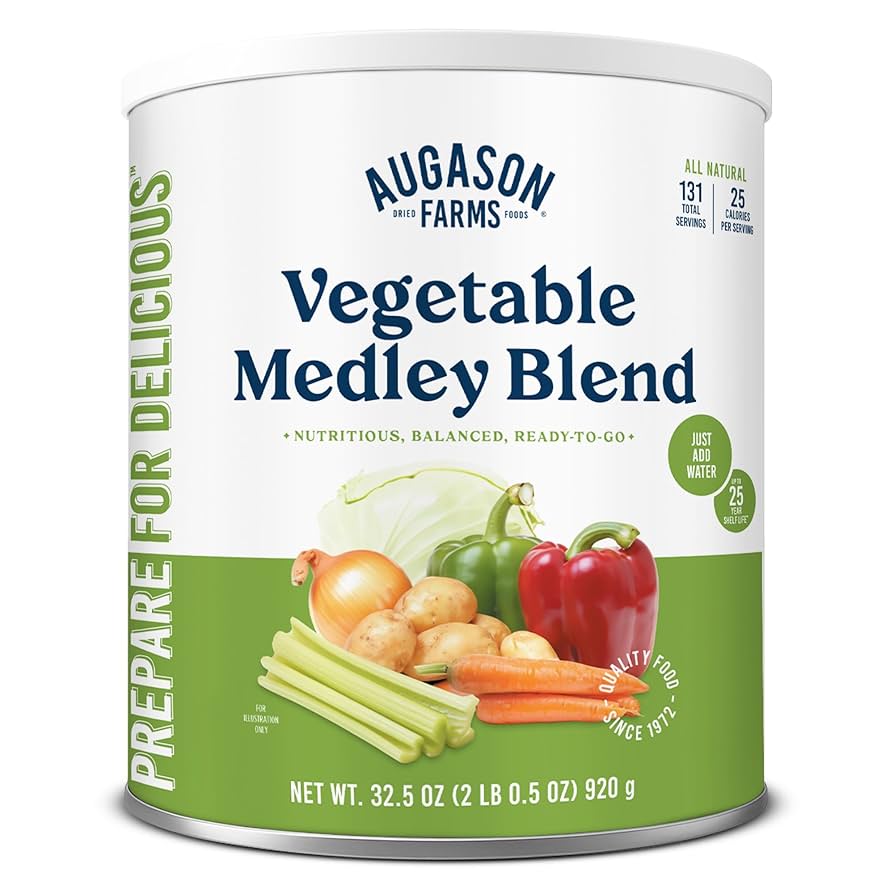
These foods lose water to prevent spoilage. They are lightweight and take up little space. Just add water to rehydrate before eating. Freeze-dried meals keep flavor and nutrients well. They are perfect for long-term storage and quick meals. Carry these foods easily on outdoor trips too.
Grains And Legumes
Grains like rice, oats, and barley store well for months. Legumes such as lentils, chickpeas, and beans offer protein. Both provide steady energy and fiber. Cooking these requires water and heat but lasts long in storage. Keep them in airtight containers to avoid pests and moisture.
High-energy Snacks
Energy-dense snacks fuel the body fast. Nuts, seeds, and trail mixes are good options. Energy bars and peanut butter packs also work well. These snacks need no cooking and are easy to carry. Include some sweet options like dried fruits for variety. Perfect for quick boosts during stressful times.
Storage Tips
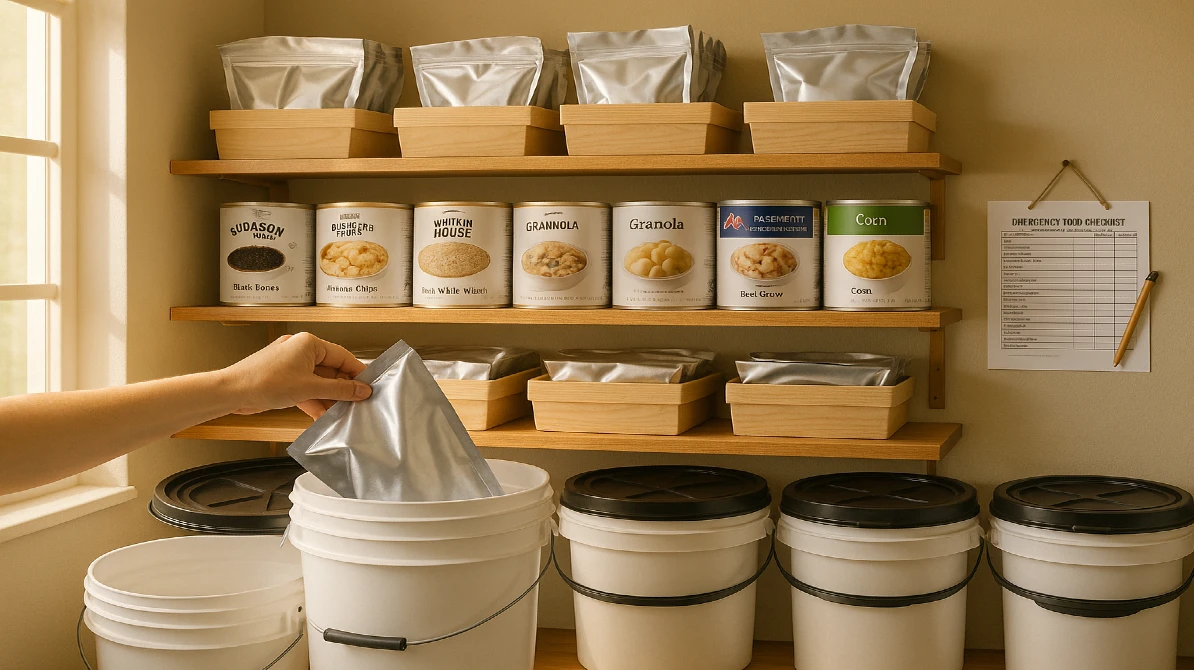
Proper storage of emergency food is key to keeping it fresh and safe. Good storage helps extend shelf life and keeps supplies ready for use. Organizing your food with care saves space and reduces waste. Follow these storage tips to protect your emergency food stock.
Ideal Storage Conditions
Store emergency food in a cool, dry place away from sunlight. High temperatures can spoil canned and packaged foods quickly. Moisture causes mold and rust, so keep containers sealed tightly. Avoid areas near heat sources, such as ovens or water heaters. A stable temperature below 75°F (24°C) works best. Dark spaces like closets or basements suit storage well.
Rotation And Inspection
Check your emergency food supply regularly to ensure freshness. Use the oldest items first to prevent spoilage. Label each package with the purchase date for easy tracking. Inspect cans and bags for dents, bulges, or leaks. Remove any damaged items immediately to avoid contamination. Replace expired food promptly to maintain a safe stock.
Space-saving Techniques
Organize your food to maximize storage space. Stack cans neatly and use shelves or racks to keep items off the floor. Use airtight containers for loose items like rice or beans to reduce space and keep pests out. Vacuum-sealed bags save room and preserve freshness. Group similar items together for quick access during emergencies.
Water And Food Preparation
Preparing water and food during an emergency requires careful thought and simple solutions. You must ensure both are safe and manageable even when resources are limited. Planning ahead can make a huge difference in how comfortable and secure you feel during unexpected situations.
Safe Water Sources
Your first priority is access to clean water. Not all water sources are safe to drink directly. Look for natural sources like springs or wells, but always treat the water before use.
- Boil water for at least one minute to kill germs.
- Use water purification tablets if boiling isn’t possible.
- Consider portable water filters designed for emergencies.
Remember, stored water should be kept in clean, sealed containers to avoid contamination. Have you checked the freshness of your stored water lately?
Cooking Without Power
Power outages challenge your ability to cook food safely. But you can still prepare meals without electricity or gas.
- Use a camping stove or portable gas burner outdoors.
- Try a solar oven if sunlight is available.
- Consider no-cook meal options like canned beans, nuts, and dried fruits.
I once cooked a simple stew on a small camping stove during a blackout. It was comforting to eat warm food despite the situation. What creative cooking methods have you tried when power was out?
Minimal Equipment Options
You don’t need a full kitchen to prepare emergency food. Focus on versatile, compact tools that serve multiple purposes.
- A lightweight pot or pan for boiling and heating.
- A sturdy knife that can cut, open cans, and prep food.
- Reusable utensils and a small cutting board.
Keeping your equipment minimal makes it easier to store and carry during emergencies. What’s your go-to tool that you wouldn’t want to be without?
Special Dietary Needs
Special dietary needs require careful planning for emergency food supplies. People with allergies, dietary preferences, or age-related needs need safe and suitable options. Emergency food must meet these needs to ensure health and comfort during crises.
Allergies And Intolerances
Food allergies and intolerances can cause serious health problems. Pack allergy-friendly foods free from nuts, gluten, dairy, or other common triggers. Clearly label all items to avoid confusion. Choose products tested for allergen safety. Consider simple, single-ingredient foods like rice, beans, or canned vegetables. Have alternatives ready for those with multiple allergies.
Vegetarian And Vegan Options
Vegetarian and vegan diets exclude meat and animal products. Emergency food must include plant-based protein sources like beans, lentils, and nuts. Look for fortified foods with vitamins B12 and D. Stock canned vegetables, fruits, and grains that need minimal preparation. Keep taste and nutrition balanced to maintain energy and morale.
Children And Elderly Considerations
Children and elderly people have unique food requirements. Choose soft, easy-to-digest foods for both groups. Include baby food, formula, or toddler snacks for young children. For elderly, consider low-sodium, low-sugar, and nutrient-dense options. Hydration is key—pack water and electrolyte drinks. Ensure packaging is easy to open and serve.

Credit: trueprepper.com
Building Your Emergency Food Kit
Building your emergency food kit is a smart step for safety and peace of mind. A well-prepared kit ensures you have enough food during unexpected situations. It should last several days and provide proper nutrition. Planning helps avoid stress and keeps you ready for any emergency.
Calculating Food Quantities
Start by estimating how many people the kit must feed. Plan for at least three days of food supply per person. Adults need about 2,000 calories daily, children need less. Multiply calories by the number of people and days. Use this to decide how much food to store.
Balancing Variety And Simplicity
Choose foods that are easy to prepare and store. Include different types like grains, proteins, and fruits. Variety prevents boredom and ensures balanced nutrition. Avoid foods that spoil quickly or need complex cooking. Focus on simple meals with few ingredients.
Including Comfort Foods
Comfort foods boost morale during tough times. Add small treats like chocolate, nuts, or cookies. These make meals more enjoyable and reduce stress. Pack familiar favorites that your family likes. Comfort foods help keep spirits high in emergencies.
Long-term Food Sustainability
Long-term food sustainability ensures a steady food supply during emergencies. It reduces dependence on store-bought goods. It helps families stay nourished over months or years. Planning for sustainable food sources is essential for survival. Let’s explore ways to maintain food availability over time.
Gardening And Foraging
Growing your own vegetables and fruits provides fresh food. Small gardens fit balconies, yards, or community spaces. Choose easy-to-grow plants like tomatoes, beans, and lettuce. Foraging wild plants adds variety and nutrients. Learn to identify safe, edible plants in your area. Gardening and foraging reduce food costs and increase self-reliance.
Preserving Your Own Food
Preserving food extends its shelf life. Common methods include drying, canning, and freezing. Dry herbs, fruits, and vegetables to store for months. Canning homemade jams or sauces keeps food safe. Freeze surplus harvests for later use. Proper preservation prevents waste and keeps food ready for emergencies.
Bartering And Community Support
Sharing food and resources builds strong community bonds. Bartering lets people trade goods without money. Exchange canned goods for fresh produce or homemade items. Community support helps during shortages or disasters. Join local groups focused on food sharing and skills. Cooperation increases food security for everyone involved.

Credit: www.amazon.com
Frequently Asked Questions
What Types Of Food Are Best For Emergency Kits?
Shelf-stable foods like canned goods, dried fruits, nuts, and granola bars are ideal. These foods last long and provide essential nutrients during emergencies.
How Long Can Emergency Food Supplies Last?
Most emergency foods can last from six months to several years if stored properly. Always check expiration dates and rotate your stock regularly.
Should Emergency Food Include Special Dietary Options?
Yes, include options for allergies, diabetes, or vegetarian preferences. This ensures everyone’s nutritional needs are met during an emergency.
How Much Emergency Food Should One Store Per Person?
Store at least a three-day supply of food per person. For longer emergencies, plan for a two-week supply to stay prepared.
Conclusion
Food for emergencies keeps you safe and prepared. It lasts long and needs little space. Choose foods that give energy and nutrients. Store them in cool, dry places. Check expiry dates often to avoid waste. Having emergency food reduces stress during crises.
Start small and build your supply over time. Being ready helps protect your family and yourself. Simple steps now can make a big difference later. Stay safe by planning your emergency food today.