Are you facing unexpected tough times and wondering how to get food support quickly? Emergency food stamps might be the answer you need.
But what exactly do emergency food stamps mean, and how can they help you and your family right now? Understanding this can make a big difference when you’re in urgent need. Keep reading to discover how emergency food stamps work, who qualifies, and how you can apply fast to ease your stress and put food on your table.

Credit: www.ncoa.org
Emergency Food Stamps Basics
Emergency food stamps provide quick help for families and individuals facing a sudden food shortage. These benefits aim to ease hunger during unexpected financial crises. Understanding the basics can help you know how to get this support fast and use it effectively.
Definition And Purpose
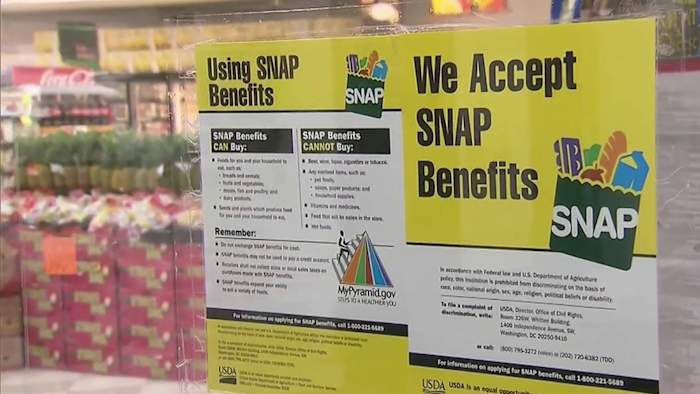
Emergency food stamps are temporary food benefits. They help people buy groceries when money is tight. The goal is to prevent hunger during emergencies. These benefits come from the Supplemental Nutrition Assistance Program (SNAP). They offer fast aid to those in urgent need.
Eligibility Criteria
Not everyone qualifies for emergency food stamps. The rules vary by state but usually include:
- Low income or sudden loss of income
- Household size and expenses
- Proof of emergency situation
- Residency within the state
Applicants must meet these conditions to receive help quickly.
Application Process
Applying for emergency food stamps is simple and fast. Follow these steps:
- Contact your local SNAP office or visit their website
- Fill out the emergency food stamp application form
- Submit required documents like ID and proof of income
- Attend a quick interview if needed
Once approved, benefits arrive within days to help with food costs.
How Emergency Food Stamps Work
Understanding how emergency food stamps work can make a big difference when you suddenly need help putting food on the table. These benefits provide quick financial support to buy groceries during tough times. Knowing the details about the benefit amounts, how the aid is distributed, and how long the assistance lasts can help you plan better and avoid unnecessary stress.
Benefit Amounts
The amount you receive through emergency food stamps depends on your household size and income. Typically, the benefits cover a portion of your monthly food costs to help stretch your budget.
For example, a single person might get around $200, while a family of four could receive $600 or more. The goal is to provide enough assistance to fill the nutritional gaps without replacing all your food expenses.
Distribution Methods
Emergency food stamps are usually distributed through electronic benefit transfer (EBT) cards. This system works like a debit card, allowing you to buy eligible food items at many grocery stores and markets.
- You don’t get cash, so the benefits are strictly for food.
- Some areas may also offer paper vouchers during disasters or power outages.
- Local agencies often notify you when your benefits are loaded onto your card.
Have you checked if your local stores accept EBT? Knowing this can save you time and frustration when you need to shop.
Duration Of Assistance
Emergency food stamps are designed to provide short-term help during crises. The duration varies but often lasts one to three months.
If your situation doesn’t improve, you may need to reapply or seek additional programs. This temporary support is meant to bridge the gap until you regain stability.
Think about what changes you can make during this time to improve your financial situation. How can you use this assistance as a stepping stone rather than a long-term solution?
Situations Qualifying For Emergency Benefits
Emergency food stamps are designed to provide immediate help when you face unexpected difficulties. Understanding the situations that qualify for these benefits can make a big difference in how quickly you get support. It’s important to recognize the specific emergencies that trigger eligibility so you can act fast when you need it most.
Natural Disasters
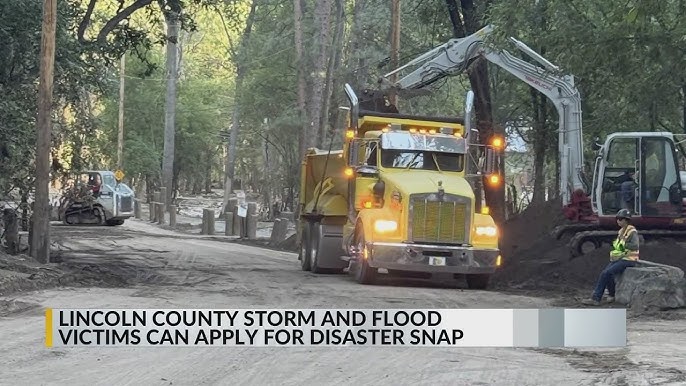
When a hurricane, flood, wildfire, or earthquake strikes, it can destroy homes and disrupt access to food. Emergency food stamps step in to support families who lose their regular food sources. If your community is declared a disaster area, you might qualify for these benefits to help you recover.
Have you ever experienced a power outage or evacuation that left your pantry empty? This is exactly when emergency food assistance becomes critical.
Economic Hardships
Sudden loss of income, job layoffs, or unexpected medical bills can put your food budget under severe strain. Emergency food stamps can provide temporary relief while you work through these tough times. If your income drops significantly and you can’t afford groceries, these benefits are designed to help.
Think about how quickly your budget can change with one unexpected expense. How prepared would you be if your paycheck stopped today?
Other Emergencies
Besides natural disasters and economic issues, other crises like domestic violence, homelessness, or sudden illness may qualify you for emergency food stamps. These situations often disrupt your ability to shop or cook, making immediate food aid necessary. The goal is to prevent hunger during any unexpected hardship.
Have you or someone you know faced an emergency where access to food suddenly became a concern? Knowing about emergency food stamps can be a lifeline in those moments.

Credit: www.lasp.org
Differences From Regular Food Stamps
Emergency food stamps provide quick relief during unexpected situations, but they differ significantly from regular food stamps in several key areas. Understanding these differences can help you navigate the application process more effectively and manage your expectations about the support you will receive. Here’s a clear breakdown of what sets emergency food stamps apart from their regular counterparts.
Temporary Vs. Ongoing Support
Emergency food stamps are designed to offer short-term aid during crises like natural disasters or sudden financial hardship. They provide immediate access to food benefits but usually last only a few months.
Regular food stamps, on the other hand, are part of an ongoing assistance program. You can receive these benefits for extended periods, often requiring regular renewals and updates on your financial status.
Have you ever faced a sudden emergency where quick food assistance would have made a difference? Emergency food stamps are meant exactly for those moments.
Eligibility Variations
The eligibility criteria for emergency food stamps are generally more flexible compared to regular food stamps. Emergency programs may waive some income or asset requirements to speed up aid during urgent situations.
Regular food stamps require a detailed review of your income, household size, and expenses. The process can be more time-consuming and strict to ensure ongoing eligibility.
This flexibility in emergency food stamps means you might qualify even if you don’t meet the usual rules. Could this be the support you need before your situation stabilizes?
Benefit Limits
Benefit amounts in emergency food stamp programs tend to be fixed or capped to cover immediate basic needs. They might not match the full benefit levels you could receive through regular food stamps.
Regular food stamps calculate benefits based on detailed household income and expenses, often providing higher monthly support tailored to your needs.
Knowing these limits helps you plan ahead. How will you manage if emergency benefits fall short of covering your usual grocery expenses?
Impact On Recipients
Emergency food stamps provide vital support to individuals and families facing sudden financial hardships. Their impact goes beyond just handing out assistance; they influence various aspects of recipients’ daily lives and overall well-being. Understanding these effects can help you see why such programs matter so much.
Food Security Improvements
Access to emergency food stamps often means the difference between going hungry and having enough to eat. Recipients report feeling more confident about their next meal, which reduces stress and anxiety related to food scarcity.
Imagine not knowing if you can feed your children tomorrow. Emergency food stamps help bridge that uncertainty, ensuring you can buy nutritious groceries right away. This stability can lead to better health outcomes and improved focus for work or school.
Financial Relief
Emergency food stamps free up your limited income to cover other urgent needs, like rent, utilities, or medical bills. This relief can prevent a financial spiral that worsens your situation.
One recipient shared how the extra food benefits allowed them to avoid payday loans, which often come with high interest rates. With less financial pressure, you gain more control over your budget and reduce stress.
Community Support
Receiving emergency food stamps connects you to a broader network of community resources and support programs. Many find comfort knowing they’re not alone and that help is available during tough times.
This support often extends beyond food assistance, including counseling, job training, and healthcare referrals. Have you ever noticed how a small gesture of help can create a ripple effect, improving many parts of your life?

Credit: www.mass.gov
Challenges And Limitations
Emergency food stamps provide crucial help during tough times. Still, many challenges and limits affect their reach and impact. Understanding these barriers helps highlight areas that need improvement.
Access Barriers
Many people find it hard to apply for emergency food stamps. Some lack internet or phone access needed for applications. Others face language difficulties or complex paperwork. Physical distance from offices also blocks timely help.
Funding Constraints
Emergency food stamp programs depend on government budgets. Limited funds mean fewer people get assistance. Some areas face delays or cutbacks due to budget issues. This makes it hard to meet high demand during crises.
Awareness Issues
Not everyone knows about emergency food stamp programs. Information does not always reach vulnerable groups. Misunderstandings about eligibility stop some from applying. Without clear communication, many miss out on needed aid.
Resources For Assistance
Finding help through emergency food stamps can feel overwhelming, but many resources are ready to support you. Knowing where to look and who to contact can make a big difference in getting timely assistance. Here’s a clear guide on where you can turn for reliable help.
Government Agencies
Your local or state government offices are often the primary source for emergency food stamp programs. These agencies administer the Supplemental Nutrition Assistance Program (SNAP), which provides benefits quickly in urgent situations.
You can visit your state’s Department of Social Services or equivalent agency website to apply. Many also offer in-person assistance and can guide you through the application process step-by-step.
Have you checked if your state has specific emergency provisions? Some states offer expedited benefits for households facing sudden job loss or natural disasters.
Nonprofit Organizations
Nonprofits often fill gaps where government programs might have delays. Food banks and community centers work closely with local agencies to distribute emergency food stamps and other aid.
Organizations like Feeding America and local food pantries can provide immediate food support and help you connect with emergency SNAP benefits. They sometimes offer transportation or application help as well.
Think about reaching out to faith-based groups or community action agencies—they often have emergency funds or food assistance programs that don’t require long waits.
Online Tools And Hotlines
The internet offers quick access to application portals and eligibility calculators for emergency food stamps. Many state websites provide online forms to start the process without leaving your home.
- Use online SNAP pre-screening tools to see if you qualify instantly.
- Call dedicated hotlines for personalized guidance during emergencies.
- Check social media pages of local agencies for updates on food assistance events.
Have you tried using these digital resources yet? They can save you time and reduce stress when every minute counts.
Frequently Asked Questions
What Does Emergency Food Stamps Mean?
Emergency food stamps provide quick financial aid for buying groceries during crises. They help individuals facing sudden hardship to access nutritious food immediately.
Who Qualifies For Emergency Food Stamps?
People experiencing unexpected income loss, natural disasters, or urgent financial distress may qualify. Eligibility depends on state guidelines and current emergency situations.
How To Apply For Emergency Food Stamps?
Applications can be submitted online, by phone, or in-person at local agencies. Required documents include proof of income, residency, and emergency circumstances.
How Fast Can Emergency Food Stamps Be Received?
Emergency food stamps are typically approved within a few days to a week. Speed depends on application completeness and local agency processing times.
Conclusion
Emergency food stamps help families in urgent need. They provide quick access to food benefits. These benefits support nutrition and reduce hunger fast. Applying is often simpler than regular food stamps. Knowing what emergency food stamps mean aids in tough times.
They act as a safety net during financial crises. Many states offer this help when income drops suddenly. Understanding the process can ease stress and worry. Emergency food stamps bring relief and stability quickly. Keep this option in mind if food becomes scarce.