Have you ever wondered if your Christmas cactus can handle chilly weather? When temperatures drop to around 40 degrees, you might worry about your plant’s survival.
You’ve cared for it carefully, and now you want to make sure it stays healthy through the cold. This article will give you clear answers and simple tips to protect your Christmas cactus when the temperature dips. Keep reading to learn how to keep your plant thriving, no matter the weather outside.

Credit: www.rasnetwork.org
Christmas Cactus Basics
Understanding the basics of your Christmas cactus is essential before deciding if it can survive in 40-degree weather. Knowing where it comes from and what it needs helps you care for it better. Let’s take a closer look at its origin and ideal growing conditions.
Plant Origin And Traits
The Christmas cactus (Schlumbergera) is native to the tropical rainforests of Brazil. Unlike desert cacti, it thrives in humid, shaded environments rather than dry, arid ones.
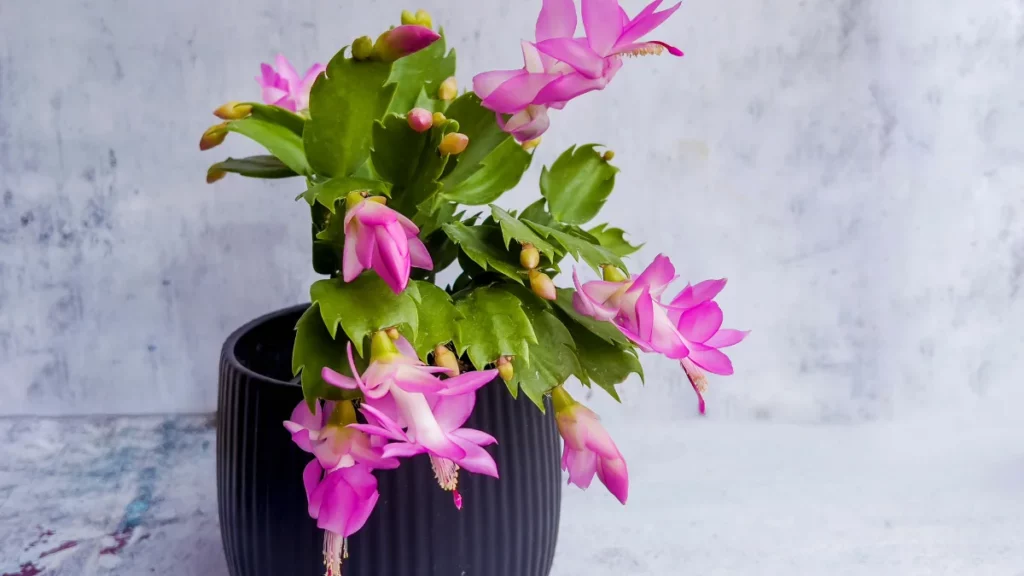
This plant has flat, segmented leaves and produces bright, tubular flowers around the holiday season. Its unique structure helps it absorb moisture from the air, which is quite different from desert cacti that store water in thick stems.
Knowing this, can you imagine how a Christmas cactus might react to cold, dry air? It’s not built for freezing temperatures.
Ideal Growing Conditions
Christmas cacti prefer temperatures between 60°F and 70°F during the day and slightly cooler at night. They need indirect light, similar to the filtered light in their native forest understory.
Humidity is important too. These plants enjoy moist air and well-draining soil that’s kept evenly moist but not soggy. Too much dryness or cold can stress them and cause the leaves to drop.
- Keep them away from drafts and sudden temperature changes.
- Water moderately, allowing the top inch of soil to dry out before watering again.
- Provide bright, indirect light to encourage blooming.
Have you noticed your Christmas cactus struggling when temperatures drop? Understanding these basics can help you protect your plant from cold damage and keep it thriving year after year.
Cold Weather Impact
Cold weather can affect a Christmas cactus in many ways. These plants thrive in mild temperatures and can suffer damage when exposed to cold. Understanding how 40-degree weather impacts them helps in taking the right care steps.
Effects Of 40 Degree Temperatures
At 40 degrees Fahrenheit, a Christmas cactus faces stress. This temperature is near the lower limit of what it can handle. The plant’s growth slows down, and its leaves may become weak. Prolonged exposure can cause leaf damage or drop. Roots may also suffer if the soil stays too cold. The plant becomes vulnerable to diseases and pests during this cold stress.
Signs Of Cold Stress
Cold stress shows clear signs on a Christmas cactus. Leaves may turn pale or yellow. Edges can become dry and brown. The plant might look wilted or shriveled. New growth may stop or become distorted. In severe cases, stems can get soft or mushy. Watching for these signs helps in protecting the plant quickly.
Protecting Your Plant
Protecting your Christmas cactus in cold weather is crucial for its survival. This plant thrives in mild temperatures and can suffer damage below 50 degrees Fahrenheit. Taking steps to shield it from 40-degree weather helps keep it healthy and vibrant. Understanding the best care practices both indoors and outdoors makes a big difference.
Indoor Vs Outdoor Care
Christmas cacti prefer indoor environments when temperatures drop near 40 degrees. Indoors, they avoid cold drafts and sudden temperature changes. Place the plant near a bright window but out of direct sunlight. Maintain room temperatures between 60 and 70 degrees Fahrenheit for optimal growth.
Outdoor care is riskier in cold weather. If left outside, the plant needs protection from frost and chilling winds. Avoid placing it on the ground, where cold is strongest. Use raised surfaces or pots with good drainage to prevent waterlogging and root damage.
Using Covers And Insulation
Covers help shield your Christmas cactus from cold air and frost. Use breathable fabrics like frost cloths or old sheets to cover the plant at night. Avoid plastic wraps, as they trap moisture and can cause rot.
Insulation around the pot keeps roots warmer. Wrap pots with burlap or bubble wrap. Add mulch or straw around the base to retain heat. These simple steps reduce stress and protect the plant during cold spells.
Watering And Soil Tips
Caring for a Christmas cactus in cold weather needs special attention to watering and soil. These factors affect the plant’s ability to survive near 40-degree temperatures. Proper watering helps prevent root rot and frost damage. The right soil improves drainage and protects roots from cold stress.
Adjusting Water Frequency
Water less often during cold weather. The Christmas cactus uses less water when temperatures drop. Overwatering can cause roots to rot in cool soil. Check the soil moisture before watering. If the top inch feels dry, it is time to water. Use room temperature water to avoid shocking the roots. Always let excess water drain out to keep roots healthy.
Best Soil Types For Cold
Choose soil that drains well and holds some moisture. Avoid heavy soils that stay soggy and freeze easily. A mix with peat moss, perlite, and sand works well. These materials keep the soil light and aerated. This helps roots breathe and stay warm. Using a cactus or succulent soil mix is a smart choice. Adding extra perlite can improve drainage further during cold months.
Light And Humidity Needs
Light and humidity play a crucial role in helping your Christmas Cactus survive, especially when temperatures drop to 40 degrees. These factors influence the plant’s health and its ability to bounce back from cold stress. Understanding the right balance can make a big difference in keeping your cactus vibrant and thriving.
Optimal Light Exposure
Your Christmas Cactus needs bright, indirect light to flourish. Direct sunlight can scorch its leaves, especially during colder months when the plant is more vulnerable. Placing it near a north or east-facing window often works well, providing enough light without harsh rays.
Have you noticed your cactus turning pale or losing its vibrant green? This might be a sign it’s not getting enough light. Adjust the location gradually and observe how your plant responds over a week or two.
Maintaining Proper Humidity
Humidity is another key factor for your Christmas Cactus. It prefers a moderately humid environment, around 50-60%. Dry indoor air, especially in winter, can cause the leaf edges to dry out and brown.
You can boost humidity by placing a shallow tray of water near the plant or grouping it with other houseplants. Using a humidifier is also a great way to keep the air moist without overwatering the soil.
Think about your home’s usual air moisture—does it feel dry to you? If so, your Christmas Cactus might benefit from a little extra humidity support to stay healthy through chilly days.
Credit: www.gardeningknowhow.com
Troubleshooting Cold Damage
Cold weather can harm a Christmas cactus. This plant is sensitive to temperatures near 40 degrees Fahrenheit. Cold damage shows as wilted or blackened leaves. Understanding how to spot and fix these issues helps the plant survive and thrive. Troubleshooting cold damage is key to keeping your Christmas cactus healthy.
Recovering From Frost
Check the plant for frost damage after cold weather. Remove any dead or blackened leaves carefully. Avoid cutting healthy parts. Move the cactus to a warmer spot with indirect sunlight. Keep the soil moist but not wet. Avoid watering too much as roots can rot easily. Increase humidity by placing a tray with water nearby. This helps the plant recover faster.
Preventing Future Damage
Keep your Christmas cactus indoors during cold months. Avoid placing it near drafty windows or doors. Use a thermometer to monitor room temperature. Ideal temperature is between 60 and 70 degrees Fahrenheit. Provide bright, indirect light for healthy growth. Water only when the top inch of soil is dry. Use mulch or a plant cover outside if needed. This protects the roots from frost in colder climates.

Credit: www.rasnetwork.org
Frequently Asked Questions
Can Christmas Cactus Tolerate Cold Temperatures?
Yes, Christmas Cactus can tolerate cold but not below 40°F. It’s crucial to protect it from frost. When temperatures drop, move it indoors or cover it. This ensures the plant remains healthy and continues to bloom. Avoid exposing it to sudden temperature changes.
How To Protect Christmas Cactus In 40°f Weather?
To protect your Christmas Cactus in 40°F, move it indoors or use plant covers. Ensure it’s placed away from cold drafts. Keeping it near a window with indirect sunlight helps. Avoid overwatering, as it can lead to root rot in colder temperatures.
What Temperature Is Ideal For Christmas Cactus?
Christmas Cactus thrives best between 60°F and 70°F during the day. At night, temperatures should be around 55°F to 65°F. This range promotes healthy growth and blooming. Avoid exposing it to temperatures below 40°F. Proper care ensures vibrant and long-lasting blooms.
How Does Cold Affect Christmas Cactus Blooming?
Cold temperatures can delay blooming or damage buds of Christmas Cactus. If exposed to temperatures below 40°F, the plant may experience stress. This can lead to fewer blooms. Ensure it is kept in a moderate temperature range for optimal blooming.
Conclusion
Christmas cacti do not like cold weather below 50 degrees. They can get damaged or die if left outside in 40-degree weather. Keep them indoors or in a warm spot during winter. Protect your plant from frost to help it stay healthy.
A cozy, bright place helps it grow and bloom. Watch the temperature closely to keep your cactus safe. Taking simple steps can keep your Christmas cactus alive through the cold months.