Are you worried about how your fescue grass will handle the freezing weather? You’re not alone.
Many homeowners wonder if fescue seed can survive the cold and still grow strong come spring. Understanding how fescue reacts to freezing temperatures can save you time, money, and frustration. Keep reading to discover what really happens to fescue seed in the cold—and how you can protect your lawn through the harshest months.

Credit: naturesseed.com
Fescue Seed Basics
Understanding the basics of fescue seed is key to knowing how well it can survive freezing weather. Fescue is a popular grass choice for many lawns because of its resilience and ability to thrive in different climates. Getting to know the types of fescue and their growth needs will help you make better decisions for your lawn care, especially when cold temperatures hit.
Types Of Fescue
Fescue comes in several varieties, each with unique qualities. The most common types include:
- Tall Fescue:Known for deep roots, it tolerates drought and cold well.
- Fine Fescue:Includes creeping red, chewings, and hard fescue; great for shade and cooler climates.
- Red Fescue:Often used in mixes, it handles shade and poor soil conditions.
Choosing the right type for your yard depends on your local climate and soil. Have you considered which fescue type matches your environment best?
Growth Requirements
Fescue seeds need specific conditions to grow strong and healthy. They prefer well-drained soil with a pH between 5.5 and 7.0. Cool temperatures around 60 to 75°F are ideal for germination.
Sun exposure varies by type; fine fescues handle shade better, while tall fescue prefers full sun. Watering regularly but not excessively supports healthy root development.
Knowing these needs helps you protect your fescue during harsh winters. Are you giving your grass the care it needs to withstand freezing temperatures?
Impact Of Freezing Temperatures
Freezing temperatures can have a significant impact on the survival and growth of fescue seed. Understanding how cold affects these seeds helps you make better decisions about planting times and care routines. Let’s look closely at what happens to fescue seed when temperatures drop below freezing.
How Cold Affects Seed Viability
Fescue seed is hardy but not invincible. When exposed to freezing temperatures, the water inside the seed can freeze and form ice crystals. These crystals can damage the seed’s internal structure, reducing its ability to germinate.
Seeds that remain frozen for extended periods are more likely to lose viability. However, short, mild freezes may not cause permanent harm. You might notice that seeds planted just before a frost sometimes still sprout, but they often take longer to grow or produce weaker grass.
Cold can also slow down the seed’s metabolic processes. This means even if the seed survives, its growth will pause until conditions improve. Have you ever wondered why some patches of your lawn take longer to green up after winter? The answer could be the seed’s response to cold stress.
Signs Of Freeze Damage
Detecting freeze damage early helps you decide whether to reseed or wait. Look for these common signs:
- Discolored seeds:Seeds may turn dark brown or black instead of their normal tan color.
- Soft or mushy texture:Healthy seeds are firm, but freeze-damaged seeds often feel soft or crumbly.
- Lack of germination:If seeds fail to sprout within the expected time, freeze damage could be the cause.
- Patchy lawn growth:Uneven or thin grass areas after winter can indicate that some seeds died from freezing.
When you spot these signs, it’s a good idea to test a small patch by watering and watching for new growth. This simple step saves time and resources by confirming whether reseeding is necessary.
Fescue Seed Dormancy
Fescue seed dormancy is a natural survival tactic that helps the seed endure harsh conditions, especially freezing weather. This dormancy period pauses the seed’s growth until the environment becomes favorable again. Understanding how fescue seeds manage this state can help you protect your lawn and plan your seeding schedule effectively.
Dormancy Mechanisms
Fescue seeds enter dormancy by slowing down their metabolic activities. This slowdown prevents premature germination during cold spells that could harm the young seedlings. The seed’s outer coat plays a crucial role by acting as a barrier, limiting water absorption and oxygen exchange.
This mechanism ensures the seed stays “asleep” through freezing temperatures. Have you noticed some seeds sprout later than others even when planted at the same time? That’s dormancy in action, a natural delay to avoid risky weather.
Survival Strategies In Cold
Besides dormancy, fescue seeds have several strategies to survive freezing weather:
- Antifreeze proteins:These proteins can protect cells from ice crystal damage.
- Hard seed coats:Thick coatings reduce water loss and shield the seed from frost.
- Soil insulation:Being planted slightly deeper helps seeds avoid the coldest air temperatures.
When I planted fescue last fall, I noticed seeds that were closer to the soil surface struggled after a frost, while deeper ones thrived. This shows how simple adjustments in planting depth can make a big difference in seed survival.
What steps can you take to help your fescue seeds endure the freeze? Think about timing your planting and protecting seeds with mulch or soil cover to improve their chances.
Seed Preparation For Winter
Preparing fescue seed for winter increases its chance to survive freezing temperatures. Proper preparation helps the seed stay healthy and ready to grow when spring arrives. Focus on the right time and soil care to protect the seed through cold months.
Best Planting Times
Plant fescue seed in early fall to give it time to establish roots. Cooler soil and air temperatures help the seed grow without stress. Avoid late fall planting, as young seedlings may not survive deep freezes. Spring planting is possible but less ideal due to heat stress later.
Soil And Mulching Tips
Prepare soil by removing debris and loosening the top layer. Well-drained soil prevents water from freezing around the seed. Apply a thin layer of mulch to protect the soil surface. Mulch keeps temperature stable and reduces frost damage. Avoid thick mulch, which can trap moisture and cause rot.
Post-freezing Recovery
After freezing weather, fescue seed needs care to bounce back. The recovery phase is critical for seedling survival. Cold damage can stunt growth or kill young grass. Understanding how to check and help seedlings is key to restoring a healthy lawn. Early action supports strong roots and new shoots.
Assessing Seedling Health
Start by examining the seedlings closely. Look for green blades, firm stems, and moist soil. Wilted or brown grass may signal damage. Press gently on the leaves to check texture. Soft, mushy parts mean the seedling is dying. Healthy seedlings resist cold and recover faster.
Check the soil moisture level too. Dry soil makes recovery harder. Keep the soil evenly moist but not soaked. Avoid heavy foot traffic on frozen or thawing areas. This prevents further injury to fragile seedlings.
Encouraging New Growth
Feed seedlings with a balanced fertilizer to boost growth. Use a slow-release formula to avoid burning roots. Water regularly, especially during dry spells after frost. Mow carefully and avoid cutting grass too short. Let the blades grow a bit longer to protect the crown.
Remove dead grass and debris to reduce disease risk. Aerate compacted soil to improve air and water flow. Consider overseeding damaged spots to fill bare patches. Patience and gentle care help fescue recover its green color and strength quickly.
Common Mistakes To Avoid
Protecting fescue seed from freezing weather requires careful attention. Many gardeners make simple errors that harm seed survival. Avoiding these common mistakes helps your lawn thrive through cold months.
Overwatering During Cold
Overwatering fescue in cold weather weakens the seed. Excess water freezes and damages roots. Wet soil holds cold longer, stressing the grass. Water only when soil feels dry to touch. Use small amounts to keep soil moist, not soaked.
Ignoring Soil Conditions
Soil health affects fescue seed survival in freezing weather. Compacted or poorly drained soil traps water and cold. This suffocates roots and slows growth. Test soil drainage before planting. Aerate soil to improve airflow and water flow. Add organic matter to boost soil warmth and nutrients.
Expert Tips For Fescue Survival
Fescue grass can survive freezing weather with the right care. Experts say choosing the right seed and maintaining your lawn well helps fescue stay healthy. These tips improve cold tolerance and keep your lawn green even in harsh winters.
Choosing Cold-hardy Varieties
Select fescue types known for cold tolerance. Tall fescue and fine fescue blends handle frost better. These varieties have strong roots and resist winter damage. Opt for seeds labeled “cold-hardy” or “winter-resistant.” This choice gives your lawn a better chance to survive freezing temperatures.
Proper Lawn Maintenance
Keep your lawn healthy before cold weather arrives. Mow regularly but leave grass blades about 3 inches tall. This height protects roots from freezing. Water your lawn deeply but less often to encourage strong roots. Avoid heavy fertilizing in late fall to prevent new growth that frost can harm. Remove leaves and debris to stop mold and disease. These steps prepare fescue for winter stress and improve survival rates.

Credit: www.amazon.com
Credit: www.msn.com
Frequently Asked Questions
Can Fescue Seed Endure Freezing Temperatures?
Yes, fescue seed can endure freezing temperatures. However, the germination process might be delayed. It’s best to plant fescue seed in early fall. This timing allows the seed to establish roots before winter. Protecting seeds with mulch can also help during extreme cold.
When Is The Best Time To Plant Fescue Seed?
The best time to plant fescue seed is early fall. This season offers optimal soil temperatures for germination. Early planting allows roots to establish before winter. This ensures healthier growth in spring. Late planting might risk poor development.
Does Frost Damage Fescue Seed?
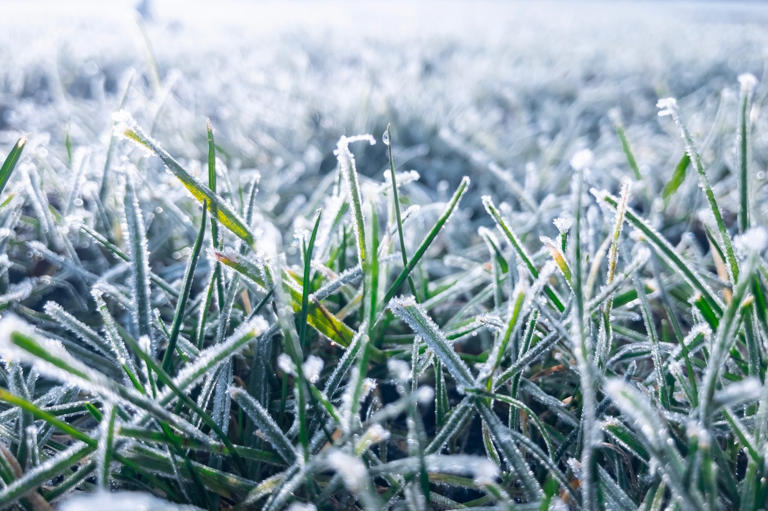
Frost generally does not damage fescue seed. However, young seedlings are more susceptible to frost. Once established, fescue is resilient against cold. Proper care and timing of planting enhance frost resistance. Using mulch can further protect seedlings from frost.
How To Protect Fescue Seed In Winter?
To protect fescue seed in winter, use mulch as a cover. Mulch retains soil warmth and moisture. It also shields seeds from harsh weather. Avoid planting late in the season. Early planting ensures better root establishment before cold hits.
Conclusion
Fescue seed can handle freezing weather better than many grasses. It has natural toughness that helps it survive cold temperatures. Still, planting at the right time improves its chances to grow strong. Protecting young grass from harsh frost also helps.
With care and patience, fescue can thrive through winter months. This makes it a good choice for colder climates. Choose fescue seed if you want grass that stands up to the cold. Your lawn can stay green even after freezing weather ends.