Have you ever wondered if tiny plants like bryophytes can survive when the weather turns dry? These small, green organisms often grow in damp places, so it might seem impossible for them to live without water.
But what if bryophytes have secret tricks to handle dry conditions? Understanding how they cope can change the way you see nature’s resilience. Keep reading to discover the surprising ways bryophytes survive in dry weather—and what that means for your garden, local environment, or even science.

Credit: www.numberanalytics.com
Bryophyte Basics
Bryophytes are small, green plants that often go unnoticed around us. Despite their size, they play a crucial role in many ecosystems. Understanding their basics will help you appreciate how they manage to survive, even in tough conditions like dry weather.
Types Of Bryophytes
There are three main types of bryophytes: mosses, liverworts, and hornworts. Each type has unique features that help it adapt to its environment.
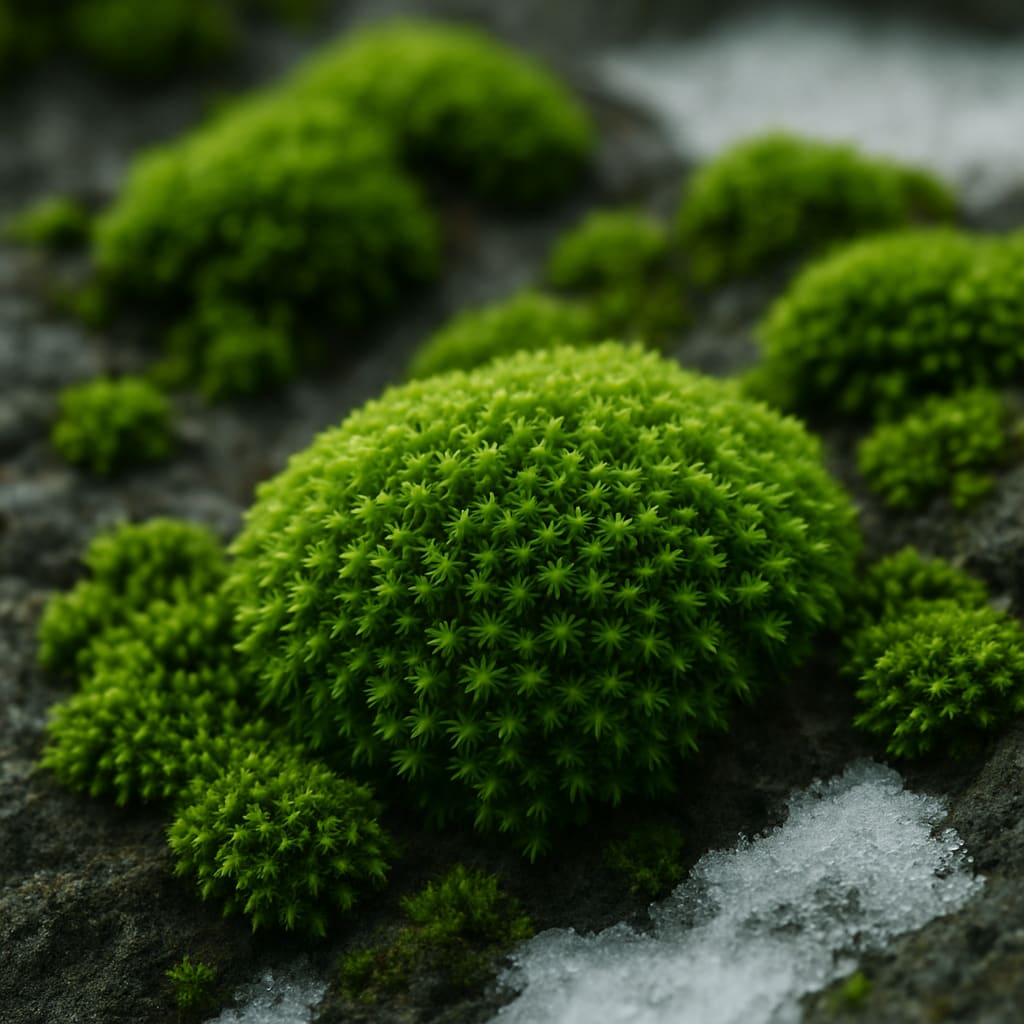
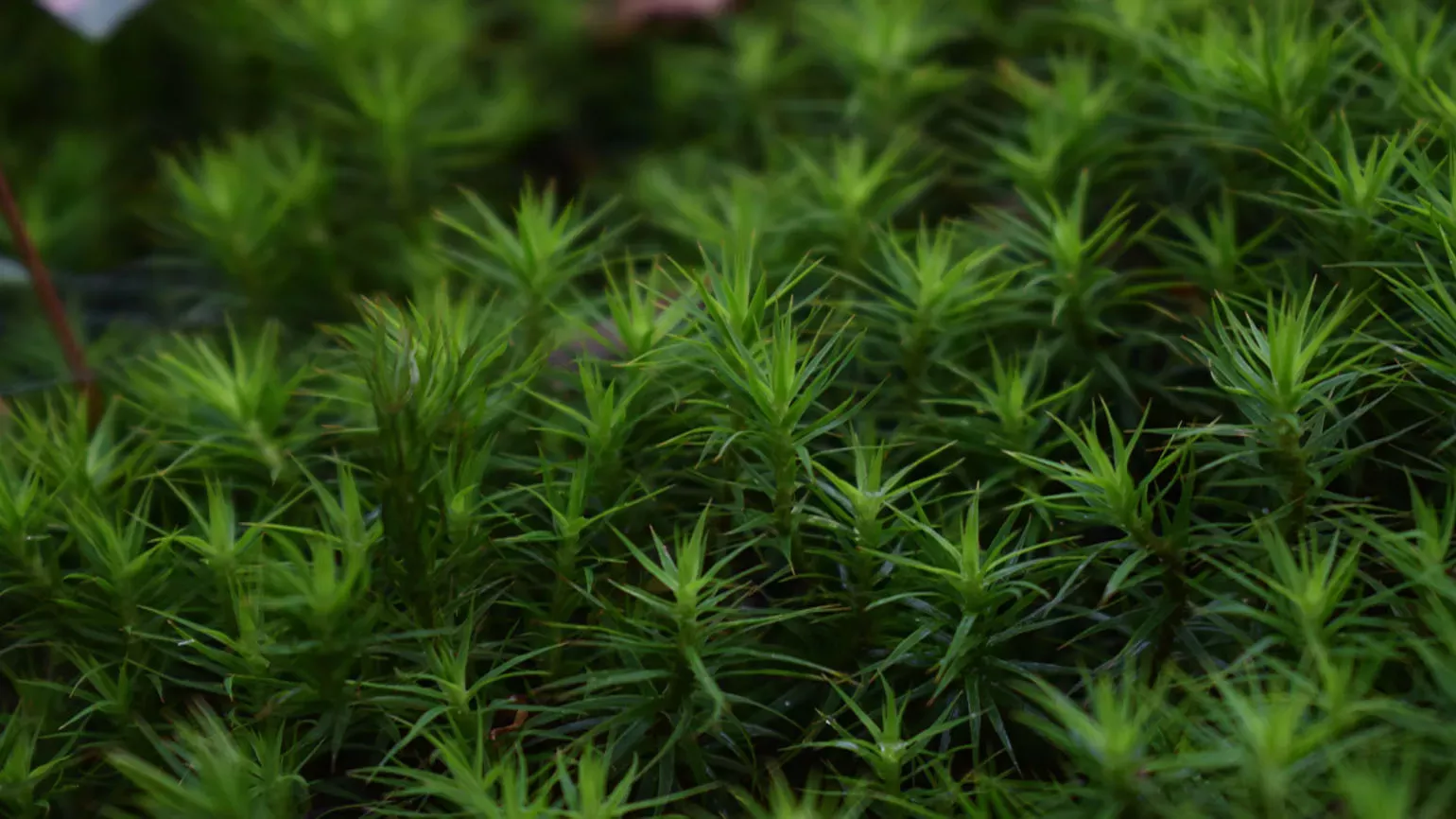
- Mosses:These are the most common and often form soft green mats on soil, rocks, or tree bark.
- Liverworts:Usually found in moist, shaded places, liverworts have flat, leaf-like structures.
- Hornworts:Named for their horn-shaped spore-producing bodies, they prefer damp soils.
Have you ever noticed how these tiny plants appear almost everywhere? Their diversity helps them colonize many different spots.
Typical Habitats
Bryophytes thrive in places with moisture, but they are not limited to wet environments. You’ll find them in forests, wetlands, and even on dry rocks or tree trunks.
- Shady forests with high humidity provide ideal homes for many bryophytes.
- Wetlands offer a constant water supply, supporting lush bryophyte growth.
- Surprisingly, some bryophytes survive on dry, exposed surfaces by entering a dormant state during dry spells.
Imagine walking through a forest and spotting moss on a seemingly dry rock. That’s bryophytes’ resilience at work. How do you think they manage such survival without roots like other plants?

Credit: www.tandfonline.com
Challenges Of Dry Weather
Dry weather poses serious challenges for bryophytes, which thrive in moist environments. These tiny plants rely heavily on water for survival, and a lack of it can threaten their growth and reproduction. Understanding these challenges helps you appreciate why bryophytes are usually found in damp places and what happens to them during droughts.
Water Dependency
Bryophytes don’t have roots like other plants, so they absorb water mainly through their leaves and surface cells. This makes them extremely dependent on the availability of moisture in their surroundings.
Without direct access to water, bryophytes struggle to perform essential functions like photosynthesis and nutrient transport. You might notice how they look dry and brittle during hot, dry spells because they cannot regulate water loss efficiently.
Have you ever tried to keep a sponge wet without dipping it into water? That’s similar to how bryophytes feel in dry weather—they need constant moisture to stay alive.
Effects Of Dehydration
Dehydration affects bryophytes in several damaging ways. When they lose water, their cells shrink and become damaged, leading to reduced growth and even death.
Photosynthesis slows down drastically without enough water, which means bryophytes cannot produce the energy they need. This results in less food production and weaker plants.
Some bryophytes can survive short periods of dryness by entering a dormant state, but prolonged dehydration usually causes permanent damage. If you’ve ever left mossy patches in your garden dry for too long, you might have seen them turn brown and lifeless.
Survival Strategies
Bryophytes have developed clever ways to survive dry weather. These small plants face challenges due to their simple structure and lack of roots. Their survival depends on special strategies that help them endure water loss and revive when moisture returns.
Desiccation Tolerance
Bryophytes can survive extreme drying. They lose almost all their water but do not die. Their cells protect vital parts from damage during dryness. When water returns, they quickly absorb it and restart growth. This ability is rare in plants and helps bryophytes live in tough places.
Dormancy And Reactivation
In dry times, bryophytes enter dormancy. They slow down all processes to save energy. Growth and photosynthesis stop until moisture comes back. Once rain or dew arrives, bryophytes reactivate fast. This quick response helps them take advantage of short wet periods.
Protective Structures
Bryophytes have special structures to protect against dryness. Thick cell walls reduce water loss. Some have hair-like coverings that trap moisture. Others grow in dense mats, keeping humidity inside. These features create a microenvironment that shields them from harsh conditions.
Scientific Discoveries
Scientific discoveries about bryophytes challenge what many assume about their vulnerability to dry weather. These tiny plants, often found in moist environments, have shown surprising abilities to endure harsh, dry conditions. Understanding these findings can change how you view their resilience and adaptability.
Recent Research Findings
Scientists have uncovered key mechanisms that help bryophytes survive drought. Some species enter a state called desiccation tolerance, where they lose almost all water but quickly revive when moisture returns. This ability is linked to special proteins and sugars that protect their cells from damage.
Research also shows bryophytes can adjust their metabolism to slow down during dry periods. This means they use less energy and reduce harmful chemical reactions. Have you ever wondered how something so small manages to “pause” its life processes and then restart?
Case Studies Of Dry Survival
One study observed mosses in desert regions surviving months without rain. These mosses curled up tightly to reduce surface area and protect themselves from drying out further. When rain arrived, they expanded and resumed growth almost immediately.
Another example is liverworts found on rocky, sun-exposed surfaces. Despite intense heat and dryness, they survive by producing protective pigments and forming dense mats that trap moisture. These adaptations show bryophytes are far tougher than they appear.
- Desiccation tolerance proteins shield cell structures.
- Metabolic slowdown limits damage during dry spells.
- Physical changes like curling reduce water loss.
- Protective pigments guard against intense sunlight.
What if you could apply these natural survival strategies to your own challenges? Understanding bryophytes’ toughness might inspire new ways to deal with stress and adversity.
Ecological Impact
Bryophytes might seem delicate, but their ecological impact in dry weather is surprisingly significant. These tiny plants play crucial roles in harsh environments where few others can thrive. Understanding their contributions helps you appreciate their value beyond just surviving.
Role In Arid Ecosystems
Bryophytes act as pioneers in dry, barren lands. They colonize areas with minimal soil, creating microhabitats that support other life forms. Without them, certain ecosystems might struggle to develop or recover after disturbances.
Think about a desert landscape where bryophytes form green patches after rare rains. These patches retain moisture longer than bare ground, offering shelter for insects and small animals. Could your local dry environment benefit from encouraging bryophyte growth?
Contribution To Soil Stability
Soil erosion is a common problem in dry regions. Bryophytes help by binding soil particles together with their rhizoids, reducing wind and water erosion. This natural soil stabilization improves land quality and prevents loss of valuable nutrients.
By holding soil in place, bryophytes also enhance water retention. This creates a better environment for seeds to germinate and for other plants to establish. Have you noticed how areas with bryophyte cover often look healthier and less dusty?
Future Prospects
The future of bryophytes in dry weather holds many questions and possibilities. These small plants have survived for millions of years, often in moist environments. Yet, climate change brings longer dry periods, testing their limits. Understanding their future helps us protect them better and learn from their survival tactics.
Potential For Adaptation
Bryophytes show some ability to adapt to dry conditions. They can enter a dormant state and revive with moisture. Scientists study how they adjust their cells and metabolism to survive droughts. Some species might evolve to tolerate dryness better. This slow adaptation could help them persist despite harsher climates.
Implications For Conservation
Protecting bryophytes requires new strategies in dry areas. Conservation efforts must consider their sensitivity to moisture loss. Preserving habitats with stable humidity is crucial. Creating microhabitats that retain moisture can support their survival. Awareness of their role in ecosystems helps prioritize their protection.
Credit: www.kew.org
Frequently Asked Questions
How Do Bryophytes Adapt To Dry Conditions?
Bryophytes can survive dry weather by going dormant. They have special cells that retain water, allowing them to endure dry periods. Once moisture returns, they quickly rehydrate and resume normal functions. This remarkable ability helps them thrive in various climates, including those with inconsistent rainfall.
Can Bryophytes Grow Without Water?
Bryophytes require water for reproduction and photosynthesis. However, they can survive without it for a period by becoming dormant. Their resilience allows them to endure dry spells, waiting for more favorable conditions. This adaptability makes them unique among plant species.
What Environments Are Best For Bryophytes?
Bryophytes thrive in moist, shaded environments like forests, wetlands, and stream banks. They prefer areas with consistent humidity and low light. However, their adaptability allows them to survive in less ideal conditions, such as rocky surfaces or dry climates, by going dormant during unfavorable periods.
Do Bryophytes Need Sunlight To Survive?
Bryophytes need sunlight for photosynthesis, but they prefer low light conditions. They thrive in shaded environments, like forest floors. Although they can survive in varying light conditions, excessive sunlight can dry them out. Their adaptability allows them to adjust to different levels of light and moisture.
Conclusion
Bryophytes show strong survival skills in dry weather. They can store water and slow down their life processes. This helps them stay alive until rain returns. Their simple structure supports quick recovery after drought. These tiny plants prove nature’s ability to adapt and survive.
Understanding bryophytes helps us learn about plant resilience. Dry weather is tough, but bryophytes manage well. They remind us that even small life forms have great strength.