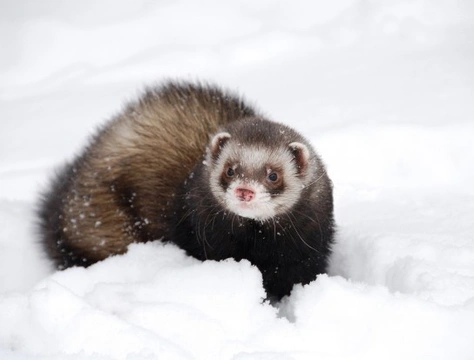
Have you ever wondered if your ferret can handle chilly days and cold nights? If you care about your furry friend, it’s important to know how cold weather affects them.
Ferrets are curious and playful, but cold temperatures can be risky for their health. You’ll discover what happens to ferrets in the cold, how to keep them safe, and simple tips to make sure your pet stays warm and happy all winter long.
Keep reading—your ferret’s comfort might depend on it!

Credit: www.reddit.com
Ferrets And Cold Weather
Ferrets are curious and playful pets that many people adore. But how well do they handle cold weather? Understanding their relationship with chilly temperatures is key to keeping your ferret safe and happy during winter months.
Natural Habitat And Adaptation
Ferrets are domesticated from the European polecat, which naturally lives in temperate environments. These animals are used to moderate climates rather than extreme cold.
Because of this, ferrets do not have thick fur or a layer of fat to protect them from harsh winters like some wild animals. Their bodies are built more for agility and quick movements than for enduring freezing temperatures.
If you’ve ever taken your ferret outside on a cold day, you might have noticed it shivers or tries to find warmth quickly. This behavior shows they are not naturally equipped to survive cold weather for long periods.
Temperature Sensitivity
Ferrets are very sensitive to temperature changes. They thrive best in environments between 60°F and 75°F (15°C to 24°C). When temperatures drop below 50°F (10°C), they can start feeling uncomfortable and at risk.
Cold weather can cause your ferret to become lethargic, lose appetite, or even develop health issues like hypothermia. It’s important to provide warm bedding, cozy blankets, and a sheltered space to protect them from the cold.
Have you noticed your ferret’s behavior change on chilly days? Observing these signs can help you act quickly to keep them warm.
Credit: nationalzoo.si.edu
Risks Of Cold Exposure
Cold weather can be dangerous for ferrets. Their small bodies lose heat quickly, making them vulnerable to cold exposure. Understanding the risks helps you protect your furry friend before it’s too late.
Hypothermia Signs
Hypothermia happens when a ferret’s body temperature drops too low. You might notice your ferret feeling weak or unusually sleepy. Their movements can become slow and clumsy, and they may shiver or have pale gums.
If you see these signs, act fast. Warming your ferret gradually with blankets and a warm room can save their life. Have you ever checked your ferret’s temperature during cold days? It’s a simple step that can prevent serious problems.
Respiratory Issues
Cold air can irritate a ferret’s sensitive respiratory system. Symptoms like coughing, sneezing, or nasal discharge can mean your ferret is struggling to breathe comfortably. These signs often worsen if your ferret stays outside in the cold too long.
Keeping your ferret in a warm, draft-free space helps avoid respiratory problems. Have you noticed your ferret sneezing more in winter? It might be time to improve their living conditions to keep them healthy.
Creating A Warm Environment
Keeping your ferret warm during cold weather is essential for its health and happiness. Creating a cozy and secure environment can make a big difference in how well your pet copes with lower temperatures. Let’s look at practical ways to keep your ferret snug and comfortable inside your home.
Indoor Housing Tips
Choose a cage or enclosure that protects your ferret from drafts. Position it away from windows and doors where cold air might sneak in. A spot near a heater or in a warm room works well.
Cover the cage with a blanket or fleece during chilly nights to trap heat. Just make sure there’s still enough airflow so your ferret can breathe easily. Have you noticed how your ferret curls up tighter when it’s cold? That’s a clear sign they need more warmth.
Bedding And Insulation
Use thick, soft bedding like fleece blankets or towels to provide insulation. Avoid materials that can get damp easily, as moisture can lead to cold and discomfort. Layer the bedding to help trap heat.
Adding a small heating pad designed for pets can be a game-changer, especially if your home gets really cold. Place it under part of the bedding so your ferret can move away if it gets too warm. How much do you think your ferret enjoys burrowing into a pile of warm blankets? They love it, and it keeps them cozy.
Outdoor Safety Measures
Keeping ferrets safe outdoors during cold weather requires careful attention. Their small bodies lose heat quickly. Taking proper safety steps helps prevent illness and discomfort. It also lets ferrets enjoy fresh air without risks. Focus on controlled outdoor time and suitable clothing. These measures protect ferrets from harsh cold and icy winds.
Supervised Outdoor Time
Never leave ferrets alone outside in cold weather. Constant supervision ensures their safety and well-being. Watch for signs of shivering or slow movement. Limit outdoor sessions to short periods. Bring them inside at the first sign of distress. Check the ground for ice or harmful objects. Use a secure harness to prevent escape. Supervision avoids accidents and exposure to extreme cold.
Protective Clothing Options
Ferrets can wear special clothing to stay warm outdoors. Choose soft, snug-fitting sweaters or jackets made for small pets. Avoid tight or heavy fabrics that limit movement. Clothes should cover the body but not the face or legs. Use materials that insulate but allow breathability. Layering thin garments can add extra warmth. Regularly check for wetness or dirt on the clothing. Proper clothing reduces heat loss and keeps ferrets comfortable.
Diet And Hydration In Winter
Ferrets need special care during cold months, especially with food and water. Their bodies burn more energy to stay warm. Proper diet and hydration help them stay healthy and active.
Nutritional Adjustments
Ferrets require more calories in winter. Increase protein and fat in their meals. Good options include high-quality ferret food or raw meat.
Offer small meals several times a day. This keeps their energy steady. Avoid feeding too many carbohydrates; ferrets digest them poorly.
- Boost protein to support muscle and warmth.
- Include healthy fats for extra energy.
- Feed often to maintain energy levels.
Water Temperature Considerations
Cold weather may lower water intake. Ferrets dislike icy or very cold water. Provide fresh, room temperature water daily.
Check water bowls regularly to prevent freezing. Using heated water bowls can help keep water liquid. Hydration is key for digestion and health.
Health Monitoring During Cold Months
Monitoring your ferret’s health during cold months is essential to keep it safe and comfortable. Cold weather can cause stress and illness in ferrets. Early signs of health problems may be subtle. Careful observation and regular health checks help catch issues early. This care ensures your ferret stays happy and active through winter.
Regular Check-ups
Schedule vet visits more often during cold weather. Vets check for respiratory problems and skin issues caused by dry air. Weight and body condition are important to track. A healthy ferret maintains steady weight and shows no signs of lethargy. Vaccinations and parasite control remain critical all year round.
Behavioral Changes To Watch
Notice any changes in how your ferret acts. Reduced activity or hiding more can signal illness. Eating less or drinking more than usual needs attention. Watch for coughing, sneezing, or nasal discharge. Shivering or trembling often means your ferret is too cold. Early detection leads to quick treatment and recovery.
Credit: www.smithsonianmag.com
Frequently Asked Questions
Can Ferrets Handle Cold Weather Naturally?
Ferrets have limited tolerance for cold due to their thin fur. They can handle mild cold but need protection in harsh conditions. Providing warm bedding and shelter is crucial to keep them comfortable and safe during cold weather.
What Temperature Is Too Cold For Ferrets?
Temperatures below 40°F (4°C) can be too cold for ferrets. They risk hypothermia if exposed for long periods. Keeping them indoors with adequate warmth or providing heated shelters is essential to ensure their well-being in colder climates.
How Can I Keep My Ferret Warm?
To keep your ferret warm, provide insulated bedding and a draft-free environment. Use blankets and heating pads designed for pets. Monitor the room temperature, ensuring it’s comfortable. Avoid exposing them to cold drafts or sudden temperature changes.
Do Ferrets Need Extra Food In Winter?
Yes, ferrets may need slightly more food in winter. Their metabolism increases to maintain body heat. Ensure they have a balanced diet with enough protein and fat to support their energy needs during colder months.
Conclusion
Ferrets are sensitive to cold weather and need extra care. Keep them indoors where it is warm and safe. Provide cozy bedding and avoid drafts to keep them comfortable. Watch for signs of cold stress like shivering or lethargy. Regular checks help ensure your ferret stays healthy during winter.
With proper care, ferrets can live happily despite chilly days. Remember, warmth and protection are key to their survival. Small efforts make a big difference for your pet’s well-being. Stay attentive and keep your ferret warm all season long.