Have you ever wondered if those tall, graceful palm trees can handle a sudden drop in temperature? If you live somewhere where winter brings freezing weather, you might be asking yourself: can palm trees survive the cold?
The answer isn’t as simple as yes or no. Understanding how palm trees react to freezing temperatures can help you protect your garden and keep these tropical beauties alive. Keep reading to discover which palm trees are tough enough to brave the cold, and what you can do to help your palms survive freezing weather.
Your green oasis depends on it!
Palm Trees And Cold Weather
Palm trees are often linked to warm, sunny beaches. Their image is of tropical heat and gentle breezes. But some palm species can survive cold weather. Understanding how palm trees handle freezing temperatures helps gardeners protect them in colder areas.
Cold weather can stress palm trees, but some types handle it better. Knowing which palms tolerate cold better helps in choosing the right tree for your climate.
Cold Tolerance Of Different Palm Species
Not all palm trees react the same to cold. Some are hardy and survive frost, while others suffer damage quickly. Here is a list of common palms and their cold tolerance:
- Windmill Palm (Trachycarpus fortunei):Can survive temperatures as low as 5°F (-15°C).
- Needle Palm (Rhapidophyllum hystrix):One of the hardiest, tolerates down to -5°F (-21°C).
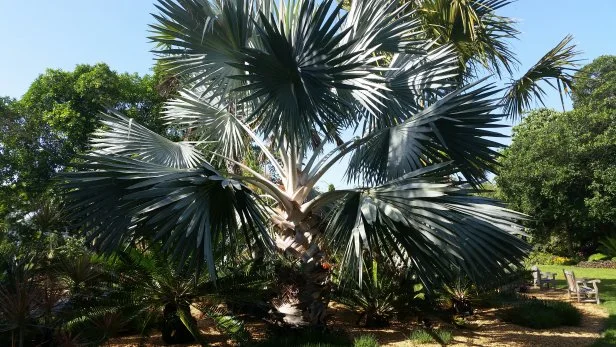
- Bismarck Palm (Bismarckia nobilis):Handles mild frost but struggles below 20°F (-6°C).
- Queen Palm (Syagrus romanzoffiana):Prefers warmth, damage appears near 28°F (-2°C).
- California Fan Palm (Washingtonia filifera):Tolerates brief dips to 20°F (-6°C).
Choosing a cold-hardy palm is key for colder zones.
How Freezing Temperatures Affect Palms
Freezing weather can harm palms in several ways. Ice crystals form inside plant cells, causing damage. This leads to leaf browning and death. The trunk can crack if cold is severe and prolonged.
Young palms and new growth are especially vulnerable. They lack the protection older trees have. Cold stress also weakens palms, making them prone to disease.
Signs of cold damage include:
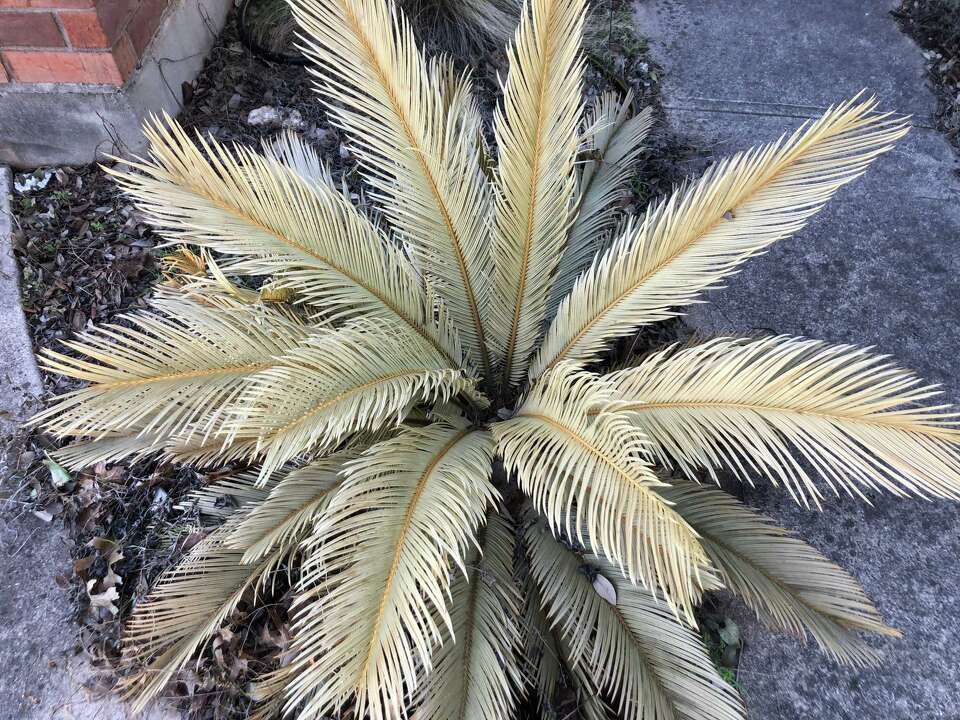
- Browning or blackening leaf tips
- Wilted or drooping fronds
- Soft or mushy trunk areas
- Slow growth after cold spells
Protective measures like covering palms or mulching can reduce damage. Knowing how cold affects palms helps in planning care during winter.

Credit: www.hgtv.com
Signs Of Cold Damage
Cold damage to palm trees can be subtle at first, but recognizing the signs early can save your tree from permanent harm. You might notice changes that seem minor initially, but they can quickly worsen if not addressed. Knowing what to look for helps you act fast and protect your palms before the damage spreads.
Identifying Frostbite On Leaves
Frostbite often shows up as darkened or blackened leaf tips and edges. The leaves may feel dry and brittle, almost like paper. Sometimes, you’ll see a water-soaked appearance before the leaves turn brown.
Check the undersides of the leaves too—discoloration there can be a sign of frostbite. If your palm leaves curl or droop unusually, it’s another red flag. Have you noticed your palm’s leaves losing their vibrant green after a cold snap?
Trunk And Root Damage Symptoms
Damage to the trunk can be harder to spot but look for soft, mushy spots or cracks in the bark. These areas might ooze a dark liquid or show signs of rot. If the trunk feels unusually weak or spongy, the cold could have compromised its health.
Roots affected by freezing temperatures might not be visible, but your palm can show signs through slow growth or yellowing leaves. If you see persistent wilting even after watering, root damage could be the culprit. Consider gently digging around the base to check for firm, healthy roots versus mushy or blackened ones.
Preparing Palms For Winter
Preparing palm trees for winter is crucial for their survival in freezing weather. Palms are tropical plants but some can handle cold better than others. Taking the right steps before frost helps reduce damage and keeps palms healthy. Understanding the types of palms and how to care for soil and water sets a strong foundation for winter protection.
Choosing Cold-hardy Varieties
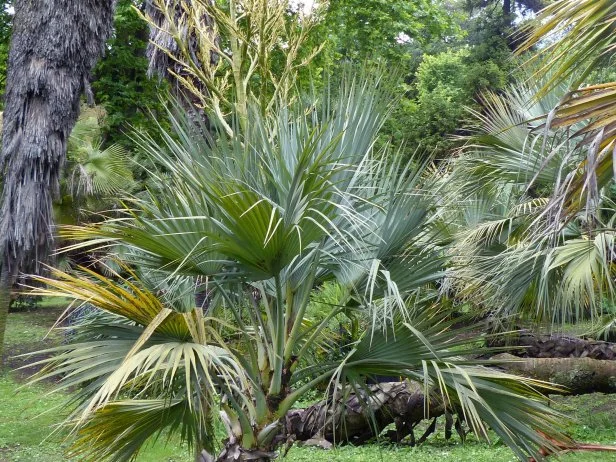
Not all palms can survive freezing temperatures. Cold-hardy varieties have adapted to withstand frost and light freezes. Examples include the Windmill Palm, Needle Palm, and Sabal Palm. These palms have thicker leaves and tougher fibers. They need less protection compared to tropical palms. Selecting these types gives your garden a better chance to thrive in cold climates. Planting cold-hardy palms is a smart way to prepare for winter.
Soil And Water Management Before Frost
Healthy soil helps palms resist cold stress. Proper water management is key before winter arrives. Water palms deeply a few days before frost. Moist soil holds heat longer than dry soil. Avoid overwatering, which can cause root rot in cold conditions. Mulch around the base with organic material like straw or wood chips. Mulch keeps soil temperature stable and protects roots. Well-prepared soil and proper watering improve palm survival during freezing weather.
Protective Measures During Freezing
Protecting palm trees during freezing weather demands attention and timely action. These tropical beauties are not built for cold, but with the right care, you can help them endure frost and icy nights. Let’s look at practical ways to shield your palms from freezing temperatures.
Covering Techniques For Palms
Covering your palm tree is one of the simplest and most effective ways to protect it. Use breathable materials like frost cloths, bed sheets, or burlap to trap heat while allowing moisture to escape. Avoid plastic covers unless you can remove them during the day to prevent overheating under the sun.
Wrap the cover from the top down, securing it around the trunk and base with ropes or stakes. If your palm is tall, focus on protecting the crown and new fronds since these are the most vulnerable parts. Have you ever noticed how a little extra warmth around the crown can save a palm’s life?
Using Heat Sources Safely
Adding warmth can make a big difference, but it must be done carefully. Stringing up outdoor-rated Christmas lights inside the cover around the trunk or crown provides gentle heat without damaging the tree. Avoid using open flames or unprotected heaters, which can cause fires or burn the fronds.
Always check that electrical cords and lights are rated for outdoor use and keep them away from moisture. A simple heat source can raise the temperature enough to prevent ice crystals from forming, but have you tested your setup to ensure it’s safe and effective before the cold hits?
Mulching And Insulation Tips
Don’t forget the ground—mulching is key to protecting palm roots from freezing soil. Apply a thick layer of organic mulch such as wood chips, straw, or shredded bark around the base of the palm, extending several feet outward. This insulation helps retain soil warmth and moisture.
Keep the mulch a few inches away from the trunk to prevent rot and pests. Have you tried combining mulching with covering? Together, these methods create a microclimate that can significantly improve your palm’s chances against freezing weather.
Post-freeze Care
After a freeze, palm trees need special care to recover well. Cold damage can harm leaves, stems, and roots. Quick attention helps palms regain strength and stay healthy. Follow simple steps to check and support your palm’s recovery.
Assessing Damage After Frost
Check your palm carefully once the frost melts. Look for black or brown spots on leaves. Wilted or soft stems also show damage. Note which parts of the palm are affected. This helps decide the right care steps. Avoid touching damaged areas too much to prevent extra harm.
Pruning And Recovery Strategies
Remove dead or badly damaged leaves with clean tools. Cut back only what is clearly lifeless. Leave leaves that show some green to help the tree heal. Avoid heavy pruning until new growth appears. Keep the palm’s base clear of debris. Provide shade if sunlight is too strong after frost.
Fertilizing To Promote Growth
Use a balanced palm fertilizer to boost recovery. Apply it after pruning and damage assessment. Follow package instructions for the right amount and timing. Fertilizer helps roots repair and new leaves form. Water the palm well after fertilizing. Avoid overfeeding, which can stress the tree.
Credit: www.hgtv.com
Long-term Survival Strategies
Protecting palm trees from freezing weather requires careful planning and ongoing care. Long-term survival depends on smart choices and consistent efforts. These strategies help palms endure cold seasons and grow strong year after year.
Selecting Planting Locations
Choosing the right spot is crucial for palm tree survival. Plant palms in areas with good sunlight and shelter from strong winds. South-facing walls or near buildings can offer extra warmth. Avoid low spots where cold air collects. Proper location reduces frost damage and improves growth.
Microclimate Creation
Create a warmer microclimate around palms using natural and man-made elements. Use rocks or walls to absorb heat during the day and release it at night. Plant shrubs nearby to block cold winds. Mulch around the base to keep roots insulated. These small changes protect palms from sudden temperature drops.
Regular Maintenance For Cold Resistance
Keep palms healthy with regular care to boost cold resistance. Water trees deeply but avoid waterlogging. Prune dead or weak fronds to prevent disease. Fertilize with balanced nutrients to strengthen growth. Check for pests and treat early. Healthy palms recover better from cold stress and last longer.
Credit: www.hgtv.com
Frequently Asked Questions
Can Palm Trees Tolerate Freezing Temperatures?
Palm trees generally struggle in freezing temperatures. Many species are tropical and can’t handle frost. However, some cold-hardy varieties, like the Windmill Palm, can survive brief freezes. It’s crucial to protect them with mulch or wraps during cold snaps to prevent damage.
How To Protect Palm Trees From Frost?
To protect palm trees from frost, wrap their trunks with burlap or frost cloth. Use mulch around the base to insulate roots. Watering before a freeze can also help by retaining heat. For smaller palms, consider using frost blankets or covers.
Which Palm Trees Are Cold-hardy?
Certain palm trees, like the Windmill Palm and Needle Palm, are cold-hardy. They can withstand temperatures as low as 5°F. These species are suitable for colder climates and offer a tropical look without succumbing to frost damage.
What Happens To Palm Trees In Freezing Weather?
In freezing weather, palm trees may suffer frost damage. Leaves might brown or die, and growth can be stunted. Prolonged exposure can kill the tree. It’s essential to provide frost protection to ensure their survival and continued growth.
Conclusion
Palm trees can survive cold, but not extreme freezing. Some types handle cold better than others. Protecting palms during frost helps them stay healthy. Covering and watering palms before cold snaps works well. Choose cold-hardy species for colder climates. Watch for signs of frost damage to act quickly.
With care, palms can thrive despite chilly weather. Growing palms in cold areas takes effort and attention. Still, the beauty of palms is worth the challenge.