Are you wondering if your cockatiel can handle those warm, 80-degree days? Keeping your feathered friend safe and comfortable is probably one of your top concerns.
You might be asking yourself, “Is this temperature too hot for my bird? ” or “What signs should I watch for to know if my cockatiel is struggling? ” Understanding how your cockatiel reacts to heat can make all the difference in keeping them healthy and happy.
Keep reading, and you’ll discover essential tips and facts that every cockatiel owner needs to know when the temperature rises.

Credit: www.talkcockatiels.com
Cockatiels And Temperature Tolerance
Cockatiels are native to Australia’s dry and warm climates. Their bodies adapt well to a range of temperatures. Understanding their temperature tolerance helps keep them safe and healthy. Birds can handle some heat but have limits. Knowing these limits ensures their comfort and prevents stress.
Ideal Temperature Range
Cockatiels thrive in temperatures between 65°F and 80°F. This range keeps their bodies stable and supports normal behavior. Temperatures below 50°F can cause them to shiver and use extra energy to stay warm. Above 85°F, they may start to feel uncomfortable and stressed.
At around 80°F, cockatiels usually do well if they have shade and water. It is important to avoid sudden temperature changes. Consistency helps keep their immune system strong. Owners should watch for signs of overheating or cold stress.
Effects Of Heat On Cockatiels
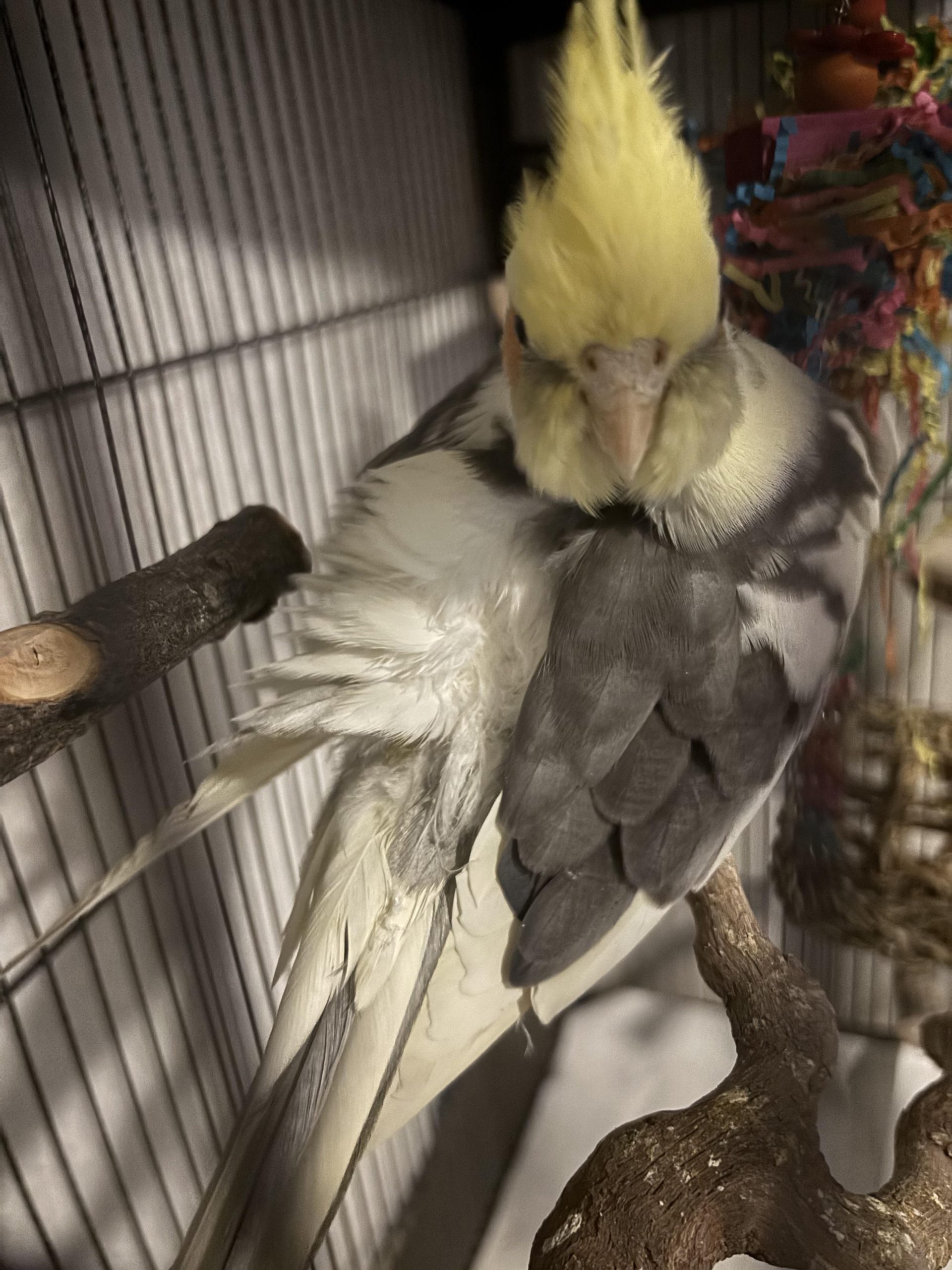
Heat can cause rapid breathing and panting in cockatiels. This is their way to cool down. Excessive heat may lead to dehydration and heatstroke. Cockatiels may become less active and lose their appetite. Their feathers might appear fluffed to release heat.
Providing cool water and shaded areas is vital during hot days. Avoid placing cages in direct sunlight. Fans or air conditioning can help keep the air fresh. Overheating can be dangerous and requires immediate care.

Credit: www.reddit.com
Signs Of Heat Stress
Recognizing the signs of heat stress in your cockatiel is crucial, especially during hot weather like 80 degrees Fahrenheit. Birds can’t sweat like humans do, so they rely on other ways to cool down. If you notice any unusual behavior or physical changes, it might be your bird’s way of telling you it’s too hot.
Behavioral Changes
Your cockatiel may act differently when it’s feeling too warm. You might see them sitting with their wings slightly spread, trying to catch more air. They could also become less active or stop singing and playing, which is unusual if your bird is normally lively.
Another sign is panting, where your bird opens its beak and breathes rapidly. This is a clear signal that your cockatiel is struggling to cool down. Have you noticed your bird doing this? If so, it’s time to take action to help them cool off.
Physical Symptoms
Look for physical signs like fluffed-up feathers, which can indicate discomfort. Your cockatiel might also have bright red or pale skin around their eyes and beak. These changes show your bird is under stress from the heat.
In severe cases, you might see your cockatiel wobbling or having trouble standing. This is serious and means your bird needs immediate cooling and possibly veterinary care. Paying close attention to these signs can save your pet from harm.
Keeping Cockatiels Comfortable At 80 Degrees
Keeping your cockatiel comfortable at 80 degrees requires careful attention to their environment. While this temperature is generally safe, it can still cause stress if your bird lacks the right conditions. Small changes in how you set up their space can make a big difference in their well-being.
Providing Adequate Shade
Cockatiels need spots where they can escape direct sunlight. Too much sun exposure can cause overheating and dehydration.
Place their cage near a shaded area or create shade with light curtains or plants. You might notice your bird naturally seeking out these cooler spots—this is a sign they need relief from the heat.
Ensuring Fresh Water Availability
Water is vital, especially at 80 degrees when your cockatiel can lose moisture quickly. Always provide fresh, clean water and change it multiple times a day.
Keep an extra bowl nearby or use a water bottle to make sure your bird stays hydrated. Have you ever seen how eagerly your cockatiel drinks when it’s hot? That’s your cue to keep water plentiful.
Ventilation And Airflow Tips
Good airflow helps regulate temperature and keeps your cockatiel comfortable. Avoid placing their cage in direct drafts but ensure the room has gentle circulation.
Use fans on low settings or open windows with screens to improve ventilation. Watch how your bird reacts—if they fluff their feathers or pant, it might mean the air isn’t moving enough or is too strong.

Credit: birdsupplies.com
Diet Adjustments For Warmer Weather
As temperatures rise, cockatiels need changes in their diet to stay healthy and cool. Warmer weather can affect their hydration and energy needs. Proper diet adjustments help prevent heat stress and keep them active.
Providing the right foods supports their wellbeing during hot days. Focus on offering hydrating and light options. Avoid foods that may increase body heat or cause discomfort.
Hydrating Foods
Water-rich foods help cockatiels stay hydrated naturally. Fresh fruits and vegetables are excellent choices. They add moisture to the diet and provide essential vitamins.
- Cucumber slices
- Watermelon pieces
- Leafy greens like spinach and kale
- Bell peppers
- Carrot sticks
Offer these foods fresh and in small portions. Remove leftovers to avoid spoilage. Hydrating foods support their water intake and cool their bodies.
Avoiding Heat-inducing Treats
Some treats can raise a cockatiel’s body temperature. Avoid heavy, oily seeds and fried snacks. These can cause overheating and digestive issues.
- Limit sunflower seeds and peanuts
- Skip fried or salted snacks
- Reduce high-fat treats during hot days
Choose lighter, natural options to keep your bird comfortable. A balanced diet reduces heat stress risks and promotes health.
Safe Cooling Methods
Keeping your cockatiel comfortable in 80-degree weather means using safe cooling methods that don’t stress your bird. Heat can affect their health, so it’s important to help them stay cool without causing shock or discomfort. You can create a cozy environment that mimics natural conditions and keeps your feathered friend happy.
Misting Techniques
Misting your cockatiel lightly with water can help lower their body temperature. Use a spray bottle with fine mist and spray from a distance to avoid drenching them. Pay attention to their reaction—some birds enjoy it, while others may get nervous.
Try misting during the cooler parts of the day, like early morning or late afternoon, to prevent chilling. You can also place a shallow dish of water nearby so your cockatiel can bathe whenever it wants. This mimics natural behavior and supports their comfort.
Using Fans And Cooling Devices
Fans can be a great way to circulate air and cool down your cockatiel’s space, but keep them at a safe distance. Direct airflow can cause drafts, which might stress your bird or lead to respiratory problems.
Consider using oscillating fans that move air gently and don’t blow directly on your pet. Another option is an air conditioner set to a comfortable temperature, but always monitor your bird for signs of discomfort.
Have you noticed how your cockatiel reacts to different cooling devices? Observing their behavior helps you choose the safest and most effective method for your home.
When To Seek Veterinary Help
Knowing when to seek veterinary help for your cockatiel in 80 degree weather can save your bird’s life. Heat stress can quickly become dangerous if not addressed. Being aware of warning signs and acting fast is essential to keep your pet safe.
Recognizing Severe Heat Issues
Watch for heavy panting or open-mouth breathing, which means your cockatiel is struggling to cool down. Lethargy or weakness can indicate that the heat is overwhelming your bird’s system. Look for drooping wings, fluffed feathers, or unusual behavior like confusion or stumbling.
If your cockatiel stops eating or drinking, this is a serious sign that heat is affecting its health. You might notice excessive thirst or even vomiting. These symptoms show that your bird needs medical attention immediately.
Emergency Care Steps
If you see any severe heat symptoms, act quickly. Move your cockatiel to a cooler, shaded area with good airflow. Gently mist your bird with lukewarm water to help lower its temperature, but avoid cold water as it can cause shock.
- Offer fresh, cool water but don’t force your bird to drink.
- Use a fan to circulate air, but avoid direct drafts.
- Contact your avian vet right away for advice and possible emergency treatment.
Remember, your quick response can make all the difference. Have you ever noticed subtle signs of heat stress before it became serious? Staying alert is your best defense.
Frequently Asked Questions
Can Cockatiels Handle 80 Degree Weather?
Cockatiels can handle 80-degree weather quite well. They originate from warm climates, making them adaptable. However, ensure they have shade and water. Always monitor them for signs of overheating. Adequate ventilation is crucial for their comfort and health in warm temperatures.
What Are Signs Of Overheating In Cockatiels?
Signs of overheating include panting, holding wings away from the body, and lethargy. Ensure they have access to fresh water. If you notice these signs, move them to a cooler area immediately. Providing a fan or misting them lightly can help reduce their body temperature.
How Can I Keep My Cockatiel Cool?
Keep your cockatiel cool by providing shade and ample fresh water. Consider using a fan to improve air circulation. Misting them lightly with water can help too. Ensure their cage is not directly under sunlight. These steps will help maintain a comfortable environment for your pet.
Is 80 Degrees Too Hot For Indoor Cockatiels?
80 degrees is generally safe for indoor cockatiels. Ensure their environment is well-ventilated and not stuffy. Provide access to water and shade. Monitor them for any signs of distress. If the temperature rises, take additional steps to cool them down and ensure their comfort.
Conclusion
Cockatiels can handle 80-degree weather with proper care. Keep them hydrated and provide shade to avoid heat stress. Watch for signs of discomfort or overheating. A cool, ventilated space helps them stay comfortable. Remember, sudden temperature changes can be risky for your bird.
Regular monitoring ensures your cockatiel stays healthy and happy. Warm days are fine, but always prioritize their safety. Small steps make a big difference in their well-being. Caring for your cockatiel means paying attention to their needs every day.