Have you ever wondered if the coronavirus can survive when the temperature drops? As the cold weather sets in, you might worry about how safe you really are.
Understanding how the virus behaves in chilly conditions can help you protect yourself and your loved ones better. You’ll discover the truth behind the virus’s survival in cold weather and learn practical tips to stay safe no matter the season.
Keep reading—your health depends on it.
Credit: www.goodrx.com
Corona Virus And Temperature
Understanding how the coronavirus reacts to different temperatures can help you take smarter precautions. Temperature plays a role in the virus’s ability to survive on surfaces and in the air, but it’s not the whole story. Let’s break down what happens to the virus in cold and warm conditions so you can better protect yourself and your loved ones.
Virus Stability In Cold
The coronavirus tends to remain more stable in cold environments. Lower temperatures slow down the breakdown of the virus’s outer layer, allowing it to survive longer on surfaces like metal, plastic, and fabric.
This means that in cold weather, the virus can stay infectious for hours or even days. Have you noticed how flu seasons often peak in winter? The coronavirus behaves similarly, which might explain why cases can rise when it’s cold.
Effect Of Heat On Virus
Heat works against the coronavirus by damaging its structure. When temperatures rise above 30°C (86°F), the virus’s survival time shortens dramatically.
Sunlight also adds a layer of protection because UV rays help break down the virus. If you spend time outdoors on a sunny day, the risk of surface transmission decreases. Still, don’t let this make you careless—hand hygiene remains critical.
Comparing Cold And Warm Climates
Cold climates favor longer virus survival, while warm climates reduce its lifespan. However, warm weather doesn’t stop the virus from spreading—people’s behavior matters a lot more.
- In cold places, people stay indoors more, increasing close contact and risk.
- Warm climates encourage outdoor activities, which reduce transmission chances.
- Humidity also influences virus spread but in complex ways.
So, are you adjusting your habits based on the weather? Recognizing these factors can help you decide when to be extra cautious and when you might have a little more room to breathe.
Scientific Studies On Corona In Cold
Understanding how the coronavirus behaves in cold weather is crucial for your safety and daily decisions. Scientific studies have examined this from different angles, revealing insights that can help you stay informed during colder seasons. Let’s look at what lab experiments, real-world data, and research limitations tell us about the virus’s survival in cold conditions.
Lab Experiments Results
Laboratory tests show that the coronavirus can survive longer on surfaces at lower temperatures. For instance, the virus remains stable for days when kept at 4°C (39°F), much longer than at room temperature.
However, these controlled settings don’t perfectly mimic real-life situations. Factors like sunlight, humidity, and air circulation also affect how long the virus stays active outdoors or indoors.
Epidemiological Data Insights
Tracking infection rates during different seasons gives clues about the virus’s behavior in cold weather. Some regions see spikes in cases during winter, which might suggest the virus spreads more easily when it’s cold.
Still, colder months mean people spend more time indoors in close contact, which also helps the virus spread. So, does cold weather itself increase virus survival, or is it how we behave in the cold?
Limitations Of Current Research
Many studies focus on isolated conditions that don’t reflect daily life. This makes it hard to predict exactly how cold weather impacts virus transmission.
Also, new virus variants and changing human habits constantly affect outcomes. Scientists need more data before giving definitive answers about coronavirus survival in cold weather.
Common Myths About Cold Weather And Corona
There are many ideas floating around about how cold weather affects the coronavirus. Some of these beliefs are based on assumptions rather than facts. It’s important to separate what’s true from what’s not so you can protect yourself better.
Cold Weather Kills Virus
Many people think cold weather kills the coronavirus. The truth is, the virus can survive in cold temperatures for a long time. Cold weather may slow down some viruses, but it doesn’t destroy the coronavirus.
Think about your own experience with colds or flu—they often spread more in winter, not less. So relying on cold weather alone to stop the virus is risky and misleading.
Warm Weather Prevents Spread
Some believe that warm weather will stop the spread of COVID-19. But the virus has spread in hot countries just as much as in cooler ones. Temperature alone doesn’t control how the virus moves between people.
What really matters is how closely you interact with others and whether you take precautions like wearing masks and keeping your hands clean. So don’t let warm weather make you careless.
Seasonal Patterns Explained
Viruses like the flu tend to have seasonal patterns, often peaking in colder months. But COVID-19 isn’t behaving exactly like the flu. Its spread depends more on human behavior than on the season.
During colder months, people stay indoors more, which can increase transmission. This means the season itself isn’t the cause—it’s what you do during the season that matters.
Are you paying attention to your habits, or just hoping the weather will protect you? Your actions make the biggest difference.

Credit: www.goodrx.com
Virus Transmission In Cold Conditions
Virus transmission changes with cold weather. The coronavirus can spread more easily in cold conditions. Lower temperatures affect how the virus moves and how people behave.
Cold weather makes people stay indoors. This helps the virus find new hosts quickly. Understanding these changes helps reduce the spread.
Indoor Gathering Risks
People spend more time inside during cold months. Crowded indoor spaces increase virus spread. Poor ventilation traps viral particles in the air.
Close contact with others raises infection chances. Shared surfaces in homes and public places also spread the virus. Avoiding large gatherings indoors helps lower risks.
Impact Of Humidity Levels
Dry air in cold weather helps the virus survive longer. Low humidity causes droplets to stay airborne for hours. This increases the chance of inhaling the virus.
Higher humidity can reduce virus spread by making droplets fall faster. Using humidifiers indoors may help maintain safe moisture levels.
Role Of Immune System In Winter
Cold weather weakens the immune system. Less sunlight means lower vitamin D levels, which affects immunity. The body becomes less able to fight off infections.
Dry, cold air also dries out mucous membranes. This reduces the body’s natural defense in the nose and throat. Staying warm and healthy supports a strong immune response.
Preventive Measures In Cold Weather
Cold weather often makes us wonder if viruses like coronavirus can survive longer and how we can protect ourselves better. The truth is, the virus’s ability to live on surfaces or in the air can be influenced by temperature and humidity. So, your preventive actions during chilly months need to be sharp and consistent to keep you safe.
Effective Hygiene Practices
Keeping your hands clean is your first defense. Wash your hands regularly with soap and water for at least 20 seconds, especially after being in public places or touching surfaces.
If soap isn’t available, use a hand sanitizer with at least 60% alcohol. Avoid touching your face, especially your eyes, nose, and mouth, since the virus can enter your body this way.
Also, clean and disinfect frequently touched objects and surfaces daily. Think about your phone, door handles, and keyboards—they can harbor germs longer in cold, dry air.
Importance Of Ventilation
Staying indoors more in cold weather means viruses can build up in the air you breathe. Open windows and doors when possible to let fresh air circulate, even if it’s chilly outside.
If opening windows isn’t an option, use air purifiers or ventilation systems to reduce airborne virus particles. You might feel the cold, but fresh air can lower the risk of infection dramatically.
Have you noticed how stuffy rooms often make you feel uncomfortable? That’s a sign to improve airflow and keep virus particles from hanging around.
Vaccination And Cold Seasons
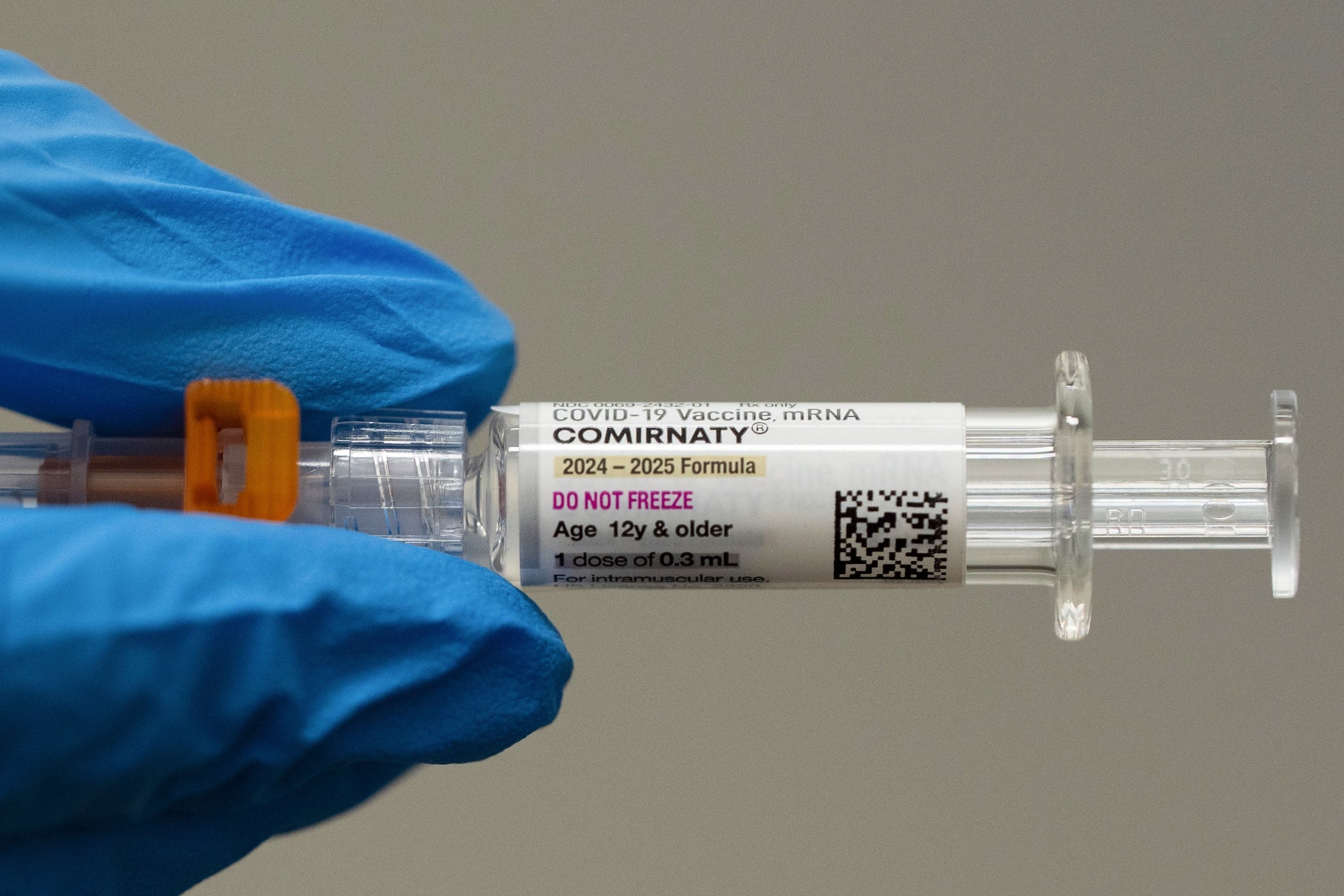
Vaccines remain a powerful tool against coronavirus, especially during cold seasons when respiratory illnesses spike. Staying up to date with your COVID-19 shots can reduce your chances of severe illness.
Flu season overlaps with colder months, so consider getting a flu shot too. Protecting yourself from multiple viruses lessens the burden on your immune system.
Think about how you prepare your home for winter—wouldn’t it make sense to prepare your body in the same way for cold weather illnesses?
Global Patterns And Future Outlook
The global spread of the coronavirus has shown us that weather alone doesn’t dictate its survival or transmission. Understanding patterns across regions and how future climate shifts might influence the virus can help you stay ahead. Let’s look at what current trends reveal and how you can prepare for seasonal changes that affect your health and safety.
Corona Trends In Different Regions
Corona cases have fluctuated widely around the world, with some cold regions experiencing severe outbreaks while others saw fewer cases. For example, countries like Canada and Russia faced winter spikes, but tropical nations also reported significant numbers during their rainy seasons. This shows that factors such as population density, indoor gatherings, and healthcare infrastructure play crucial roles alongside weather.
Have you noticed how your local infection rates change with the seasons? Tracking these trends helps you understand your own risk and adjust your behavior accordingly.
Potential Impact Of Climate Change
Climate change is shifting weather patterns, causing unusual temperature swings and extreme events. These changes may alter when and how viruses like corona spread. Warmer winters or unpredictable cold snaps can affect virus survival outside the human body and influence how people interact indoors.
Think about how rising temperatures might affect your usual winter habits. Could altered weather patterns increase your exposure risk? Staying informed about climate trends can guide you in making smarter health choices.
Preparing For Seasonal Variations
Seasonal shifts can influence virus survival and human behavior, both critical for managing COVID-19 risk. During colder months, people spend more time indoors, increasing transmission opportunities. You can reduce risk by improving ventilation, using masks in crowded spaces, and staying up to date on vaccinations.
Planning ahead for these seasonal changes means more than just dressing warmly. It means adjusting your routines to protect yourself and others. Are you ready to adapt your habits as the seasons change?

Credit: www.santacruzcountyaz.gov
Frequently Asked Questions
Can Covid-19 Survive In Cold Temperatures?
Yes, COVID-19 can survive in cold temperatures. Cold weather does not kill the virus. The virus can spread regardless of weather conditions. It is essential to follow preventive measures like wearing masks and hand hygiene.
Is Cold Weather More Conducive To Virus Spread?
Cold weather can increase the spread of viruses. People tend to stay indoors, which facilitates transmission. The virus can survive longer on surfaces in colder conditions. It’s crucial to maintain social distancing and proper ventilation indoors.
How Does Cold Affect Covid-19 Transmission?
Cold weather can enhance COVID-19 transmission by keeping people indoors. Indoors, the virus spreads more easily. Cold air may also dry out mucous membranes, making infection more likely. Regular hand washing and mask-wearing are vital preventive measures.
Does Freezing Kill The Coronavirus?
Freezing does not kill the coronavirus. It can remain active at freezing temperatures. The virus’s structure remains intact in cold conditions. Regular cleaning and disinfecting of surfaces are essential to prevent infection.
Conclusion
Cold weather does not stop the coronavirus from spreading. The virus can live on surfaces and in the air for hours. Staying warm alone won’t keep you safe. Wearing masks and washing hands remain very important. Keep distance from others to reduce risk.
The virus spreads anytime people gather close. Protect yourself and others every day. Stay informed and follow health advice carefully. Safety depends on actions, not just weather.