Have you ever wondered if fleas can hide out in your car during cold weather? You might think chilly temperatures would keep these pests away, but the truth might surprise you.
If you’re worried about bringing fleas into your home or just want to protect your vehicle, understanding how fleas survive in cold conditions is key. Keep reading to find out what happens to fleas in your car when the temperature drops—and what you can do to stop them for good.
Flea Biology And Cold Resistance
Understanding flea biology and their resistance to cold is key to knowing if these pests can survive in your car during chilly weather. Fleas are tiny but tough creatures, with survival strategies that help them endure temperature changes. By learning how fleas live and adapt, you can better protect your vehicle and yourself from unwanted infestations.
Flea Life Cycle
Fleas go through four main stages: egg, larva, pupa, and adult. Each stage reacts differently to environmental conditions. For instance, eggs and larvae are more vulnerable to cold, while pupae can remain dormant for months until conditions improve.
Adult fleas seek warm-blooded hosts to feed on, which is why they often hide in places where pets rest. Without a host, they struggle to survive long. This cycle means that even if your car gets cold, some flea stages might still hold on, waiting for warmth.
How Fleas Handle Temperature Changes
Fleas are sensitive to extreme cold but have ways to cope. They can enter a state similar to hibernation, slowing down their metabolism to survive colder periods. This means they don’t die immediately when temperatures drop.
However, prolonged exposure to freezing temperatures usually kills most fleas. In a car, temperatures can vary a lot—sunlight can warm the interior during the day, allowing fleas to stay active. At night, the cold may slow them, but not necessarily eliminate them.
Have you noticed your pet scratching more after a road trip in winter? This could mean fleas survived despite the cold. To prevent this, regularly clean your car’s interior and use flea treatments for your pets before travel.
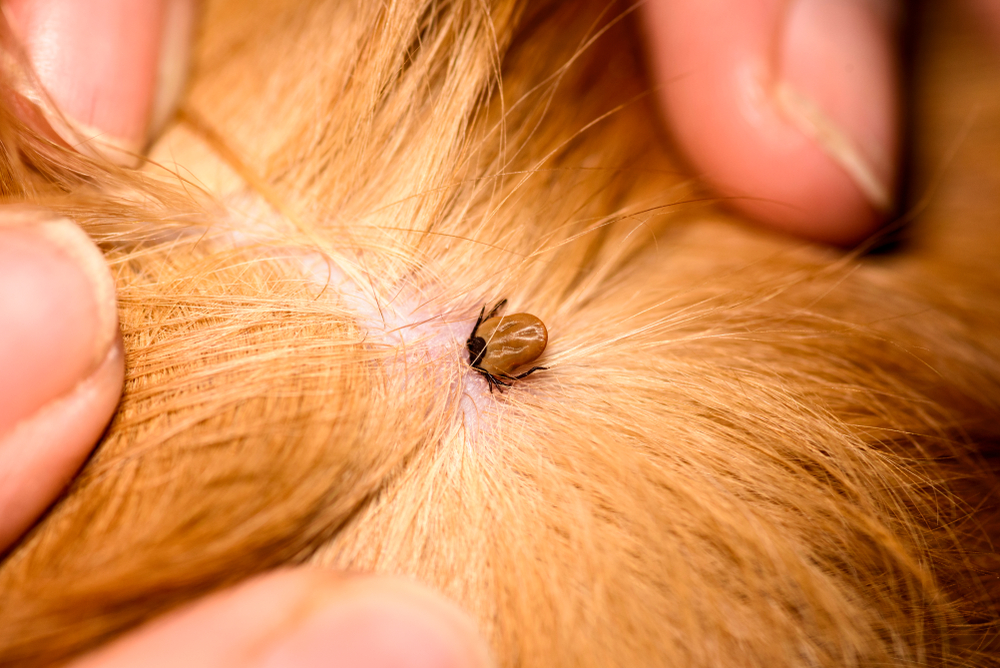
Credit: williamsburgsahosp.com
Temperature Inside A Car During Winter
The temperature inside a car during winter can be quite different from the outside air. Cars act like small greenhouses, trapping heat when the sun shines. This creates a warmer environment inside compared to the freezing cold outside. Understanding this temperature difference helps to know if fleas can survive in a car during winter.
Car Interior Vs Outside Cold
The temperature outside a car can drop below freezing, often reaching 20°F (-6°C) or lower. Inside the car, temperatures usually stay higher, especially in daylight. Sunlight passes through windows and heats the interior surfaces. These surfaces then release warmth slowly, keeping the car warmer.
At night or in cloudy weather, the car’s interior temperature can fall closer to outside temperatures. However, during daytime, the inside can be 10 to 30 degrees warmer than outside. This difference can help fleas survive cold weather inside a vehicle.
Factors Affecting Car Temperature
- Sunlight Exposure:Cars parked in direct sunlight warm up more than shaded cars.
- Car Color:Dark-colored cars absorb more heat than light-colored ones.
- Window Tint:Tinted windows reduce heat loss but also reduce heat gain.
- Ventilation:Cracked windows or open vents can lower interior temperature.
- Outside Temperature:Extremely cold weather limits how warm the interior can get.
Can Fleas Survive Cold In Cars?
Fleas are tiny pests that can hide in many places, including cars. Cold weather affects their survival, but cars offer a unique environment. Understanding if fleas can survive cold in cars helps with pest control and keeping your vehicle clean.
Survival Thresholds For Fleas
Fleas struggle to survive in temperatures below 46°F (8°C). Their eggs and larvae die quickly in freezing conditions. Adult fleas can endure short periods of cold but not extreme or long-lasting cold.
Inside cars, temperatures can vary. Fleas may survive if the car is warm or parked indoors. Cold weather outside does not always mean the car’s interior is cold enough to kill fleas.
Fleas’ Behavior In Vehicles
Fleas seek warmth and shelter. Cars provide hiding spots in seats, carpets, and cracks. Fleas can lay eggs in these places, starting infestations.
Fleas tend to stay near pets. If pets travel in cars during cold weather, fleas may survive inside. The vehicle acts as a temporary home until warmer conditions return.

Credit: www.yahoo.com
Risks Of Flea Infestation In Vehicles
Fleas in your vehicle might seem unlikely, especially during cold weather, but the risk of infestation is real. These tiny pests can hitch a ride and quickly turn your car into an uncomfortable, itchy environment. Understanding the risks helps you take steps to prevent an infestation before it starts.
How Fleas Enter Cars
Fleas often enter cars by clinging to pets who travel with you. Even a brief ride can be enough for them to jump off and hide in the upholstery or carpet. You might not notice them immediately because flea eggs and larvae are tiny and well-hidden.
Another way fleas can invade is through contact with infested areas. Parking near tall grass, bushes, or places where stray animals gather increases your car’s exposure. Fleas can easily jump inside when doors or windows are open.
Potential Health Concerns
Fleas don’t just cause discomfort; they can also carry diseases. Their bites may lead to allergic reactions, skin infections, or even transmit bacteria like Bartonella. If you or your pets develop unexplained itching after car rides, fleas could be the culprit.
Moreover, flea infestations in vehicles can spread quickly to your home. This means that a small problem in your car can turn into a larger health risk at home. Are you checking your car regularly enough to catch fleas before they multiply?
Preventing Fleas In Your Car
Fleas can find their way into your car, especially if you transport pets or park near infested areas. Preventing these tiny pests requires more than just luck. Taking proactive steps ensures your vehicle stays flea-free, even when temperatures drop.
Cleaning And Vacuuming Tips
Regular cleaning is your first defense against fleas. Vacuum every corner of your car, including under seats and in crevices where fleas love to hide. Don’t forget to vacuum the car mats and upholstery thoroughly.
Empty the vacuum bag or canister immediately after use to avoid fleas escaping back into your car. Using a vacuum with strong suction helps remove flea eggs and larvae before they grow. Have you checked your car’s floor mats recently for signs of flea activity?
Using Flea Control Products Safely
Flea sprays and powders can be effective but require careful use inside your car. Choose products labeled safe for use on fabrics and in enclosed spaces. Follow the instructions closely to avoid harming yourself, your pets, or damaging your vehicle’s interior.
Try spot-testing a small area first to see if the product causes discoloration or damage. Consider using natural alternatives like diatomaceous earth, which can kill fleas without harsh chemicals. How comfortable are you with applying these treatments yourself?

Credit: nexgardforpets.com
When To Seek Professional Help
Fleas in a car during cold weather can be hard to spot early. Knowing when to get professional help saves time and prevents bigger problems. Professionals use tools and treatments not available to most people. Acting fast stops fleas from spreading to your home or pets.
Signs Of Flea Infestation
- Small dark spots on car seats or floor mats
- Pets scratching more than usual after car rides
- Red or irritated skin on pets or passengers
- Visible fleas jumping inside the vehicle
- Unpleasant, musty odor lingering in the car
Spotting these signs early helps avoid serious infestations. Fleas multiply quickly and can hide deep in car upholstery.
Choosing Pest Control Services
Pick a pest control service with experience in vehicle treatments. Confirm they use safe, pet-friendly products. Ask about their methods for cold-weather flea removal. Check reviews and ask for references if possible.
Professional treatment often includes:
| Service | Benefit |
|---|---|
| Thorough inspection | Finds hidden flea eggs and larvae |
| Deep cleaning | Removes fleas from carpets and seats |
| Safe chemical application | Kills fleas without harming pets |
| Follow-up visits | Ensures fleas do not return |
Good pest control services prevent fleas from coming back. They also advise on keeping your car flea-free long term.
Frequently Asked Questions
Can Fleas Live In A Car During Winter?
Fleas can survive in a car during winter if it’s warm enough. They thrive in temperatures above 50°F. Cars parked in sunlight or heated garages provide an ideal environment. Regular cleaning and vacuuming can help prevent infestations.
How Do Fleas Survive Cold Temperatures?
Fleas can survive cold temperatures by finding warm spots. They often hide in car upholstery or under seats. These areas can trap heat, offering a suitable environment. Flea eggs and larvae are particularly resilient, making them hard to eliminate without thorough cleaning.
What Temperature Kills Fleas In A Car?
Fleas generally die at temperatures below 37°F for extended periods. However, cars often retain heat, preventing such conditions. To effectively kill fleas, maintain cold temperatures for several hours. Using flea treatments or professional pest control can ensure thorough extermination.
Can Fleas Infest My Car In Winter?
Yes, fleas can infest your car in winter if conditions are right. They are attracted to warmth and hosts, like pets. Regularly check your pets and car for signs of fleas. Cleaning and using flea treatments can help prevent infestations.
Conclusion
Fleas can survive in cold cars, but their activity slows down. Cold weather does not kill all fleas inside vehicles. They hide in warm spots like seats and carpets. Regular cleaning helps reduce fleas and their eggs. Keep your car dry and vacuum often to control them.
Understanding flea survival helps protect you and your pets. Stay alert and take simple steps to keep fleas away.