Have you ever wondered if the worms that can infect your dog survive when the weather turns cold? Knowing the answer is key to keeping your furry friend safe all year round.
If you think chilly temperatures mean your dog is safe from these pests, you might be surprised. Understanding how dog worms behave in cold weather helps you protect your pet better and avoid health problems before they start. Keep reading to discover the truth about dog worms and cold weather—and learn what you can do to keep your dog healthy no matter the season.

Credit: uk.news.yahoo.com
Types Of Dog Worms
Dogs can host different types of worms. Each type affects their health in unique ways. Knowing these worm types helps in prevention and treatment. Some worms live inside the intestines, while others affect the heart or other organs. Understanding these types is important for every dog owner.
Common Intestinal Worms
Intestinal worms live in a dog’s stomach or intestines. They can cause weight loss, diarrhea, and poor coat condition. Common types include:
- Roundworms:These are the most common. Puppies often get them from their mother.
- Hookworms:These worms attach to the intestines and suck blood.
- Tapeworms:They look like small rice grains and attach to the intestines.
- Whipworms:They cause irritation and inflammation in the colon.
Heartworms And Their Risks
Heartworms live in a dog’s heart and lungs. They spread through mosquito bites. Heartworms can cause serious damage to the heart and lungs. Symptoms include coughing, fatigue, and difficulty breathing. Without treatment, heartworm disease can be fatal.
Other Parasitic Worms
Some worms affect other parts of a dog’s body. Examples include:
- Lungworms:These worms live in the lungs and cause coughing.
- Eye worms:Rare worms that affect the eyes and cause irritation.
- Bladder worms:These worms live in the urinary system and cause infections.
Impact Of Cold Weather On Worms
Cold weather can have a surprising effect on the worms that infect dogs. Understanding how these parasites respond to lower temperatures helps you protect your furry friend better. You might think freezing weather kills all worms instantly, but their survival tactics are more complex than that.
Survival Mechanisms Of Worms
Worms have evolved clever ways to survive in harsh conditions. Some produce special chemicals that act like antifreeze, preventing ice crystals from damaging their cells. Others hide deep in the soil or inside a host’s body where temperatures stay more stable.
Think about how your dog’s environment changes in winter. Worms can sense these shifts and adjust their behavior to stay alive. This means even if your dog spends more time indoors, the risk of infection might not vanish completely.
Temperature Thresholds For Worms
Most worm species have a specific temperature range they need to survive and reproduce. Many can’t survive prolonged exposure to temperatures below freezing, but some can tolerate short cold spells.
For example, roundworms and hookworms generally become inactive below 40°F (4°C), but their eggs can remain viable in soil for months, waiting for warmer weather. This persistence means your dog can still pick up worms in spring or fall, even if winter was harsh.
Dormancy And Hibernation
Worms don’t hibernate like bears, but they enter a state called dormancy. During this time, their growth and reproduction slow down dramatically. This helps them conserve energy and survive until conditions improve.
Knowing this, you might wonder if cold weather alone is enough to protect your dog. The answer is no—dormant worms can become active again quickly. This highlights the need for regular worm prevention year-round, not just in warm months.
Worms Inside Dogs During Winter
Worms can live inside dogs during winter despite cold temperatures outside. These parasites find ways to survive because dogs provide a warm environment. Understanding how worms survive helps pet owners protect their dogs year-round.
How Worms Stay Alive In Hosts
Worms depend on their host for warmth and nutrients. Inside a dog, worms avoid harsh weather by living in the intestines or other organs. This safe place helps them stay active even in winter. Worms also adapt their life cycle to survive colder months. They can slow down growth or enter a dormant state until conditions improve.
Effect Of Dog’s Body Temperature
A dog’s body temperature stays around 101 to 102.5°F. This warmth keeps worms alive inside, regardless of outside cold. Worms thrive in this stable heat, making dogs perfect hosts. Even on freezing days, worms do not die because the dog’s body protects them. This constant heat allows worms to reproduce and develop through winter.
Seasonal Infection Patterns
Worm infections may rise or fall with seasons but do not stop in winter. Dogs can get infected at any time, including cold months. Some worm eggs survive outside for long periods, waiting for a host. Indoor dogs can get worms from contaminated food, water, or contact with other animals. Winter does not guarantee safety from worms. Regular deworming and vet checks help keep infections low all year.

Credit: thepetlabco.com
Preventing Worm Infections In Cold Months
Preventing worm infections in cold months requires extra care and attention. Worms can survive in chilly conditions, so keeping your dog safe is important. Taking the right steps helps protect your pet from discomfort and health risks during winter.
Regular Deworming Schedules
Deworming your dog regularly helps stop worm infections. Follow your vet’s advice on how often to deworm. Cold weather does not stop worms, so do not skip treatments. Keeping a consistent schedule lowers the chance of infection.
Winter-specific Precautions
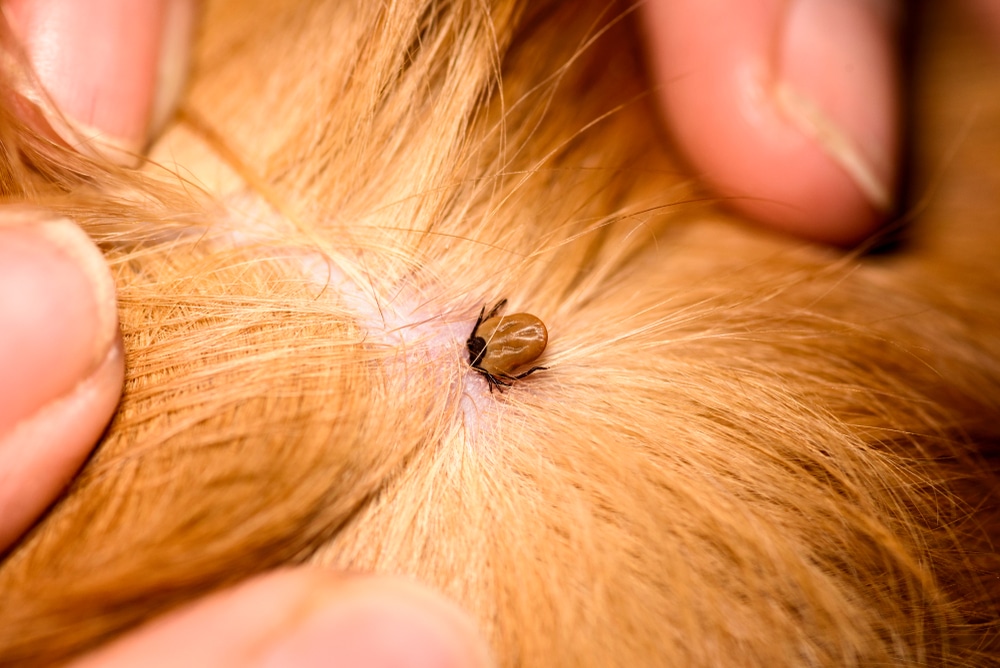
Cold months bring unique challenges for dog health. Limit your dog’s contact with areas where worms may live. Avoid letting your dog eat wild animals or their droppings. Check for fleas and ticks, as they can spread worms even in winter.
Environmental Control Measures
Clean your dog’s living area often to reduce worm eggs and larvae. Remove feces quickly to stop worms from spreading. Keep outdoor spaces dry and free from mud where worms thrive. Use pet-safe disinfectants to clean bedding and toys regularly.
Signs Of Worm Infestation In Winter
Noticing signs of worm infestation in your dog during winter can be tricky. Cold weather might make you assume your pet is safe from parasites, but worms can still survive and affect your dog’s health. Staying alert to subtle changes can help you catch an infestation early and protect your furry friend.
Behavioral Changes
Dogs with worms often act differently, and these changes can be more noticeable during the quieter winter months. You might see your dog becoming unusually tired or less playful, even if they’re getting enough rest. Pay attention if your dog seems restless at night or is scratching and biting themselves more than usual.
Sometimes, a dog may lose interest in food or suddenly become more irritable. These behavioral shifts can signal discomfort caused by worms. Have you noticed any shift in your dog’s mood or activity lately?
Physical Symptoms
Physical signs of worms are often visible if you look closely. A bloated or swollen belly can be a warning signal, especially if it appears alongside weight loss. You might also spot worms or worm segments near your dog’s rear or in their stool.
Other symptoms include a dull coat, vomiting, or diarrhea that doesn’t go away. These signs can easily be mistaken for other illnesses, but combined with behavioral changes, they strongly suggest a worm problem. Don’t ignore frequent scooting or licking of the genital area; these are common signs of discomfort caused by worms.
When To Visit The Vet
If you notice any of these signs, it’s important to get professional advice quickly. Early treatment can prevent serious health issues and help your dog feel better faster. Even if symptoms seem mild, a vet visit can confirm whether worms are the cause.
Regular check-ups during winter can catch infections before they worsen. Your vet can recommend the right treatment and advise on prevention steps specific to your area’s climate. How long has it been since your dog’s last worm check?
Myths About Worms And Cold Weather
Many dog owners believe that cold weather kills worms, making deworming less urgent during winter months. This idea is widespread, but is it really true? Understanding the truth behind these myths can help you better protect your furry friend year-round.
Common Misconceptions
One common belief is that freezing temperatures eliminate all dog worms and their eggs. Some think worms “hibernate” and become inactive in winter, so they don’t pose a threat. Others assume worms can’t survive outside the dog’s body when it’s cold.
These misconceptions can lead to neglecting worm prevention during colder months. Have you ever skipped a deworming treatment because you thought the cold weather would do the job?
Scientific Facts
Worms like roundworms, hookworms, and whipworms can survive cold weather, especially if sheltered in soil, feces, or protected environments. Some worm eggs have tough outer shells that resist freezing temperatures. This means they can remain infectious even after a frost or snow.
Inside your dog’s body, worms are safe from cold temperatures entirely. They continue their life cycle regardless of the season. So, cold weather does not stop the risk of infection or reinfection.
Advice For Dog Owners
Don’t let the cold fool you. Maintain regular worm prevention and deworming schedules throughout the year. Keep your dog’s environment clean by promptly removing feces and avoiding areas known for contamination.
Ask your vet about year-round parasite control options that suit your dog’s lifestyle. Staying proactive protects your pet and prevents costly health issues. What steps are you taking today to keep your dog worm-free despite the weather?
Credit: coyapet.com
Frequently Asked Questions
Can Dog Worms Survive Winter Temperatures?
Dog worms can survive in cold weather if conditions are right. While extreme cold can kill some parasites, many worm eggs and larvae can persist in the environment. They often enter a dormant state, waiting for warmer temperatures to become active again.
Regular deworming and hygiene can help control infestations.
Do Cold Temperatures Kill Dog Worms?
Cold temperatures may not kill all types of dog worms. Many worm eggs and larvae are resilient and can endure harsh conditions. They often survive by becoming dormant until the weather warms up. To effectively manage worms, pet owners should maintain regular deworming schedules and ensure proper hygiene.
How Do Worms Affect Dogs In Winter?
Worms can affect dogs year-round, including winter. They can cause digestive issues, weight loss, and lethargy. During winter, worms might not be as active, but they still pose a threat. Regular veterinary check-ups and preventive measures are crucial to ensure your dog remains healthy throughout the year.
Can Cold Weather Reduce Worm Infestations?
Cold weather might slow down worm activity but does not eliminate infestations entirely. Many worm eggs and larvae can survive cold conditions and become active in warmer weather. Maintaining regular deworming treatments and good hygiene practices are essential to minimize the risk of worm infestations in dogs.
Conclusion
Dog worms can survive cold weather, but less actively. Cold slows their growth and spread. Pets still need regular worm treatments year-round. Keep your dog’s environment clean and dry. Watch for signs of worms even in winter. Protect your dog with good hygiene and vet care.
Staying cautious helps keep dogs healthy always. Cold weather does not stop worm risks. Prevention is the best way to avoid problems. Stay informed and care for your pet well.