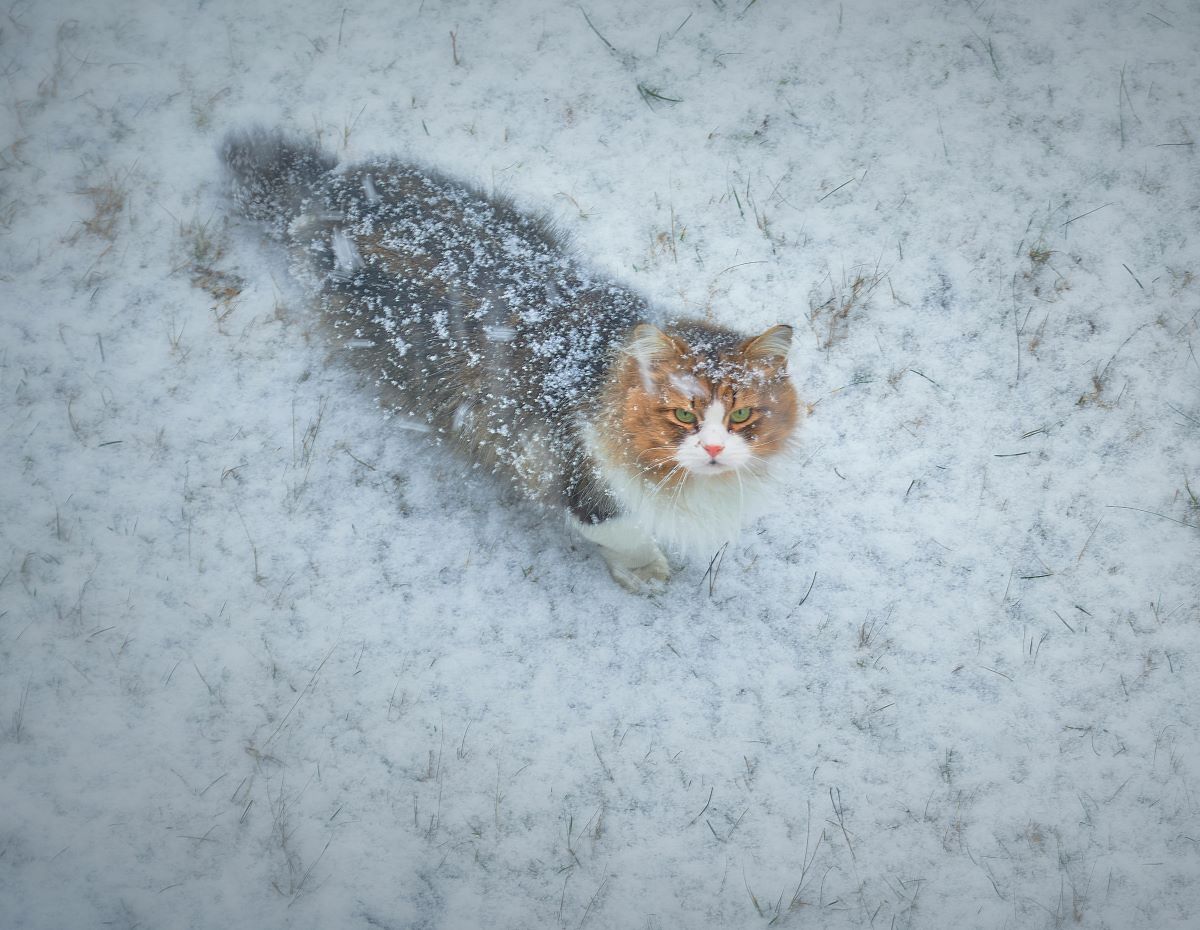
Have you ever wondered how long your cat can survive in freezing 30-degree weather? The cold can be dangerous, even for animals that seem tough.
If you care about your furry friend, knowing the risks and what to watch for is crucial. You’ll discover how the cold affects cats, how to keep them safe, and what signs mean they need help fast. Keep reading to protect your cat from harsh winter conditions before it’s too late.
Cat Body Temperature Basics
Understanding a cat’s body temperature helps us know how they survive in cold weather. Cats maintain a warm body despite chilly air. Their body temperature plays a key role in their health and comfort. Knowing the basics gives insight into their ability to handle 30 degree weather.
Normal Temperature Range
A cat’s normal body temperature ranges from 100.5°F to 102.5°F (38°C to 39.2°C). This range keeps their organs working well. Temperatures below or above this can cause health issues. Cats cannot survive if their body temperature drops too low for long.
How Cats Regulate Heat
Cats use several ways to control their body heat. They curl up to keep warmth close. Their thick fur traps heat near the skin. Cats also reduce activity to save energy in cold weather. Panting and sweating through paws help release heat when too hot.
Effects Of 30 Degree Weather On Cats
Cats exposed to 30 degree weather face serious challenges. Low temperatures affect their bodies and behavior. Understanding these effects helps keep cats safe during cold days.
Risks Of Hypothermia
Hypothermia happens when a cat’s body temperature drops too low. At 30 degrees, cats lose heat quickly. Small or thin cats are more at risk. Signs include shivering, weakness, and slow movements. Without warmth, hypothermia can be fatal.
Frostbite Danger
Frostbite damages skin and tissue due to freezing. Ears, paws, and tail tips are most vulnerable. Affected areas turn pale or blue and feel cold. Frostbite causes pain and can lead to tissue death. Early shelter and warmth prevent severe harm.
Behavioral Changes In Cold
Cats change behavior to survive cold weather. They often hide in warm spots or curl tightly. Activity levels drop to conserve energy. Appetite may increase to generate more body heat. Watch for unusual hiding or lethargy as warning signs.
Survival Time In 30 Degree Weather
Cats exposed to 30-degree weather face serious risks. Their survival time depends on many things. Understanding these factors helps protect outdoor cats from harm. Cold weather can quickly lower their body temperature. Without shelter, cats may not last long in such cold.
Factors Influencing Survival
Survival in cold depends on several key factors:
- Age and health:Young and old cats have weaker defenses.
- Fur thickness:Cats with thick fur resist cold better.
- Body fat:Fat helps keep cats warm.
- Shelter availability:Protection from wind and rain is crucial.
- Activity level:Moving cats generate more body heat.
- Humidity and wind:Wet or windy conditions increase heat loss.
Each of these factors affects how long a cat can survive in freezing temperatures.
Short-term Vs Long-term Exposure
Short exposure to 30-degree weather might not harm a healthy cat. They can usually handle it for a few hours if they find shelter.
Long exposure, lasting several hours or overnight, greatly increases risks. Hypothermia and frostbite can set in quickly.
Signs of danger include shivering, weakness, and slow movements. Without help, a cat’s survival time drops sharply.

Credit: nationalzoo.si.edu
Signs Of Cold Stress In Cats
Recognizing the signs of cold stress in cats is crucial, especially when temperatures drop to 30 degrees or lower. Cats can’t tell you when they’re uncomfortable or in danger, so it’s up to you to spot the warning signals. Knowing these signs early can make the difference between a quick recovery and a serious health issue.
Physical Symptoms
Your cat’s body will show clear signs if it’s struggling with the cold. Watch for:
- Shivering or trembling:This is your cat’s natural way of generating heat.
- Cold ears and paws:These areas may feel icy to the touch, indicating poor circulation.
- Pale or bluish gums:This could signal a lack of oxygen due to cold stress.
- Slow movements or stiffness:Cold can make joints stiff and muscles less responsive.
- Hunched posture:Cats may curl tightly to conserve body heat.
If you notice any of these signs, act quickly. Your cat’s health depends on your prompt response.
Behavioral Indicators
Beyond physical signs, your cat’s behavior can reveal distress from cold weather. Some common behavioral changes include:
- Seeking warmth:Cats might hide under blankets, near heaters, or in enclosed spaces more than usual.
- Reduced activity:Cold cats often move less to save energy.
- Excessive grooming or licking:Sometimes cats try to warm themselves by licking their fur, which can worsen the problem.
- Vocalizing more:Unusual meowing or crying can be a sign they’re uncomfortable or scared.
- Refusing to eat or drink:Cold stress can lower their appetite and energy, which is dangerous.
Have you ever noticed your cat acting differently during cold spells? Paying attention to these subtle changes can help you protect your furry friend from serious harm.
Protecting Cats From Cold Weather
Cold weather can be harsh on cats, especially when temperatures dip to around 30 degrees Fahrenheit. Protecting your feline friend from the chill is essential to keep them safe and comfortable. You might wonder how to best shield your cat from the cold—let’s break down some practical ways to help.
Shelter Options
Providing a warm, dry shelter is crucial for cats exposed to cold weather. If your cat spends time outdoors, consider a well-insulated cat house with raised flooring to keep them off the cold ground.
Placing soft blankets or straw inside adds extra warmth. Straw works better than blankets outdoors because it repels moisture and provides insulation. Always position the shelter in a spot protected from wind and rain.
Proper Nutrition And Hydration
Cold weather increases a cat’s energy needs as they work harder to stay warm. Feeding your cat a nutrient-rich diet helps them maintain body heat and stay healthy.
Make sure fresh water is available at all times. Water bowls can freeze quickly in low temperatures, so consider heated water dishes or changing water frequently to prevent freezing.
Clothing And Warmth Aids
Some cats tolerate wearing sweaters or coats designed for pets, which can provide an extra layer of warmth. However, not all cats like clothing, so observe your cat’s comfort level carefully.
Heating pads made for pets or safe hot water bottles can also help, especially in shelters or indoor resting areas. Always ensure these warmth aids are used safely to avoid burns or overheating.
Credit: www.chewy.com
When To Seek Veterinary Help
Cats exposed to 30-degree weather face serious health risks. It is vital to know when to seek veterinary help. Early recognition of symptoms can save your cat’s life. Watch for signs that show your pet is struggling with cold.
Emergency Symptoms
- Shivering that does not stop
- Weakness or unsteady walking
- Cold ears, paws, or tail
- Slow or shallow breathing
- Loss of consciousness or extreme lethargy
- Blue or pale gums and tongue
- Refusal to eat or drink
- Stiff muscles or rigid body
These signs indicate your cat is suffering from hypothermia or frostbite. Immediate veterinary care is necessary.
Treatment For Cold Exposure
Veterinarians will warm your cat carefully using warm blankets or heating pads. They monitor the cat’s temperature closely to avoid burns or shock.
Fluids may be given through an IV to treat dehydration and improve circulation. Oxygen therapy is sometimes needed if breathing is weak.
Medications can help reduce pain and prevent infections in frostbitten areas. Your vet will also check for other injuries or illnesses caused by cold stress.
Tips For Outdoor Cat Owners
Outdoor cats face many challenges in cold weather. Knowing how to protect them is very important. Simple steps can keep cats safe and warm. Here are key tips for outdoor cat owners to help their pets survive cold days.
Monitoring Weather Conditions
Check the weather forecast daily. Watch for sudden drops in temperature. Cold winds and wet conditions increase danger. Note the times when it gets coldest. Plan outdoor time for your cat accordingly. Bring cats inside during extreme cold. Use alerts on your phone for updates. Early warnings help prevent exposure to harsh weather.
Safe Outdoor Practices
- Provide a sheltered space with insulation.
- Use straw or blankets for warmth.
- Keep fresh water from freezing.
- Offer extra food to boost energy.
- Limit outdoor time in very cold weather.
- Check your cat for signs of frostbite or hypothermia.
- Ensure your cat wears a collar with ID in case it wanders.
- Clear snow and ice from common paths.
These steps reduce risks and create a safer outdoor environment. Careful attention helps cats stay healthy through cold spells.

Credit: www.chewy.com
Frequently Asked Questions
Can Cats Tolerate 30 Degree Weather?
Cats can tolerate 30 degree weather for short periods. However, prolonged exposure can lead to heat-related illnesses. Always ensure your cat has access to shade and fresh water. Monitor your cat for signs of overheating, like excessive panting and lethargy.
If symptoms appear, seek veterinary care immediately.
How Do Cats Cool Down In Heat?
Cats cool down through grooming, which helps dissipate heat. They also seek shade and cool surfaces. Ensure they have access to water and avoid strenuous activities during peak heat. Providing a fan or air conditioning can help them stay comfortable in extreme temperatures.
What Are Signs Of Heatstroke In Cats?
Signs of heatstroke in cats include excessive panting, drooling, and lethargy. You might also notice vomiting or a rapid heartbeat. If your cat exhibits these symptoms, move them to a cool place immediately. Offer water and seek veterinary care without delay.
How Can I Keep My Cat Cool?
To keep your cat cool, provide plenty of water and a shaded area. Use fans or air conditioning to maintain a comfortable indoor temperature. Consider cooling mats or damp towels for them to lie on. Avoid outdoor activities during the hottest parts of the day.
Conclusion
Cats cannot stay safe for long in 30 degree weather without help. Cold can harm their health quickly. Always provide warm shelter and food. Watch for signs of frostbite or hypothermia. Bringing cats inside is best during cold days. Keeping them warm saves their lives.
Never leave cats outside in freezing weather. Caring for pets means knowing their limits in cold. Stay alert, protect your furry friends from harsh weather. Their survival depends on your care and attention.