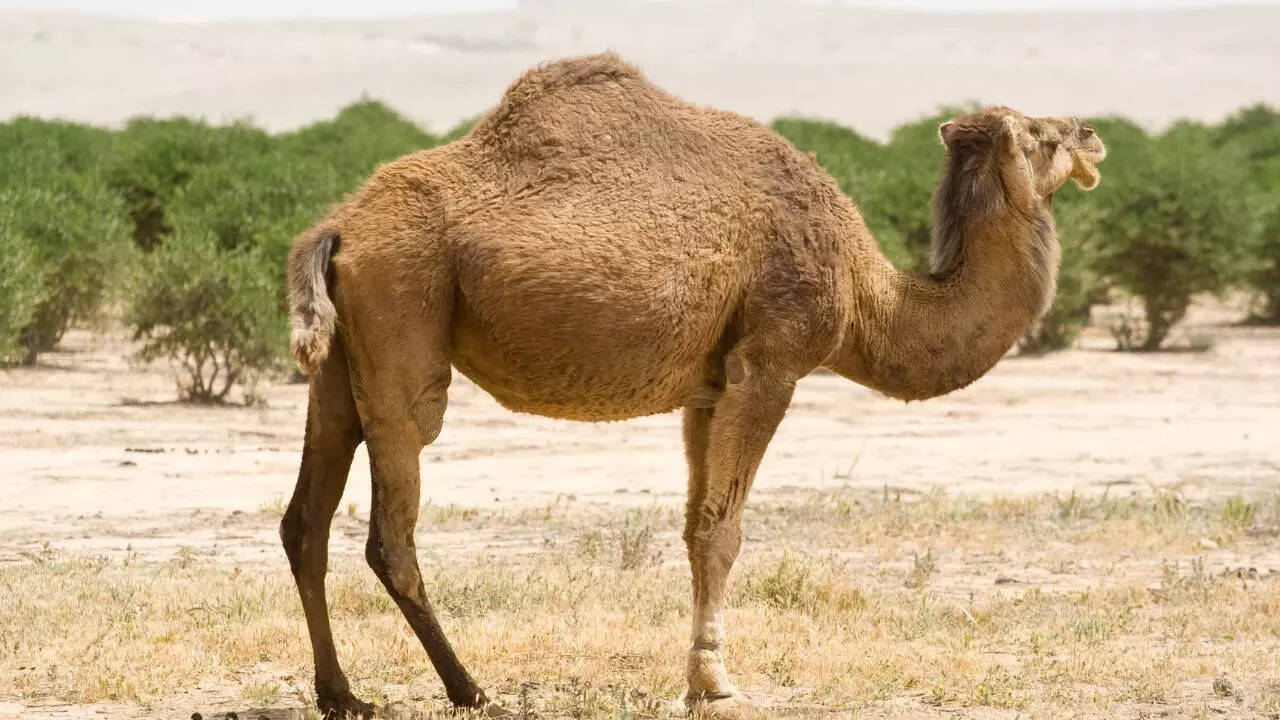
Have you ever wondered if a camel can survive cold weather? You probably picture camels in hot deserts, but what happens when the temperature drops?
Understanding how camels handle the cold can surprise you and change the way you see these incredible animals. Keep reading, and you’ll discover the secrets behind their ability to adapt and thrive—even when the weather turns chilly.
Credit: www.beeksebergen.nl
Camel Adaptations
Camels are often linked with hot deserts, but their survival skills extend beyond heat. Their unique adaptations help them endure cold weather too. Understanding these traits can change how you see these remarkable animals.
Physical Traits For Temperature Regulation
Camels have thick fur that acts like a natural insulator. This fur traps heat close to their bodies during cold nights, keeping them warm.
Their body shape also helps. Their large bodies retain heat well, while narrow legs reduce heat loss. Plus, camels can adjust their body temperature by several degrees to avoid sweating and conserve energy in chilly conditions.
Ever noticed how their feet are padded? This not only helps on hot sand but also insulates against cold ground. It’s a smart design that keeps them comfortable in varied climates.
Behavioral Adjustments In Cold
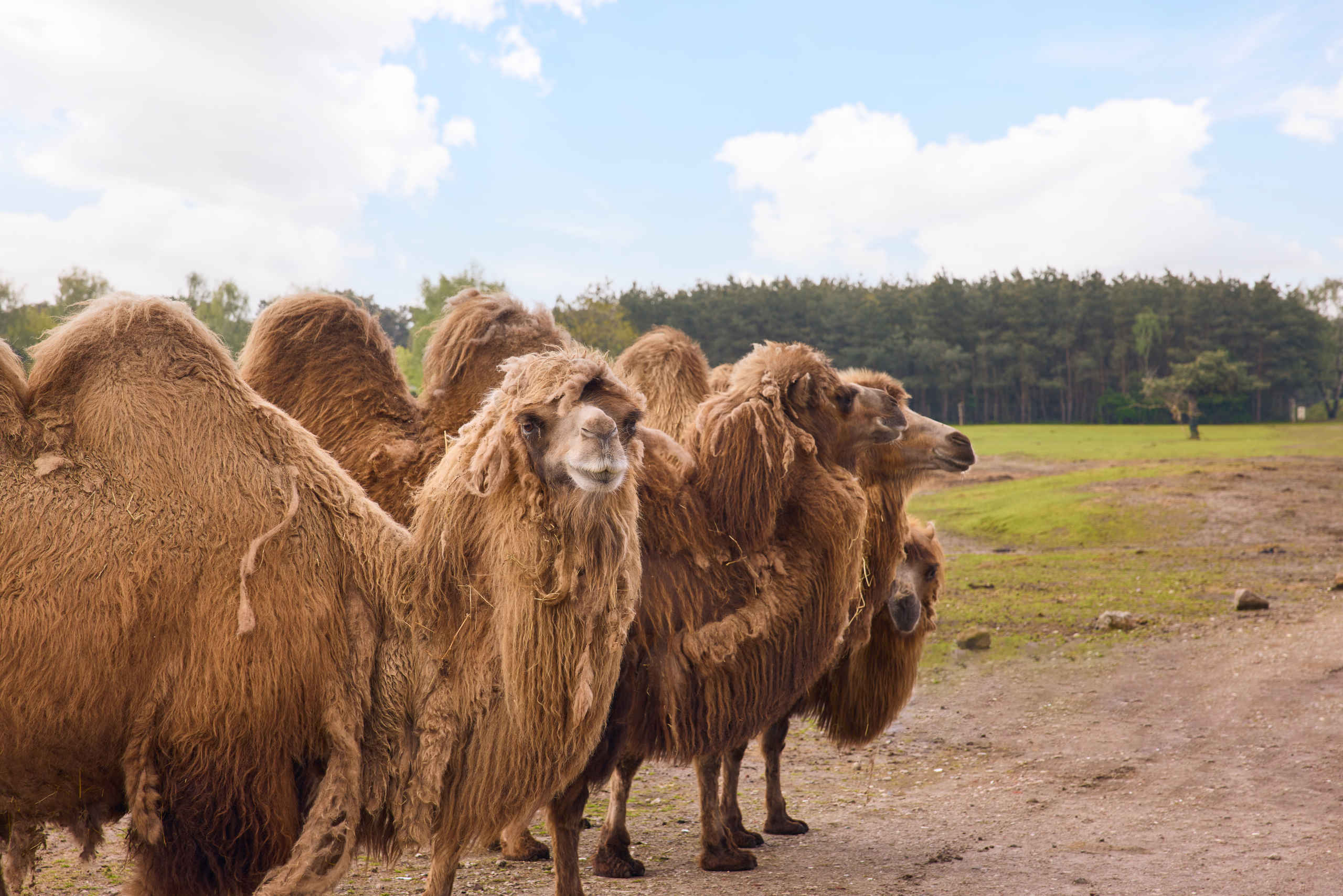
Camels don’t just rely on their bodies; they change how they act to stay warm. During colder times, they often huddle together to share body heat.
They also reduce movement to conserve energy and avoid exposure to harsh winds. Seeking shelter behind rocks or dunes is another common behavior to block the cold air.
Have you thought about how animals use behavior to survive tough conditions? Watching camels adapt their routines can teach you how flexibility is key for survival in any environment.
Cold Weather Challenges
Camels are famously known for thriving in hot deserts, but what happens when the temperature drops? Cold weather presents unique challenges that test their resilience. Understanding these challenges helps you appreciate how camels adapt—or struggle—in frosty conditions.
Effects Of Low Temperatures On Camels
Camels’ thick fur, designed to reflect heat, can actually trap cold air close to their bodies during winter. This insulation works well in moderate cold but struggles in extreme lows.
Unlike animals built for cold climates, camels have less fat under their skin to keep warm. You might notice their body temperature fluctuates more in cold weather, which can stress their metabolism.
Have you ever seen a camel shiver? It’s a sign their body is fighting to generate heat. This extra energy use can impact their overall health and stamina.
Survival Risks In Frosty Conditions
Frost and freezing winds increase the risk of hypothermia in camels, especially younger or weaker individuals. Their long legs and thin skin around joints are vulnerable to frostbite.
Limited access to unfrozen water makes hydration a struggle. If you think camels only need water occasionally, the cold can actually increase their need to stay hydrated to maintain body functions.
Feeding also becomes a challenge. Frozen vegetation reduces available nutrition, and camels may fail to get enough energy to keep warm. This puts them at risk of weight loss and weakened immunity.
- Cold stress lowers resistance to diseases
- Energy demand spikes to maintain warmth
- Restricted movement due to icy terrain
Have you considered how your environment impacts animal care? Camels in cold climates need extra attention to thrive, not just survive.
Camels In Cold Regions
Camels are often linked to scorching deserts, but their presence in cold regions might surprise you. These resilient animals have adapted to survive in places where temperatures can drop drastically. Understanding how camels manage cold weather challenges common assumptions and reveals their incredible versatility.
Habitats Beyond The Desert
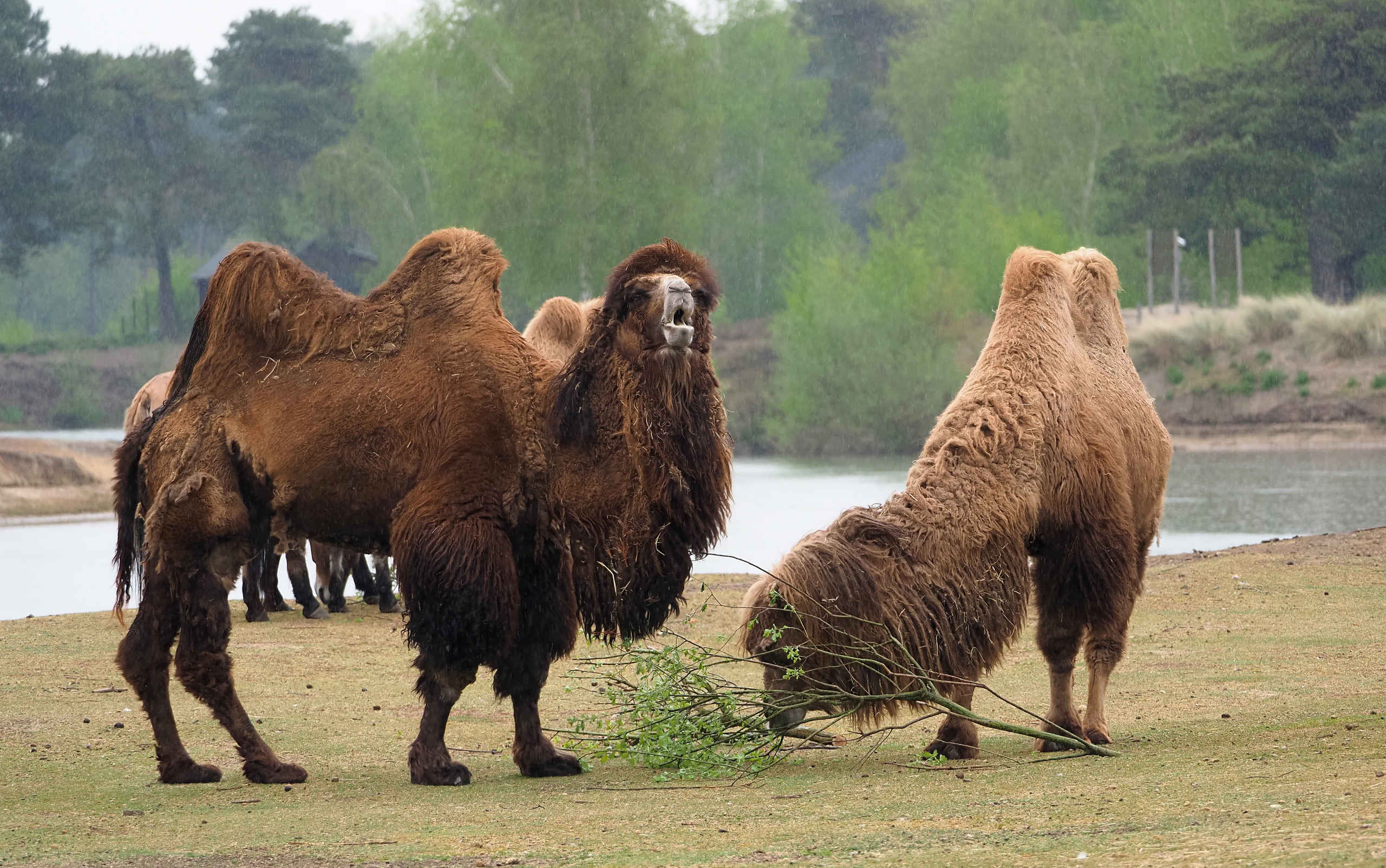
Camels are found in various cold and mountainous areas, not just hot deserts. For example, the Bactrian camel lives in Central Asia, where winters can be harsh with freezing temperatures and snow. These camels have thick, woolly coats that help keep them warm during the cold season.
Unlike their dromedary cousins, Bactrian camels shed their thick fur in warmer months, showing a natural way of adjusting to different climates. This ability to grow and lose hair according to the season helps them regulate body temperature efficiently.
Have you ever wondered how animals adapt so well to environments that seem completely opposite to what we expect? Camels in cold regions provide a fascinating answer by thriving where many would struggle.
Case Studies Of Camels In Cold Climates
In Mongolia and parts of Russia, Bactrian camels are crucial to local communities. They carry heavy loads across snowy terrain and provide milk, meat, and wool. Their survival in these tough conditions shows their unique adaptability.
One study observed how these camels lower their metabolic rate in winter, conserving energy when food is scarce. This change allows them to survive long periods with limited resources.
When I visited a camel herder in the Gobi Desert during a chilly morning, I noticed how the camels huddled together for warmth. This simple behavior is another practical strategy they use to combat the cold.
- Thick fur for insulation
- Ability to store fat in humps for energy
- Behavioral adaptations like huddling
- Metabolic adjustments to conserve energy
Could your own survival strategies benefit from such simple, natural adjustments? Observing camels in cold climates encourages us to think about flexibility and resilience in the face of changing environments.
Temperature Extremes And Camels
Camels are often seen as desert dwellers built to withstand scorching heat. But what happens when the temperature drops drastically? Understanding how camels manage extreme temperatures sheds light on their surprising adaptability beyond the hot deserts.
Comparing Desert Heat And Cold Exposure
Deserts are known for their intense heat during the day, often soaring above 40°C (104°F). At night, temperatures can plunge to near freezing. This drastic swing means camels face both heat and cold in a single day.
You might wonder, how do camels survive such cold exposure when they seem made for warmth? Unlike many animals, camels do not rely solely on thick fur for insulation. Instead, they use a combination of body fat, behavior, and physiological adjustments.
- During the day, their thick coat reflects sunlight and insulates against heat.
- At night, this same coat traps heat to keep them warm.
- Their large body mass and fat stored in humps act as insulation in cold weather.
Have you ever felt how wearing layers can keep you warm in cold? Camels’ fur works similarly, adapting to both extremes without changing much.
Camels’ Physiological Responses
Camels control their body temperature in a way that might surprise you. Instead of maintaining a constant temperature like humans, their body temperature fluctuates several degrees throughout the day. This helps reduce water loss and conserve energy.
When cold hits, camels slow their metabolism to generate heat internally. Their blood flow changes to prioritize vital organs, keeping the core warm while extremities stay cooler. This strategy prevents frostbite and conserves energy.
| Physiological Feature | Function in Heat | Function in Cold |
|---|---|---|
| Body Temperature Range | Fluctuates 34°C to 41°C | Allows heat retention at night |
| Fat in Humps | Energy storage | Insulation against cold |
| Fur Thickness | Reflects sunlight | Traps heat |
Next time you think about camels, remember they are not just desert heat survivors. Their body is a finely tuned system ready for extremes in both directions. How might their strategies inspire your own ways to handle sudden temperature changes?
Human Role In Camel Cold Survival
Humans play a crucial part in helping camels survive cold weather. While camels have natural adaptations for extreme heat and some cold tolerance, their well-being during harsh winters often depends on the care they receive from people. Your role can make a big difference in how comfortably and safely camels endure low temperatures.
Shelter And Care Practices
Providing proper shelter is essential to protect camels from cold winds and frost. A sturdy, windproof barn or shed with dry bedding helps maintain their body warmth.
Regularly check the shelter for drafts and moisture. Camels are vulnerable to respiratory issues if exposed to cold, damp conditions for too long.
Make sure your camels have access to fresh water that isn’t frozen. Using heated water bowls or frequently breaking ice can keep them hydrated.
Feeding Strategies In Winter
Feeding camels more energy-rich food during cold months supports their body heat production. Increasing roughage like hay and adding grains can boost their calorie intake.
Consider supplements like vitamins and minerals to strengthen their immune system against cold stress.
Feeding camels at consistent times helps maintain their digestive health and energy levels. Have you noticed how even slight changes in feeding routines can affect your animals’ comfort?
Credit: www.beeksebergen.nl
Myths About Camels And Cold
Many people think camels only live in hot deserts. This idea creates myths about camels and cold weather. Some believe camels cannot survive cold. Others think their thick fur keeps them warm all the time. These ideas miss the true story about camels and cold climates.
Common Misconceptions
- Camels cannot survive cold weather.
- Camels have thick fur that only protects them from heat.
- Camels freeze easily in winter conditions.
- Camels only live in sandy deserts.
- Camels do not adapt to cold environments.
These myths come from seeing camels in warm places. People forget camels also live in cold deserts and mountains. Their body and fur help them survive in many climates.
Scientific Insights
Camels have unique body features for temperature control. Their fur changes with seasons. It grows thicker in cold months, acting like a warm coat. In hot months, camels shed to stay cool.
Camels can lower their body temperature to save water and energy. This ability helps them in cold nights and hot days. Their fat stores in humps provide energy when food is scarce.
Studies show camels live in places with freezing nights. They handle cold by reducing heat loss. Their nose traps moisture, protecting them from cold dry air.

Credit: www.youtube.com
Frequently Asked Questions
Can Camels Handle Freezing Temperatures?
Camels can tolerate cold, but not extreme freezing temperatures. Their thick fur provides insulation against cold nights. However, they are not suited for prolonged exposure to harsh winter conditions. In extremely cold climates, they may suffer from frostbite or hypothermia.
How Do Camels Stay Warm In Cold Weather?
Camels stay warm with their thick fur and fat reserves. Their fur insulates against the cold, while the fat provides energy. These adaptations help them survive cold desert nights, but they are not suited for very cold climates.
Do Camels Live In Snowy Regions?
Camels are not native to snowy regions. They are primarily found in deserts and arid areas. Their adaptations suit them for hot, dry conditions rather than snowy climates. In cold regions, they require proper shelter and care to avoid cold-related health issues.
What Adaptations Help Camels In Cold?
Camels have several adaptations for cold, including thick fur and fat reserves. Their fur acts as insulation, while fat provides energy during scarce food availability. These adaptations help them endure cold desert nights but are insufficient for extreme cold environments.
Conclusion
Camels can survive cold weather, but they prefer warmth. Their thick fur helps keep them warm in chilly climates. They store fat in their humps, which gives energy when food is scarce. Camels avoid extreme cold for long periods. They rest in sunny spots to stay warm.
These animals adapt well, but cold is not their best condition. Camels thrive mostly in deserts with hot days and cool nights. Understanding their limits helps us care for them better. Nature made camels strong, but warmth keeps them happiest.