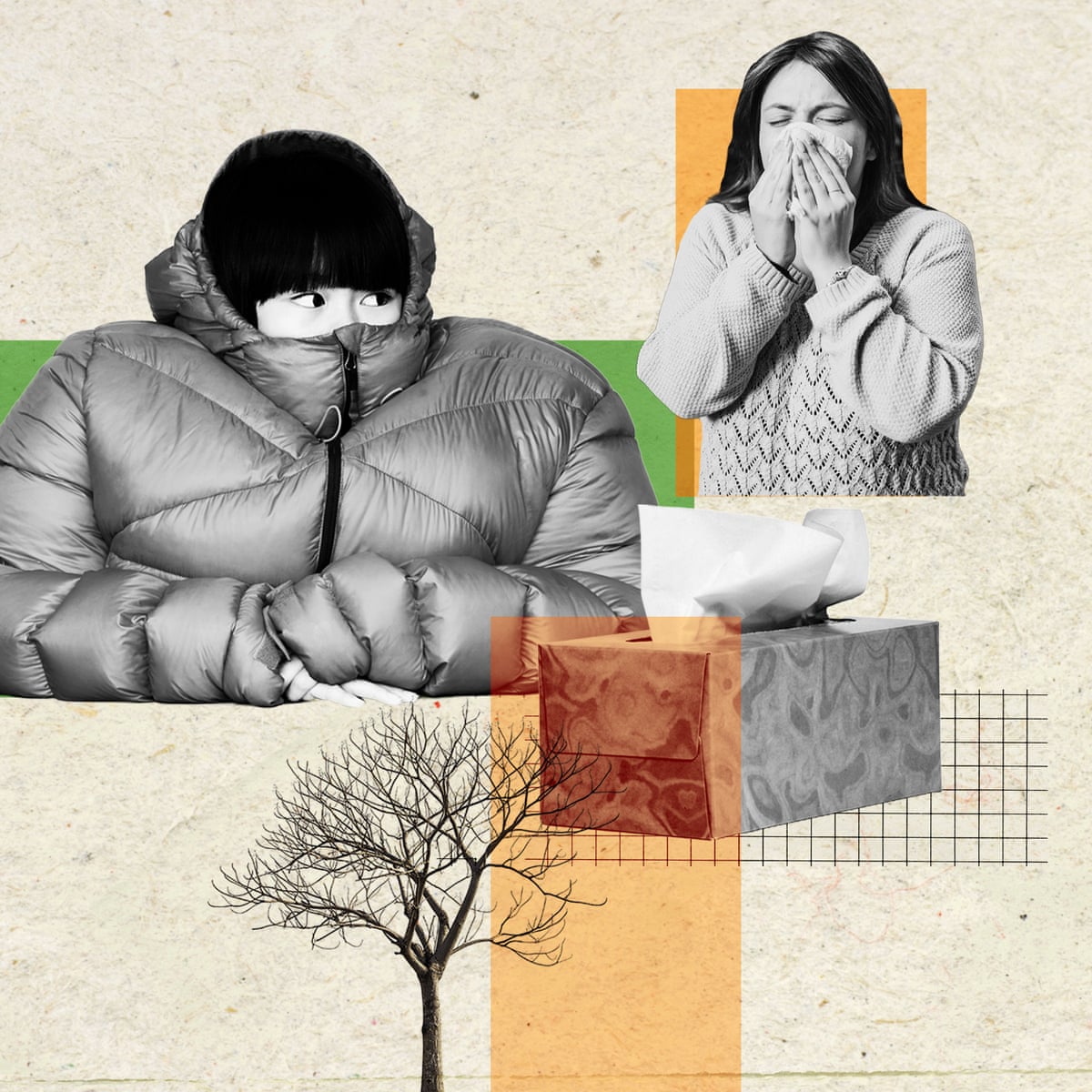
Have you ever wondered if the cold weather can stop a virus in its tracks? When temperatures drop, you might think viruses lose their power.
But is that really true? Understanding how viruses react to cold can help you protect yourself and your loved ones better. Keep reading to discover surprising facts that could change the way you think about staying healthy during chilly seasons.
Virus Behavior In Cold
Understanding how viruses behave in cold weather can help you protect yourself better during chilly seasons. Viruses don’t just react to cold randomly; their survival and spread depend heavily on temperature and environmental conditions. Let’s look deeper into how cold affects viruses and what that means for your health.
How Temperature Affects Viruses
Viruses are tiny particles that react differently to heat and cold. Lower temperatures often slow down their degradation, meaning viruses can stay infectious longer. But does colder always mean more dangerous?
Some viruses, like the flu, thrive in cooler weather because the cold helps them remain stable outside the body. At the same time, cold air can dry out your nasal passages, making it easier for viruses to enter. So, temperature isn’t the only factor—you also need to consider how cold affects your body’s defenses.
Cold Weather And Virus Longevity
Studies show that cold weather can extend the life of viruses on surfaces. For example, the flu virus may survive up to 24 hours on a cold surface but only a few hours in warm conditions. This means touching objects in cold environments could be riskier.
Think about your daily routine in winter: Are you touching handrails, doorknobs, or shared devices without wiping them down? Cold weather lets viruses hang around longer, so simple habits like washing hands and disinfecting surfaces become even more important.
Common Myths About Cold And Viruses
Many people believe cold weather kills viruses or prevents infections. These ideas spread quickly but often lack scientific proof. Understanding myths helps us protect ourselves better. Let’s explore common myths about cold and viruses.
Does Cold Kill Viruses?
Cold does not kill all viruses. Some viruses survive well in low temperatures. Cold weather can even preserve certain viruses longer on surfaces. Virus survival depends on many factors, not just temperature. For example, flu viruses thrive in cold, dry air. Cold alone is not a reliable way to stop viruses.
Winter And Increased Infections
More infections happen in winter, but cold is not the only cause. People spend more time indoors, close to each other. This closeness helps viruses spread easily. Dry air in winter weakens our nose’s defense system. Viruses can enter and infect more easily. So, it is behavior and environment, not cold itself, that raise infection rates.
Survival Mechanisms Of Viruses
Viruses use several ways to survive cold weather. Their survival depends on how well they adapt to low temperatures and other environmental conditions. Understanding these survival mechanisms helps explain why some viruses spread more in winter.
Virus Adaptations To Low Temperatures
Viruses have special traits that help them stay active in cold weather. Their outer shell, called a capsid, can become tougher and more stable. This protects the virus from freezing damage. Some viruses slow down their activity to save energy. This helps them survive longer in harsh conditions.
Cold temperatures also slow the breakdown of virus particles. This means viruses can stay infectious on surfaces for days or weeks. Some viruses can form protective layers that shield their genetic material. These layers reduce damage from cold and drying out.
Role Of Humidity In Virus Survival
Humidity affects how long viruses stay alive outside the body. Low humidity can dry out viruses quickly, but some survive better in dry air. Others need moist air to remain stable. The balance of humidity and temperature influences virus survival rates.
In dry air, respiratory droplets shrink faster, allowing viruses to float longer in the air. In higher humidity, droplets stay larger and fall to surfaces more quickly. This changes how viruses spread and how long they remain infectious.

Credit: uk.style.yahoo.com
Real-world Virus Examples
Viruses behave differently depending on their environment, especially when the temperature drops. Understanding how specific viruses react to cold weather gives you a clearer picture of their survival tactics. Let’s look at real-world examples that reveal how some viruses manage to persist and even thrive during chilly months.
Influenza In Winter Months
Influenza, commonly known as the flu, spikes during winter. The cold air slows down the drying out of droplets that carry the virus, helping it stay infectious longer. When you’re indoors more often and in close contact with others, the flu finds plenty of opportunities to spread.
Interestingly, studies show that the flu virus becomes more stable in low temperatures and low humidity. This means cold weather doesn’t just help the virus survive; it actively boosts its ability to infect. Have you noticed how flu season matches the coldest months? That’s not a coincidence.
Cold Weather Effects On Coronaviruses
Coronaviruses, like the ones causing COVID-19, also react to temperature changes but in varied ways. Cold weather can extend the virus’s lifespan on surfaces, increasing the chance of transmission. However, unlike influenza, human behavior plays a larger role in spreading coronaviruses during winter.
Research indicates that while cold temperatures help some coronaviruses survive longer outside the body, they don’t guarantee a surge in infections alone. Your actions—wearing masks, maintaining distance—are crucial in controlling outbreaks, regardless of the weather. How do you adjust your daily habits when the temperature drops to stay safe?
Implications For Public Health
Understanding whether viruses can survive cold weather has direct effects on how we protect ourselves and our communities. Cold temperatures often mean people spend more time indoors, increasing the chance of viruses spreading. This makes it crucial to pay attention to public health measures that reduce infection risks, especially during colder months.
Preventing Infections In Cold Weather
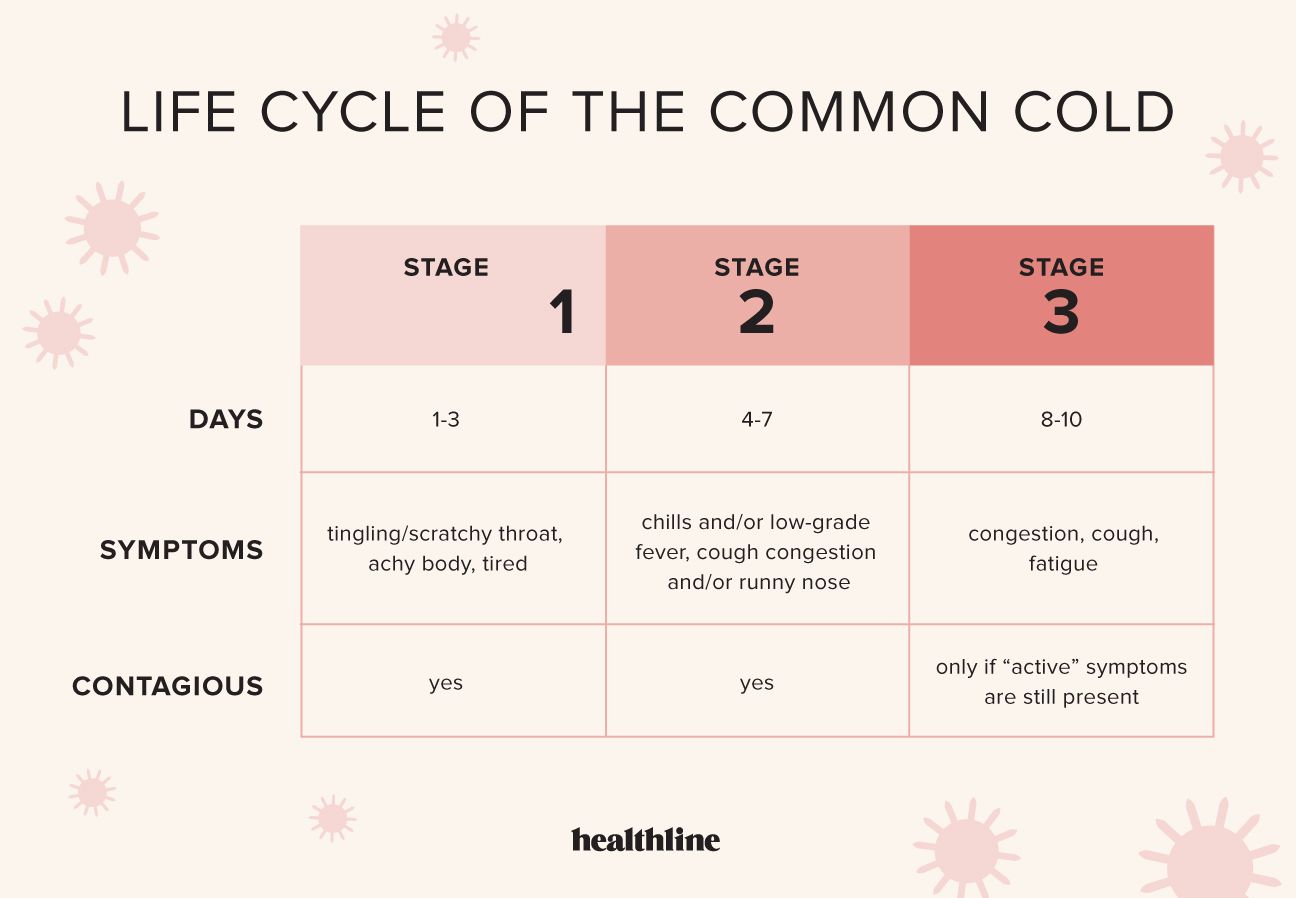
Cold weather creates environments where viruses can thrive longer on surfaces. You might notice how flu and cold cases spike during winter. This happens because the virus particles remain stable and infectious at lower temperatures.
To protect yourself, consider these practical actions:
- Keep indoor spaces well-ventilated to reduce airborne virus buildup.
- Wear layers to avoid getting chilled, as a strong immune system handles viruses better.
- Limit close contact in crowded places where viruses spread easily.
Have you ever felt more sick during winter despite taking precautions? It might be linked to how viruses behave in cold air, making vigilance even more important.
Effective Hygiene Practices Year-round
Good hygiene is your best defense against viruses no matter the season. Washing your hands thoroughly and regularly remains key to stopping virus transmission.
Here are hygiene tips that work all year:
- Use soap and water for at least 20 seconds before eating or touching your face.
- Carry hand sanitizer when soap and water aren’t available.
- Disinfect frequently touched surfaces like doorknobs and smartphones daily.
Think about how many times you touch your face each day. Reducing this habit, combined with proper hygiene, can drastically lower your chances of catching a virus.

Credit: www.theguardian.com
Credit: www.healthline.com
Frequently Asked Questions
Can Viruses Thrive In Cold Weather?
Yes, certain viruses can thrive in cold weather. Cold temperatures can preserve viruses longer, enhancing their ability to infect hosts. Cold air also dries out mucous membranes, making it easier for viruses to enter the body.
Do Viruses Spread More In Winter?
Yes, viruses often spread more in winter. People spend more time indoors, increasing close contact and transmission. Cold, dry air can also help viruses survive longer, facilitating their spread.
How Does Cold Weather Affect Virus Survival?
Cold weather can extend a virus’s survival. Low temperatures preserve the virus, and dry air helps it remain airborne longer. This increases the chance of transmission and infection during colder months.
Can Cold Kill Viruses?
Cold temperatures alone don’t kill viruses. Freezing may inactivate some viruses temporarily but doesn’t destroy them. Once thawed, viruses can become active again, ready to infect a host.
Conclusion
Viruses can survive cold weather, but not all do well. Cold helps some viruses last longer outside the body. Still, viruses need a host to spread and grow. Staying clean and washing hands often helps stop infections. Wearing masks and keeping distance also reduce virus spread.
Remember, cold weather alone does not stop viruses. Taking simple steps protects you and others. Stay safe and informed as seasons change.