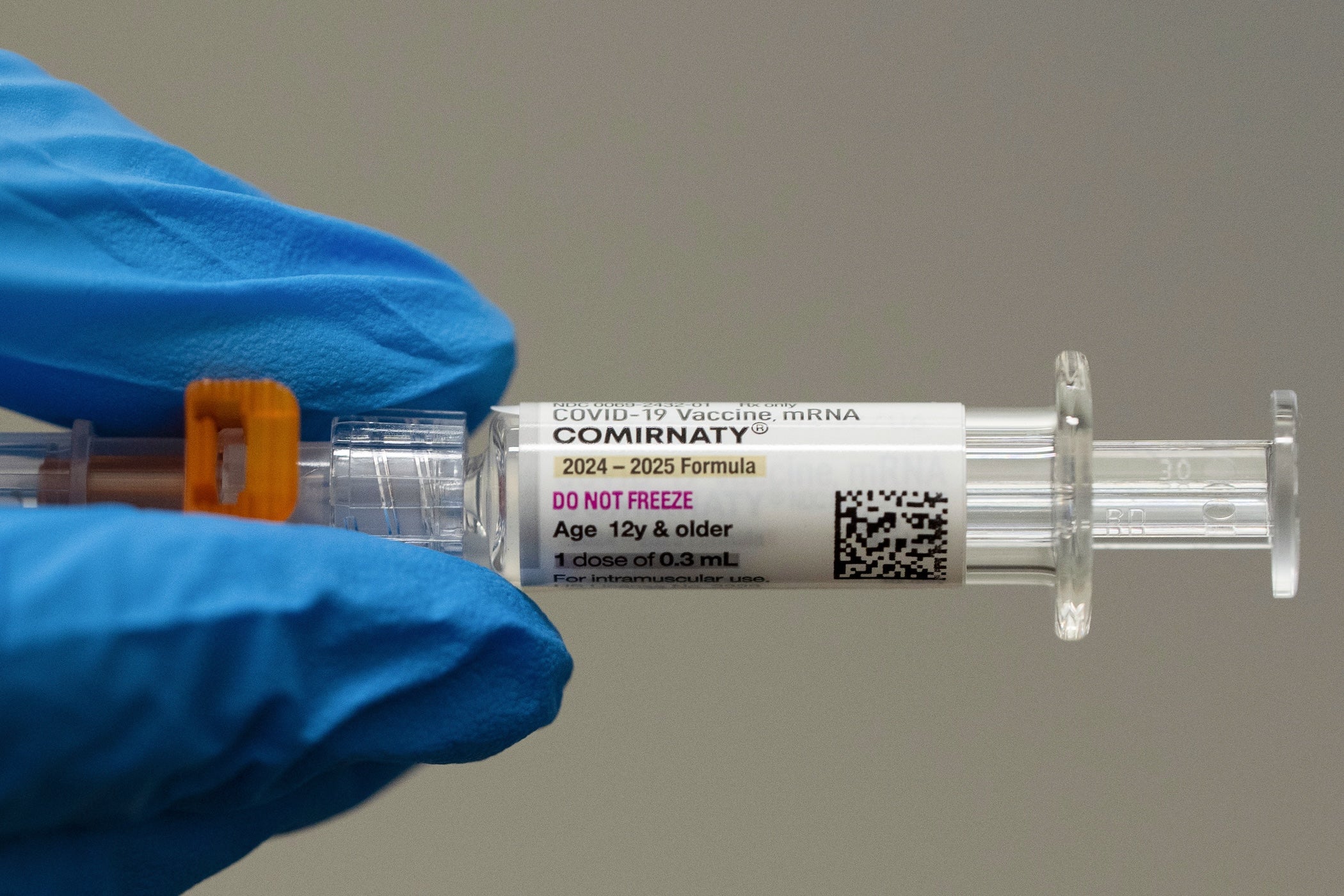
Have you ever wondered if the coronavirus can survive when the temperature drops? As the cold weather sets in, you might be asking yourself how safe you really are.
Understanding how this virus behaves in chilly conditions can help you protect yourself and your loved ones better. Keep reading to uncover the truth about the coronavirus and cold weather—what you need to know could change the way you stay safe this season.
Virus Survival And Temperature
Temperature plays a key role in how long viruses can survive outside the body. For the coronavirus, changes in temperature affect its lifespan on surfaces and in the air. Understanding this helps explain why some seasons seem to have more infections.
How Temperature Affects Virus Lifespan
Viruses generally last longer in cooler conditions. Low temperatures slow down the virus’s breakdown process. This means the virus can stay infectious on surfaces for days or even weeks in cold weather.
Warm temperatures cause the virus to break down faster. Heat damages the virus’s outer layer, reducing its ability to infect. This makes hot weather less favorable for virus survival.
Cold Weather And Virus Stability
Cold weather supports the virus’s stability and ability to spread. The virus’s structure remains intact longer in cold air. Dry, cold air also helps virus particles stay airborne longer.
During winter, people stay indoors more, increasing close contact. This helps the virus spread easily, combining with its longer survival time. Cold weather alone does not kill the virus but helps it survive.

Credit: www.theguardian.com
Corona Virus Behavior In Cold
The behavior of the coronavirus in cold weather has sparked many questions. People often wonder if chilly temperatures help the virus survive longer or if cold air weakens it. Understanding how the virus acts in low temperatures can guide your daily decisions, especially during colder months.
Studies On Virus Survival In Low Temperatures
Research shows that the coronavirus can survive longer on surfaces when the temperature drops. Scientists found that at cooler temperatures, the virus’s protective outer layer remains stable, allowing it to stay infectious for extended periods.
One study revealed that the virus could remain viable for days on surfaces like plastic and metal at temperatures around 4°C (39°F). This contrasts sharply with warmer conditions, where the virus tends to degrade faster.
Have you noticed how flu seasons peak in winter? This pattern hints that cold environments may support virus survival, but survival alone doesn’t guarantee higher infection rates. Your behavior in cold weather—like staying indoors—also plays a big role.
Comparing Cold And Warm Conditions
In warm conditions, the virus struggles to survive long outside a host. Higher temperatures and humidity levels help break down the virus’s structure quickly.
Cold weather slows down this breakdown process. The virus can linger longer on surfaces, increasing the chance of transmission if you touch contaminated objects and then your face.
However, warmer weather alone won’t stop the virus from spreading. People often gather indoors to escape the cold, which can increase close contact and raise infection risks.
Think about your own habits: Do you wash your hands more frequently in winter? Are you more careful about touching your face? These actions can make a big difference regardless of the temperature.
Impact Of Humidity And Cold
The impact of humidity and cold on the survival and spread of the coronavirus has intrigued many. These two factors often work together, influencing how the virus behaves in different environments. Understanding their interaction can help you take better precautions during colder months.
Role Of Humidity In Virus Transmission
Humidity plays a crucial role in how viruses, including the coronavirus, travel through the air. Low humidity levels allow virus particles to stay airborne longer, increasing the chance of inhalation. Have you noticed how dry indoor air in winter often feels harsher? That same dryness helps the virus linger.
Higher humidity, around 40-60%, tends to make virus particles heavier, causing them to settle quickly. This reduces the risk of inhaling the virus from the air. However, very high humidity can create a damp environment that supports mold and bacteria growth, which is another health concern.
Interaction Between Cold And Moisture
Cold weather often comes with lower humidity, both indoors and outdoors. When temperatures drop, the air holds less moisture, drying out your nose and throat. This drying effect can weaken your body’s natural defenses, making it easier for viruses to infect you.
Cold air also slows the evaporation of virus droplets, allowing them to survive longer on surfaces and in the air. Have you ever noticed that colds and flu are more common in winter? The combined effect of cold and dry conditions helps viruses stay active and contagious.
To protect yourself, consider using a humidifier to maintain comfortable humidity levels inside your home. This simple action can reduce the virus’s ability to spread and improve your respiratory health during cold months.

Credit: www.santacruzcountyaz.gov
Myths About Cold Weather And Virus
Many believe cold weather kills viruses like the coronavirus. This idea spreads quickly but lacks strong proof. People often think winter stops the virus from spreading. This section clears up these myths and explains the truth.
Common Misconceptions Debunked
One myth says cold weather alone can stop the virus. Another claims the virus dies instantly in freezing temperatures. Some think warm weather will end the pandemic. These ideas do not match scientific facts.
- Viruses can survive cold and warm climates.
- Flu and colds spread in winter for many reasons.
- Virus survival depends on more than temperature.
Why Cold Alone Doesn’t Stop The Virus
Cold does not kill the coronavirus by itself. The virus can live on surfaces in cold weather. Low temperatures might help the virus last longer outside the body.
People stay indoors more in winter, increasing close contact. This behavior helps the virus spread despite cold. Proper hygiene and masks remain key to prevention.
Practical Safety Tips For Cold Seasons
Cold seasons bring unique challenges for health and safety. The coronavirus can survive longer on surfaces in cold weather. This means extra care is needed to stay safe. Simple actions help reduce the risk of catching or spreading the virus. Follow these practical safety tips to protect yourself and others during cold months.
Effective Preventive Measures
- Wash hands often with soap and water for 20 seconds.
- Use hand sanitizer with at least 60% alcohol if soap is unavailable.
- Wear a mask in crowded or indoor places.
- Keep a safe distance from people outside your household.
- Avoid touching your face, especially eyes, nose, and mouth.
- Disinfect frequently touched surfaces like doorknobs and phones daily.
- Stay home if you feel sick or show symptoms of illness.
Adapting To Cold Weather Safely
Dress warmly in layers to prevent cold-related illnesses. Use hats, gloves, and scarves to cover exposed skin. Avoid gatherings indoors where ventilation is poor. Open windows to increase airflow when possible. Use humidifiers to keep indoor air moist and comfortable. Drink plenty of fluids and eat nutritious meals to boost immunity. Monitor weather forecasts and limit outdoor time during extreme cold.
Credit: www.cnn.com
Frequently Asked Questions
Can The Coronavirus Survive In Cold Weather?
Yes, the coronavirus can survive in cold weather. Cold temperatures do not kill the virus. It can remain viable on surfaces and in the air in cold conditions. The virus’s survival is more dependent on factors like humidity and surface type rather than temperature alone.
Does Cold Weather Increase Coronavirus Transmission?
Cold weather may increase coronavirus transmission. People tend to gather indoors, increasing close contact, which facilitates virus spread. Additionally, dry indoor air can help the virus survive longer. While cold weather itself doesn’t directly increase transmission, related behaviors can contribute to higher infection rates.
Is Covid-19 More Severe In Winter?
COVID-19 can be more severe in winter due to increased indoor gatherings. Cold weather might also weaken the immune system. However, severity depends on individual health and virus exposure levels. Winter conditions can contribute to higher infection rates, indirectly leading to more severe cases.
How Does Temperature Affect Coronavirus Spread?
Temperature alone doesn’t significantly affect coronavirus spread. Cold weather can facilitate indoor gatherings, increasing transmission risk. However, factors like humidity and ventilation play a crucial role. Maintaining good hygiene and proper ventilation indoors is essential to reduce the spread, regardless of temperature.
Conclusion
Cold weather can help the coronavirus survive longer on surfaces. But it does not mean the virus spreads only in winter. People must still follow safety steps every day. Wearing masks, washing hands, and keeping distance work best. Viruses can spread in any season.
Staying careful protects you and others around you. Keep learning about the virus and stay safe always. This helps stop the spread no matter the weather.