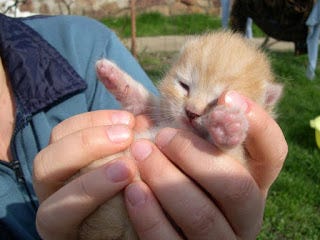
You might be wondering, can newborn kittens survive in hot weather? If you have tiny kittens or are thinking about caring for them during warm days, this question is very important.
Newborn kittens are fragile, and the heat can affect them in ways you might not expect. Understanding how heat impacts their health and what you can do to keep them safe is crucial. Keep reading to discover essential tips and expert advice that will help you protect your little furry friends when temperatures rise.
Your kittens’ well-being depends on it!
Risks Of Heat For Newborn Kittens
Newborn kittens are very delicate and sensitive to temperature changes. High heat can cause serious health problems for these tiny creatures. They cannot regulate their body temperature like adult cats. The risks of heat for newborn kittens can be life-threatening if not managed properly.
Heatstroke Symptoms
Heatstroke happens when a kitten’s body overheats quickly. Signs include:
- Rapid breathing or panting
- Weakness or lethargy
- Bright red tongue and gums
- Excessive drooling
- Uncoordinated movements or collapse
Immediate action is needed if these symptoms appear. Cooling the kitten down slowly is crucial.
Dehydration Dangers
Hot weather increases the chance of dehydration in newborn kittens. They lose water fast through breathing and skin. Dehydration signs include:
- Dry mouth and nose
- Sunken eyes
- Loss of skin elasticity
- Weakness and lack of energy
Dehydration can lead to organ failure or death. Keep kittens hydrated with proper fluids.
Effects On Development
High heat can stunt a kitten’s growth and cause long-term damage. Heat stress affects organs and brain development. It also weakens the immune system, making infections more likely. Proper temperature control helps ensure healthy growth and development.
Ideal Temperature For Kittens
Newborn kittens need a warm and safe place to grow. Their bodies cannot control temperature well. Too much heat or cold can hurt their health. Knowing the ideal temperature helps keep kittens healthy and comfortable.
Recommended Temperature Range
Kittens thrive best between 85°F and 90°F (29°C to 32°C) during their first week. After that, the temperature can slowly drop to 80°F (27°C) by the fourth week. This warmth helps them stay active and grow strong.
- 85°F to 90°F for newborns (0-7 days old)
- 80°F to 85°F for 1 to 4 weeks old
- Gradually lowering to room temperature after 4 weeks
Temperatures below 80°F can cause kittens to become cold quickly. Heat above 90°F risks overheating and dehydration. Careful monitoring is key.
Maintaining A Stable Environment
Keep the kitten’s space consistent in temperature. Avoid sudden changes that can stress their tiny bodies. Use heating pads or lamps safely to provide steady warmth.
- Place heating devices under bedding, not directly on kittens
- Check temperature often with a thermometer
- Provide soft blankets to help hold warmth
- Ensure good airflow to prevent overheating
A calm, warm environment supports kitten health and growth. Balance is essential for their survival in hot weather.
Hydration Needs
Newborn kittens are incredibly fragile, and staying hydrated is one of the most critical factors for their survival, especially in hot weather. Their tiny bodies can lose fluids quickly, making it essential for you to monitor their hydration closely. Understanding their hydration needs helps you act fast and keep them safe.
Signs Of Dehydration
How can you tell if your kitten is dehydrated? Watch for these clear signs:
- Dry gums:Healthy kittens have moist, pink gums. If they feel tacky or dry, it’s a warning sign.
- Lethargy:Dehydrated kittens often become weak and less responsive.
- Sunken eyes:This is a visible indicator that your kitten needs fluids immediately.
- Loss of skin elasticity:Gently pinch the skin at the back of their neck; if it doesn’t snap back quickly, dehydration is likely.
Do you notice any of these signs? Acting quickly can mean the difference between life and serious illness.
Safe Hydration Methods
Providing water to newborn kittens isn’t as simple as setting out a bowl. They often rely on their mother’s milk or specially formulated kitten milk replacers for hydration. Here’s how you can safely keep them hydrated:
- Kitten milk replacer:Use a quality product designed for kittens, not cow’s milk, which can upset their stomach.
- Syringe feeding:Carefully use a small syringe or dropper to offer fluids if the kitten isn’t nursing well.
- Keep them cool:Avoid overheating their environment, which increases fluid loss. A cool, shaded space can reduce dehydration risk.
- Monitor intake:Track how much milk or fluid your kitten consumes daily to spot any problems early.
Have you tried syringe feeding before? It takes patience but can save a kitten’s life in hot weather.
Creating A Cool Space
Creating a cool space is vital for newborn kittens during hot weather. Their tiny bodies cannot handle heat well. Keeping them comfortable helps prevent heat stress and dehydration. A well-prepared area supports their health and growth.
Using Fans And Cooling Pads
Fans help circulate air, reducing stuffiness around kittens. Place fans nearby but not blowing directly on them. Gentle airflow keeps the area fresh without chilling.
Cooling pads offer a safe, cool surface for kittens to lie on. Use pads designed for pets to avoid harm. Check pads regularly to ensure they stay at a safe temperature.
Shaded And Ventilated Areas
Shade protects kittens from direct sunlight and heat. Choose a spot indoors or outdoors with natural shade.
Ventilation allows hot air to escape and fresh air to enter. Open windows or vents improve airflow. Avoid areas with drafts that may chill kittens.
Feeding Adjustments In Heat
Newborn kittens need special care in hot weather. Their small bodies cannot handle heat well. Feeding plays a key role in keeping them healthy and hydrated. Adjusting their feeding habits helps avoid heat stress. It supports their growth and energy needs.
Frequency And Quantity Changes
Feed newborn kittens more often during hot days. Smaller, frequent meals prevent overheating and indigestion. Offer food every 2 to 3 hours instead of longer gaps. Keep meal portions moderate to avoid tummy upset. Too much food can cause discomfort in heat.
Watch for signs of hunger and thirst closely. Adjust feeding times if kittens seem restless or weak. Keep feedings consistent to maintain their energy and hydration. Avoid forcing kittens to eat large amounts at once. Gentle feeding helps them feel comfortable and safe.
Suitable Food Types
Choose light and easily digestible foods for hot weather. Wet kitten formula or softened canned food works best. These provide hydration and nutrients together. Avoid dry kibble alone as it can cause dehydration.
Fresh, clean water must be available at all times. Feeding moist foods helps keep kittens hydrated naturally. Use kitten milk replacer if the mother is not available. Avoid cow’s milk, which can upset their stomachs. Balanced nutrition supports their immune system in heat.

Credit: www.youtube.com
Monitoring Kitten Health
Monitoring the health of newborn kittens in hot weather is crucial to ensure their survival and comfort. Their tiny bodies are sensitive to heat, and early signs of distress can be subtle. Careful observation helps catch problems before they become serious.
Regular checks allow you to notice any changes in how they act or look. This habit supports quick responses to heat stress or other health issues. Keep the environment cool and watch for signs that indicate discomfort or illness.
Behavioral Changes To Watch
- Excessive panting or rapid breathing
- Restlessness or constant moving to find cooler spots
- Weakness or lack of energy
- Refusal to eat or drink
- Unusual vocal sounds like crying or whining
- Seeking shade or hiding more than usual
These behaviors can signal overheating or dehydration. Early detection helps prevent serious health problems.
When To Seek Veterinary Help
- Persistent heavy breathing or panting
- Blue or pale gums
- Collapse or inability to stand
- Continuous vomiting or diarrhea
- Seizures or tremors
- Unresponsiveness or extreme lethargy
Do not delay in contacting a vet if any signs worsen or do not improve. Timely medical care can save a kitten’s life in hot weather conditions.
Preventive Measures For Hot Weather
Newborn kittens are incredibly delicate, especially when the weather heats up. Taking preventive measures is essential to keep them safe and comfortable during hot days. You need to create an environment that minimizes heat exposure and helps them stay cool without risking their health.
Avoiding Direct Sunlight
Direct sunlight can quickly raise a kitten’s body temperature, causing dangerous overheating. Make sure your kittens have shaded areas wherever they rest.
Use curtains, blinds, or even a light cloth over their sleeping spots to block harsh sun rays. Reflect on a time you felt trapped in the sun—now imagine how much more vulnerable a tiny kitten is.
Keep water bowls nearby to keep them hydrated, as dehydration happens fast in heat. Are you providing enough shade spots that your kittens can choose from?
Limiting Outdoor Exposure
Taking newborn kittens outside during peak heat hours can be risky. Limit their outdoor time to early mornings or late evenings when temperatures are cooler.
Even brief exposure to hot pavement or direct sunlight can cause burns or heatstroke. If you must take them out, carry them in a shaded, ventilated carrier to maintain a safe temperature.
Think about how you protect yourself from the heat—your kittens need similar care. Could adjusting their outdoor schedule improve their safety during hot weather?
Credit: pethelpful.com
Credit: www.lovemeow.com
Frequently Asked Questions
How Do Kittens Handle Extreme Heat?
Newborn kittens are sensitive to heat and can easily become dehydrated. Their small bodies struggle to regulate temperature. It’s crucial to keep them in a cool, shaded environment. Ensure they have plenty of fluids and avoid direct sunlight exposure. Monitor their behavior for signs of heat stress.
What Temperature Is Too Hot For Newborn Kittens?
Temperatures above 85°F (29°C) can be dangerous for newborn kittens. They are unable to cool themselves effectively. It’s vital to provide a cool space and adequate hydration. Use fans or air conditioning if necessary. Always keep a close eye on their comfort and health.
Can Newborn Kittens Drink Water In Hot Weather?
Newborn kittens primarily get hydration from their mother’s milk. However, in hot weather, you can introduce small amounts of water. Ensure the water is clean and at room temperature. Monitor their intake and consult a veterinarian if unsure. Proper hydration is essential for their survival.
What Are Signs Of Heat Stress In Kittens?
Signs of heat stress in kittens include excessive panting, lethargy, and drooling. They may also appear weak or disoriented. Immediate action is needed to cool them down. Move them to a cooler area and provide water. Seek veterinary care if symptoms persist or worsen.
Conclusion
Newborn kittens need cool, shaded places to stay safe. Heat can cause serious health problems fast. Keep them hydrated and watch for signs of distress. Small fans or wet cloths help lower their temperature. Always check on kittens often during hot days.
Their tiny bodies cannot handle strong heat alone. Providing care and a cool space saves their lives. Remember, staying cool is key for newborn kitten survival.