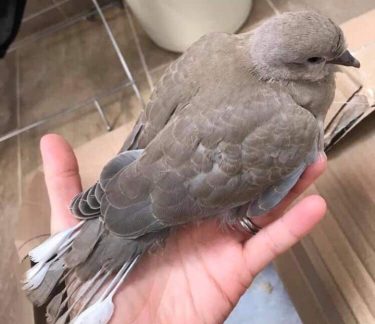
Have you ever wondered if baby doves can handle chilly weather? If you care about these gentle birds, you might worry when the temperature drops.
You want to know if they can stay safe and warm during cold days and nights. Understanding how cold affects baby doves is important for anyone who loves wildlife or wants to help these little creatures thrive. Keep reading to discover the surprising facts about baby doves and cold weather—and learn what you can do to protect them when winter comes.

Credit: www.pigeons.biz
Baby Dove Vulnerability
Baby doves face significant challenges in cold weather due to their vulnerability at an early stage of life. Their survival depends heavily on physical strength and natural protection, which are often insufficient against harsh temperatures. Understanding their weaknesses can help you provide better care or create a safer environment for these delicate birds.
Physical Fragility
Baby doves are incredibly fragile right after hatching. Their bones and muscles are still developing, making them less capable of enduring cold or moving to warmer spots.
You might notice they are less active and more prone to injury compared to adult doves. This fragility means even a slight drop in temperature can affect their health seriously.
Have you ever seen a baby bird shiver or huddle? That’s their natural response, but it’s often not enough to keep them warm without external help.
Limited Feather Protection
Unlike adult doves, baby doves have sparse feathers that don’t provide full insulation. Their down feathers are soft but thin, leaving them exposed to cold air and wind.
This limited feather coverage means they lose body heat quickly. Even if you see them fluffing up their feathers, it’s a weak defense against freezing temperatures.
Consider how you would feel wearing a light jacket in a snowstorm—baby doves are in a similar situation without added warmth.
Effects Of Cold Weather
Cold weather can have serious consequences for baby doves. Their small size and developing bodies make them vulnerable to temperature drops. Understanding how cold affects them helps you take better care of these fragile birds.
Hypothermia Risks
Baby doves can easily develop hypothermia when exposed to cold temperatures. Unlike adult birds, they lack full feather coverage to keep warm. Their body temperature can drop quickly, leading to lethargy, weakness, and even death.
If you’ve ever seen a baby dove shivering or sitting motionless, it might be struggling to stay warm. Immediate warming is crucial. You can use a soft cloth and a gentle heat source to raise their temperature safely.
Impact On Growth
Cold weather doesn’t just threaten survival; it also slows down growth. Baby doves need extra energy to maintain body heat, which means less energy is left for developing bones and muscles. This can cause delayed feathering and weaker immune systems.
Have you noticed a smaller size or slower movements in young doves during chilly days? This might be a sign their growth is affected. To support their development, ensure they have a warm, sheltered environment and enough nutritious food to fuel their recovery and growth.
Parental Care Strategies
Baby doves face many challenges in cold weather. Their survival depends heavily on how their parents care for them. Parents use special strategies to keep their young warm and well-fed. These strategies improve the chances of baby doves staying healthy during cold days.
Nest Insulation
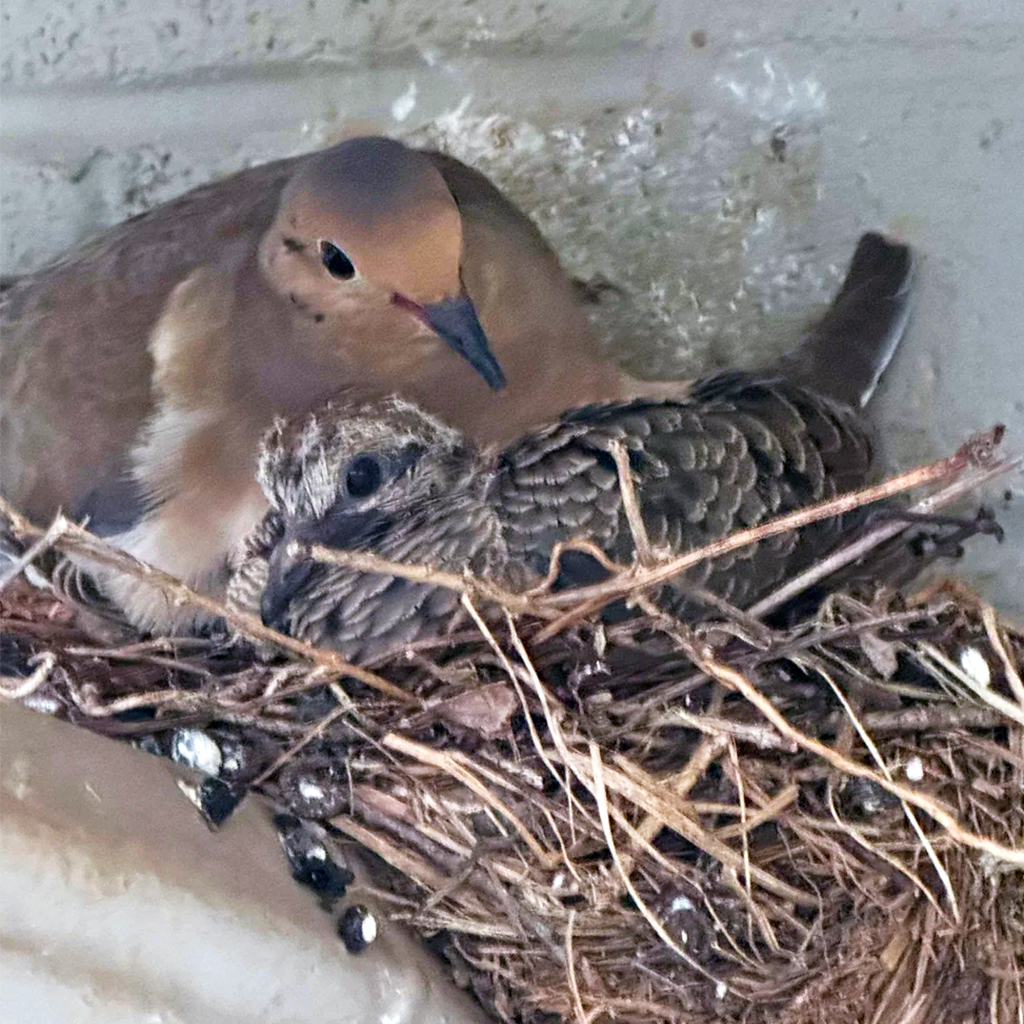
Parent doves build nests with extra materials to keep warmth inside. They use soft feathers, leaves, and grass to create a thick lining. This thick layer protects babies from cold winds and low temperatures. The nest acts like a small shelter that traps heat. Parents often sit close to the babies to share body warmth. This close contact helps keep the chicks cozy and safe.
Feeding Frequency
Parents feed baby doves more often in cold weather. Frequent feeding provides energy to maintain body heat. The food is usually soft and easy to digest, like regurgitated seeds. Feeding every few hours keeps babies strong and less hungry. Strong chicks can better fight off the cold. Parents stay alert to meet the needs of their growing young.
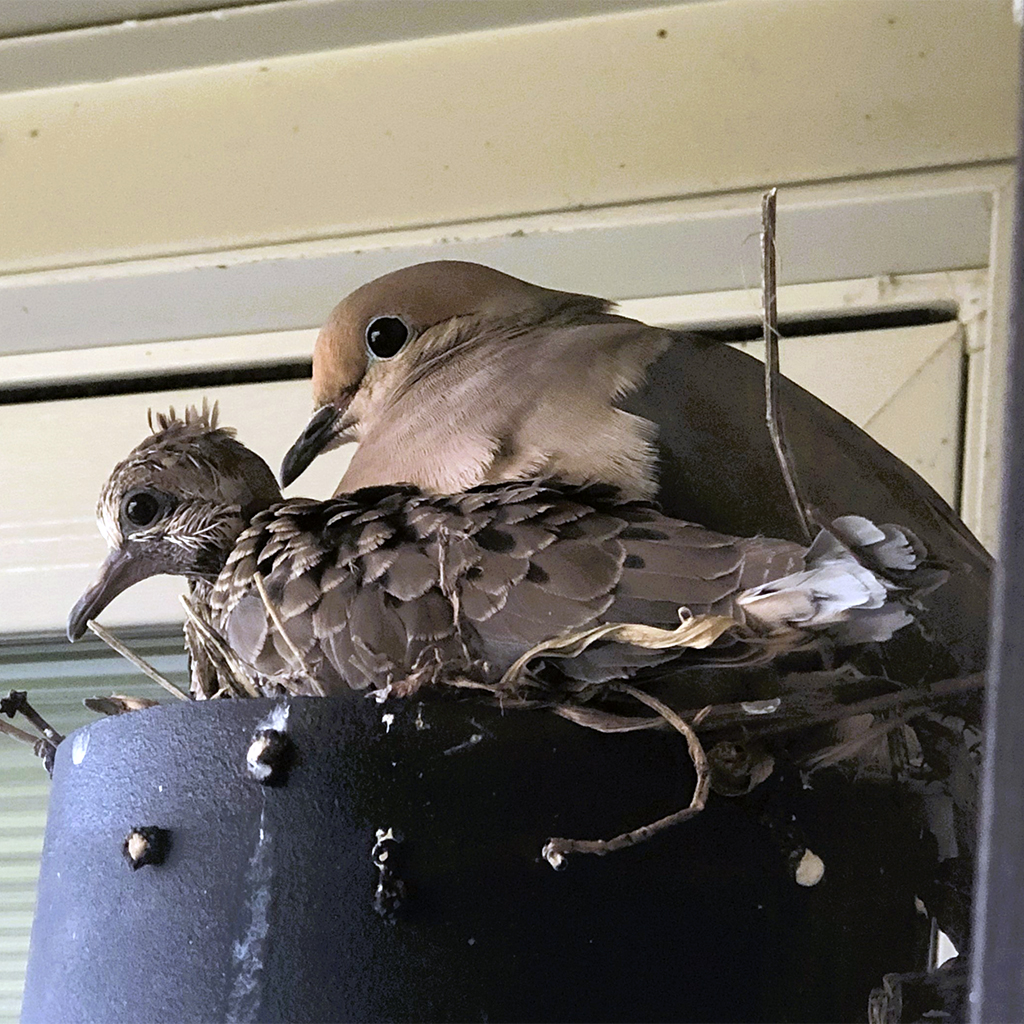
Credit: www.cambridgeday.com
Environmental Shelter Options
Baby doves need protection from cold weather to stay safe and warm. Finding the right shelter helps them survive harsh conditions. Environmental shelter options offer natural and human-made places for doves to hide and rest. These shelters reduce heat loss and protect from wind and rain. Understanding these options helps support baby doves during cold seasons.
Natural Hiding Spots
Natural hiding spots provide essential cover for baby doves. Trees with dense leaves block cold winds. Bushes and shrubs offer a safe place close to the ground. Hollow tree trunks and thick branches act as cozy nests. These spots keep baby doves hidden from predators and harsh weather. Leaves and twigs help trap warmth and create a soft bedding.
Human-made Shelters
Human-made shelters give extra protection to baby doves. Birdhouses designed for doves offer a dry, warm home. Wooden boxes with small entrances keep out larger animals. Placing shelters near food and water sources helps baby doves survive. Simple materials like straw or cloth inside the shelter add comfort and insulation. These shelters help doves stay safe during cold nights and storms.
Feeding And Nutrition Needs
Baby doves need special care to survive cold weather. Their feeding and nutrition must support their growth and energy needs. Cold weather makes it harder for baby doves to stay warm. Proper food and water help them fight the chill and stay healthy.
High-energy Diet
Baby doves require a high-energy diet to keep their bodies warm. Foods rich in fats and proteins provide necessary energy. Seeds like millet, sunflower, and safflower are excellent choices. Soft, easily digestible foods help their young digestive systems. Nutrients from fruits and vegetables add vitamins and minerals. Feeding small amounts often ensures steady energy supply throughout the day.
Water Availability
Water is vital for baby doves, especially in cold weather. It helps regulate their body temperature and aids digestion. Water should be fresh and free from freezing. Warm water encourages drinking and prevents dehydration. Keep water containers clean and accessible at all times. Lack of water can weaken baby doves and reduce their chance of survival.
Credit: www.cambridgeday.com
Signs Of Cold Stress
Baby doves are fragile creatures sensitive to cold weather. Recognizing signs of cold stress early helps protect their health. Cold stress can quickly weaken baby doves if unnoticed. It affects their behavior and physical condition. Observing these signs is crucial for their survival.
Behavioral Changes
- Reduced activity or lethargy
- Huddling tightly with siblings or parents
- Fluffed-up feathers to trap warmth
- Less feeding or refusal to eat
- Shivering or trembling
Physical Symptoms
- Cold, pale, or bluish skin on feet and legs
- Drooping wings or weak posture
- Slow breathing or gasping
- Weight loss or failure to gain weight
- Discharge from eyes or nostrils
Helping Baby Doves In Cold
Helping baby doves survive cold weather requires careful attention and gentle care. These tiny birds are very sensitive to low temperatures. Without warmth, they can become weak quickly. Providing a cozy and safe environment helps them stay healthy during chilly days. Understanding how to offer warmth and when to step in can make a big difference in their survival.
Safe Warmth Techniques
Use soft materials like towels or fleece to line their nest area. Avoid hot water bottles or electric pads that might burn them. A warm room with steady temperature is best. Placing a small heat lamp nearby can help but keep it at a safe distance. Monitor the temperature to keep it comfortable, around 85°F (29°C) for very young doves. Cover the area to block cold drafts but ensure air flows freely. Keep the nest dry to prevent chilling from moisture.
When To Intervene
Watch for signs of cold stress like shivering or lethargy. If baby doves look weak or stop eating, it is time to act. Do not remove them from the nest unless necessary. If the nest is exposed or damaged, move them gently to a warmer place. Call a wildlife rehabilitator if unsure about their condition. Early help improves chances of recovery. Avoid handling the doves too much to reduce stress.
Frequently Asked Questions
Can Baby Doves Survive In Cold Weather?
Baby doves have limited ability to survive cold weather. They rely on their parents for warmth and protection. Without proper shelter and care, cold temperatures can be fatal for them. Ensuring a warm nesting area increases their chances of survival during cold spells.
How Do Parent Doves Keep Babies Warm?
Parent doves use body heat to keep their babies warm. They sit closely on the nest and shield the chicks from cold winds. This brooding behavior is essential during cold weather to maintain the chicks’ body temperature and ensure their survival.
What Temperature Is Too Cold For Baby Doves?
Temperatures below 45°F (7°C) can be dangerous for baby doves. They are vulnerable to hypothermia because they cannot regulate their body heat well. Providing shelter and warmth is crucial when temperatures drop to protect the young doves.
Can Baby Doves Grow Feathers Fast In Cold Weather?
Cold weather can slow down feather growth in baby doves. Feathers are vital for insulation and warmth. Stress from cold can delay development, making young doves more susceptible to cold-related health risks.
Conclusion
Baby doves face challenges in cold weather. Their survival depends on care. Protecting them from harsh conditions is crucial. Warm shelters and adequate food help. Parents play a key role in their survival. Observing and assisting can make a difference.
Ensuring their safety is a shared responsibility. Proper measures increase their chances of thriving. Understanding their needs supports their growth. In cold climates, every effort counts. Working together, we can help these fragile creatures. Their survival is possible with attentive care and support.