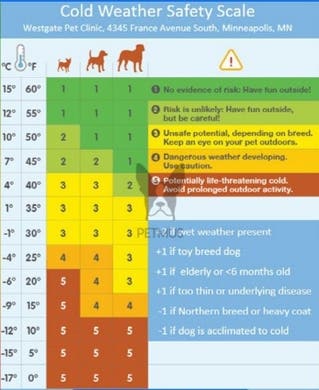
Have you ever wondered if your dog can handle freezing temperatures, like 25 degrees Fahrenheit? Keeping your furry friend safe and comfortable in cold weather is something every pet owner worries about.
You want to make sure your dog isn’t at risk, but how cold is too cold? You’ll discover what 25-degree weather means for your dog’s health, what signs to watch for, and simple steps you can take to protect your best friend when the temperature drops.
Keep reading to find out how to keep your dog safe and happy, no matter how chilly it gets outside.

Credit: www.thebalancedcanine.co.uk
Impact Of 25 Degree Weather On Dogs
The impact of 25 degree weather on dogs varies widely. This temperature can feel chilly or comfortable depending on the dog’s traits. Understanding how this weather affects dogs helps owners keep pets safe and healthy. Some dogs handle cooler temperatures better than others. Knowing the signs of stress and health risks is vital.
Temperature Effects On Canine Health
At 25 degrees Fahrenheit, dogs face cold stress. Their body works harder to stay warm. Shivering is a natural response to generate heat. Prolonged exposure can lead to hypothermia. Cold can stiffen joints, causing discomfort, especially in older dogs. Moisture from snow or ice can chill their paws and fur. Cold air may irritate the respiratory system. Dry skin and cracking paw pads are common issues.
Breed And Size Considerations
Small dogs lose heat faster than large dogs. Short-haired breeds feel cold more quickly. Thick-coated breeds like Huskies tolerate cold well. Puppies and senior dogs have less body fat for insulation. Breeds bred for cold climates have natural protection. Dogs with thin coats or low body fat need extra care. Size and fur type greatly influence cold tolerance. Outdoor time should be limited for sensitive breeds.
Signs Of Temperature Stress
- Shivering or trembling
- Whining or anxious behavior
- Slow movements or stiffness
- Cold ears, tail, or paws
- Reluctance to move or play
- Excessive licking of paws
- Weakness or fatigue
Recognizing these signs early prevents serious health problems. Dogs showing these symptoms need warmth and care immediately.
Preparing Your Dog For Cold Weather
Preparing your dog for cold weather is crucial to ensure they stay safe and comfortable when temperatures drop to 25 degrees Fahrenheit or lower. Dogs, like people, can feel the chill deeply, especially smaller breeds or those with short fur. Taking the right steps ahead of time can prevent health issues and help your furry friend enjoy the winter months.
Appropriate Clothing And Gear
Not all dogs need a sweater, but many benefit from extra warmth. Choose a well-fitting coat or sweater made from water-resistant and insulating materials. Reflective gear is a smart addition if you walk your dog early in the morning or late at night, improving visibility and safety.
Boots can protect paws from ice, salt, and cold surfaces. Some dogs resist wearing them at first, but patience and positive reinforcement can help. If your dog tolerates the boots, they can prevent painful cracks and frostbite.
Adjusting Diet And Hydration
Cold weather can increase your dog’s energy needs as they burn more calories to stay warm. Consider adding nutrient-rich foods or slightly increasing portion sizes after consulting with your vet. Avoid overfeeding, but ensure your dog has enough fuel for warmth.
Hydration matters even in cold weather. Dogs may drink less when it’s chilly, but dehydration risks increase if water bowls freeze outside. Provide fresh, unfrozen water frequently and monitor intake closely.
Creating Warm Shelter
If your dog spends time outdoors, a cozy, insulated shelter is essential. Elevate the shelter off the ground and use straw or blankets for bedding, which hold heat better than towels. Make sure the entrance is shielded from wind and snow.
Indoor dogs still need warm spaces away from drafts. Set up a comfortable bed in a quiet corner, perhaps with a heated pad if your dog enjoys it. How does your dog react to cold spots in the house? Observing their behavior helps you find the best warm spots.
Outdoor Safety Measures
Keeping your dog safe outdoors in 25-degree weather requires careful attention. Cold temperatures can be challenging, but with the right measures, your dog can enjoy the outside without risk. Here are some practical safety tips to help you protect your furry friend.
Limiting Exposure Time
Dogs can get cold just like humans. Shorten their outdoor playtime during chilly days to prevent hypothermia. Even if your dog loves the snow, watch for signs of discomfort and bring them inside frequently.
Think about your dog’s breed and coat thickness—some need more breaks than others. Setting a timer for outdoor sessions can help you stay on track. Have you noticed how quickly your dog’s behavior changes when it’s too cold?
Protecting Paws And Skin
Cold weather can harm your dog’s paws and skin. Ice, salt, and cold surfaces may cause cracks and irritation. Use dog booties or paw wax to create a protective barrier against harsh elements.
Don’t forget to check their paws after each walk for cuts or stuck debris. Dry skin is common in winter; applying a pet-safe moisturizer can soothe and protect. How often do you inspect your dog’s paws after outdoor fun?
Monitoring Behavior And Health
Watch your dog closely for signs of cold stress. Shivering, whining, or slowing down can indicate they’re too cold. Older dogs and those with health issues need extra care in low temperatures.
Keep an eye on their appetite and energy levels—changes might signal discomfort. If your dog seems unusually lethargic or stiff, it’s time to warm them up and consult your vet. Are you tuned in enough to catch these subtle signals?

Credit: veteris.co.uk
When To Seek Veterinary Help
Dogs can struggle in 25-degree weather, especially if exposed for long periods. Knowing when to seek veterinary help saves your dog’s life. Early action prevents serious health issues and long-term damage.
Recognizing Hypothermia And Frostbite
Hypothermia occurs when your dog’s body temperature drops dangerously low. Signs include shivering, weakness, and slow breathing. Frostbite affects ears, paws, and tail. Look for pale, cold skin or blisters. Both conditions need quick veterinary care to avoid complications.
Emergency Care Tips
- Move your dog to a warm, dry place immediately.
- Wrap your dog in blankets or towels.
- Offer warm (not hot) water to drink if alert.
- Avoid applying direct heat to frostbitten areas.
- Contact a veterinarian without delay.
Preventive Health Checks
Regular vet visits help monitor your dog’s health in cold weather. Discuss your dog’s breed, age, and coat type with the vet. They can suggest vaccinations, supplements, and proper care routines. Early prevention reduces risks during cold spells.
Long-term Cold Weather Care
Dogs living in 25-degree weather need special care to stay healthy and happy. Cold temperatures can affect their body in many ways. Long-term care helps dogs adjust to the cold safely. It keeps their energy up and prevents health problems.
Regular Exercise Adaptations
Exercise is important even in cold weather. Shorter walks prevent dogs from getting too cold. Use paw protection like booties to avoid frostbite. Play games inside to keep dogs active. Watch for signs of cold, like shivering or lifting paws. Adjust exercise times to warmer parts of the day.
Seasonal Grooming Tips
Cold weather changes a dog’s grooming needs. Keep fur clean and dry to avoid skin issues. Avoid shaving the coat too short in winter. Brush regularly to remove dead hair and keep warmth. Check paws for cracks or ice buildup. Use moisturizing paw balm to protect skin.
Mental Stimulation Indoors
Cold days mean more indoor time. Keep dogs busy with toys and puzzles. Teach new tricks or commands for mental exercise. Rotate toys to keep interest high. Use treat-dispensing toys to encourage problem-solving. Mental activity helps reduce boredom and stress.

Credit: www.reddit.com
Frequently Asked Questions
Can Dogs Handle 25 Degree Weather?
Yes, most dogs can handle 25 degree weather. However, factors like breed, size, and coat type matter. Small or short-haired breeds may struggle more. Always monitor your dog for signs of discomfort or hypothermia. Provide warm shelter and limit outdoor time during extreme temperatures.
What Signs Show A Dog Is Too Cold?
Signs a dog is too cold include shivering, whining, and lethargy. They may seek warm places or lift paws off the ground. If your dog shows these signs, bring them inside immediately. Ensure they have a warm, comfortable space to rest.
How Long Can Dogs Stay Outside In Cold?
Dogs can usually stay outside for 15-30 minutes in cold weather. This depends on their breed, size, and coat. Larger breeds with thick coats tolerate cold longer. Always monitor your dog and adjust outdoor time based on their comfort.
Do Dog Coats Help In Cold Weather?
Yes, dog coats help keep dogs warm in cold weather. They provide an extra layer of insulation. Coats are especially beneficial for small or short-haired breeds. Ensure the coat fits well and doesn’t restrict movement. Choose materials that are warm and water-resistant.
Conclusion
Dogs can survive in 25-degree weather but need care. Keep them warm with blankets or coats. Watch for signs of cold stress or discomfort. Limit outdoor time during very cold days. Always provide fresh water and a cozy shelter. Small or short-haired dogs need extra protection.
Remember, each dog reacts differently to cold. Stay alert and adjust care as needed. Your dog’s comfort matters most in chilly weather.